Explained: Why Is My Thanksgiving Cactus Turning Purple?
I’ve always loved my Thanksgiving cactus. Its vibrant blooms bring a burst of color to my living room just as the fall chill sets in. But last year, I noticed something alarming—my cactus’s lush green stems started turning purple.
At first, I thought it was a quirky new feature, but then I realized my plant was in trouble. If you’re seeing the same purple tinge on your Thanksgiving cactus (Schlumbergera truncata), don’t panic! I’ve been there, and I’m here to share what I’ve learned about why this happens and how to fix it.
Understanding the Thanksgiving Cactus
Before we get to the purple problem, let’s talk about what makes the Thanksgiving cactus special. Unlike the prickly desert cacti we often picture, this plant is a tropical epiphyte from Brazil’s rainforests. It grows on trees, soaking up nutrients from decaying organic matter.
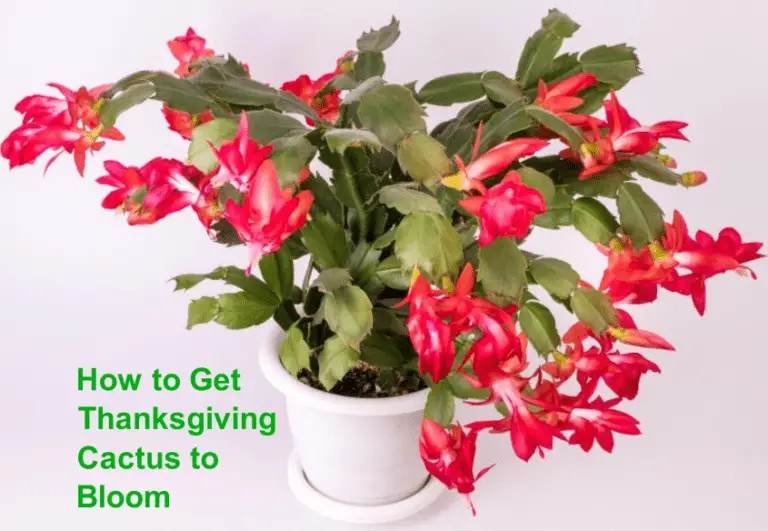
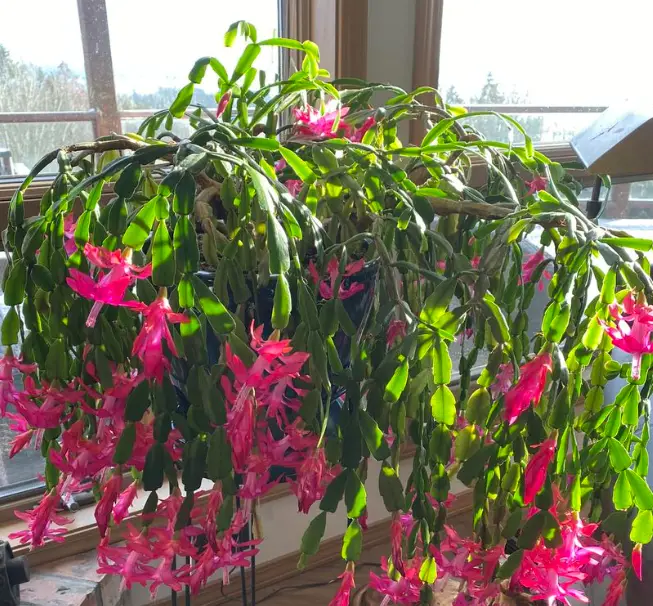
It has flat, segmented stems (called phylloclades) and colorful blooms in shades of red, pink, orange, or white that makes it a holiday favorite. In the U.S., it’s a popular houseplant, often blooming around Thanksgiving, hence the name.
But when those green stems turn purple, it’s a sign something’s off.
Why Is My Thanksgiving Cactus Turning Purple?
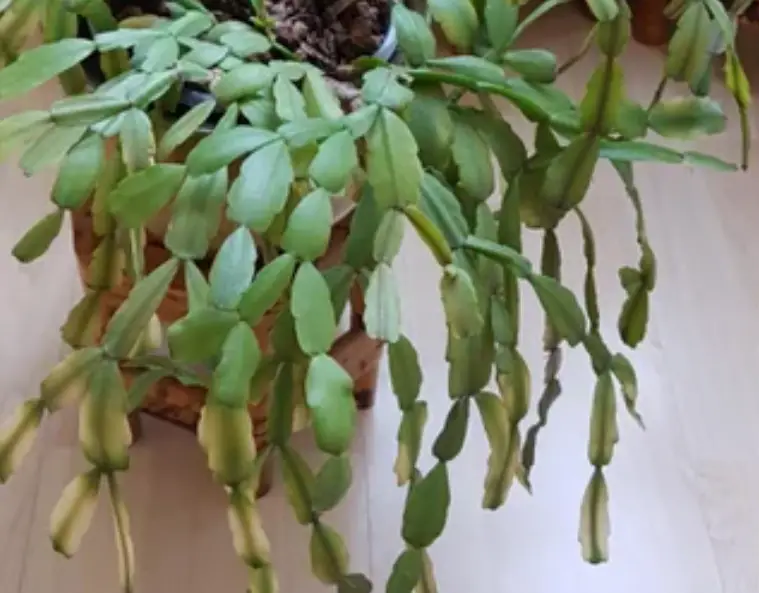
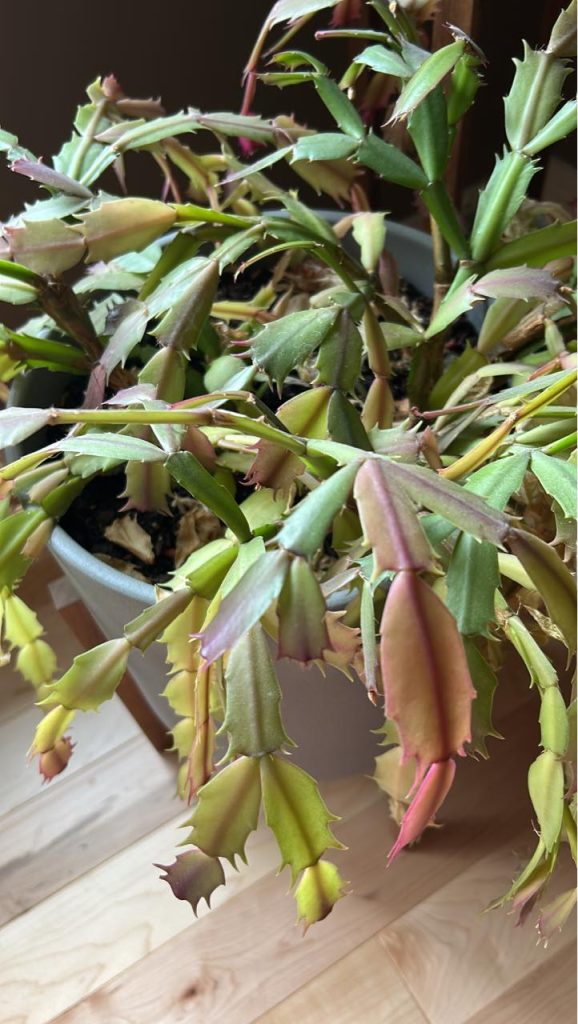
When my cactus started turning purple, I felt like a plant detective. After some research, I found that purple stems are usually a stress response. The plant produces anthocyanins, pigments that cause red, purple, or pink hues when it’s under duress.
Here are the main culprits I discovered, along with fixes that worked for me.
1. Too much direct sunlight
Thanksgiving cacti love bright, indirect light, but too much direct sun can stress them out. In my home, I had placed my cactus near a south-facing window, thinking it would thrive. Instead, the intense sunlight caused the stems to turn purple as a protective response.
These plants naturally grow under the shady canopy of rainforests, so they’re not built for harsh rays.
Solution
Move your cactus to a spot with bright, indirect light, like near a north- or east-facing window. If it’s in a sunny spot, try filtering the light with a sheer curtain. I moved mine a few feet back from the window, and the purple faded within weeks.
If you take your cactus outside in summer, place it under a tree or on a shaded porch to avoid sunburn.
2. Nutrient deficiency
I hadn’t fertilized my cactus in over a year, and it turns out that was a mistake. A lack of nutrients, especially magnesium, phosphorus, or nitrogen, can cause purple stems. This is common in winter when feeding is often reduced. Cold temperatures also slow nutrient uptake.
Solution
Feed your cactus with a balanced, water-soluble fertilizer (like 10-10-10) diluted to half strength every two weeks during spring and summer. I started using a houseplant fertilizer and noticed a difference.
If you suspect a magnesium deficiency, mix 1 teaspoon of Epsom salts in a gallon of water and spray the stems every two weeks. But don’t fertilize in late fall or winter—it can mess with blooming.
3. Temperature Stress
Living in the Midwest, I deal with drafty windows and fluctuating indoor temperatures. Sudden changes, like placing your cactus near a cold window or a hot vent, can stress it out. These plants prefer stable temperatures between 60-70°F (15-24°C), which is typical for most homes in the U.S.
Solution
Keep your cactus in a spot with consistent temperatures, away from drafts, heaters, or air conditioning vents. I moved mine to a cozy corner of my living room, and it stopped looking so stressed.
If you’re mimicking fall conditions to trigger blooms (cooler nights at 50-65°F), make sure it’s not too cold. Temperatures below 50°F can cause bud drop or discoloration.
4. Improper watering
Overwatering or underwatering can wreak havoc. I learned this the hard way when I let my cactus sit in soggy soil, causing root rot. The stems turned purple, and some even wilted. On the flip side, letting the soil dry out completely can also stress the plant, leading to discoloration.
Solution
Water when the top 1-2 inches of soil feel dry, ensuring the pot has drainage holes. I use a well-draining mix of one part peat moss, one part perlite, and one part orchid bark, as recommended by The Spruce.
Water thoroughly until it drains out the bottom, but don’t let the pot sit in water. In my dry winter home, I also mist the plant to keep humidity above 50%. If you suspect root rot, repot into fresh soil and trim any mushy roots.
5. Root-bound conditions
Thanksgiving cacti like being slightly root-bound, but if the pot is too cramped, the roots struggle to absorb water and nutrients, causing purple stems. My cactus was in the same pot for years, and when I checked, the roots were circling tightly.
Solution
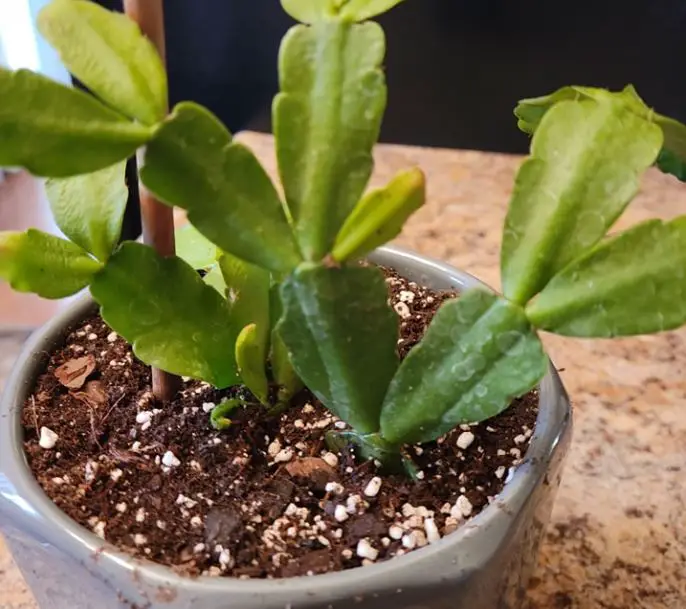
Repot every 2-3 years in late spring or summer with fresh, well-draining soil. Use a slightly larger pot with drainage holes. I repotted mine into a ceramic pot with drainage holes, and it perked up. Don’t go too big—these plants bloom better when in slightly tight quarters..
6. Pests or disease
Though rare, pests like spider mites, aphids, or mealybugs can stress your cactus, causing purple stems. I found tiny webs on my plant once, signaling spider mites. Root rot from overwatering can also lead to discoloration and a musty smell.
Solution
Check for pests regularly. If you spot webbing or sticky residue, rinse the stems gently and treat with neem oil or insecticidal soap. For root rot, repot into fresh soil and cut away damaged roots. Disinfect your tools with rubbing alcohol to prevent spreading issues.
Encouraging Blooms in Your Thanksgiving Cactus
Purple stems often mean your cactus is stressed, which can affect blooming. To get those gorgeous holiday flowers, mimic the plant’s natural fall conditions. Starting in mid-September, give it 12-14 hours of darkness nightly and cooler temperatures (50-65°F).
I put mine in a guest room with no artificial light at night, and it bloomed right on time for Thanksgiving. If you don’t have a dark room, cover it with a box each evening—yes, it feels crazy, but it works!
Additional Tips for Plant Lovers
- Use quality soil: I mix my own soil with peat moss, perlite, and orchid bark for perfect drainage.
- Monitor humidity: Many homes in the U.S.A. get dry in winter due to heating. A pebble tray half-filled with water near the plant or humidifier keeps humidity around 50%, which my cactus loves.
- Rotate the plant: I rotate my cactus every few weeks to ensure even light exposure, preventing one-sided blooming or stress.
FAQs
Q: Is a purple Thanksgiving cactus dangerous to my pets?
A: No, Thanksgiving cacti are nontoxic to cats and dogs, so they’re safe in pet-friendly homes. Just keep an eye on pests or root rot, which can affect plant health.
Q: Can I fix the purple color quickly?
A: It depends on the cause. Adjusting light or watering can show results in a week or two. Nutrient deficiencies or root issues may take longer, up to a month. Be patient and consistent.
Q: Should I cut off purple stems?
A: Only if they’re damaged or rotting. Healthy purple stems can recover with proper care. If you prune, use clean scissors and disinfect them with rubbing alcohol.
Q: Why does my cactus only turn purple in winter?
A: Winter conditions, like reduced feeding, cold drafts, or low light, can stress the plant, triggering anthocyanin production. Check your care routine and adjust the temperature and light.
Q: Can I propagate a purple-stemmed cactus?
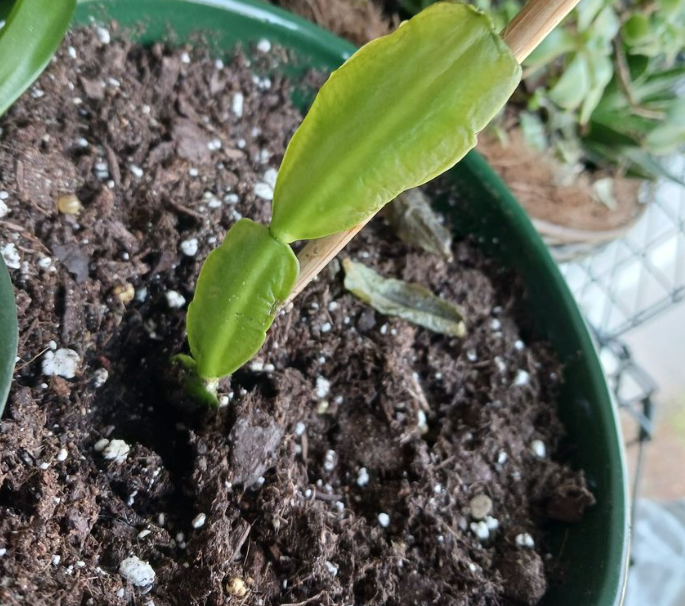
A: Yes! Take healthy stem cuttings, let them callus for a day, and plant in well-draining soil. I’ve propagated my Thanksgiving cactus successfully, even when it had some purple stems.
Final thoughts
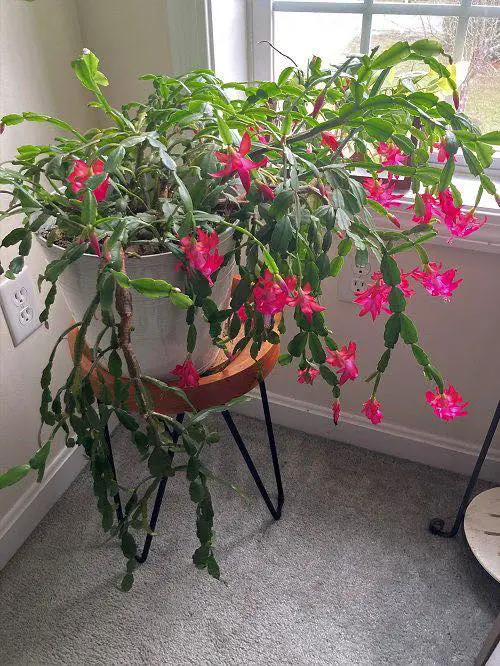
When my cactus turned purple, I felt like I’d failed as a plant parent. But troubleshooting the issue taught me so much. I adjusted the light, started fertilizing regularly, and repotted it. Now, it’s back to its glossy green self, blooming vibrantly every Thanksgiving.
So, seeing your Thanksgiving cactus turn purple shouldn’t be a worry. It’s a fixable issue with the right care. Whether it’s too much sun, a nutrient deficiency, or a watering mishap, you can bring your plant back to its vibrant green glory. I’ve learned that these plants are forgiving, and with a little attention, they’ll reward you with stunning holiday blooms.
If you would like to know more, consult resources from trusted sites like The Old Farmer’s Almanac or your local extension service, such as Michigan State University Extension. Share your tips or questions below—I’d love to hear how you’re keeping your Thanksgiving cactus thriving!

Tim M Dave is a gardening expert with a passion for houseplants, particularly cacti and succulents. With a degree in plant biology from the University of California, Berkeley, he has vast experience in gardening. Over the years, he has cultivated a vast collection of desert plants and learned a great deal about how to grow and care for these unique companions.