My Sunburned Succulent White Spots Turned Purple: What’s Going On?
I’ll never forget the day I noticed my beloved succulent, sitting proudly on my sunny windowsill, looking a bit… off. Its plump, green leaves had developed white spots, and to my shock, those spots were turning purple.
As a plant parent, I panicked. Was my succulent dying? Did I overdo it with the sunlight? If you’re reading this, you’ve probably seen something similar and are wondering what’s happening to your own succulents.
Don’t worry—I’ve been there, and I’m here to share what I learned about sunburned succulents, those mysterious white spots, and why they might turn purple. Let’s dive into the causes, solutions, and how to keep your succulents thriving in your home.
Why Do Succulents Get Sunburned?
Succulents are desert plants that store water in their thick leaves, making them low-maintenance and perfect for busy households. They love bright light, but too much direct sun can stress them out.
I learned this the hard way when I left my Echeveria in a south-facing window during a scorching summer in Texas. The result? White, chalky spots that later turned purple.
Sunburn in succulents happens when they’re exposed to intense sunlight, especially if they’re not acclimated to it. According to the University of California’s Agriculture and Natural Resources, succulents can develop sunburn when moved from shade to full sun too quickly.
The white spots are usually the first sign of damage, caused by the plant’s cells breaking down under UV stress. But why do those spots turn purple? Let’s explore.

Why Did My Succulent’s White Spots Turn Purple?
When I first saw the purple hue on my succulent, I thought it was some kind of funky disease. But after some research and a chat with a local nursery, I learned it’s a natural response. Many succulents produce pigments called anthocyanins when stressed.
These pigments act like a sunscreen, protecting the plant from further UV damage. The Royal Horticultural Society explains that anthocyanins can cause purple, red, or blue discoloration in plants under stress, including sunburn.
In my case, the white spots were the initial burn marks, and the purple was my succulent’s attempt to shield itself. It’s like the plant was saying, “Whoa, too much sun! Let me put on some armor.” This is common in succulents like Echeveria, Sedum, and Kalanchoe.
But while the purple color is a cool survival tactic, it’s a sign your plant needs help.
How to Identify Sunburn and Purple Spots
Not sure if your succulent is sunburned? Here’s what I looked for:
- White or bleached spots on leaves exposed to direct sunlight. They often look dry or faded.
- Purple or reddish discoloration. The white spots may turn purple as the plant produces protective pigments.
- Dry or shriveled leaves. Severely sunburned leaves may feel crispy or drop off.
- Uneven color changes. Unlike natural variegation, sunburn spots look patchy and irregular.
If you’re seeing these signs, your succulent is likely stressed. Don’t panic—it’s fixable with some TLC.
How I Fixed My Sunburned Succulent
When I realized my succulent was struggling, I sprang into action. Here’s what I did, based on advice from a local nursery.
1. Move the plant to indirect light
I immediately relocated my succulent to a spot with bright, indirect light. In my home, that’s an east-facing windowsill where it gets morning sun but shade in the afternoon. If you’re in a sunny state like Arizona or California, use a sheer curtain to filter harsh rays.
Pro Tip: Gradual acclimation is key—don’t shock your plant by moving it back to full sun too soon.
2. Assess the damage
I gently touched the leaves to check for crispy or mushy spots. The white and purple areas were slightly dry but not dead, so I left them alone. Severely damaged leaves won’t recover, so I carefully snipped them off with clean scissors. This helps the plant focus energy on healthy growth.
3. Adjust watering
Sunburned succulents are stressed, so overwatering can make things worse. I checked the soil with my finger—if it was dry an inch down, I gave it a small drink. Most plant experts recommend watering succulents sparingly, about once every 1-2 weeks, depending on your climate.
4. Monitor and be patient
Healing sunburned succulent white spots can take time. Over the next few weeks, I watched for new growth. My succulent started sprouting fresh, green leaves, and the purple spots faded as the plant recovered. It was a slow process, but seeing those healthy leaves felt like a win.
Preventing Sunburn in Succulents
Now that my succulent is back to its vibrant self, I’m careful to avoid another sunburn incident. Here are some tips for you:
- If you’re moving your succulent to a sunnier spot, do it over 1-2 weeks. Start with a few hours of morning sun and increase exposure slowly.
- South-facing windows are intense in the U.S., especially in summer. North or east-facing windows are safer for succulents.
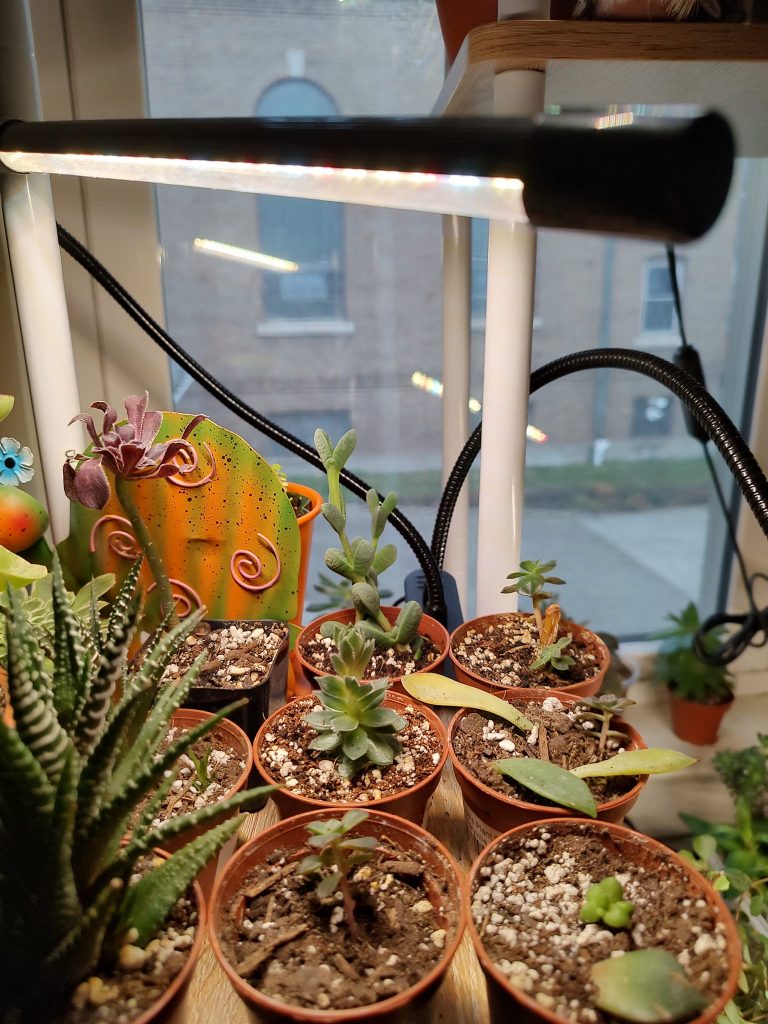
- If your home lacks natural light, LED grow lights are a game-changer. I got one for my apartment, and my succulents love the consistent, gentle light.
- I rotate my succulents every few weeks to ensure even light exposure. This prevents one side from getting too much sun.
- In hot climates like Florida or Nevada, keep an eye on heatwaves. I move my succulents away from windows during extreme heat.
Common Succulent Varieties Prone to Sunburn
Not all succulents react to the sun in the same way. Here are some popular types that I’ve noticed are more sensitive, based on my experience and online forums:
- Echeveria: These rosette-shaped beauties are prone to white and purple spots if overexposed.
- Haworthia: Their translucent leaves burn easily in direct sun.
- Aloe Vera: A favorite for its medicinal gel, aloe can develop purple stress marks.
- Sedum: Varieties like Sedum rubrotinctum (jelly bean plant) show purple hues when stressed.
If you’re growing these, keep them in bright but filtered light, especially during summer.
When to Seek Professional Help
If your succulent doesn’t improve after a month of adjusted care, it might have deeper issues like root rot or pests. I reached out to my local nursery when my plant’s leaves kept dropping despite my efforts.
They suggested repotting and checking the roots, which saved my succulent. You can find local experts through the American Horticultural Society or online forums like Reddit’s r/succulents.
My Top Tips for Plant Parents
Looking back, I’m proud of how I nursed my succulent back to health. Those white and purple spots were a wake-up call to pay closer attention to its needs. Now, it’s thriving, with new leaves popping up like little green gems.
I’ve also started a small succulent collection, each one teaching me more about light, water, and patience.
If your succulent’s white spots have turned purple, don’t stress. It’s a sign your plant is fighting to survive. Move it to indirect light, water sparingly, and give it time. You’ll be amazed at how resilient these little plants are.
In the U.S., our homes vary from humid Florida apartments to dry Arizona houses. Here’s what I’ve learned to keep succulents happy:
- Use well-draining soil: I mix cactus potting soil with perlite for extra drainage. It mimics the desert conditions succulents love.
- Choose the right pot: Terracotta pots are great for breathability, especially in humid areas like the Southeast.
- Watch for pests: Sunburn can weaken succulents, making them prone to mealybugs. I check my plants weekly and use neem oil if needed.
- Adapt to seasons: In winter, when days are shorter, I move my succulents closer to windows or use grow lights to compensate.
FAQs
I had so many questions when I first dealt with my succulent’s sunburn. Here are answers to common concerns, based on my experience and expert sources:
Q: Are the purple spots on my succulent harmful?
A: Not necessarily. Purple spots are a stress response, often from sunburn. If you adjust light and care, the plant can recover. Persistent purple may indicate ongoing stress, so monitor it.
Q: Can I reverse the white or purple spots?
A: White spots from sunburn won’t revert to green, as the tissue is damaged. Purple spots may fade with proper care, but focus on new growth for recovery.
Q: How much sun do succulents need?
A: Most succulents need 4-6 hours of bright, indirect light daily. Direct sun for short periods is okay for sun-tolerant varieties like Sempervivum.
Q: Why does my succulent look purple all over?
A: Some succulents naturally turn purple under bright light, like Echeveria ‘Perle von Nürnberg’. If the color is uneven or paired with white spots, it’s likely stress. Compare with healthy photos online.
Q: Should I fertilize my sunburned succulent?
A: Hold off on fertilizer until the plant recovers. Stress makes it harder for succulents to process nutrients. I waited a month before using a diluted cactus fertilizer.
Q: Can I propagate a sunburned succulent?
A: Yes, but use healthy leaves or cuttings. I successfully propagated my Echeveria by taking undamaged leaves and letting them callus before planting in well-draining soil.
Final Thoughts
Succulents are tough, but they need the right balance of light and care to thrive. My journey with my sunburned succulent taught me to listen to my plants and adjust their environment.
So, whether you’re in a sunny California condo or a cozy New York apartment, you can keep your succulents healthy and vibrant. Just give proper attention to their needs.

Tim M Dave is a gardening expert with a passion for houseplants, particularly cacti and succulents. With a degree in plant biology from the University of California, Berkeley, he has vast experience in gardening. Over the years, he has cultivated a vast collection of desert plants and learned a great deal about how to grow and care for these unique companions.