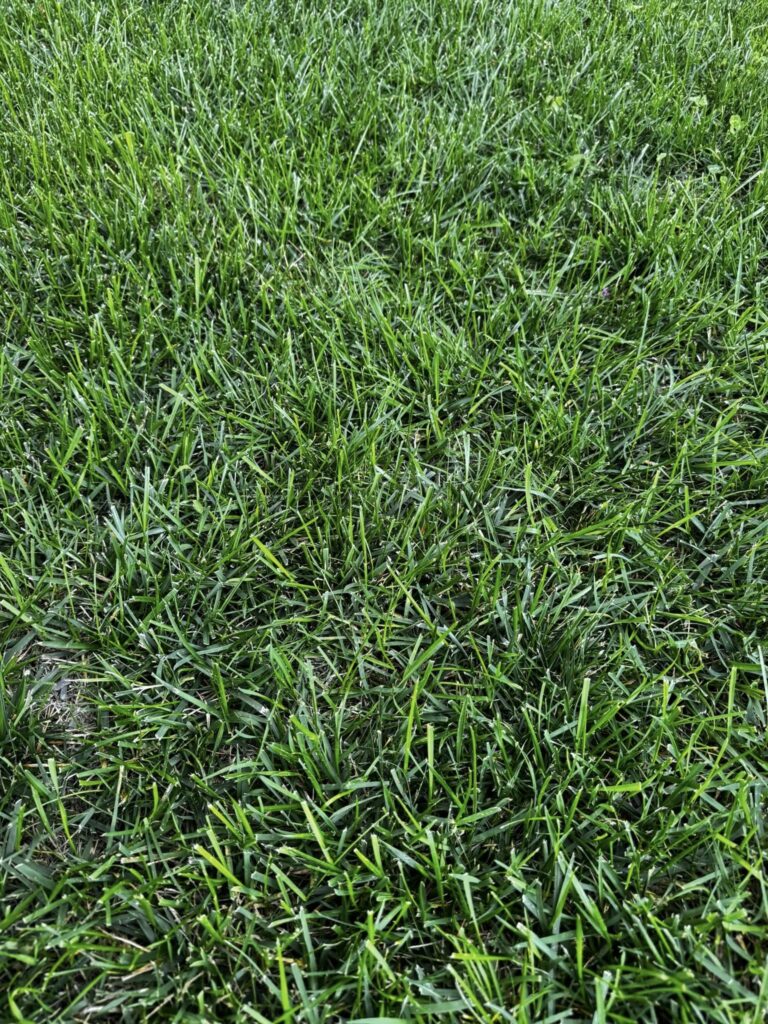
8 Reasons St Augustine Grass is Turning Yellow (And How to Fix)
St Augustine grass makes up a beautiful lawn due to its dark green color and broad leaves. However, it’s not uncommon to encounter different challenges when maintaining this grass. Many gardeners have complained about their lawn grass turning yellow.
So, why is St Augustine grass turning yellow?
St Augustine grass can turn yellow due to lack of the right nutrients, poor watering habits, pests, diseases, extreme temperatures, dog urine, and fertilizer burns.
Why is My St Augustine Grass Turning Yellow?
I have talked to different gardening experts, and they outlined the following as the main causes of grass yellowing.
1. Nitrogen Deficiency
Low levels of nitrogen in the soil can cause yellow leaves in grass. Nitrogen forms the main component of chlorophyll, which gives plants a green color. Its deficiency is common during the heavy rainfall season as nutrients may be pushed deep into the soil beyond the grass roots’ reach.
2. Iron Deficiency
Iron deficiency causes yellowing of new grass blades. In most cases, the veins remain green, often causing a striped or pale appearance.
High soil pH prevents plants from absorbing iron and other nutrients from the soil. This ends up reducing chlorophyll production. In severe cases, iron deficiency can cause stunted growth, lawn-thinning, and death of the grass due to insufficient production of sugars.
3. Over-fertilization
Over-fertilizing with synthetic fertilizers can harm your grass. Nitrogen has scorching effects on grass when applied excessively. It causes yellowing of leaves from the base, browning of grass blades on the margin, anda slow growth rate.
Generally, it is recommended to apply one pound of nitrogen fertilizer per 1,000 square feet of lawn. If you apply above these ratios, you will end up with yellow or burnt lawn grass.
4. Excess Watering
St Augustine grass thrives well in drained soil. Waterlogged areas in the lawn will cause the grass to turn yellow. Excess water in the soil can rot the roots and prevent the grass from absorbing air and nutrients. Waterlogged spots in your lawn also create a suitable breeding ground for fungal infections.
5. High Temperatures
St Augustine is a warm-season grass that can tolerate a temperature range of 80 to 100 degrees Fahrenheit (27 to 38 degrees Celsius). However, it has low tolerance to prolonged drought. High summer temperatures with inadequate water will cause grass to turn yellow.
6. Fungal Infections
Large yellow or brown spots in your lawn grass is commonly a sign of fungal infection. Rizoctonia solani is a type of fungus that causes this condition. It’s common in warm and humid weather conditions. Moist and shaded areas in the lawn are commonly affected.
7. Insect Pests
St Augustine grass is usually affected by chinch bugs. They are common when the grass has a lot of thatch. Chinch bug infestation is characterized by circles of yellow grass leaves. If not controlled, chinch bugs can cause patches of dead grass in your lawn.
8. Dog Urine
Yellow patches in your lawn may also result from dog urine. High levels of nitrogen in the urine can burn the grass. Dog urine in the lawn often appears as yellow or brown spots surrounded by a dark green ring. Stray dogs have a tendency to mark their territory with urine whenever they visit a new place.
How to Fix Yellowing St Augustine Grass
Here are some of the effective ways to fix yellowing St Augustine grass:
Fertilize your lawn appropriately
Fertilize your lawn with a nitrogen-rich fertilizer to fix yellowing. It is recommended to fertilize in spring when the grass is vigorously growing. You can also fertilize early and mid-summer. However, be sure to water in the fertilizer.
Apply iron supplements
If the issue is arising from iron deficiency, apply chelated iron solution to the grass. Lower the soil pH to allow absorption of iron and other nutrients. St Augustine grass thrives well in slightly acidic soil with a pH range of 6.0 to 6.5.
Water appropriately
Both inadequate and excess water can cause your lawn grass to turn yellow. It is recommended to water the grass once or twice a week. If the weather is cool and the rate of evaporation is low, stop watering and resume when the soil feels dry.
Mow the lawn often
Pests like chinch bugs can hide in layers of thatch in your lawn. Mow the lawn often and keep it clean to control the pests. However, be sure to use a sharp blade. Blunt mower blades can damage the grass blades and cause yellowing after mowing.
Control pests and diseases
Take action immediately as soon as you spot some signs of pests or fungal infections. Use recommended lawn pesticide or fungicides on the affected areas. With the right treatment, your grass should turn green within a month.
Aerate the soil
Aerate your lawn at least once a year, especially with clay soil, high traffic, or poor drainage. This will relieve soil compaction and promote healthy roots.
Keep away animals
You can fence your lawn to keep away pets and other animals that urinate on the grass. If you see a dog peeing on your lawn, pour plenty of water immediately on the area to help dilute the salts in the urine.
Will Yellow St Augustine Grass Turn Green?
It’s frustrating to see your St Augustine grass turn yellow, especially if you don’t know why. However, you don’t need to worry. The grass will turn green once the underlying cause is diagnosed and fixed.
Get your lawn soil tested to determine whether minerals or nutrients are part of the problem. For instance, if the soil test results show low nitrogen levels, you can use a quick-release nitrogen fertilizer to fix yellowing St Augustine grass. The grass will be able to turn green within a few weeks.
St Augustine grass thrives in slightly acidic soil. If the soil test results indicate high alkalinity, you will be required to apply sulfur to bring it within the recommended range. High alkalinity can reduce the ability of plants to absorb iron and other nutrients from the soil. Amending the soil will help the grass turn green faster.
It’s also important to inspect the plant thoroughly for symptoms of pests and diseases. Timely treatment or control of pests and diseases can help the grass turn green.
Suggested For You:
Milorganite vs Ironite: Comparisons + Which to Use on Your Lawn
How to Control Japanese Beetles in Your Lawn (Prevent Grubs)
Power Rake vs Dethatcher: Which Tool Does Your Lawn Really Need?
Beginner: How Often Should I Mow My Lawn?
When Does Bermuda Grass Turn Green? (Come out of Dormancy?)
Final Thoughts
When having St Augustine lawn grass, it’s common to experience various challenges. At some point, you will notice the yellowing of g. This problem usually results from several causes, as explained above. Diagnose the situation early and come up with a solution to save the grass from yellowing.

Tim M Dave is a gardening expert with a passion for houseplants, particularly cacti and succulents. With a degree in plant biology from the University of California, Berkeley, he has vast experience in gardening. Over the years, he has cultivated a vast collection of desert plants and learned a great deal about how to grow and care for these unique companions.