25 Snake Plant Varieties: Identification and Care Tips
Snake plants, scientifically classified under the genus Dracaena (formerly Sansevieria), are among the most popular houseplants in the United States. Known for their striking, architectural foliage, low-maintenance care, and air-purifying qualities, they’ve earned a special place in homes, offices, and gardens.
Native to tropical Africa, Madagascar, and southern Asia, snake plants come in over 70 species and countless cultivars, offering a remarkable variety of shapes, sizes, and colors. This article explores 25 popular snake plant varieties in the USA.

Different Types of Snake Plants Across the USA
Below, we explore 25 snake plant varieties that are widely loved in the USA.
1. Dracaena trifasciata ‘Laurentii’
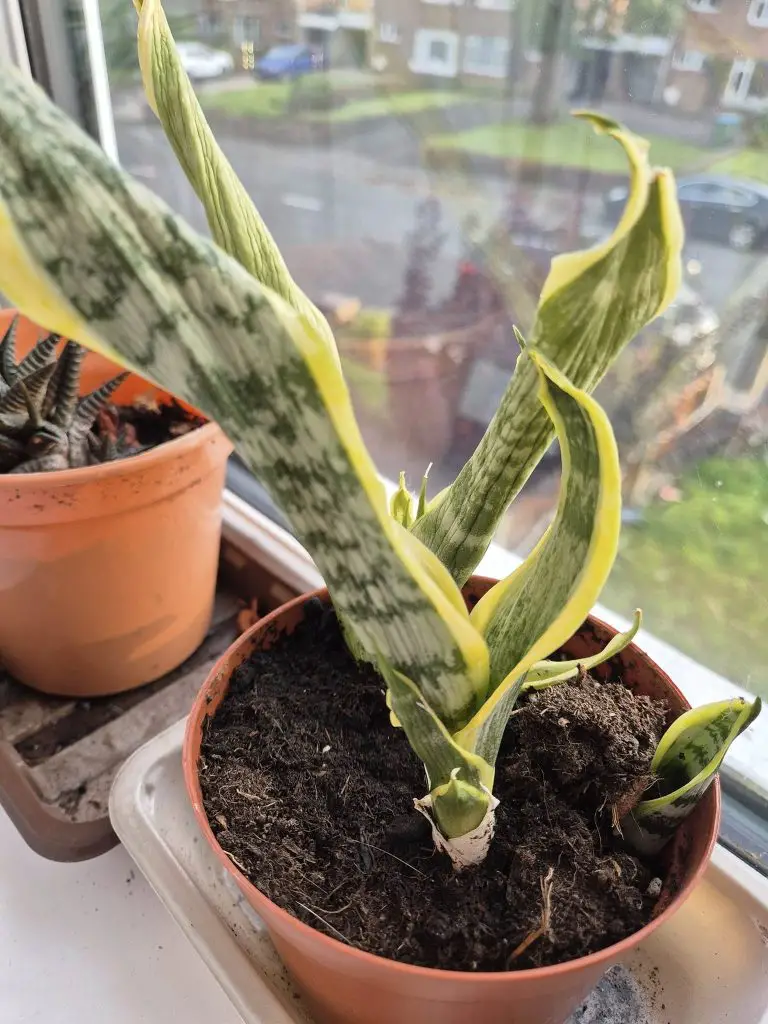
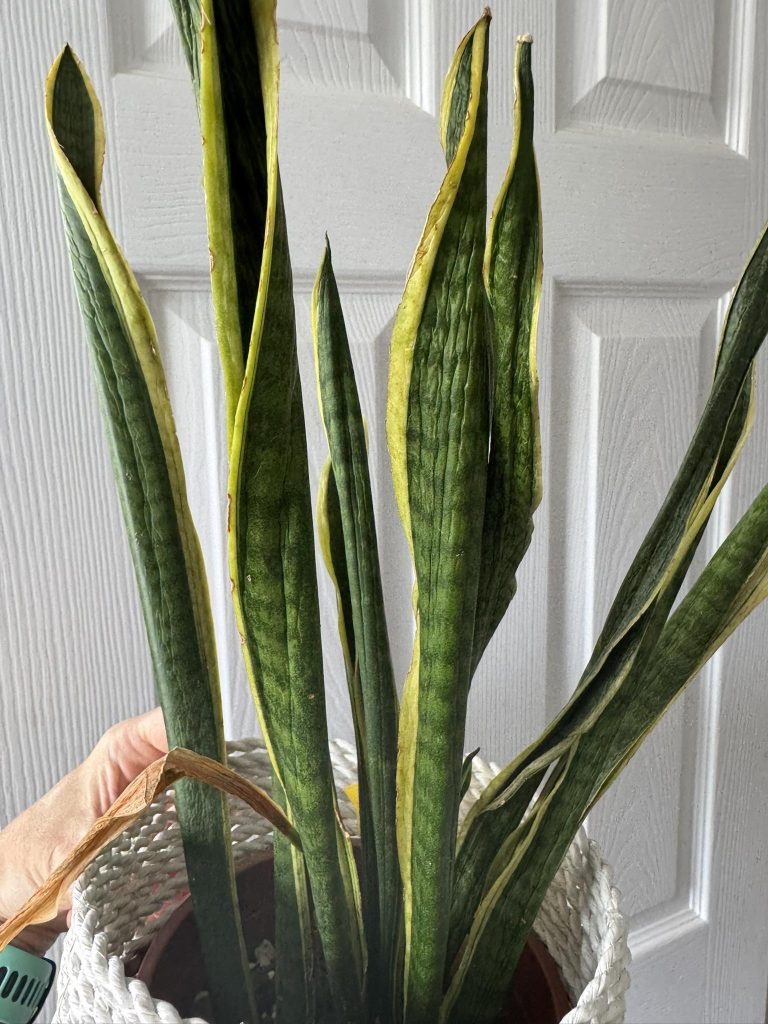
Dracaena trifasciata ‘Laurentii’ is native to tropical West Africa, from Nigeria to the Congo. Its long, rigid leaves grow from a basal rosette, forming dense clumps that spread via creeping rhizomes. The variegated yellow margins are a genetic mutation, requiring bright indirect light to maintain their vibrancy.
In low light, the yellow may fade, but the plant remains healthy. It’s drought-tolerant, storing water in its thick leaves, and can survive with watering every 2–6 weeks. Overwatering is the primary cause of issues like root rot, so use well-draining cactus soil and pots with drainage holes.
Propagation is easy via leaf cuttings or division, though variegation may not transfer through cuttings. In the USA, it’s a top seller due to its versatility and low maintenance, thriving in homes from California to New York. Outdoors, it’s grown in frost-free regions like Florida and Arizona.
- Scientific Name: Dracaena trifasciata ‘Laurentii’ (formerly Sansevieria trifasciata ‘Laurentii’)
- USDA Hardiness Zones: 10–12
- Color Variation: Dark green leaves with gray-green horizontal stripes and vibrant yellow margins
- Sun Exposure: Bright indirect light; tolerates low light
- Mature Size: 2–4 ft tall, 1–2 ft wide
- Lifespan: 5–25 years
- Toxicity: Mildly toxic to pets and humans if ingested
- Distribution: Widely available in nurseries, garden centers, and online retailers like Home Depot, Lowe’s, and Etsy across the USA
What Makes It Stand Out
This iconic cultivar, also known as Variegated Snake Plant, is a favorite in American homes. The Royal Horticultural Society awarded it the Award of Garden Merit for its beauty and resilience. Its upright, sword-like leaves make it a favorite for modern and minimalist decor. In Feng Shui, it’s often placed near entrances to ward off negative energy.
2. Dracaena trifasciata ‘Hahnii’
Discovered in 1939 by William W. Smith Jr. in New Orleans, Dracaena trifasciata ‘Hahnii’ is a dwarf cultivar of the classic snake plant. Its compact size, typically under a foot tall, makes it ideal for urban apartments and small spaces.
The leaves are shorter and broader than those of ‘Laurentii,’ with a rich green color and subtle silver-gray banding. It thrives in bright indirect light but adapts to low light, though growth slows in dim conditions.
Its water-storing leaves allow it to tolerate neglect, needing watering only when the soil is fully dry. In the USA, it’s a favorite for tabletop arrangements and terrariums, often paired with other succulents. Its compact form and hardiness make it a go-to for beginners.
- Scientific Name: Dracaena trifasciata ‘Hahnii’ (formerly Sansevieria trifasciata ‘Hahnii’)
- USDA Hardiness Zones: 10–12
- Color Variation: Dark green leaves with silver-gray horizontal stripes
- Sun Exposure: Bright indirect light; tolerates low light
- Mature Size: 6–12 in tall, 6–12 in wide
- Lifespan: 5–20 years
- Toxicity: Mildly toxic to pets and humans
- Distribution: Common in homes, offices, and plant shops nationwide, available at Walmart, Amazon, and local nurseries
What Makes It Stand Out
Known as the Bird’s Nest Snake Plant, this compact cultivar forms a rosette of short, wide leaves, making it perfect for small spaces like desks or shelves. Its dense, fan-like growth adds a sculptural element to interiors, and its air-purifying qualities make it a popular choice for bedrooms and offices.
3. Dracaena trifasciata ‘Golden Hahnii’
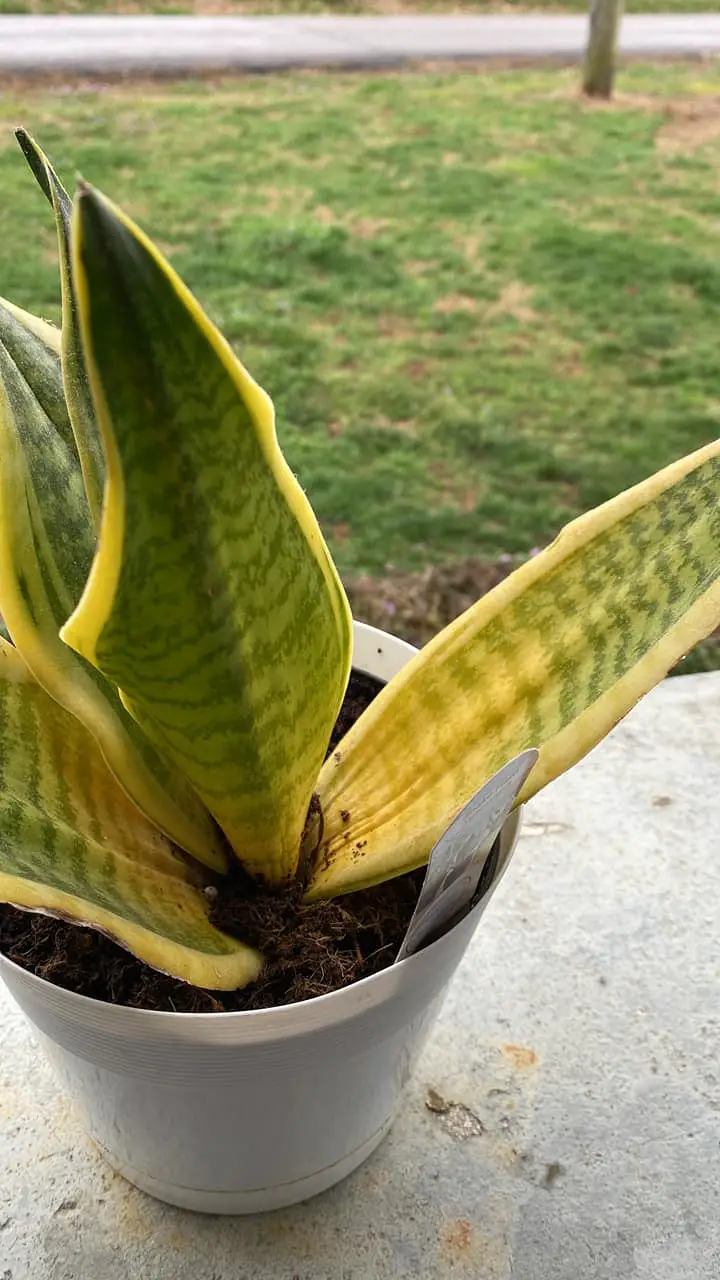
A variation of the ‘Hahnii’ cultivar, Dracaena trifasciata ‘Golden Hahnii’ features the same compact rosette but with striking yellow or white edges that contrast beautifully with its dark green center.
The variegation requires bright indirect light to maintain its intensity, as low light can cause the yellow to fade. This plant rarely exceeds 12 inches in height, making it perfect for small apartments or as part of a succulent collection.
Its water needs are minimal, and overwatering is the main risk. In the USA, it’s widely available in urban plant shops and online, often used in modern decor for its bright, cheerful appearance. It also shares the air-purifying qualities of its relatives, making it a functional and decorative choice.
- Scientific Name: Dracaena trifasciata ‘Golden Hahnii’
- USDA Hardiness Zones: 10–12
- Color Variation: Dark green leaves with creamy yellow or white margins
- Sun Exposure: Bright indirect light; tolerates low light
- Mature Size: 6–12 in tall, 6–12 in wide
- Lifespan: 5–20 years
- Toxicity: Mildly toxic to pets and humans
- Distribution: Popular in garden centers, online retailers like PlantVine, and specialty shops
What Makes It Stand Out
This dwarf cultivar’s vibrant yellow margins add a pop of color to small spaces. Its rosette form and compact size make it a favorite for windowsills and desks, and its low maintenance appeals to novice gardeners.
4. Dracaena trifasciata ‘Moonshine’
Dracaena trifasciata ‘Moonshine’ is a rare cultivar with broad, smooth leaves that shimmer in silvery-gray tones, often with faint green margins. Its color can shift to greener hues in low light, so bright indirect light is ideal to maintain its distinctive look.
Native to West Africa, it’s a slow grower, reaching 1–2 feet at maturity, and its compact size suits tabletops, shelves, or minimalist interiors. Its drought-tolerant nature means it requires watering only every 2–6 weeks, and it thrives in well-draining soil.
In the USA, it’s a favorite among collectors in cities like Los Angeles and Chicago, where its sleek appearance complements modern decor. It’s also prized for its air-purifying abilities, making it ideal for offices and homes.
- Scientific Name: Dracaena trifasciata ‘Moonshine’
- USDA Hardiness Zones: 10–12
- Color Variation: Silvery-gray leaves with a subtle sheen, sometimes with darker green margins
- Sun Exposure: Bright indirect light; tolerates low light
- Mature Size: 1–2 ft tall, 1–2 ft wide
- Lifespan: 5–25 years
- Toxicity: Mildly toxic to pets and humans
- Distribution: Increasingly popular in urban areas, specialty plant shops, and online platforms like Lively Root
What Makes It Stand Out: The pale, silvery leaves of ‘Moonshine’ give it a modern, minimalist aesthetic. Its unique sheen and soft color make it a standout in contemporary decor, and it’s highly sought after for its rare, elegant appearance.
5. Dracaena trifasciata ‘Black Coral’
Dracaena trifasciata ‘Black Coral’ is known for its intensely dark green, almost black leaves with subtle gray-green striping. The leaves are upright and rigid, growing in a rosette pattern that adds architectural flair.
This cultivar thrives in a range of light conditions, but its dark hue deepens in lower light, making it ideal for dimly lit offices or apartments. It’s highly drought-tolerant, needing minimal watering, and prefers well-draining soil to avoid root rot.
In the USA, it’s popular in urban settings and is often used as a statement piece in minimalist or industrial-style interiors. Its air-purifying qualities and hardiness make it a practical and stylish choice.
- Scientific Name: Dracaena trifasciata ‘Black Coral’
- USDA Hardiness Zones: 10–12
- Color Variation: Dark green, almost black leaves with gray-green horizontal bands
- Sun Exposure: Bright indirect light; tolerates low light
- Mature Size: 2–3 ft tall, 1–2 ft wide
- Lifespan: 5–25 years
- Toxicity: Mildly toxic to pets and humans
- Distribution: Available in nurseries, garden centers, and online retailers like Costa Farms
What Makes It Stand Out: The deep, dramatic foliage of ‘Black Coral’ adds sophistication to any space. Its dark color intensifies in low light, making it a bold choice for modern interiors.
6. Dracaena trifasciata ‘Silver Queen’
Dracaena trifasciata ‘Silver Queen’ features slender, silvery-green leaves with faint green stripes, giving it a softer, more delicate appearance than other snake plants. Its compact growth makes it suitable for small spaces, and its silvery foliage pairs well with modern or Scandinavian-style interiors.
It thrives in bright indirect light but adapts to low light, though its color may dull slightly. Watering is minimal, with the soil needing to dry out completely between sessions. In the USA, it’s widely available in garden centers and online, often used in offices for its air-purifying qualities. Its elegant look and easy care make it a versatile choice.
- Scientific Name: Dracaena trifasciata ‘Silver Queen’
- USDA Hardiness Zones: 10–12
- Color Variation: Silvery-green leaves with subtle green striping
- Sun Exposure: Bright indirect light; tolerates low light
- Mature Size: 1–2 ft tall, 1–2 ft wide
- Lifespan: 5–20 years
- Toxicity: Mildly toxic to pets and humans
- Distribution: Common in homes, plant stores, and online retailers nationwide
What Makes It Stand Out: Its silver hues and compact size make it a favorite for air purification and modern decor. It’s less common than ‘Laurentii’ but equally striking.
7. Dracaena trifasciata ‘Black Robusta’
Dracaena trifasciata ‘Black Robusta’ is a sturdy cultivar with thick, dark green leaves mottled with silver-gray patterns. Its upright, sword-like foliage adds a bold, architectural element to interiors. It’s highly adaptable, thriving in low to bright indirect light, with its dark color becoming more pronounced in dim conditions.
Watering is minimal, and overwatering should be avoided to prevent root rot. In the USA, it’s popular in homes and offices for its striking appearance and air-purifying qualities. Its resilience makes it a favorite for those seeking a low-maintenance, high-impact plant.
- Scientific Name: Dracaena trifasciata ‘Black Robusta’
- USDA Hardiness Zones: 10–12
- Color Variation: Very dark green leaves with silver-gray patterns
- Sun Exposure: Bright indirect light; tolerates low light
- Mature Size: 2–3 ft tall, 1–2 ft wide
- Lifespan: 5–25 years
- Toxicity: Mildly toxic to pets and humans
- Distribution: Found in garden centers, online retailers, and specialty nurseries
What Makes It Stand Out: Its robust growth and dark, waxy leaves make it a dramatic focal point. It thrives with minimal care, ideal for busy plant owners.
8. Dracaena trifasciata ‘Golden Flame’
Dracaena trifasciata ‘Golden Flame’ features gray-green leaves with vibrant yellow-gold variegation that fades to dark green as the plant matures. Its compact size and unique coloration make it ideal for tabletops or shelves in modern interiors.
Bright indirect light enhances the yellow patterns, while low light may dull them. It’s drought-tolerant, requiring watering only when the soil is dry. In the USA, it’s gaining popularity among collectors for its striking appearance and easy care. Its air-purifying qualities and compact growth make it a practical choice for small spaces.
- Scientific Name: Dracaena trifasciata ‘Golden Flame’
- USDA Hardiness Zones: 10–12
- Color Variation: Gray-green leaves with yellow-gold patterns
- Sun Exposure: Bright indirect light; tolerates low light
- Mature Size: 1–2 ft tall, 1–2 ft wide
- Lifespan: 5–20 years
- Toxicity: Mildly toxic to pets and humans
- Distribution: Available in specialty plant shops and online platforms like Costa Farms
What Makes It Stand Out: The fiery yellow patterns resemble sparks, adding vibrancy to small spaces. Its compact size and bold coloration make it a standout.
9. Dracaena angolensis (Cylindrica)
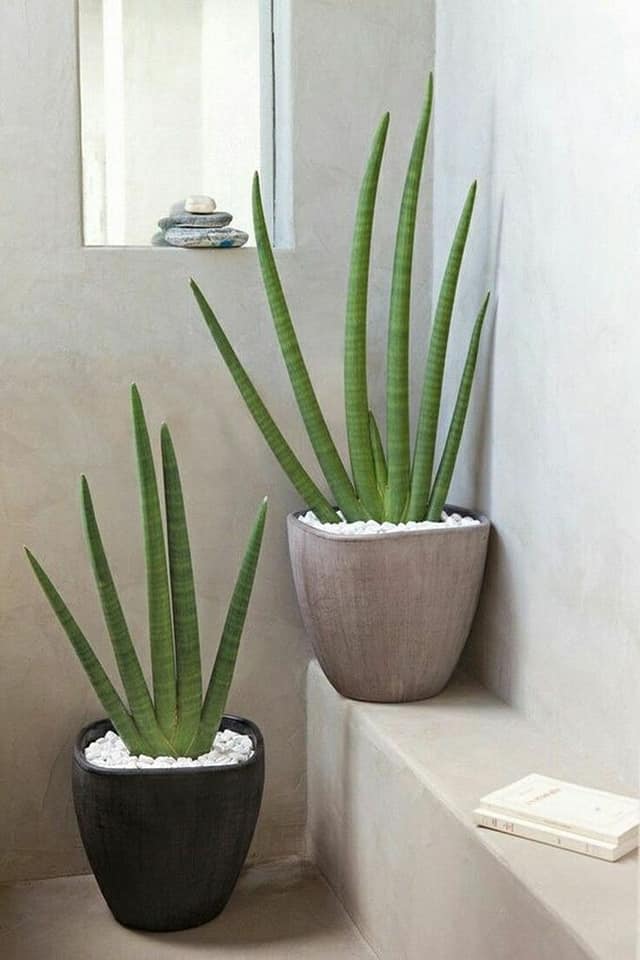
Native to Angola, Dracaena angolensis is known as the Cylindrical Snake Plant or African Spear. Its long, round leaves grow in a fan-like pattern, often braided or arranged in starfish-like forms for decorative purposes. The leaves are dark green with gray-green bands, adding texture and visual interest.
It thrives in bright indirect light but tolerates low light, though growth slows. Watering is minimal, with the soil needing to dry out completely. In the USA, it’s popular in modern homes and offices, often used in landscaping in warm climates like Florida. Its cultural significance includes historical use of its fibers for bowstrings.
- Scientific Name: Dracaena angolensis (formerly Sansevieria cylindrica)
- USDA Hardiness Zones: 9–12
- Color Variation: Cylindrical, dark green leaves with gray-green bands
- Sun Exposure: Bright indirect light; tolerates low light
- Mature Size: 2–3 ft tall, 1–2 ft wide
- Lifespan: 5–25 years
- Toxicity: Mildly toxic to pets and humans
- Distribution: Popular in nurseries, home decor stores, and online retailers like PlantVine
What Makes It Stand Out: Its round, tubular leaves create a unique, modern look. Often braided for aesthetic appeal, it’s a conversation starter in any setting.
10. Dracaena bacularis
Dracaena bacularis features thin, cylindrical leaves that grow upright from a single stem, giving it a punk-inspired, minimalist look. The leaves are dark green with subtle striping, and their slender form makes them ideal for modern decor. It’s adaptable to various light conditions, though bright indirect light promotes faster growth.
Watering is minimal, and well-draining soil is essential to prevent root rot. In the USA, it’s a favorite among plant collectors in urban areas, often paired with mid-century modern pots for a stylish effect. Its air-purifying qualities and unique form make it a standout.
- Scientific Name: Dracaena bacularis (formerly Sansevieria bacularis)
- USDA Hardiness Zones: 9–12
- Color Variation: Thin, cylindrical, dark green leaves
- Sun Exposure: Bright indirect light; tolerates low light
- Mature Size: 2–3 ft tall, 1–2 ft wide
- Lifespan: 5–25 years
- Toxicity: Mildly toxic to pets and humans
- Distribution: Found in specialty nurseries and online retailers like Etsy
What Makes It Stand Out: Its slender, pointed leaves resemble spikes, offering a sleek, modern vibe. It’s less common but highly sought after by collectors.
11. Dracaena masoniana (Whale Fin)
Dracaena masoniana, commonly called the Whale Fin Snake Plant, is a dramatic species with broad, paddle-like leaves that grow singly or in pairs. The leaves are dark green with light green mottling, resembling a whale’s fin. It’s a slow grower, reaching up to 4 feet tall, and its unique form makes it a focal point in large rooms.
It thrives in bright indirect light but tolerates low light, with minimal watering needs. In the USA, it’s popular among collectors in cities like San Francisco and Miami, often used in spacious, modern interiors. Its air-purifying qualities and striking appearance make it a prized addition.
- Scientific Name: Dracaena masoniana (formerly Sansevieria masoniana)
- USDA Hardiness Zones: 10–12
- Color Variation: Broad, dark green leaves with light green mottling
- Sun Exposure: Bright indirect light; tolerates low light
- Mature Size: 3–4 ft tall, 10 in wide
- Lifespan: 5–25 years
- Toxicity: Mildly toxic to pets and humans
- Distribution: Popular in urban plant shops, online retailers, and collector’s markets
What Makes It Stand Out: Its paddle-shaped, single-leaf growth is bold and sculptural, perfect for statement pieces in large spaces.
12. Dracaena trifasciata ‘Futura Robusta’
Dracaena trifasciata ‘Futura Robusta’ is a semi-compact cultivar with matte, gray-green leaves mottled with dark green blotches. Its twisted, slightly wavy leaves give it a dynamic, textured look. It’s smaller than many snake plants, making it perfect for shelves or desks.
Bright indirect light enhances its variegation, but it adapts to low light. Watering is minimal, and well-draining soil is crucial. In the USA, it’s widely available and popular for its unique texture and air-purifying qualities, often used in modern or eclectic interiors.
- Scientific Name: Dracaena trifasciata ‘Futura Robusta’
- USDA Hardiness Zones: 10–12
- Color Variation: Gray-green leaves with striped patterns
- Sun Exposure: Bright indirect light; tolerates low light
- Mature Size: 1–2 ft tall, 1–2 ft wide
- Lifespan: 5–20 years
- Toxicity: Mildly toxic to pets and humans
- Distribution: Common in home decor stores and online retailers like Costa Farms
- What Makes It Stand Out: Its twisted, compact leaves add a playful texture, ideal for air purification in bedrooms or small spaces.
13. Dracaena trifasciata ‘Whitney’
Dracaena trifasciata ‘Whitney’ is a dwarf cultivar with short, wide leaves arranged in a rosette. Its deep green leaves are edged with white-green variegation, creating a bold, elegant look. It’s ideal for small spaces like windowsills or desks, growing to about 1–2 feet tall.
Bright indirect light enhances its variegation, but it tolerates low light. Watering is minimal, and overwatering should be avoided. In the USA, it’s a favorite among collectors for its compact size and unique pattern, often used in modern or bohemian decor.
- Scientific Name: Dracaena trifasciata ‘Whitney’
- USDA Hardiness Zones: 10–12
- Color Variation: Deep green leaves with white-green variegation on margins
- Sun Exposure: Bright indirect light; tolerates low light
- Mature Size: 1–2 ft tall, 4–6 in wide
- Lifespan: 5–20 years
- Toxicity: Mildly toxic to pets and humans
- Distribution: Available in specialty plant shops and online platforms like Lively Root
What Makes It Stand Out: Its unique variegation pattern, with green centers and striped edges, creates a striking contrast, perfect for small spaces.
14. Dracaena parva (Kenya Hyacinth)
Dracaena parva, known as Kenya Hyacinth, is native to East Africa and features narrow, banded dark green leaves that may develop yellow-white stripes in some cultivars. It produces fragrant, white flowers under optimal conditions, a rare trait among snake plants.
Its compact size and soft appearance make it ideal for shelves or mixed plant arrangements. It thrives in bright indirect light but adapts to low light, with minimal watering needs. In the USA, it’s less common but prized by collectors for its flowers and delicate foliage, often used in tropical or bohemian decor.
- Scientific Name: Dracaena parva (formerly Sansevieria parva)
- USDA Hardiness Zones: 10–12
- Color Variation: Bright green with pale green bands when young, solid green when mature
- Sun Exposure: Bright indirect light; tolerates low light
- Mature Size: 1–2 ft tall, 1–2 ft wide
- Lifespan: 5–20 years
- Toxicity: Mildly toxic to pets and humans
- Distribution: Found in nurseries and online retailers like PlantVine
What Makes It Stand Out: Its fragrant flowers and variegated cultivar with yellow-white stripes make it a rare gem, adding a soft, delicate look.
15. Dracaena ballyi (Dwarf Snake Plant)
Dracaena ballyi is a dwarf species with short, narrow leaves arranged in a rosette, giving it a compact, star-like appearance. Its variegated green leaves are subtle yet charming, making it ideal for small spaces or terrariums.
This variety thrives in bright indirect light but tolerates low light, with minimal watering needs. In the USA, it’s popular among urban gardeners and collectors, often used in miniature plant arrangements. Its small size and hardiness make it a low-maintenance choice for beginners.
- Scientific Name: Dracaena ballyi (formerly Sansevieria ballyi)
- USDA Hardiness Zones: 10–12
- Color Variation: Narrow, variegated green leaves
- Sun Exposure: Bright indirect light; tolerates low light
- Mature Size: 4–6 in tall, 6–12 in wide
- Lifespan: 5–20 years
- Toxicity: Mildly toxic to pets and humans
- Distribution: Popular in small-space gardening, available online and in specialty nurseries
What Makes It Stand Out: Its tiny size and rosette form make it perfect for desks, terrariums, or small apartments.
16. Dracaena pethera (Star Sansevieria)
Dracaena pethera, or Star Sansevieria, features bright green leaves that turn bluish-green with light green bands as they mature. Its leaves droop slightly, giving it a relaxed, informal appearance compared to upright snake plants.
It thrives in bright indirect light but adapts to low light, with minimal watering needs. In the USA, it’s less common but valued by collectors for its unique growth habit and soft color palette, often used in eclectic or bohemian interiors.
- Scientific Name: Dracaena pethera (formerly Sansevieria pethera)
- USDA Hardiness Zones: 10–12
- Color Variation: Bright green turning bluish-green with light green bands
- Sun Exposure: Bright indirect light; tolerates low light
- Mature Size: 1–2 ft tall, 1–2 ft wide
- Lifespan: 5–20 years
- Toxicity: Mildly toxic to pets and humans
- Distribution: Available in specialty nurseries and online
What Makes It Stand Out: Its drooping, heavy leaves create a relaxed, informal look as it matures, ideal for casual decor.
17. Dracaena patens
Dracaena patens features cylindrical, dark green to bluish-green leaves with deep vertical grooves, giving it a textured, almost reptilian appearance. The leaves arch outward, creating a dynamic, wild look. It thrives in bright indirect light but tolerates low light, with minimal watering needs.
In the USA, it’s a rare find, popular among collectors for its unique form and texture. It’s often used as a statement piece in modern or eclectic decor, adding a touch of the exotic.
- Scientific Name: Dracaena patens (formerly Sansevieria patens)
- USDA Hardiness Zones: 10–12
- Color Variation: Dark green to bluish-green with deep grooves
- Sun Exposure: Bright indirect light; tolerates low light
- Mature Size: 2–3 ft tall, 1–2 ft wide
- Lifespan: 5–25 years
- Toxicity: Mildly toxic to pets and humans
- Distribution: Found in collector’s markets and online retailers like Etsy
- What Makes It Stand Out: Its arching, cylindrical leaves resemble writhing snakes, adding a wild, dynamic aesthetic.
18. Dracaena hanningtonii (Sword Sansevieria)
Dracaena hanningtonii, known as Sword Sansevieria, features thick, blue-green leaves with a fibrous texture and pointed tips. Its slow growth and large size make it a striking floor plant for spacious interiors. It thrives in bright indirect light but adapts to low light, with minimal watering needs.
In the USA, it’s rare but highly valued by collectors for its robust, sword-like foliage, often used in tropical or industrial-style decor. Its historical use for bowstring fibers adds cultural intrigue.
- Scientific Name: Dracaena hanningtonii (formerly Sansevieria hanningtonii)
- USDA Hardiness Zones: 10–12
- Color Variation: Thick, blue-green leaves
- Sun Exposure: Bright indirect light; tolerates low light
- Mature Size: 3–4 ft tall, 1–2 ft wide
- Lifespan: 5–25 years
- Toxicity: Mildly toxic to pets and humans
- Distribution: Rare, found in specialty nurseries and collector’s markets
What Makes It Stand Out: Its fibrous, pointy leaves and slow growth make it a unique, large-scale specimen for collectors.
19. Dracaena pinguicula (Walking Sansevieria)
Dracaena pinguicula, known as Walking Sansevieria, is a rare species with thick, stubby leaves that spread outward, resembling an agave or starfish. Its unique growth habit and compact size make it a collector’s favorite. It thrives in bright indirect light but tolerates low light, with minimal watering needs.
In the USA, it’s primarily found in collector’s markets and online, often used in modern or desert-themed decor. Its unusual form and hardiness make it a standout for plant enthusiasts.
- Scientific Name: Dracaena pinguicula (formerly Sansevieria pinguicula)
- USDA Hardiness Zones: 10–12
- Color Variation: Thick, stubby, green leaves resembling agave
- Sun Exposure: Bright indirect light; tolerates low light
- Mature Size: 1–2 ft tall, 1–2 ft wide
- Lifespan: 5–20 years
- Toxicity: Mildly toxic to pets and humans
- Distribution: Rare, available through collectors and specialty online retailers
What Makes It Stand Out: Its unique, stubby leaves spread like a starfish, creating a striking, agave-like appearance.
20. Dracaena stuckyi
Dracaena stuckyi features long, cylindrical, pale green leaves with vertical channels, giving it a textured, dynamic appearance. As it matures, the leaves change color and shape, adding visual interest. It’s one of the taller snake plants, reaching up to 6 feet, making it ideal for floor displays.
It thrives in bright indirect light but tolerates low light, with minimal watering needs. In the USA, it’s popular among collectors for its unique growth and is often used in large, modern interiors.
- Scientific Name: Dracaena stuckyi (formerly Sansevieria stuckyi)
- USDA Hardiness Zones: 10–12
- Color Variation: Pale green, cylindrical leaves with vertical channels
- Sun Exposure: Bright indirect light; tolerates low light
- Mature Size: 3–6 ft tall, 1–2 ft wide
- Lifespan: 5–25 years
- Toxicity: Mildly toxic to pets and humans
- Distribution: Found in specialty plant shops and online retailers
What Makes It Stand Out: Its tall, thin leaves change shape and color as it matures, making it a dynamic floor plant.
21. Dracaena gracilis
Dracaena gracilis features narrow, green leaves with subtle striping, giving it a softer, more delicate appearance than most snake plants. Its compact size and graceful foliage make it ideal for shelves or mixed plant arrangements.
It thrives in bright indirect light but adapts to low light, with minimal watering needs. In the USA, it’s popular in urban settings for its understated elegance, often used in bohemian or minimalist decor. Its air-purifying qualities add to its appeal.
- Scientific Name: Dracaena gracilis (formerly Sansevieria gracilis)
- USDA Hardiness Zones: 10–12
- Color Variation: Narrow, green leaves with subtle striping
- Sun Exposure: Bright indirect light; tolerates low light
- Mature Size: 1–2 ft tall, 1–2 ft wide
- Lifespan: 5–20 years
- Toxicity: Mildly toxic to pets and humans
- Distribution: Available in nurseries and online retailers like PlantVine
What Makes It Stand Out: Its delicate, slender leaves offer a softer look compared to other snake plants, ideal for subtle decor.
22. Dracaena cleopatra
Dracaena cleopatra features short, wavy-edged leaves with vertical dark and light green stripes, creating a striking, elegant pattern. Its compact size makes it ideal for desks or shelves, and its unique foliage adds a touch of sophistication.
It thrives in bright indirect light but tolerates low light, with minimal watering needs. In the USA, it’s a rare find, popular among collectors for its intricate patterns and low maintenance. It’s often used in modern or tropical decor.
- Scientific Name: Dracaena cleopatra (formerly Sansevieria cleopatra)
- USDA Hardiness Zones: 10–12
- Color Variation: Short leaves with dark and light green vertical stripes
- Sun Exposure: Bright indirect light; tolerates low light
- Mature Size: 1–2 ft tall, 1–2 ft wide
- Lifespan: 5–20 years
- Toxicity: Mildly toxic to pets and humans
- Distribution: Found in specialty plant markets and online
What Makes It Stand Out: Its wavy-edged leaves and intricate patterns add elegance to small spaces, perfect for collectors.
23. Dracaena roxburghiana
Dracaena roxburghiana features blade-shaped leaves with vibrant, stripy variegation, giving it a textured, dynamic appearance. Its compact size and unique foliage make it ideal for small spaces or mixed plant displays.
It thrives in bright indirect light but adapts to low light, with minimal watering needs. In the USA, it’s rare but valued by collectors for its resemblance to D. trifasciata with a distinct texture. It’s often used in eclectic or tropical decor.
- Scientific Name: Dracaena roxburghiana (formerly Sansevieria roxburghiana)
- USDA Hardiness Zones: 10–12
- Color Variation: Blade-shaped leaves with stripy variegation
- Sun Exposure: Bright indirect light; tolerates low light
- Mature Size: 1–2 ft tall, 1–2 ft wide
- Lifespan: 5–20 years
- Toxicity: Mildly toxic to pets and humans
- Distribution: Less common, available through collectors and online retailers
What Makes It Stand Out: Its vibrant variegation and blade-shaped leaves resemble D. trifasciata but with a unique texture.
24. Dracaena francisii
Dracaena francisii features short, cylindrical leaves with grayish-green bands, arranged in a branching rosette. Its compact, textured appearance makes it ideal for shelves or terrariums. It thrives in bright indirect light but tolerates low light, with minimal watering needs.
In the USA, it’s popular among collectors for its unique growth habit and is often used in modern or minimalist decor. Its air-purifying qualities and compact size make it a versatile choice.
- Scientific Name: Dracaena francisii (formerly Sansevieria francisii)
- USDA Hardiness Zones: 10–12
- Color Variation: Short, cylindrical, green leaves with grayish-green bands
- Sun Exposure: Bright indirect light; tolerates low light
- Mature Size: 1–2 ft tall, 1–2 ft wide
- Lifespan: 5–20 years
- Toxicity: Mildly toxic to pets and humans
- Distribution: Available in specialty nurseries and online
What Makes It Stand Out: Its branching, cylindrical leaves create a compact, textured look, ideal for small spaces.
25. Dracaena canaliculata
Dracaena canaliculata features thin, cylindrical leaves that grow individually, giving it a playful, spaghetti-like appearance. Its dark green to grayish-green foliage has subtle grooves, adding texture. It thrives in bright indirect light but tolerates low light, with minimal watering needs.
In the USA, it’s a rare find, popular among collectors for its unique form and is often used in modern or eclectic decor. Its air-purifying qualities and dynamic growth adds to its unique characteristics.
- Scientific Name: Dracaena canaliculata (formerly Sansevieria canaliculata)
- USDA Hardiness Zones: 10–12
- Color Variation: Thin, cylindrical, dark green to grayish-green leaves
- Sun Exposure: Bright indirect light; tolerates low light
- Mature Size: 2–3 ft tall, 1–2 ft wide
- Lifespan: 5–25 years
- Toxicity: Mildly toxic to pets and humans
- Distribution: Found in collector’s markets and online retailers like Etsy
What Makes It Stand Out: Its spaghetti-like leaves add a playful, architectural vibe to modern spaces, perfect for collectors.
Why Snake Plants Are a Top Choice
Snake plants are celebrated for their durability and versatility. They thrive in a wide range of conditions, from low light to bright indirect sunlight, and require minimal watering, making them ideal for beginners and busy plant owners.
According to NASA’s Clean Air Study, snake plants filter toxins like formaldehyde, benzene, and xylene, improving indoor air quality.
Their upright, sword-like leaves add a modern, sculptural aesthetic to any space, and their cultural significance in Feng Shui—believed to bring luck, protection, and positive energy—enhances their appeal.
Snake plants are long-lived, often surviving 5–25 years with proper care. However, all varieties are mildly toxic to pets and humans if ingested, containing saponins that can cause nausea, vomiting, or diarrhea. Keep them out of reach of cats, dogs, and children.
Distribution of Snake Plants in the USA
Snake plants are primarily grown as houseplants in the USA due to their preference for USDA Hardiness Zones 9–12. In warm states like Florida, California, Texas, and Arizona, they can be grown outdoors year-round in frost-free climates, often used in xeriscaping or rock gardens.
In colder regions, such as the Northeast, Midwest, or Pacific Northwest, they thrive indoors in homes, offices, and public spaces. Major retailers like Home Depot, Lowe’s, Walmart, and Costco stock popular varieties like ‘Laurentii,’ ‘Hahnii,’ and ‘Moonshine.’
Specialty nurseries and online platforms like Etsy, Amazon, PlantVine, and Lively Root offer rarer cultivars like ‘Whitney,’ ‘Pinguicula,’ or ‘Bacularis.’ Urban plant shops in cities like New York, Los Angeles, Chicago, and Miami cater to collectors seeking unique varieties.
Social media platforms like Instagram and Facebook plant groups also facilitate the trade of rare snake plants among enthusiasts.
Important Care Tips for Snake Plants
To ensure your snake plant thrives, follow these detailed care guidelines:
- Light: Place in bright, indirect light for optimal growth and vibrant variegation. Most varieties tolerate low light, but growth slows, and colors may fade. Avoid prolonged direct sunlight to prevent leaf scorching.
- Watering: Water every 2–6 weeks, allowing the soil to dry completely between sessions. Overwatering is the leading cause of root rot. Use pots with drainage holes and check soil moisture with a finger or moisture meter.
- Soil: Use a well-draining cactus or succulent potting mix, ideally with perlite or coarse sand for aeration. Rosy Soil’s snake plant mix is a popular choice.
- Temperature: Maintain temperatures between 60°F–85°F. Avoid temperatures below 50°F, as cold drafts can damage leaves.
- Humidity: Snake plants tolerate average home humidity and dry air, making them ideal for heated homes in winter.
- Fertilizer: Feed once a year in spring with a diluted, balanced NPK fertilizer such as 5-10-5. Overfertilizing can cause leaf burn.
- Propagation: Propagate via leaf cuttings, division, or rhizome splitting. For leaf cuttings, cut a healthy leaf into 2–3 inch sections, let them callous for a day, and root in water or soil. Division is faster for variegated cultivars.
- Repotting: Repot every 3–5 years when root-bound, using a pot with drainage holes. Refresh soil to maintain drainage.
- Pests and Diseases: Watch for pests like mealybugs, spider mites, or scales. Treat with neem oil or insecticidal soap. Root rot from overwatering is the most common issue; ensure proper drainage.
- Cleaning: Wipe leaves with a damp cloth to remove dust and enhance their shine, especially for varieties like ‘Moonshine’ or ‘Laurentii.’
Cultural and Historical Significance
Snake plants have a rich history and cultural significance. Native to Africa, their fibrous leaves were historically used to make bowstrings, earning the name Viper’s Bowstring Hemp.
In Brazil, Dracaena trifasciata is called “Espada de São Jorge” (Sword of Saint George) and is grown outside homes to ward off evil in Afro-Brazilian traditions like Umbanda, where it represents the orisha Ogum.
Yellow-edged varieties are associated with Iansã, the orisha of weather. In Feng Shui, snake plants are placed in the southeast corner of homes to attract prosperity and positive energy. Their air-purifying qualities, documented by NASA, make them a functional addition to modern homes.
Suggested For You:
Are Snake Plants Toxic to Dogs? What Dog Owners Need to Know
6 Surprising Benefits of Snake Plant in Your Bedroom
Understanding Cylindrical Snake Plant: Basic Care Requirements
Overwatered Snake Plant: Signs, Fixes, and Prevention Tips
Explained: Why Are My Snake Plant Leaves Curling?
Explained: Why Are My Snake Plant Leaves Turning Yellow?
Why Snake Plants Are a Must-Have
Snake plants combine beauty, resilience, and functionality. Their air-purifying abilities, low maintenance, and long lifespan make them ideal for busy lifestyles. From the towering ‘Laurentii’ to the compact ‘Hahnii,’ there’s a variety for every aesthetic and space.
Their cultural significance adds depth, and their adaptability to various light conditions ensures they thrive in diverse environments. Despite their mild toxicity, proper placement keeps them safe for homes with pets or children.
References
- Planet Desert. (2025). Snake Plants Sansevieria ‘Care & Growing Guide’ https://planetdesert.com/blogs/news/snake-plants-sansevieria-care-growing-guide
- New York Botanical Garden. (2025). Snake Plant (Dracaena) – Research Guides https://libguides.nybg.org/snakeplant
- Healthline. (2025). Snake Plant: Benefits, Types, Cautions, and How to Grow https://www.healthline.com/health/snake-plant-benefits
- Wikipedia. (2005). Dracaena trifasciata https://en.wikipedia.org/wiki/Dracaena_trifasciata

Tim M Dave is a gardening expert with a passion for houseplants, particularly cacti and succulents. With a degree in plant biology from the University of California, Berkeley, he has vast experience in gardening. Over the years, he has cultivated a vast collection of desert plants and learned a great deal about how to grow and care for these unique companions.