Why Is My Snake Plant Struggling? Common Problems and Fixes
Snake plants are a favorite for a reason. They’re nearly indestructible, tolerate low light, and require minimal care. According to the NASA Clean Air Study, snake plants can remove toxins like formaldehyde from the air, making them perfect for bedrooms or offices.
They are also super trendy, fitting into modern, minimalist decor across U.S. homes from New York apartments to California bungalows.
But even these tough plants can run into trouble. I’ve had my fair share of snake plant woes, from soggy roots to mysterious brown tips. Below, I’ll cover the top issues, their causes, and practical solutions.
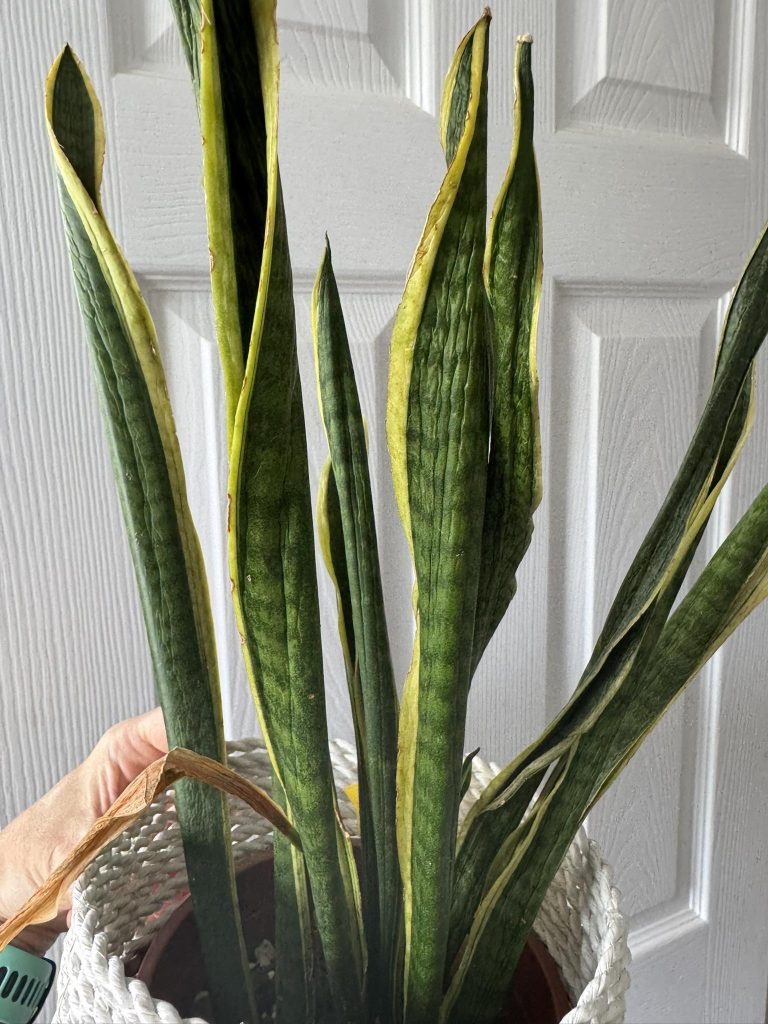
Common Snake Plant Problems and How to Fix Them
Here are the main culprits for your struggling snake plant:
1. Overwatering: The silent snake plant killer
I learned this the hard way: Overwatering is the number one reason snake plants die. These plants are succulents, meaning they store water in their thick leaves. Too much water leads to root rot, a common issue in humid American climates like Florida or Louisiana.
Symptoms
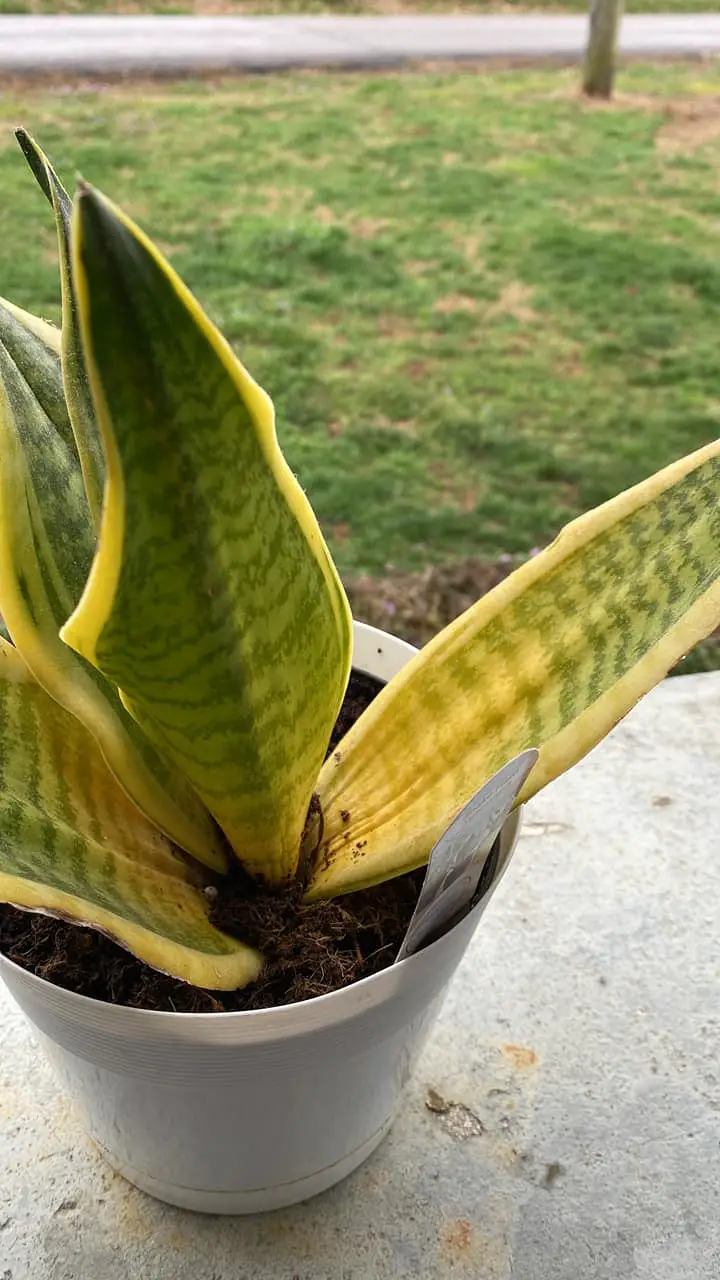
- Yellow, mushy leaves
- Soft, soggy base
- Foul smell from the soil
Fix it
- Stick your finger an inch into the soil. If it’s wet, hold off watering. Snake plants only need water every 2–4 weeks, depending on your home’s humidity.
- If the roots are mushy, remove the plant, cut away rotten roots, and repot in fresh, well-draining soil. I use a cactus or succulent mix.
- In winter, when indoor heating dries out homes in places like Chicago or Denver, water even less—once a month is often enough.
Pro Tip: Use a pot with drainage holes. I switched to terracotta pots, which help wick away excess moisture.
2. Underwatering: Yes, it’s possible!
I thought snake plants could survive anything, but underwatering can stress them out, especially in dry climates like Arizona or Nevada.
Symptoms
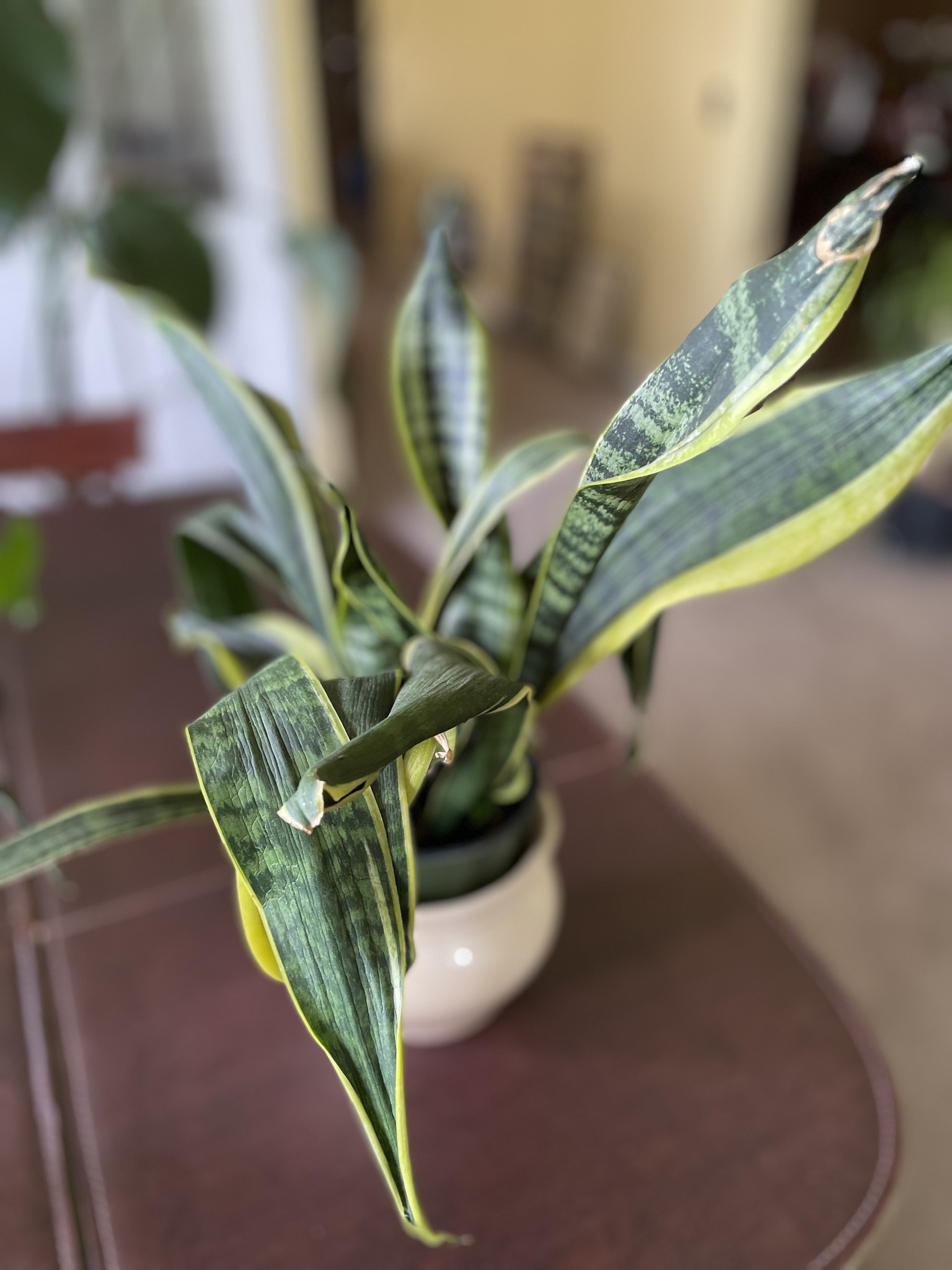
- Wrinkled, drooping leaves
- Dry, brittle leaf tips
- Slow growth
Fix it
- Give the soil a good soak until water runs out the drainage holes, then let it dry out completely before watering again.
- If your home has low humidity (common in heated or air-conditioned spaces), mist the leaves occasionally or place a humidifier nearby. I got a budget-friendly one from Amazon.
- Set a reminder to check the soil every couple of weeks.
Pro Tip: If your snake plant is severely dehydrated, soak the pot in a tray of water for 20 minutes to rehydrate the roots.
3. Poor lighting: Too much or too little
Snake plants are adaptable, but they’re not invincible. I’ve seen mine struggle when I placed it in a dark corner of my Seattle apartment, where sunlight is already scarce. They also hate direct sun, which can scorch their leaves in sunny states like Texas or California.
Symptoms
- Pale, stretched leaves (too little light)
- Brown, crispy leaf tips (too much direct sun)
- Faded variegation
Fix it
- Snake plants thrive in indirect, bright light. A north- or east-facing window is ideal. If you’re in a low-light home, try a grow light. I use a full-spectrum LED grow light for my plants during gloomy winters.
- Rotate the plant. Turn it every few weeks to ensure even light exposure.
- Avoid direct sun. If your plant is near a south-facing window, move it a few feet back or use a sheer curtain to filter the light.
Pro Tip: If your snake plant’s leaves are leaning, it’s likely reaching for light. Move it closer to a window or supplement with artificial light.
4. Root rot: A sneaky threat
Root rot often stems from overwatering, but can also happen if the pot lacks drainage or the soil is too dense. My friend lost a snake plant to this in her humid Atlanta apartment before she knew better.
Symptoms
- Wilting or yellowing leaves
- Black, mushy roots
- The plant wobbles in the pot
Fix it
- Inspect the roots: Gently remove the plant from its pot. Healthy roots are firm and white; rotten ones are black and slimy.
- Trim and repot: Cut away affected roots with sterile scissors, then repot in fresh, well-draining soil. The University of Florida’s Extension Service recommends a mix with perlite or sand for succulents.
- Improve drainage: Ensure your pot has holes, and add a layer of pebbles at the bottom for extra drainage.
Pro Tip: After repotting, water sparingly for a few weeks to let the plant recover.
5. Pests: Unwelcome guests
I was shocked when I found tiny bugs on my snake plant. Common pests like spider mites, mealybugs, and scale can invade, especially in warm, dry homes. Pests sack juices from the plant, causing problems such as leaves yellowing or the plant looking weak.
Symptoms
- Sticky residue on leaves
- Tiny webs (spider mites)
- White, cottony spots (mealybugs)
- Small, brown bumps (scales)
Fix it
- Wipe them off: Use a damp cloth to remove pests. For stubborn infestations, dab mealybugs or scale with rubbing alcohol using a cotton swab.
- Use insecticidal soap: I mix a solution from Bonide and spray it on affected areas. Follow the instructions carefully.
- Isolate the plant: Keep it away from other houseplants to prevent spreading.
Pro Tip: Regularly inspect your plant’s leaves, especially the undersides, to catch pests early.
6. Brown leaf tips: A common complaint
Brown tips are the bane of my snake plant’s existence. They’re usually caused by inconsistent care, like fluctuating water or humidity levels.
Symptoms
- Dry, brown leaf tips
- Crispy edges
Fix it
- Trim the tips: Use clean scissors to snip off brown tips at an angle to maintain the leaf’s natural shape.
- Check your care routine: Ensure you’re not over- or underwatering, and keep the plant away from drafty windows or heating vents, common in American homes during winter.
- Boost humidity: In dry climates, a pebble tray with water under the pot can help. I learned this trick from The Spruce.
Pro Tip: Avoid fluoride-heavy tap water, which can cause brown tips. Use filtered or rainwater if possible.
7. Slow growth or no growth
I used to wonder why my snake plant wasn’t growing. Turns out, it’s normal for them to grow slowly, but certain conditions can stall them completely.
Symptoms
- No new shoots or leaves
- Small, stunted leaves
Fix It:
- Be patient: Snake plants grow slowly, especially in low light or cooler months.
- Fertilize sparingly: Use a diluted, balanced fertilizer (like 10-10-10) once in spring and once in summer.
- Check the pot: If the plant is root-bound, repot it into a container one size larger.
Pro Tip: Divide overcrowded plants to encourage growth. I split mine last year, and both halves are thriving!
Preventing Snake Plant Problems
Prevention is easier than fixing problems. Here’s what I’ve learned to keep my snake plant happy:
- Water wisely: Less is more. Check the soil before watering.
- Choose the right pot: Terracotta with drainage holes is my go-to.
- Clean the leaves: Dust can block light, so wipe leaves monthly with a damp cloth.
- Monitor light: Bright, indirect light keeps them perky.
- Avoid extremes: Keep them away from cold drafts or hot radiators.
For more detailed care tips, check out Missouri Botanical Garden’s guide.
My Personal Snake Plant Journey
When I first got my snake plant, I treated it like any other houseplant—big mistake. I watered it weekly, and it started yellowing. After some research, I realized it needed a hands-off approach. Now, I water it every three weeks, keep it near an east-facing window, and give it a little love with occasional dusting.
It’s thriving, and I’ve even propagated a few leaves to share with friends! If you’re struggling with your snake plant, don’t despair. These plants are forgiving. With a little tweaking—less water, better light, or pest control—your snake plant can bounce back.
FAQs
Here are frequently asked questions about snake plant problems:
Q: Why are my snake plant’s leaves falling over?
A: Drooping leaves usually mean overwatering or insufficient light. Check the soil for sogginess and move the plant to a brighter spot. If the roots are healthy, staking the leaves temporarily can help.
Q: Can I save a snake plant with root rot?
A: Yes, if you catch it early. Remove rotten roots, repot in fresh soil, and water sparingly. It may take weeks to recover, but don’t give up!
Q: Are snake plants toxic to pets?
A: Yes, they’re mildly toxic to cats and dogs, causing nausea or vomiting if ingested. Keep them out of reach, as advised by the ASPCA.
Q: How often should I fertilize my snake plant?
A: Once or twice a year, during the growing season (spring/summer), is enough. Overfertilizing can burn the roots.
Q: Why is my snake plant’s variegation fading?
A: Variegated snake plants need bright, indirect light to maintain their patterns. Move it closer to a window or use a grow light.
Suggested For You:
Explained: Why Are My Snake Plant Leaves Turning Yellow?
Explained: Why Are My Snake Plant Leaves Curling?
Overwatered Snake Plant: Signs, Fixes, and Prevention Tips
Understanding Cylindrical Snake Plant: Basic Care Requirements
6 Surprising Benefits of Snake Plant in Your Bedroom
Final Thoughts
Snake plants are the ultimate low-maintenance houseplant, but they’re not without their quirks. Whether it’s overwatering, pests, or brown tips, most problems are fixable with simple tweaks. I’ve shared my mistakes and successes to help you keep your snake plant thriving.

Tim M Dave is a gardening expert with a passion for houseplants, particularly cacti and succulents. With a degree in plant biology from the University of California, Berkeley, he has vast experience in gardening. Over the years, he has cultivated a vast collection of desert plants and learned a great deal about how to grow and care for these unique companions.