Understanding How Slow-Release Fertilizer for Succulents Works (And How to Use Correctly)
Living in the U.S., I’ve noticed our homes vary wildly—humid summers in Mississippi, dry winters in Colorado, or mild climates in California. Succulents, native to arid regions, aren’t fussy, but they do need the right nutrients to thrive in our homes.
Unlike typical houseplants, succulents are sensitive to overfeeding. Too much fertilizer can burn their roots or cause leggy growth. That’s why I turned to slow-release fertilizers, and I haven’t looked back.
Slow-release fertilizers deliver nutrients gradually, mimicking the natural, sparse conditions succulents love. They’re perfect for individuals with busy schedules (and maybe a bit of forgetfulness).
Whether you’re growing echeverias on a sunny windowsill or agaves in a backyard garden, slow-release fertilizers simplify care while keeping your plants healthy. Let’s dive into how to use them, with more tips to make your succulent garden flourish.
What Is Slow-Release Fertilizer?
Slow-release fertilizers are like time-release capsules for your plants. They release nutrients over weeks or months, unlike quick-release fertilizers that provide everything at once.
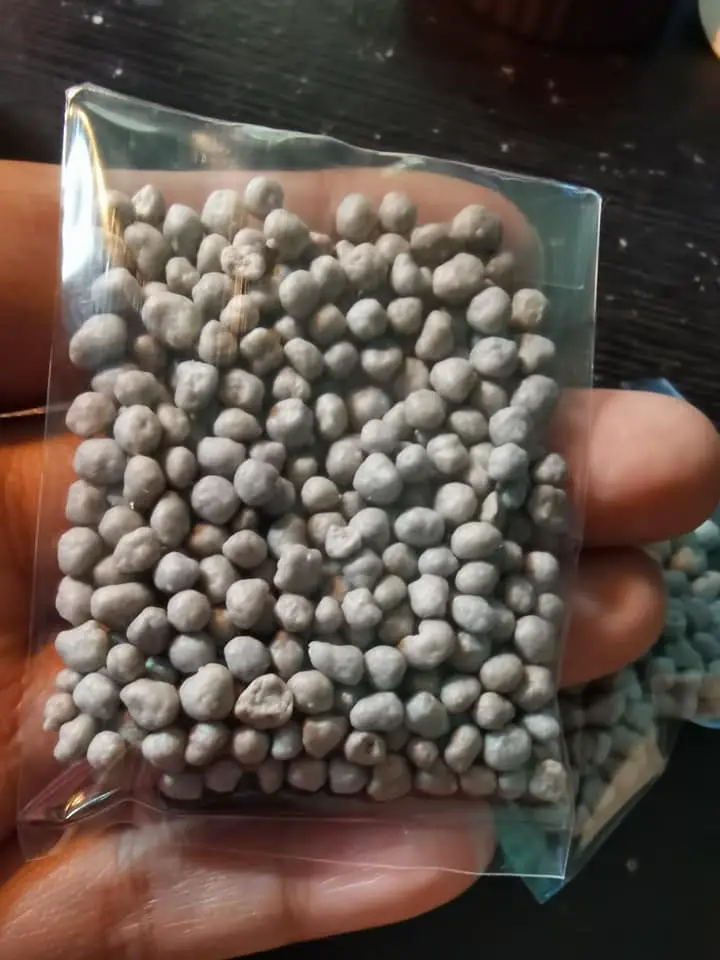
These fertilizers are often coated with materials like sulfur or polymer that break down slowly due to water, heat, or soil microbes. This steady nutrient supply prevents overfeeding, a common mistake with succulents.
I first tried slow-release granules when I noticed my jade plant looking a bit pale. Mixing a small amount into the soil at potting time was a breeze. My plant perked up without any extra effort. These fertilizers come in forms like granules or pellets.
What most gardeners don’t know is that slow-release fertilizers are ideal for potted succulents, which have limited soil nutrients compared to in-ground plants.
Benefits of Slow-Release Fertilizer for Succulents
Why do I swear by slow-release fertilizers for my succulents? Here’s why they’re a must-have:
- I sprinkle granules into the soil, and I’m done for months. Perfect for my hectic schedule.
- Quick-release fertilizers can overwhelm succulents, but slow-release ones feed gently, preventing root damage.
- They stay in the soil longer, reducing nutrient loss from watering or rain.
- They are great for both indoor potted succulents and outdoor garden beds.
- Less nutrient runoff means a happier planet, as noted by Sodlawn.
My aloe vera used to struggle in its small pot, but after adding slow-release granules, it grew thicker, greener leaves. It’s like giving your succulents a steady diet without the risk of overindulgence.
Choosing the Right Slow-Release Fertilizer
Not all fertilizers are created equal. Succulents prefer low-nitrogen formulas to avoid excessive, weak growth. Look for balanced NPK (nitrogen-phosphorus-potassium) ratios like 10-10-10 or 14-14-14, as suggested by Reddit discussions.
For even better results, I opt for formulas with slightly lower nitrogen, like 5-10-10, which Succulent City recommends.
Organic options like bone meal are fantastic, too. The House of Terra praises bone meal for its phosphorus and calcium, which strengthen succulent roots. I’ve used Osmocote Plus, mixing three tablespoons per two-gallon pot, and my plants love it.
Pro Tip: Always check the label for application rates to avoid overdoing it.
How to Use Slow-Release Fertilizer for Succulents
Using slow-release fertilizer is simple, but there’s a right way to do it. Here’s what I’ve learned:
Timing matters! Fertilize in spring when daytime temperatures stay above 60°F, as advised by Debra Lee Baldwin. Fall is also good, ideally before a rainstorm, for in-ground plants. Avoid fertilizing during the dormant fall/winter months to prevent nutrient buildup and root rot.
For new plants, blend granules into the top 1-3 inches of soil at potting time. I use a gritty mix with perlite for drainage, which pairs well with slow-release fertilizers.
Top-dress existing plants. Sprinkle granules around the base of established plants and water them in. This works great for my outdoor echeverias.
In any application, wet the soil before applying to spread nutrients evenly and avoid root burn. Don’t Overdo It. Succulents need less fertilizer than other plants. Too much can cause “soft” growth that’s prone to damage.
Last spring, I repotted my string of pearls and mixed in some slow-release granules. I didn’t touch it again for three months, and it’s now fuller than ever. It’s like setting a slow cooker for your plants—minimal effort, maximum results.
Best Slow-Release Fertilizers for Succulents
Here are my go-to options, backed by expert recommendations:
- Osmocote Plus: A balanced 14-14-14 formula, perfect for potted succulents. Mix one capful per two-gallon pot.
- Bone Meal: Organic, rich in phosphorus and calcium. Use one teaspoon for a 12-inch pot.
- Miracle-Gro Succulent Plant Food: A solid choice if diluted to half strength to avoid burning.
- Haven Brand Manure Tea: A mild, organic option that won’t burn leaves. I steep it in a bucket for 2-3 days and water generously.
I’ve had great success with bone meal for my outdoor cacti. The slow phosphorus release keeps their roots strong without pushing leggy growth.
Tips for Succulent Success
Succulents thrive in conditions mimicking their native habitats. Here are tips to complement your fertilizer routine:
- Use a well-draining mix with perlite or sand. Succulents Box suggests experimenting but keeping it porous to prevent root rot.
- Most succulents need 6-10 hours of bright, indirect light daily. Iowa State University Extension recommends rotating plants to avoid lopsided growth.
- Water thoroughly but let the soil dry completely between sessions. Overwatering flushes out nutrients, wasting your fertilizer.
- Fertilize once or twice a year—spring for most, fall for winter growers.
- If you’re unsure about nutrient needs, get a soil test. Plants in nutrient-rich mulch may not need extra feeding.
I learned the hard way that overwatering my succulents washed out the fertilizer. Now, I stick to a wet-dry cycle, and my plants are thriving.
Indoor vs. Outdoor Succulents
Indoor succulents, like those on my Chicago windowsill, rely on fertilizer more than outdoor ones. Potting soil loses nutrients over time, so slow-release granules are a lifesaver.
Outdoor succulents in my friend’s Arizona garden often get enough from natural sources like rainwater or decomposing mulch, needing only light spring feeding.
For indoor plants, I fertilize lightly in spring and summer, skipping the dormant seasons to avoid stress.
Common Mistakes to Avoid
I’ve made my share of succulent mistakes. Here’s what to watch out for:
- Overfertilizing: Too much can burn roots or cause weak growth. Stick to recommended doses.
- Fertilizing dormant plants: This leads to nutrient buildup and potential root rot.
- Ignoring soil type: Heavy soils hold too much water, flushing nutrients. Use gritty mixes.
- Skipping watering before fertilizing: Dry soil can concentrate nutrients, harming roots.
Once, I fertilized my dormant Haworthia in winter, and it developed soft, mushy leaves. Lesson learned—stick to the growing season.
FAQs
Q: How often should I fertilize my succulents?
A: Once or twice a year, typically in spring for most succulents or fall for winter growers.
Q: Can I use slow-release fertilizer for indoor succulents?
A: Yes! Indoor succulents benefit more since potting soil loses nutrients faster. Use a balanced formula like 10-10-10 at half strength.
Q: Will slow-release fertilizer burn my succulents?
A: Not if used correctly. Follow the package instructions and water the soil first to avoid nutrient overload.
Q: What’s the best NPK ratio for succulents?
A: Look for low-nitrogen ratios like 5-10-10 or 2-7-7. Balanced 10-10-10 works if diluted.
Q: Can I make my own slow-release fertilizer?
A: Yes! Mix banana peels, coffee grounds, or eggshells into the soil.
Q: Do outdoor succulents need less fertilizer?
A: Often, yes. They get nutrients from natural sources, so light spring feeding is usually enough.
Final Thoughts
When I started my succulent collection, I struggled with pale, stunted plants. Liquid fertilizers were a hassle, and I often forgot to dilute them, leading to burned roots. Switching to slow-release granules was a revelation.
I mixed Osmocote into my pots last spring, and by summer, my echeverias were bursting with color. It’s low-effort, and my plants look like they belong in a magazine.
So, slow-release fertilizers can transform your succulent game. They’re easy, effective, and perfect for busy households. Whether you’re nurturing a single aloe on a windowsill or a sprawling outdoor cactus garden, these fertilizers deliver steady nutrients without the fuss.
Pair them with well-draining soil, proper watering, and ample light, and your succulents will thrive. Try Osmocote or bone meal, follow the timing tips, and watch your desert darlings shine.

Tim M Dave is a gardening expert with a passion for houseplants, particularly cacti and succulents. With a degree in plant biology from the University of California, Berkeley, he has vast experience in gardening. Over the years, he has cultivated a vast collection of desert plants and learned a great deal about how to grow and care for these unique companions.