Rose of Sharon Cultivation: Your Guide to Growing This Stunning Flowering Shrub
The Rose of Sharon (Hibiscus syriacus) has a rich history. Native to East Asia, particularly China and Korea, it’s been cultivated for centuries. It’s often called the “national flower” of South Korea, symbolizing immortality.
Traders brought it to Europe in the 16th century, and it later arrived in the Americas. By the 18th century, it was a staple in colonial gardens. I love imagining early settlers admiring its blooms, just as I do today. It’s cherished for its long blooming season and adaptability.
Classification
Rose of Sharon belongs to the Malvaceae family, which includes hibiscus, hollyhocks, and okra. Its scientific name, Hibiscus syriacus, reflects its genus (Hibiscus) and species (syriacus, meaning “of Syria,” a nod to its early trade routes).
It’s a deciduous shrub, meaning it sheds leaves annually. Botanists classify it as a hardy, woody perennial. Its cousins include tropical hibiscus (Hibiscus rosa-sinensis) and swamp rose mallow (Hibiscus moscheutos).
Knowing its classification helps you understand its needs, as it shares traits with other hibiscus plants.
Characteristics
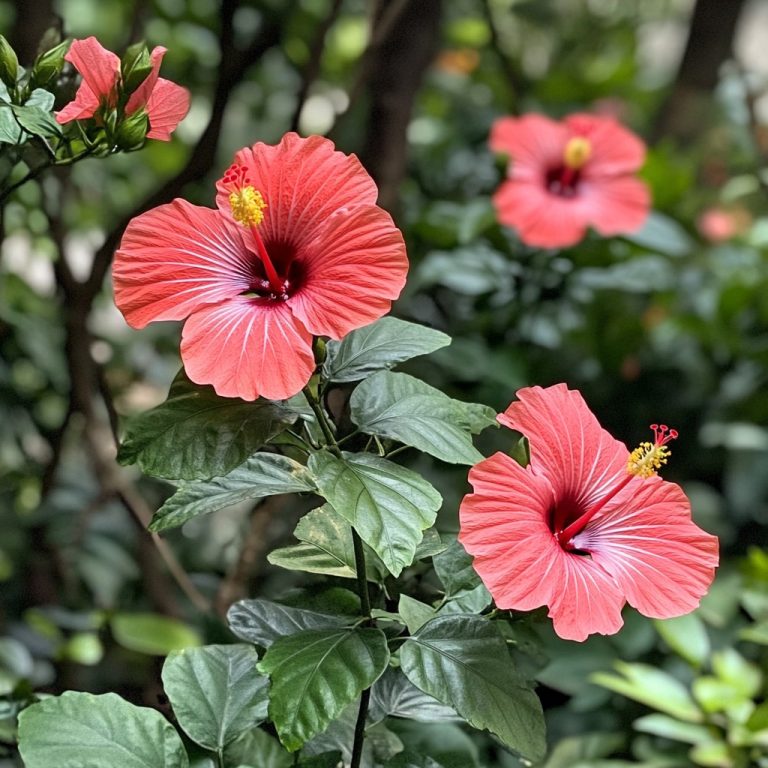
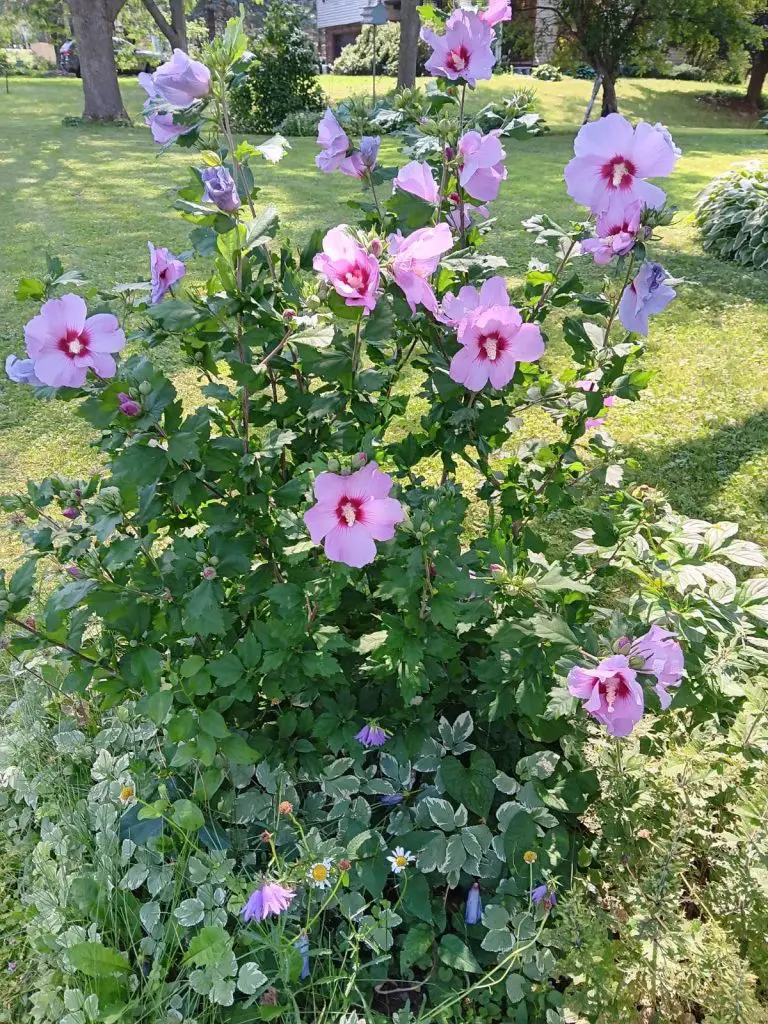
Rose of Sharon is a versatile shrub. It grows upright with a vase-like shape, perfect for hedges or focal points. Its leaves are dark green, lobed, and slightly serrated, giving it a lush look. The real star is its flowers—large, trumpet-shaped blooms that appear from mid-summer to fall.
Each bloom lasts a day, but the shrub produces them for months. I’m always amazed at how my Rose of Sharon keeps blooming when other plants fade. It’s drought-tolerant once established and attracts pollinators like bees and butterflies.
Key Features
- Scientific Name: Hibiscus syriacus
- USDA Zones: 5–9
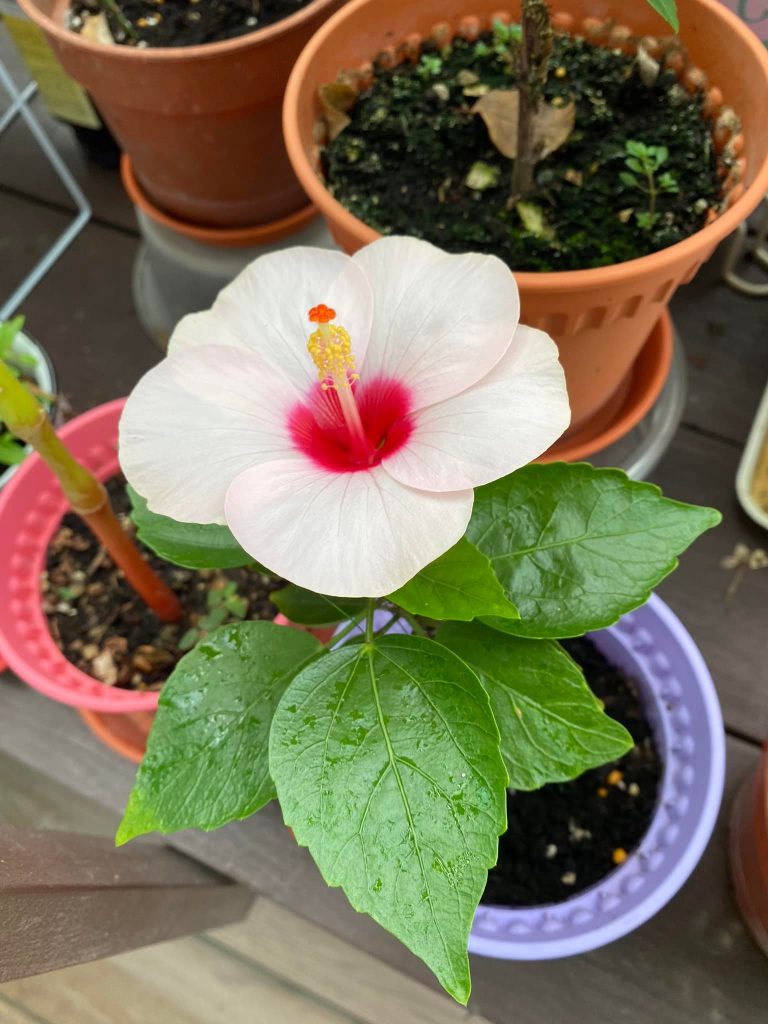
- Color Variation: White, pink, purple, blue, or red, often with a contrasting throat (usually red or yellow). Some cultivars are double-flowered.
- Sun Exposure: Full sun (6+ hours daily) to partial shade (4–6 hours). Full sun yields the best blooms.
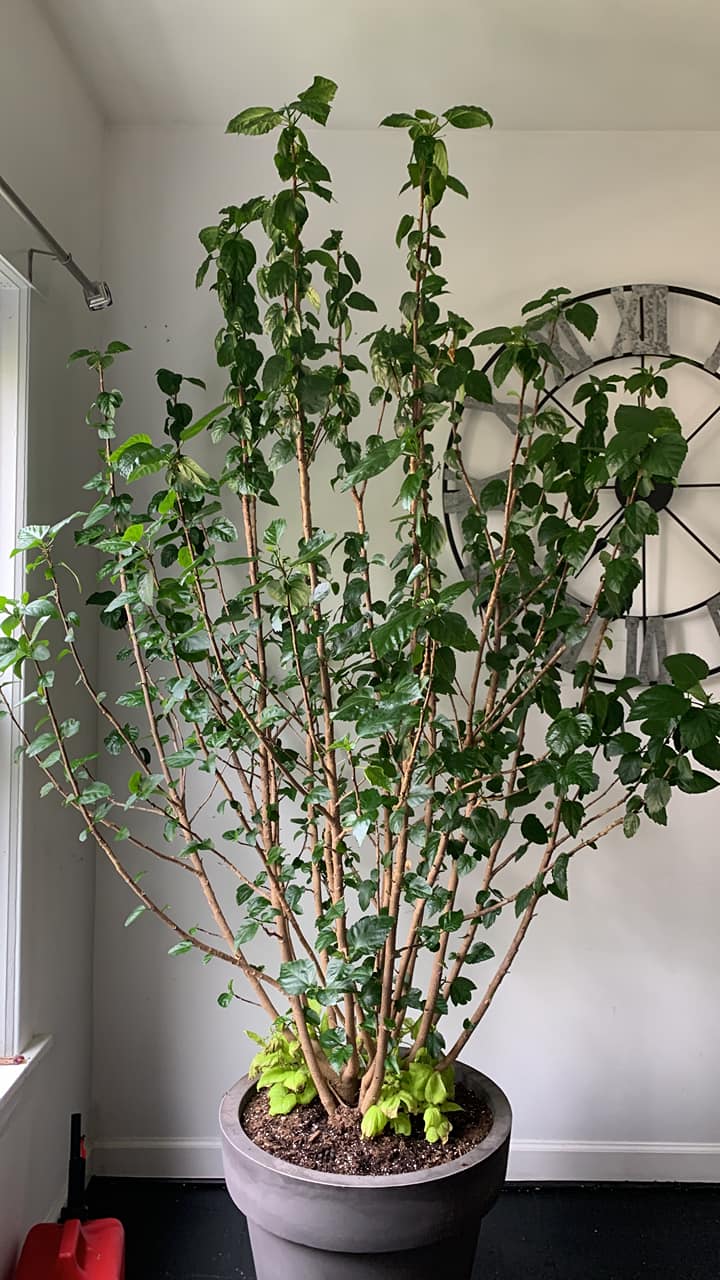
- Mature Size: 8–12 feet tall, 6–10 feet wide, depending on the cultivar.
- Lifespan: 20–30 years with proper care.
- Toxicity: Non-toxic to humans and pets, making it safe for family gardens.
How to Grow Rose of Sharon: Detailed Care Guide
Growing Rose of Sharon is easier than you might think. I learned this the hard way after neglecting my first shrub, only to see it thrive with minimal effort. Below, I’ll walk you through planting, watering, fertilizing, pruning, and more.
Planting Rose of Sharon
Choose a spot with well-drained soil and full sun. Partial shade works, but blooms may be sparse. I planted mine near a fence for a natural screen. Spring or fall is the best time to plant. Dig a hole twice as wide as the root ball and just as deep.
Mix compost into the soil to boost nutrients. Place the shrub, backfill with soil, and water thoroughly. Space plants 6–10 feet apart for hedges or single specimens.
Watering
Water young plants weekly to establish roots. I give mine a deep soak during dry spells. Once established (after 1–2 years), Rose of Sharon is drought-tolerant. Avoid overwatering, as soggy soil can cause root rot. Mulch with 2–3 inches of bark or wood chips to retain moisture and keep roots cool.
Soil Requirements
Rose of Sharon isn’t picky about soil. It thrives in loamy, well-drained soil with a pH of 5.5–7.5. I tested my soil with a home kit and found it slightly acidic, perfect for my shrub. If your soil is heavy clay, add compost or sand to improve drainage.
For sandy soils, mix in organic matter to retain moisture. Amend with compost annually to keep the soil fertile.
Fertilizing
Feed your Rose of Sharon in early spring. I use a balanced fertilizer (10-10-10) or one high in phosphorus (10-20-10) to promote blooms. Apply according to package instructions—usually 1–2 tablespoons per plant.
Avoid over-fertilizing, as it leads to leafy growth but fewer flowers. A slow-release fertilizer works well for steady nutrients.
Pruning
Pruning keeps the Rose of Sharon tidy and encourages blooms. I prune mine in late winter or early spring before new growth starts. It blooms on new wood, so you can cut back without losing flowers. Remove dead, damaged, or crossing branches.
For a compact shape, cut back stems by one-third. I once let mine grow wild, and it became leggy—pruning fixed it fast. Shape it as a shrub, small tree, or hedge, depending on your garden’s style.
Sunlight Needs
Full sun is ideal for vibrant blooms. My Rose of Sharon gets about 8 hours of sun daily, and it’s covered in flowers by August. In hotter climates (Zones 8–9), afternoon shade prevents leaf scorch. If your garden is shady, expect fewer blooms but healthy foliage.
Winter Care
In colder zones (5–6), protect young plants from harsh winters. I wrap mine in burlap during its first winter to shield it from wind. Add a 3–4 inch layer of mulch around the base to insulate roots. Established plants are hardy and need little winter care.
Propagation
You can propagate Rose of Sharon from cuttings or seeds. I’ve had success with softwood cuttings in summer. Cut a 4–6 inch stem, remove lower leaves, dip in rooting hormone, and plant in moist potting mix. Keep it humid with a plastic bag until roots form.
Seeds take longer and may not match the parent plant’s traits.
Common Problems and Solutions
Even easy-care plants like Rose of Sharon face issues. Here are the most common problems and how to fix them, based on my experience and research.
1. Pests
Common Rose of Sharon pests include:
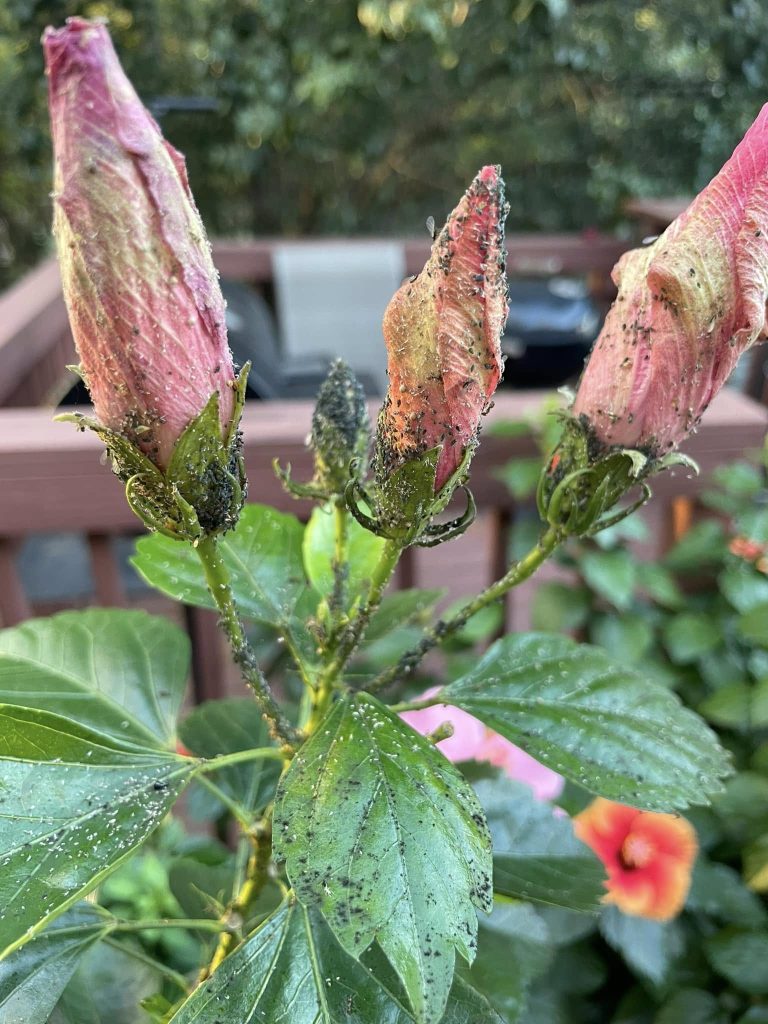
- Aphids: These tiny insects suck sap from leaves, causing curling. I spray them with insecticidal soap or a strong water jet. Ladybugs are natural predators—encourage them in your garden.
- Japanese beetles: They chew holes in leaves and flowers. Hand-pick them in the morning and drop them into soapy water. Neem oil works as a deterrent.
- Spider mites: Common in hot, dry weather. Look for webbing and stippled leaves. Increase humidity and use miticide if needed.
2. Diseases
Common Rose of Sharon diseases include:
- Powdery mildew: White, powdery spots on leaves. Improve air circulation by pruning crowded branches. Apply fungicide for severe cases. I avoid overhead watering to keep foliage dry.
- Leaf spot: Brown or black spots on leaves, often fungal. Remove affected leaves and apply a copper-based fungicide. Ensure good drainage to prevent it.
- Root rot: Caused by overwatering or poor drainage. Symptoms include wilting and yellowing leaves. Improve soil drainage and reduce watering.
3. Poor Blooming
If your Rose of Sharon isn’t blooming, it might need more sun or nutrients. I had this issue when mine was in partial shade—moving it to a sunnier spot helped. Over-pruning or pruning at the wrong time can also reduce blooms.
Fertilize with a phosphorus-rich formula to encourage flowers. Check for pests or diseases that might stress the plant.
4. Leaf drop
Stress from drought, overwatering, or pests can cause leaf drop. I noticed this when I forgot to water during a heatwave. Adjust watering and inspect for pests. If leaves yellow before dropping, test soil pH—extreme levels can affect nutrient uptake.
Popular Cultivars of Rose of Sharon
Rose of Sharon comes in many cultivars, each with unique colors and forms. Here are some favorites I’ve seen in gardens or grown myself:
- ‘Blue Chiffon’: Soft blue, double flowers with a lacy center. Grows 8–12 feet. Stunning in full sun.
- ‘Sugar Tip’: Variegated leaves (green with cream edges) and pink double blooms. Compact at 5–6 feet.
- ‘Ardens’: Double purple flowers with a red throat. Reaches 8–10 feet. Great for hedges.
- ‘White Chiffon’: Pure white, semi-double blooms. Grows 6–8 feet. Elegant and versatile.
- ‘Red Heart’: White flowers with a bold red center. Grows 8–10 feet. Eye-catching contrast.
Soil pH and Its Effect on Rose of Sharon
Unlike some plants (like hydrangeas), Rose of Sharon’s bloom color isn’t affected by soil pH. It thrives in a pH range of 5.5–7.5, slightly acidic to neutral. I tested my soil before planting and found it at 6.5—perfect for my shrub.
If your soil is too acidic (below 5.5), add lime to raise the pH. For overly alkaline soil (above 7.5), add sulfur or organic matter like compost. Test your soil with a home kit every year to ensure optimal conditions. Good pH balance promotes healthy growth and blooming.
Choosing the Right Spot for Rose of Sharon
Pick a location based on your climate and garden layout. In Zones 5–6, choose a sheltered spot to protect from winter winds. In Zones 8–9, provide afternoon shade to avoid heat stress. I placed mine near a sunny fence, and it’s become a gorgeous privacy screen.
Ensure enough space for its mature size—crowding can lead to poor air circulation and disease.
Landscape Uses for Rose of Sharon
Rose of Sharon is incredibly versatile. Use it as a hedge, specimen plant, or small tree for your front yard. I trained mine into a single-trunk tree, and it’s a focal point in my yard. It pairs well with perennials like coneflowers or black-eyed Susans.
Its late-season blooms add color when other plants fade. In small gardens, choose dwarf cultivars like ‘Sugar Tip’ for containers or borders.
Toxicity and Safety
Great news: Rose of Sharon is non-toxic! It’s safe for kids, dogs, and cats. I love that I don’t worry about my dog nibbling near it. However, avoid ingesting large amounts, as it may cause mild stomach upset. Always wash your hands after handling to be safe.
FAQs
Q: How fast does Rose of Sharon grow?
A: It grows moderately fast, about 1–2 feet per year. Mine reached 6 feet in three years with good care.
Q: Can I grow Rose of Sharon in a container?
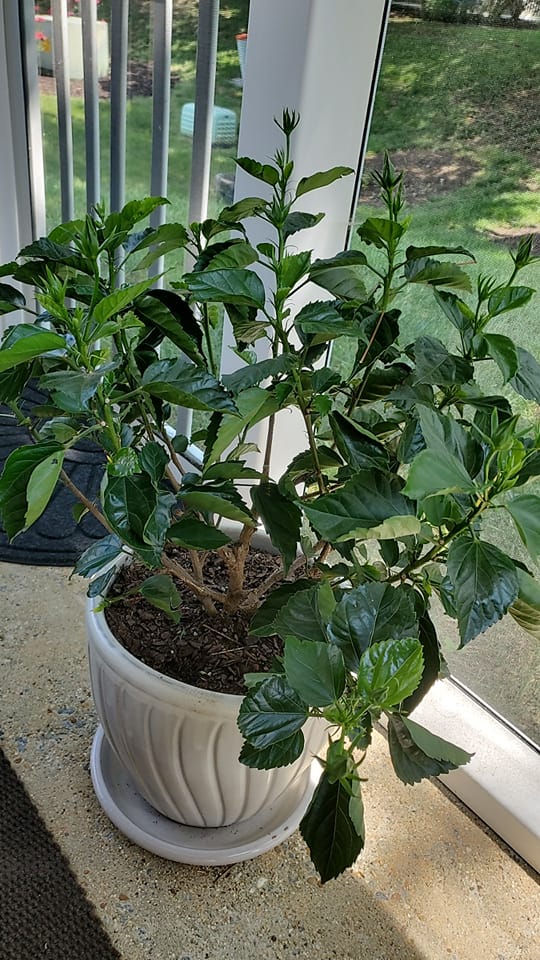
A: Yes! Choose dwarf cultivars like ‘Sugar Tip.’ Use a large pot with drainage and water regularly.
Q: Why isn’t my Rose of Sharon blooming?
A: It might need more sun, nutrients, or proper pruning. Check for pests or diseases, too.
Q: Is Rose of Sharon invasive?
A: It can self-seed and spread in some areas. Deadhead spent blooms to prevent unwanted seedlings.
Q: How do I overwinter Rose of Sharon in cold climates?
A: Mulch the base and wrap young plants in burlap. Established plants are hardy in Zones 5–9.
Suggested For You:
Bougainvillea Cultivation: Identifying Common Varieties and How to Grow This Beautiful Plant
4 Methods of Propagating Hibiscus + Success Tips
Beginners Guide: When and How to Prune Hibiscus
6 Reasons Hibiscus Leaves are Curling + How to Fix Fast
Battling Aphid Problem on Hibiscus in Colorado: Your Ultimate Guide to Saving Your Blooms
Final thoughts
Rose of Sharon is a gardener’s dream. Its vibrant blooms, easy care, and versatility make it a standout. From its Asian origins to its place in modern gardens, it’s a plant with history and charm. With proper planting, watering, and pruning, it thrives for decades.
I’ve loved watching mine bloom each summer, attracting butterflies and compliments. Whether you choose ‘Blue Chiffon’ or ‘Red Heart,’ this shrub won’t disappoint. Plant one today and enjoy its beauty for years to come!
References
- Missouri Botanical Garden. (n.d.). Hibiscus syriacus. Link
- University of Florida IFAS Extension. (2023). Rose of Sharon: A Versatile Landscape Plant. Link
- The American Horticultural Society. (n.d.). Growing Hibiscus in the Home Garden. Link
- ASPCA. (n.d.). Toxic and Non-Toxic Plants: Hibiscus syriacus. Link
- Royal Horticultural Society. (2024). Hibiscus syriacus Cultivation. Link

Tim M Dave is a gardening expert with a passion for houseplants, particularly cacti and succulents. With a degree in plant biology from the University of California, Berkeley, he has vast experience in gardening. Over the years, he has cultivated a vast collection of desert plants and learned a great deal about how to grow and care for these unique companions.