Rhododendron: History, Care and Cultivation Details
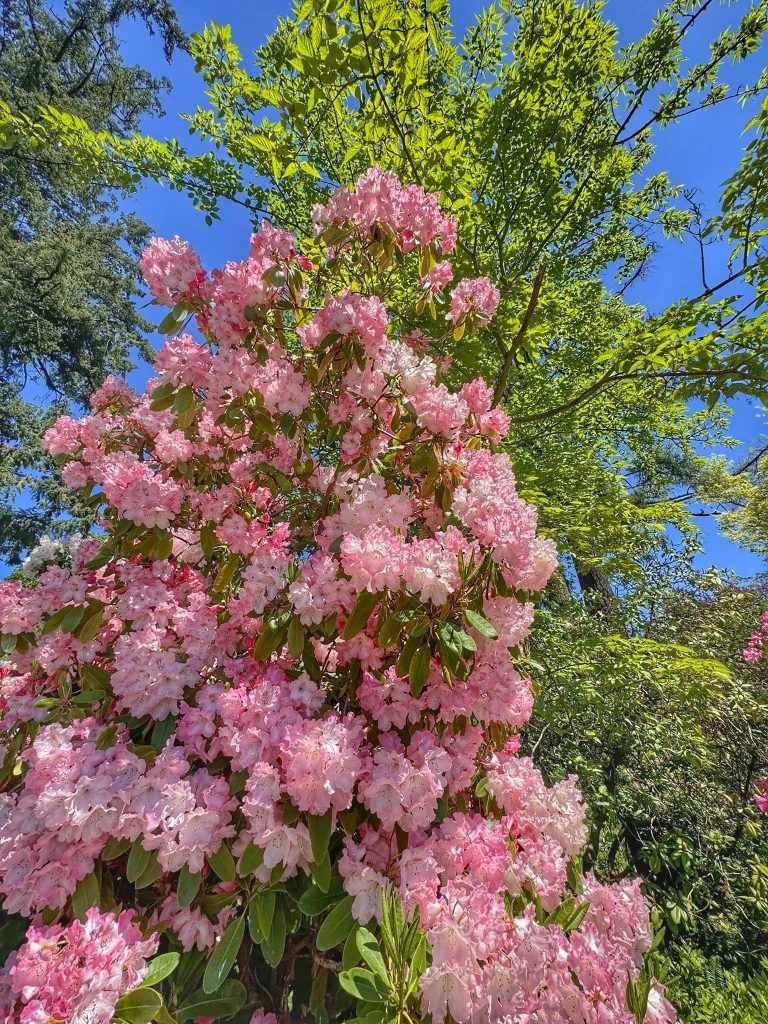
Walk past a rhododendron in bloom and you’ll never forget it. Large clusters (called trusses) of funnel- or bell-shaped flowers appear at the tips of the branches in spring. Each flower usually has five petals, and many have freckles or a colored blotch in the throat.
The leaves are typically evergreen, leathery, and dark green. Large-leaved types (called elepidotes) can have leaves longer than your forearm. Smaller-leaved types (lepidotes) often have tiny scales on the underside that give them a dotted appearance and sometimes a wonderful fragrance.
Growth habits range from low, spreading ground covers to upright shrubs and, in a few species, genuine trees. Let’s look at how these stunning shrubs came around, their key features, and how to grow them in your garden.
Brief History of Rhododendron
The name Rhododendron comes from two Greek words: rhodon (rose) and dendron (tree). Literally, it means “rose tree,” and once you’ve seen a big specimen in flower, you’ll understand why the ancients chose that name.
People have known and used rhododendrons for thousands of years. Chinese medical texts from 200 BC already mention certain species. But the modern love affair started in the 19th century when European plant hunters ventured into the eastern Himalayas and southwest China.
Names like Joseph Hooker, George Forrest, and Frank Kingdon-Ward became legends because they brought back seeds of gigantic, vividly colored species that no one in the West had ever seen.
By the early 20th century, huge estates in England, Scotland, and the eastern United States were planting these new introductions. Hybridizers got busy, and most of the plants we grow in our gardens today are the grandchildren or great-grandchildren of those wild collections.
How Rhododendrons Are Classified
Botanically, rhododendrons belong to the genus Rhododendron in the heath family (Ericaceae), the same family as blueberries, heather, and mountain laurel. There are over 1,000 wild species and more than 28,000 named hybrids and cultivars.
A common point of confusion: azaleas are not separate plants. Evergreen and deciduous azaleas are simply rhododendrons that botanists place in different sections of the same genus. So when someone says “I grow azaleas, not rhododendrons,” they’re actually growing rhododendrons!
Key Features at a Glance
| Feature | Details |
| Scientific Name | Rhododendron spp. (over 1,000 species) |
| Common Names | Rhododendron, Azalea (for certain groups) |
| USDA Hardiness Zone | 4–9 (some species hardy to zone 3, tropical vireya types only zone 10–11) |
| Flower Color | White, pink, red, purple, lavender, yellow, orange, salmon (almost every color except true blue) |
| Sun Exposure | Part shade to filtered sun; morning sun with afternoon shade is ideal |
| Mature Height/Width | 1 ft (dwarf azaleas) to over 80 ft (R. giganteum in the wild) |
| Growth Rate | Slow to moderate (6–18 inches per year depending on species and conditions) |
| Lifespan | 40–100+ years; many Himalayan species live several centuries |
| Toxicity | Highly toxic to humans, dogs, cats, and horses (contains grayanotoxins) |
How to Grow and Care for Rhododendrons – The Secret to Success
If I could give only one piece of advice, it would be this: choose the right spot from the beginning. Rhododendrons hate three things: deep shade, baking sun, and alkaline soil.
They grow best under a high, light canopy — think tall pines or oaks that let dappled light through.
Morning sun with afternoon shade is perfect. In cooler climates, some hybrids will take full sun, but in the South or West, they scorch without protection.
Soil is non-negotiable. Rhododendrons demand acidic (pH 4.5–5.5), organic, well-drained conditions. If your soil is neutral or alkaline, either build raised beds or grow them in containers. Trust me — fighting the pH for years is exhausting and rarely works.
Planting Step by Step
- Dig a wide, shallow hole — twice as wide as the root ball but no deeper.
- Rhododendrons have shallow, fibrous roots. Plant high – the top of the root ball should sit 2–4 inches above the surrounding soil level.
- Mix your backfill 50/50 with pine bark, peat moss, or a good ericaceous compost.
- Water deeply after planting and apply a 3–4 inch layer of organic mulch (pine needles, oak leaves, or shredded bark). Keep the mulch a few inches away from the stem.
Watering and Feeding
Rhododendrons like even moisture — never bone-dry, never waterlogged. During the first two seasons, water deeply once or twice a week in summer. Established plants are fairly drought-tolerant but bloom better with consistent moisture.
Feed in early spring and again right after flowering with a fertilizer made for acid-loving plants, like Holly-tone, or Miracid. Stop fertilizing by early July so the plant can harden off for winter.
Pruning and Maintenance
Most rhododendrons need little pruning. You can deadhead spent flowers by snapping them off at the base. It keeps the plant tidy and directs energy into next year’s buds. Any shaping should be done immediately after flowering, because flower buds for next spring are set by midsummer.
Old, leggy plants can be rejuvenated by cutting them back hard in late winter. It looks brutal, but they usually bounce back within two or three years.
Winter Care
In cold climates, water thoroughly in late fall before the ground freezes. A thick mulch layer protects the shallow roots. In windy or exposed sites, a burlap screen prevents winter burn on the leaves.

Common Problems and How to Fix Them
| Problem | Symptoms | Cause | Solution |
| Chlorosis | Yellow leaves, green veins | Soil too alkaline / iron deficiency | Apply chelated iron + sulfur to lower pH |
| Bud Drop | Flower buds turn brown and fall off | Drought, heat, or thrips | Consistent moisture + insecticide if thrips present |
| Lace Bug Damage | Stippled, silvery leaves | Lace bugs (underside of leaves) | Insecticidal soap or systemic insecticide (imidacloprid) in early summer |
| Phytophthora Root Rot | Wilting, dieback, orange roots | Poor drainage | Improve drainage; remove affected plants |
| Powdery Mildew | White coating on leaves | Poor air circulation, humidity | Fungicide + improve spacing |
| Winter Burn | Brown, scorched leaf margins | Winter sun + wind | Anti-desiccant spray + burlap screen |
Best Varieties for Different Situations
- Cold climates (zones 4–5): ‘PJM’ (compact, lavender-pink), ‘Nova Zembla’ (red), ‘Roseum Elegans’ (pink).
- Hot, humid climates (zones 8–9): Encore® azaleas (reblooming), ‘Southgate’ series, ‘Girard’s Rose’.
- Dwarf and rock gardens: ‘Ramapo’ (lavender), ‘Ginny Gee’ (white with pink blush), ‘Patty Bee’ (yellow).
- Fragrant flowers: R. fortunei hybrids, ‘Fragrantissimum’.
- Yellow flowers: ‘Capistrano’, ‘Golden Lights’ (deciduous azalea).
Growing Rhododendrons in Containers
Don’t have acidic soil? No problem. Rhododendrons are superb container plants. Use a large pot (at least 24 inches wide), ericaceous potting mix, and water regularly. My ‘Cunningham’s White’ has lived happily on a city balcony for almost a decade.
A Word of Caution – Toxicity
Every part of a rhododendron is poisonous. The toxins (grayanotoxins) can cause vomiting, slowed heart rate, and in extreme cases more serious symptoms. Keep children and pets away from fallen leaves and flowers.
Interestingly, honey made from certain species (notably R. ponticum) can also be toxic — the ancient Greeks called it “mad honey.”
Frequently Asked Questions (FAQs)
Q: Are azaleas and rhododendrons the same plant?
A: Yes. Azaleas are rhododendrons; they are just grouped in different sections of the genus.
Q: Why are my rhododendron leaves yellow?
A: Almost always iron chlorosis caused by high soil pH. Test your soil and acidify if needed.
Q: Can I grow rhododendrons in full sun?
A: Only a few hybrids tolerate full sun in cool climates. Most prefer part shade.
Q: How long do rhododendrons live?
A: 50–100+ years is common. Some wild trees in the Himalayas are over 300 years old.
Q: Do deer eat rhododendrons?
A: Unfortunately, yes — but less than many other shrubs. Most lists rate them “seldom severely damaged.”
Q: When is the best time to transplant a rhododendron?
A: Early spring or early fall, when the plant is not in active growth.
Q: My rhododendron hasn’t bloomed in years. What’s wrong?
A: Common causes: too much shade, pruning at the wrong time, phosphorus deficiency, or bud damage by weevils.
Final Thoughts
Few shrubs reward patience like a rhododendron. Give it the acidic, moist, shady home it craves, and it will grow slowly but surely into a magnificent specimen that brightens your yard for decades. Every spring when those huge trusses open, reminds me of the courage it takes to grow these lovely plants.

Tim M Dave is a gardening expert with a passion for houseplants, particularly cacti and succulents. With a degree in plant biology from the University of California, Berkeley, he has vast experience in gardening. Over the years, he has cultivated a vast collection of desert plants and learned a great deal about how to grow and care for these unique companions.