Revive Your Frost-Damaged Cactus With These Simple Steps
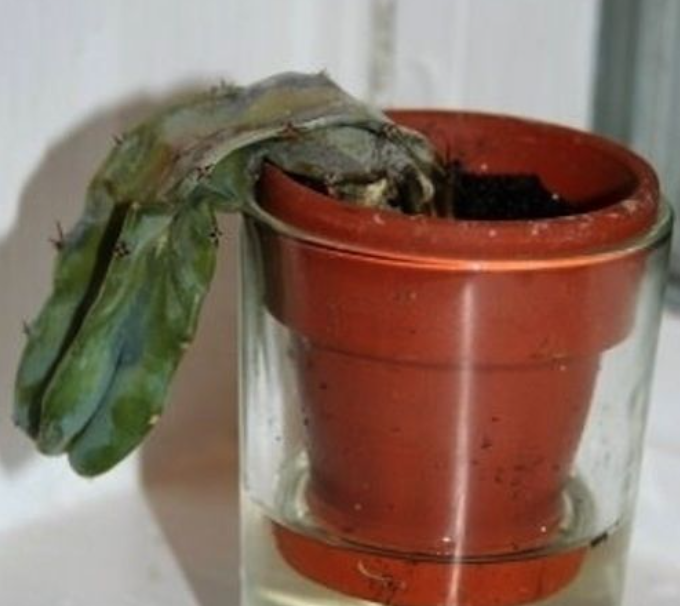
I’ll never forget the morning I peeked out my window and saw my beloved cactus looking sad and droopy. That harsh winter frost had snuck in, and my sunny windowsill plants took a hit. I’ve learned that cacti, though tough, aren’t invincible against freezing temperatures.
Frost damage happens when temperatures drop below 32°F (0°C), causing ice crystals to form in their tissues. I noticed my cactus turning mushy and discolored after a chilly night. This happens because the cold disrupts their water storage, leading to rot or shriveling.
In the U.S., especially in regions like the Midwest or Northeast, where winters can be brutal, this is a common issue. Understanding this helped me take action fast.

Spotting the Signs of Frost Damage
The first step I took was checking for damage. A healthy cactus should stand tall and firm. After the frost, mine looked different. Here’s what I looked for:
- I pressed gently and felt squishy areas—definite frost damage.
- My cactus turned brown and yellow in patches.
- The once-proud spines drooped, signaling trouble.
- Some parts looked dried out, a sign of dehydration from the cold.
If you see these signs on your windowsill crew, don’t panic. I learned that quick action can save them.
Immediate Steps to Save Your Cactus
When I spotted the damage, I acted right away. Here’s what I did to give my cactus a fighting chance:
- I brought my pots inside to a warm spot away from drafts. If it’s already inside, move it to a sunnier, stable-temperature room.
- I held off on watering since frost-damaged roots can’t handle moisture. Overwatering is the enemy here.
- I used a clean knife to trim away any black or mushy parts. It felt tough, but it saved the healthy tissue.
- I let the cut areas air dry for a day or two to prevent infection. This step was a game-changer for me.
These quick moves stopped the damage from spreading. I felt hopeful as I watched my cactus stabilize.
Creating the Perfect Recovery Environment
Once the immediate crisis was over, I focused on recovery. Cacti need the right conditions to bounce back, especially in an American home setting. Here’s how I set up my space:
- I kept my cactus in a room where the temperature stayed between 60°F and 75°F (15°C to 24°C). Near a heater worked, but not too close!
- I placed it near a south-facing window for gentle sunlight. Too much direct sun can stress it further, so I used a sheer curtain.
- Since winter air can be dry, I avoided extra humidity. I skipped the humidifier near my plants.
- I gave it time. Recovery isn’t instant, and I checked progress weekly.
This setup mimicked a desert vibe indoors, and I saw slow but steady improvement.
Watering Tips for a Recovering Cactus
Watering was tricky after the frost. I learned to adjust my routine to avoid more harm:
- I didn’t water for at least a week after the damage. The roots needed to heal first.
- When I started again, I used a small amount, letting the soil dry out completely between sessions. Overwatering could kill it.
- I used lukewarm water to avoid shocking the plant. Cold tap water was a no-go for me.
- I ensured my pots had good drainage holes. No soggy soil in my house!
This careful approach kept my cactus hydrated without drowning it. I felt like a pro after a few weeks.
Trimming and Pruning for Health
Trimming was a big part of my revival process. I grabbed my sterilized scissors and got to work:
- I cut away all the frost-damaged sections until I hit firm, green tissue.
- I trimmed uneven growth to help it look balanced again.
- I wiped my tools with rubbing alcohol between cuts to prevent disease.
- I left the cuts exposed to air for a few days before watering again.
This step not only saved my cactus but also gave it a fresh start. I loved seeing the clean lines take shape.
Using Fertilizer Wisely
I was eager to boost my cactus’s strength, but fertilizer can backfire if misused. Here’s what I did:
- I held off on feeding until it showed new growth.
- I picked a low-nitrogen, cactus-specific fertilizer. Too much nitrogen can burn it.
- I mixed it weaker than the label suggested for a gentle boost.
- I fed it once a month during the growing season (spring and summer).
This cautious feeding helped my cactus regain its vigor without overwhelming it.
Monitoring and Long-Term Care
Revival isn’t a one-and-done deal. I kept a close eye on my plant:
- I looked for new growth or worsening spots every day.
- As seasons changed, I moved it to catch the best light.
- I reduced watering in winter and increased it in summer, mimicking its natural cycle.
- I checked for bugs, which can attack weakened plants.
This routine turned my cactus into a survivor. I felt proud watching it perk up over time.
Preventing Future Frost Damage
I didn’t want a repeat performance, so I took preventive steps:
- I added a thermal curtain to my windowsill to block cold drafts.
- I brought my cacti inside before the first freeze each year.
- On cloudy winter days, I added a grow light for extra warmth.
- I checked my USDA hardiness zone to understand local risks.
These tweaks gave me peace of mind. My windowsill is now a frost-free zone!
The secret: Understand your USDA plant hardiness zone, stay updated on weather forecasts, know when to bring your succulents indoors for winter, and always provide the right winter care for your prickly friends.
Success Stories from My Journey
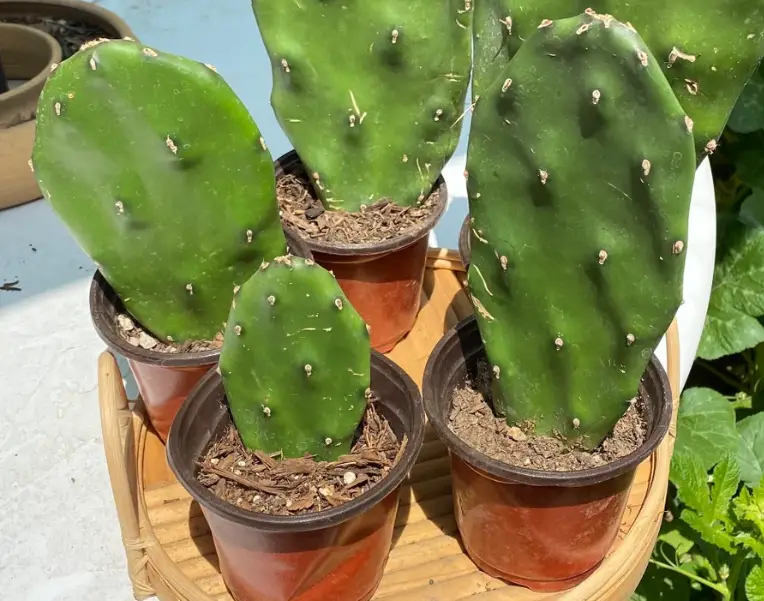
After a few months, my cactus started sprouting new spines. I couldn’t believe it! The brown patches were gone, and it stood tall again. I shared my success with friends, and one neighbor revived her frost-hit prickly pear using my tips. It’s rewarding to see these plants bounce back with a little love.
Common Mistakes to Avoid
I learned from my early errors too. Here’s what to steer clear of:
- Overwatering: I nearly drowned mine at first—don’t do it!
- Ignoring damage: Waiting too long made it worse for me.
- Wrong tools: Using dirty scissors spread rot in one pot.
- Too much heat: I scorched a leaf by placing it too close to a radiator.
Avoiding these pitfalls saved me time and heartache.
Conclusion
Reviving a frozen or frost-damaged cactus is a journey, but it’s worth it. I turned my droopy plant into a thriving centerpiece with patience and care. Whether you’re in a snowy New England home or a chilly Midwest apartment, these steps work.
Grab your tools, trim those damaged spots, and watch your cactus come back to life. Have you tried reviving yours? Share your story—I’d love to hear it!

Tim M Dave is a gardening expert with a passion for houseplants, particularly cacti and succulents. With a degree in plant biology from the University of California, Berkeley, he has vast experience in gardening. Over the years, he has cultivated a vast collection of desert plants and learned a great deal about how to grow and care for these unique companions.