6 Ways to Revive Grass That is Dying (Make it Green Again)
Before you think of reviving that brown, dry grass, you want to first ascertain if it is completely dead or is just dormant. If it is dormant, then you can go ahead with the process of reviving it. If it is dead, then this is bad news, and you have to plant a new lawn from scratch.
Whether dead or dormant, patches of brown and dry grass on your lawn are unsightly. And because planting a new lawn or overseeding is not necessary or is very expensive, you can instead revive the dying grass with very simple steps.
Let’s dive into the details.
How to Revive Grass that is Dying
You can bring dying grass back to life through the following:
Water it
The main reason behind dying or dormant grass is dehydration, which is caused by several factors. Lack of enough watering in hot climates or seasons like the summer leaves the grass with very little water for its survival, thus it dries up.
During planting, you may have applied so much fertilizer on some spots than others, or failed to water it. Fertilizers have chemicals that draw water from the areas nearby, hence leaving the grass with very little water for its survival.
This is why it is advisable to water the lawn after applying chemical fertilizer. This will prevent lawn fertilizer burn that commonly results from salt buildup in the soil.
Ensure not to overwater your lawn because doing so only blocks air from penetrating the ground, and this does more harm than good. Excess water would also cause the rotting of the roots, and this would only cause further death of more grass.
If you are the busy type, there is some good news. You can buy a smart sprinkler; this can be customized and set to sprinkle the grass up to a certain distance, at a specific time of the day, and for a particular amount of time. This way, you can always be sure your grass is ‘greener than the other side.’
Mow it
Another great method of reviving your dying lawn grass is by mowing it. Sounds crazy, doesn’t it? Very overgrown grass does not allow sunlight to penetrate the straws of the grass, hence improper or stunted growth, while at times the growth stops completely. This happens when the grass is taller than ¾ inch.
Mowing reduces the height of the grass, exposing the freshly cut blades to sunlight and nutrients. But for the best results, consider leaving the clippings on the grass; these decompose to form a composite that is full of nutrients like nitrogen, phosphorus, and potassium.
Top dress it
When the layer of soil upon which the grass is growing is too thin, then the grass may dry off. This is because with a thin layer of soil, the root development is curtailed, and they will not gather enough water to nourish the grass. You can reverse this situation by top-dressing the grass. You can do this by either adding topsoil or some compost manure.
You can also do this through mulching, which ensures the soil does not lose much of its water through evaporation in hot weather. You can also aerate the lawn, and this reduces soil compaction, thus enhancing root development. This provides the roots of the grass with a solid enough ground for enhanced root development.
Weed it
If you are keen, you will most likely see weeds and moss on the dying grass. Weeds may result in the death of lawn grass because they have a better and more heavily distributed root system than the grass. With these roots, they compete with the grass for the little water and nutrients available in the soil.
At times, these weeds will overgrow the grass, hence blocking it from receiving enough sunlight for proper growth, and this results in the death of the grass. The most notorious grass weed is the dandelion, so weed it at its onset.
And as you do this, ensure to remove the weeds from the roots to prevent their return.
Fertilize it
Sometimes the lawn soil may be exhausted, especially if you have lived with one type of grass for way too long. This results in the depletion of the essential nutrients that support the proper growth of the grass.
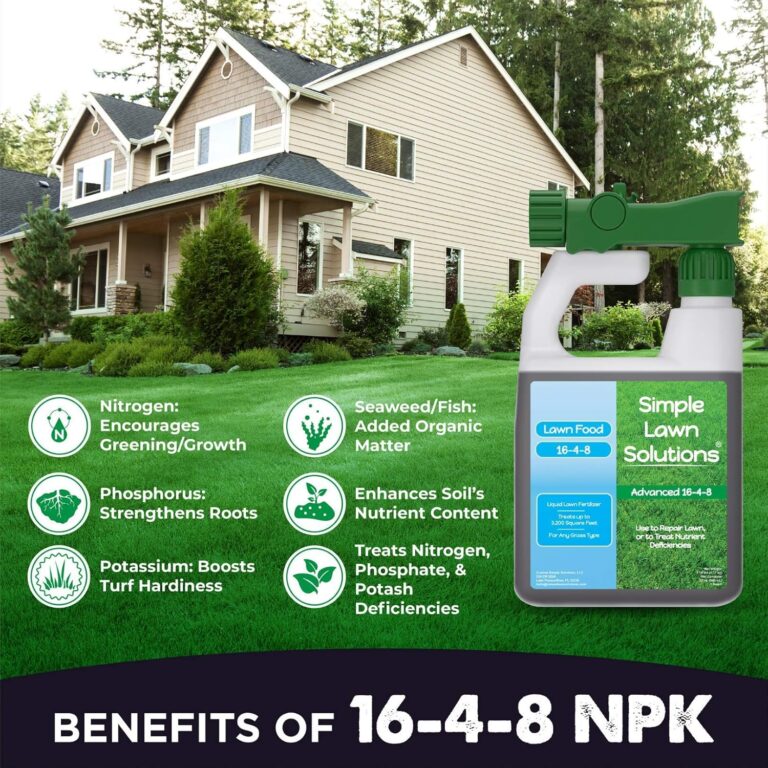
Fertilizing the lawn reintroduces the grass with vital nutrients like nitrogen, phosphorus, and potassium. Synthetic fertilizer is not very advisable since it has some harmful chemicals that poison the lawn soil with elevated acidity that raises its PH levels.
But when used within the right quantities, chemical fertilizer is still good and safe for reviving your lawn grass. Ensure to water the lawn after applying the fertilizer to prevent it from blowing with the wind and accelerating its absorption by the roots.
As you do this, keep in mind that excess fertilizer only works by poisoning the grass instead of nourishing it, and this causes the death of more grass.
Aerate it
Very compacted soil hinders the proper development of the root system; hence, it cannot reach further for maximum nourishment. Aerating the grass using a hollow tine rake mixes the foundation and topsoil. This ensures the enhanced root development of the dormant grass, hence reviving it.
What does dead grass look like?
You cannot tell if the grass is dead or not by just looking at it. This is because you might think the grass is a goner, while on the other hand, it is just dormant. However, there are signs that you should look out for in dead grass: brown color and dryness.
When grass is dead, it loses its lush green color because it has no life in it, and this is why it turns brown. And because dead grass has lost its succulence due to dehydration, its texture becomes hard, and this is why it is dry.
You can also easily tell if the grass is dead if the straws are easily coming off. This is because dead grass has a dead root system, so coming off should not take a muscle.
Dormant grass vs. dead grass
Telling the difference between dead and dormant grass is usually confusing at times. Why? This is because these two are similar in terms of appearance and texture. But with a few tests, you can tell the difference between dead and dormant grass on your lawn.
One of the tests is known as the ‘tug test which is performed by pulling the grass straws. If it plucks so easily, then the root system is decomposed, which means that the grass is dead. If the grass is dormant, it stays put in the soil without coming out easily.
Because the main reason for dead or dormant grass is dehydration due to dry climatic conditions and lack of enough watering, you can water it to see if it is dead or just dormant.
If the grass is just dormant, then it should get its lush green color and succulent texture after a few days. If the grass is dead, then nothing happens to it, even with weeks of watering.
Will watering dead grass bring it back?
If your grass has gone dormant on account of drought or lack of hydration, giving adequate water ought to permit it to start growing effectively once more, reestablishing its rich green color. Simply be certain not to overwater it, because suffocating your grass can be just as awful as drying it out.
Suggested For You:
10 Best Weed Killers That Won’t Kill Grass: Safe Selective Herbicides for Lawn
15 Weeds That Look Like Grass: How to Identify and Deal With Each One
How to Control Japanese Beetles in Your Lawn (Prevent Grubs)
Power Rake vs Dethatcher: Which Tool Does Your Lawn Really Need?
Lawn Spiders Identification + How to Get Rid of Them
Final thoughts
After investing so much of your hard-earned resources and precious time, the thought of dead grass can be so disheartening. But the good news is that even the dry brown grass patches you see on your lawn can be revived.
The grass can be brought back to its glory days with watering, coupled with other effective practices. This is because heat does not kill grass; it is the dehydration that results from a hot climate. Be sure to fertilize, mow correctly, and aerate your lawn to wake up the grass.

Tim M Dave is a gardening expert with a passion for houseplants, particularly cacti and succulents. With a degree in plant biology from the University of California, Berkeley, he has vast experience in gardening. Over the years, he has cultivated a vast collection of desert plants and learned a great deal about how to grow and care for these unique companions.