Understanding Reblooming Hydrangeas + When to Plant Them
Reblooming hydrangeas bring joy to any garden with their ability to flower not just once, but repeatedly through the summer and often into fall. This article explores these wonderful plants in detail, including the best time to plant them, care tips, and some of the mistakes to avoid.
Here are the main key points:
- Reblooming hydrangeas (also called remontant) bloom on both old and new wood, unlike traditional types that bloom only on old wood.
- Popular varieties include Endless Summer, BloomStruck, and others from collections like Seaside Serenade.
- The best time to plant is in the fall (for root establishment before winter) or early spring (after the last frost but before the hot summer).
- They thrive in morning sun with afternoon shade, moist but well-drained soil, and consistent watering.
- Minimal pruning is needed—focus on removing dead wood in spring.
- Experts emphasize proper siting, soil pH for color control, and avoiding late-season fertilizing to protect blooms.
Reblooming hydrangeas have changed how many of us think about these classic shrubs. Traditional bigleaf hydrangeas (Hydrangea macrophylla) often disappoint gardeners in colder areas. A late frost or harsh winter could kill the buds on old wood, leaving no flowers the next year.
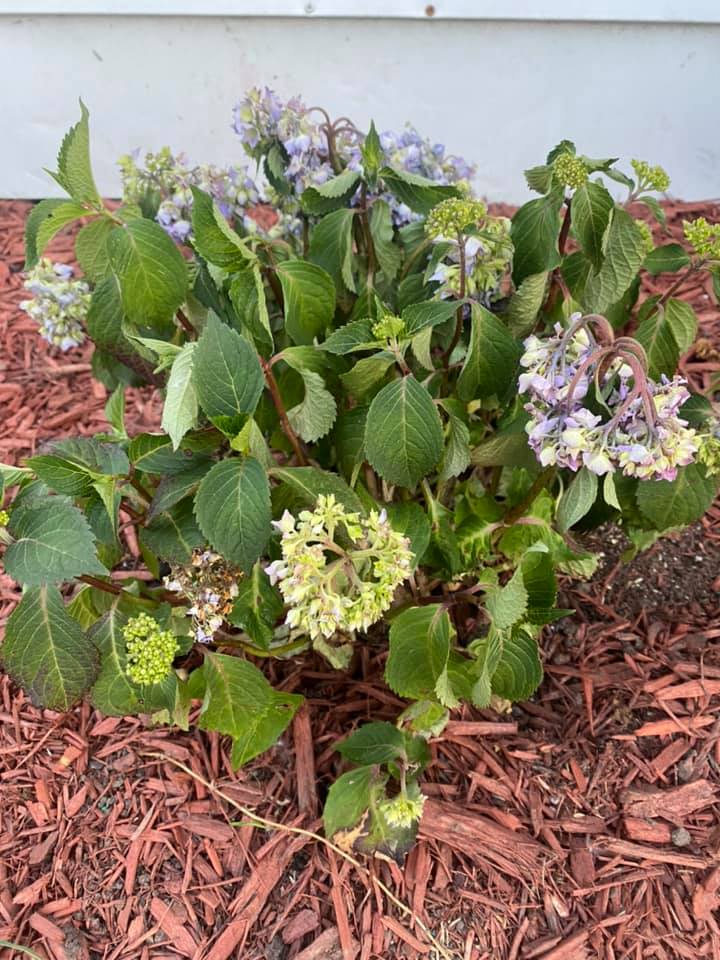
But reblooming types solve that problem. They set buds on both old wood (from the previous year) and new wood (current season’s growth). This means even if winter damages some stems, the plant still produces blooms.
The breakthrough came with the Endless Summer series. Introduced in the early 2000s, it was developed from a plant found in Minnesota that survived tough winters and bloomed reliably.
As one expert notes, “Endless Summer Hydrangeas are known to bloom 10 to 12 weeks longer than average Hydrangea macrophylla plants and show well in colder climates since they are able to bloom on the current season’s new growth.”
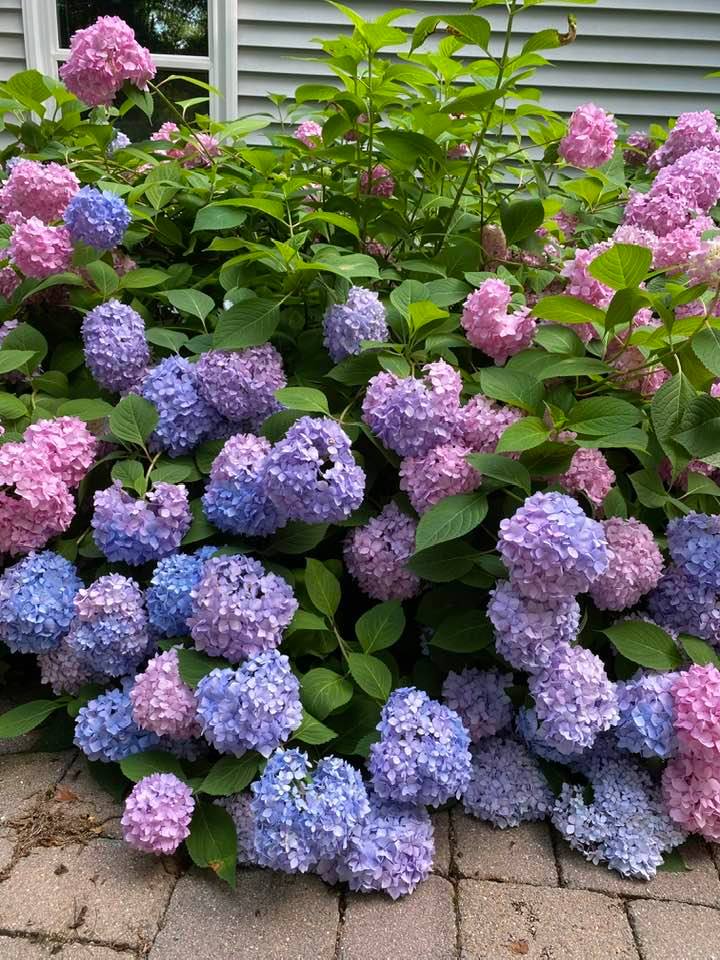
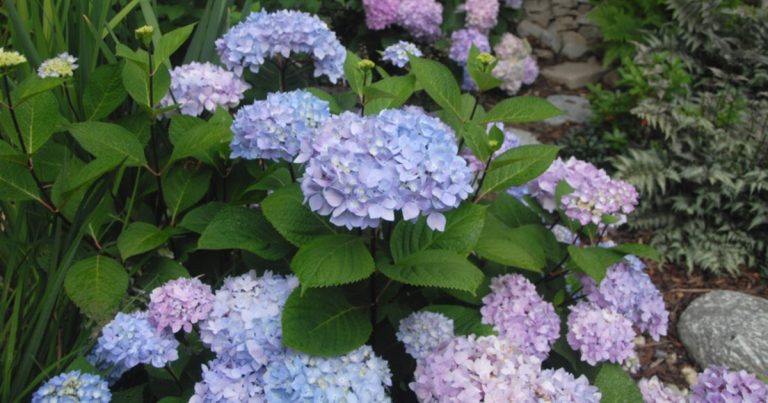
This reliability makes them a favorite. Gardeners in zones 4 through 9 can enjoy mophead or lacecap flowers in pink, blue, purple, or white, often shifting colors based on soil pH. Acidic soil (lower pH) tends to produce blue tones, while alkaline soil brings out pinks. Some newer varieties hold their color more steadily.
Popular Reblooming Hydrangea Varieties
Many reblooming hydrangeas belong to Hydrangea macrophylla, but some smooth (H. arborescens) and mountain types (H. serrata) also rebloom.
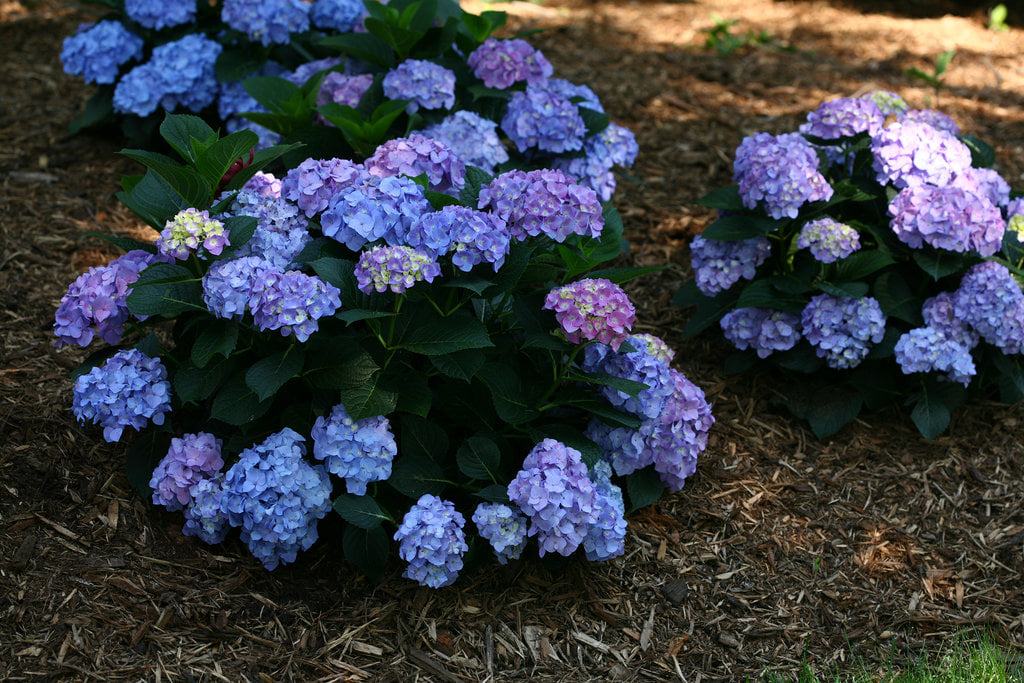
- Endless Summer The Original: The classic one. It grows 3-5 feet tall and wide with large mophead blooms in blue or pink. It starts flowering in early summer and continues until frost if conditions are right.
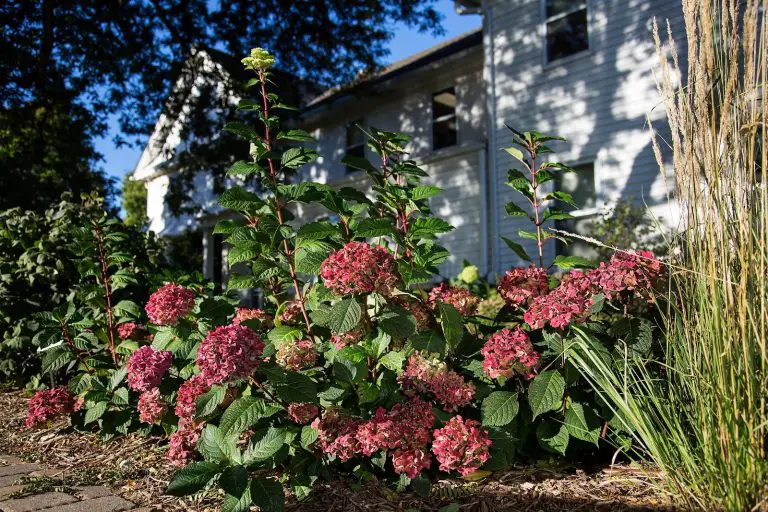
- BloomStruck: From the same collection, it offers red stems and blooms that shift from purple to pink. It’s compact and cold-hardy.
- Twist-n-Shout: A lacecap type with pink or blue edged flowers. It reblooms well and adds a delicate look.
- Incrediball or similar smooth hydrangeas: These bloom on new wood, so they reliably rebloom in long seasons.
- Seaside Serenade series: Compact rebloomers with lacecap or mophead forms. One expert describes them as “a compact and unique rebloomer that flowers all summer and into the fall.”
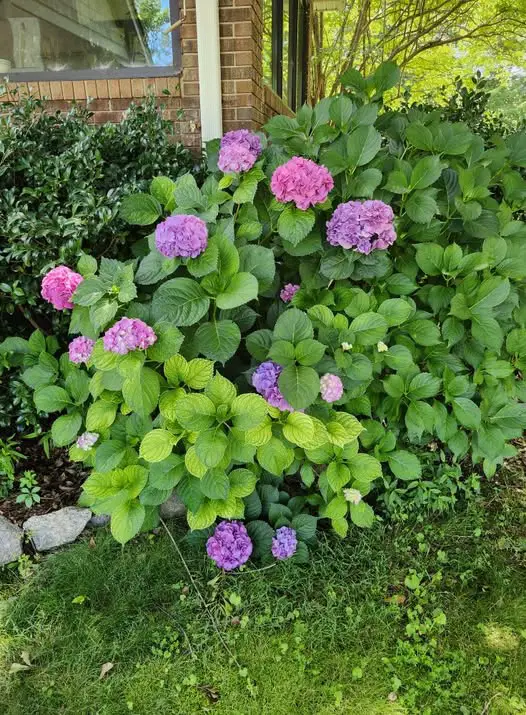
These varieties suit borders, containers, hedges, or foundations. Their compact sizes—often 3-4 feet—fit smaller gardens without overwhelming the space.
When to Plant Reblooming Hydrangeas
Timing matters a lot for healthy establishment. Plants need time to develop roots before extreme weather.
Many experts recommend fall as the top choice. Cooler air and soil encourage root growth without the stress of summer heat. “Autumn is the best time to plant hydrangeas, followed by spring,” notes one gardening resource.
In fall, aim for 6-8 weeks before the first hard frost. This gives roots a head start for spring blooms.
Spring works well too, especially in colder zones. Plant after the last frost date, usually April or May in many areas. “Plant reblooming hydrangeas in April or May once the soil has warmed up and frost has passed,” advises garden designer Christina Koether.
Avoid summer planting if possible. Heat and dry conditions make it harder for new plants to settle. If you must plant then, provide extra shade and water.
In warmer zones (7-9), fall planting helps avoid summer drought stress. In cooler zones (4-6), spring planting lets plants establish before winter.
You May Also Like: How to get Hydrangeas to Rebloom
How to Plant Reblooming Hydrangeas
Good planting sets the stage for years of blooms.
- Choose the spot carefully. These plants prefer morning sun and afternoon shade. In northern areas, they handle more sun; in southern spots, more shade prevents wilting. “The farther north you are – Zones 4-5a – the more sun your hydrangeas can handle,” says the Endless Summer guide. “We recommend planting your hydrangea macrophylla in a location that allows for full morning sun with dappled shade in the afternoon.”
- Prepare the soil. It should be rich, moist, and well-drained. Add compost or organic matter to improve texture. Test pH if you want specific colors—aim for 5.2-5.5 for blue, 6.0+ for pink.
- Dig the hole. Make it twice as wide as the root ball and just as deep. “Dig a hole twice as wide and deep as the pot,” suggests gardening author Anne Reeves. Place the plant so the top of the root ball sits level with the ground.
- Backfill and water. Fill with soil, firm gently, and water deeply. Mulch around the base (2-3 inches) to hold moisture and keep roots cool. Keep mulch away from the stems.
- Space them properly. Allow 3-5 feet between plants for air flow and growth.
Water new plants regularly the first year—about 1 inch per week. Consistent moisture helps roots spread.
Ongoing Care for Reblooming Blooms
Rebloomers are forgiving, but a few habits boost performance.
1. Watering
Keep soil evenly moist, especially in dry spells. Morning watering reduces disease risk. Mulch helps retain moisture.
2. Fertilizing
Use a slow-release or balanced fertilizer in spring and early summer. Stop by late July to avoid soft growth that winter damages. “Fertilizing monthly from early spring through late July is recommended for reblooming bigleaf hydrangeas,” one guide states. Over-fertilizing can reduce blooms.
3. Pruning
Little is needed. Remove dead wood in spring after leaves emerge. Deadhead spent flowers to encourage more, but stop in late summer. “Reblooming hydrangeas are a godsend for those of us who garden in cold climates or climates with finicky weather,” says hydrangea expert Lorraine Ballato.
4. Winter Protection
In cold zones, mulch heavily or cover with leaves. The rebloom trait means even stem loss doesn’t eliminate flowers. Learn more about how to revive Hydrangeas after frost.
5. Color Control
Adjust pH with amendments like aluminum sulfate for blue or lime for pink.
Common Issues and Solutions
Wilting leaves often mean too much sun or dry soil. Move to better shade or water more. Few blooms? Check light, pruning timing, or over-fertilizing. Pests like aphids are rare but treatable.
Reblooming hydrangeas reward patience and care. Their long season of color brings real satisfaction.
As hydrangea expert Mal Condon, who has studied them for over 50 years, points out, these cultivars make up a large share of plants sold because they deliver reliably.
Whether you’re new to gardening or experienced, adding reblooming hydrangeas feels like a smart choice. They turn ordinary spots into vibrant displays, year after year. Plant at the right time, give them the right spot, and enjoy the show.

Tim M Dave is a gardening expert with a passion for houseplants, particularly cacti and succulents. With a degree in plant biology from the University of California, Berkeley, he has vast experience in gardening. Over the years, he has cultivated a vast collection of desert plants and learned a great deal about how to grow and care for these unique companions.