7 Tips for Protecting Your Outdoor Cacti from Winter’s Bite
Winter can be brutal for outdoor cacti. I learned this the hard way when a sudden freeze turned my favorite barrel cactus into a soggy mess. Living in the U.S., where winters range from mild to downright arctic, protecting your outdoor cacti is a must.
These desert beauties love sun and heat, but frost? Not so much. Cacti are built for harsh deserts, not icy winters. Most species come from places where freezing temperatures are rare.
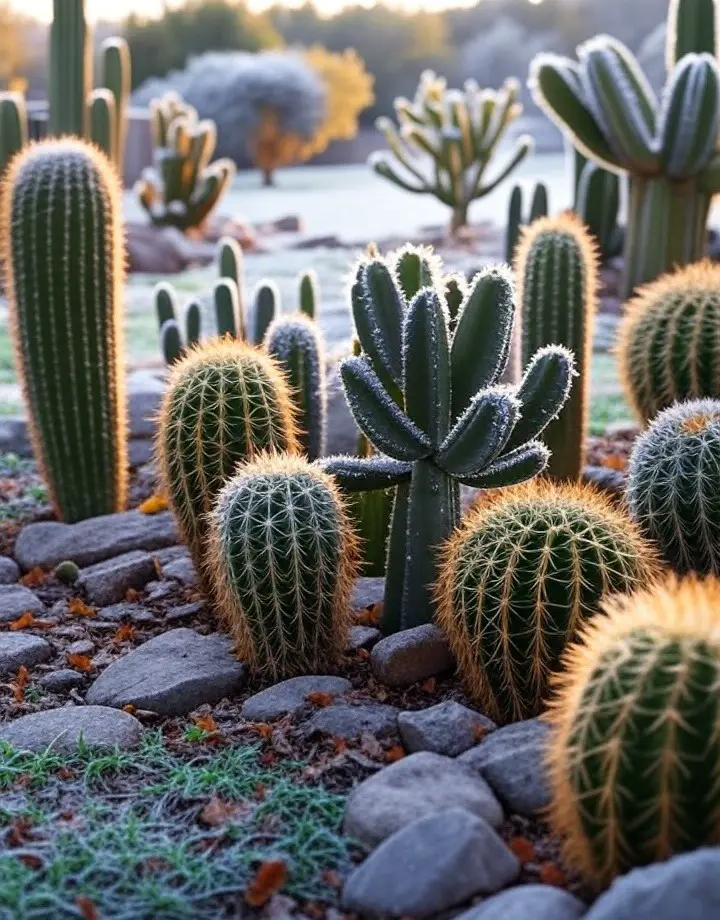
In American yards, outdoor cacti face frost, snow, and wild temperature swings. Without protection, they can suffer frostbite, root rot, or worse. I’ve lost a few cacti to winter’s wrath, and it’s a gut punch every time. Let’s make sure your prickly friends stay safe.
My Top Tips for Protecting Outdoor Cacti
Here’s how I keep my outdoor cacti happy through winter. These steps work whether you’ve got a sprawling cactus garden or a few potted plants on your patio.
1. Know Your Cactus and Your Climate
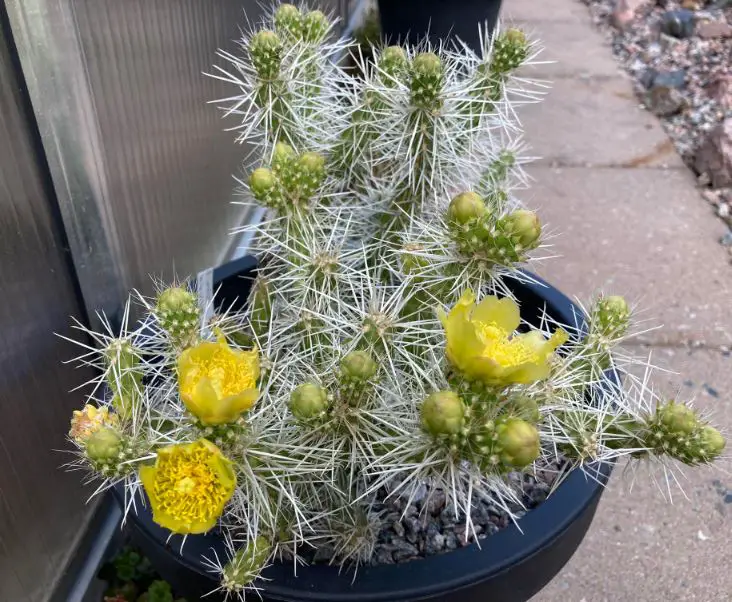
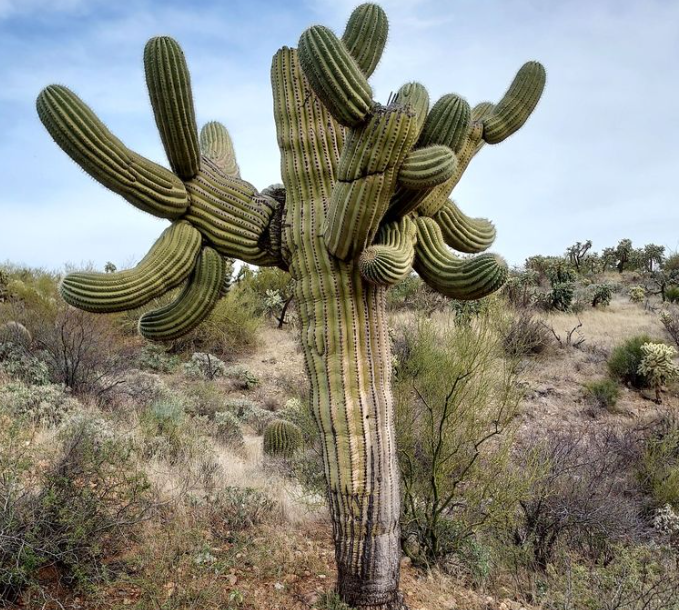
Not all cacti handle cold the same way. Some, like the prickly pear, laugh off light frosts. Others, like the saguaro, get hit below 20°F. So, check your cactus’s cold tolerance using the USDA Plant Hardiness Zone Map.
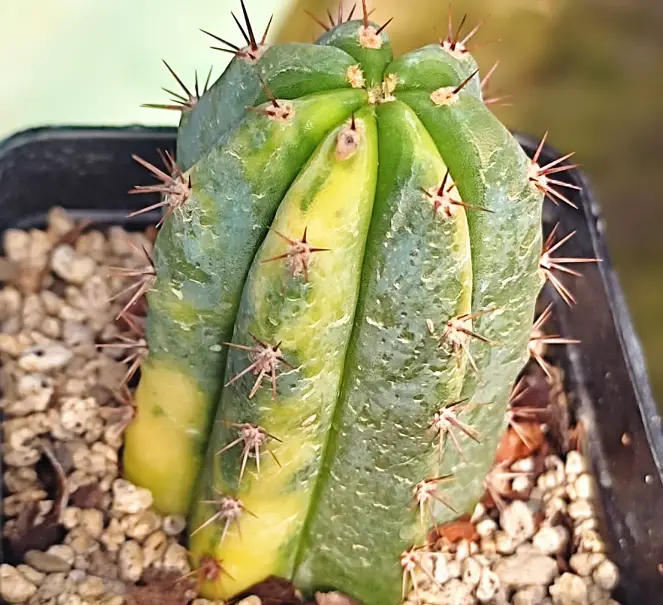
I live in Zone 7, where winters dip to 0°F, so I know my echinopsis needs extra care. Your local climate matters too. A Texas winter is nothing like one in Minnesota. Use a weather app—I swear by AccuWeather—to track freezes in your area.
2. Insulate the roots
Cold soil is a silent cactus killer. I pile 2-3 inches of mulch around the base of my cacti. Straw, gravel, or bark works great. It keeps roots warm and protects against freezing ground. Just don’t bury the cactus stem—moisture trapped there causes rot.
3. Use frost covers
When frost is coming, I cover my cacti with frost cloth or old bedsheets. For small cacti, I use plastic buckets or cloches, but I poke holes for airflow. Trapped moisture is a recipe for rot. Last winter, a surprise freeze hit my garden, and my frost cloth saved my golden barrel cactus.
You can find affordable frost cloth online or at garden centers.
4. Move potted cacti
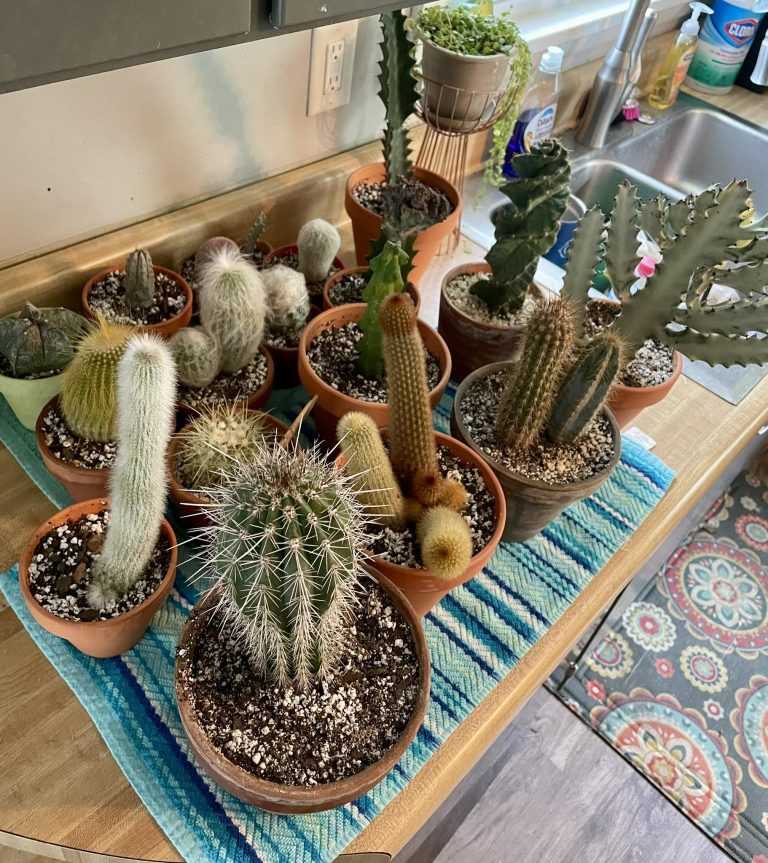
If your cacti are in pots, bring them indoors during freezes. I move my patio collection to my garage when temperatures drop below 25°F. No garage? A shed or covered porch works too. If moving isn’t an option, wrap pots in bubble wrap or burlap for insulation.
I’ve even stacked straw bales around larger pots for extra protection.
5. Stop watering
Cacti need almost no water in winter. I stopped watering from November to February. Wet soil plus cold equals root rot, especially in clay-heavy yards. If you’re in a mild climate like Southern California, you might water once a month, but only if the soil is bone dry.
Stick your finger an inch into the soil—if it’s damp, skip it.
6. Choose cold-hardy Varieties
If you live in a cold region like Montana or Wisconsin, plant cold-tolerant cacti. Hedgehog cacti and some prickly pears can survive down to -20°F. I added an escobaria to my garden after losing a tender species to a deep freeze.
Check your USDA zone and pick cacti that match your climate.
7. Build a temporary shelter
For harsh winters, a temporary greenhouse or cold frame is a game-changer. I built a simple PVC pipe frame covered with clear plastic sheeting for my Zone 7 garden. It kept my cacti cozy during a week of snow.
You can buy pre-made cold frames online, but DIY options are cheap and effective. Just ensure ventilation to avoid humidity buildup.
Common Winter Cactus Problems (and How I Fix Them)
Even with care, issues pop up. Here’s what I’ve faced and how I handle them:
- Frost damage: Blackened or mushy spots mean frostbite. I trim the damaged areas with a clean knife and let the cactus heal in a dry spot.
- Root rot: Soggy soil is usually the culprit. I dig up the cactus, cut away rotten roots, and repot it in fresh, well-draining soil.
- Shriveling: This signals dehydration or extreme cold. I move the cactus to a warmer spot and water lightly if the soil is dry.
- Pests: Mealybugs love winter’s low light. I dab them with rubbing alcohol on a cotton swab. Inspect your plants regularly and, if necessary, employ some of the eco-friendly pest control mechanisms.
My Favorite Winter Cactus Hacks
These tricks have saved my cacti time and again:
- Use terracotta pots. They drain better than plastic, reducing rot risk.
- Label your cacti. I tag mine with their species and cold tolerance. It’s a lifesaver when planning winter care.
- Group plants together. Clustering cacti creates a warmer microclimate. I arrange my pots in tight circles during cold snaps.
- Monitor the weather. I check my weather app daily to stay ahead of freezes.
Final thoughts
There’s something satisfying about helping cacti survive winter. Each spring, when my prickly pear sprouts new pads or my saguaro stands tall, I feel like I’ve beaten the odds. My garden is a testament to trial and error. I’ve lost some cacti, but each one taught me how to do better.
Protecting them feels like nurturing a piece of the desert in my own backyard. This just needs a little preparation. Know your cactus, your climate, and the risks. Insulate roots, cover during frosts, and stop watering.
Got a cactus you’re worried about? Drop a comment—I’d love to share more tips!

Tim M Dave is a gardening expert with a passion for houseplants, particularly cacti and succulents. With a degree in plant biology from the University of California, Berkeley, he has vast experience in gardening. Over the years, he has cultivated a vast collection of desert plants and learned a great deal about how to grow and care for these unique companions.