The Ultimate Guide to the Best Potting Soil Mix for Cactus
Cacti are my favorite houseplants. Their quirky shapes and low-maintenance make them perfect for a busy person like me. But here’s the thing: getting the right potting soil mix for your cactus is a game-changer.
I learned this the hard way after overwatering my first prickly friend and watching it turn to mush.
If you want your cacti to thrive, not just survive, you need a soil mix that mimics their desert home.
In this guide, I’ll walk you through everything you need to know about creating the perfect potting soil mix for cacti. From ingredients to DIY recipes, I’ve got you covered.
Why Cactus Soil Matters
Cacti aren’t like your average houseplant. They’re desert natives, used to sandy, gritty soils that drain water faster than you can say “succulent.” In the U.S. homes, where humidity and indoor conditions vary, using the wrong soil can spell disaster.
Standard potting soil holds too much water, leading to root rot—a cactus’s worst enemy. A well-draining, nutrient-balanced mix keeps your cactus happy and healthy.
I remember my first cactus, a cute little barrel type. I plopped it into regular potting soil, thinking, “How hard can this be?” Big mistake. Within weeks, it was soft and sad. That’s when I started researching and experimenting with soil mixes.
The right mix makes all the difference, and I’m excited to share what I’ve learned.
What Makes a Great Cactus Potting Soil Mix?
A great cactus soil mix needs three key qualities: drainage, aeration, and nutrient balance. Here’s why:
- Cacti hate wet feet. The soil must let water pass through quickly.
- Roots need air to breathe. A loose, airy mix prevents compaction.
- Cacti need some nutrients, but not too many. Overly rich soil can burn their roots.
The ideal mix mimics the desert: sandy, rocky, and low in organic matter. Let’s break down the ingredients you’ll need.
Essential Ingredients for Cactus Soil Mix
You don’t need a PhD in botany to make a great cactus soil mix. Most ingredients are easy to find at local garden centers or online. Here’s what I use, based on years of experience.
1. Potting soil (The Base)
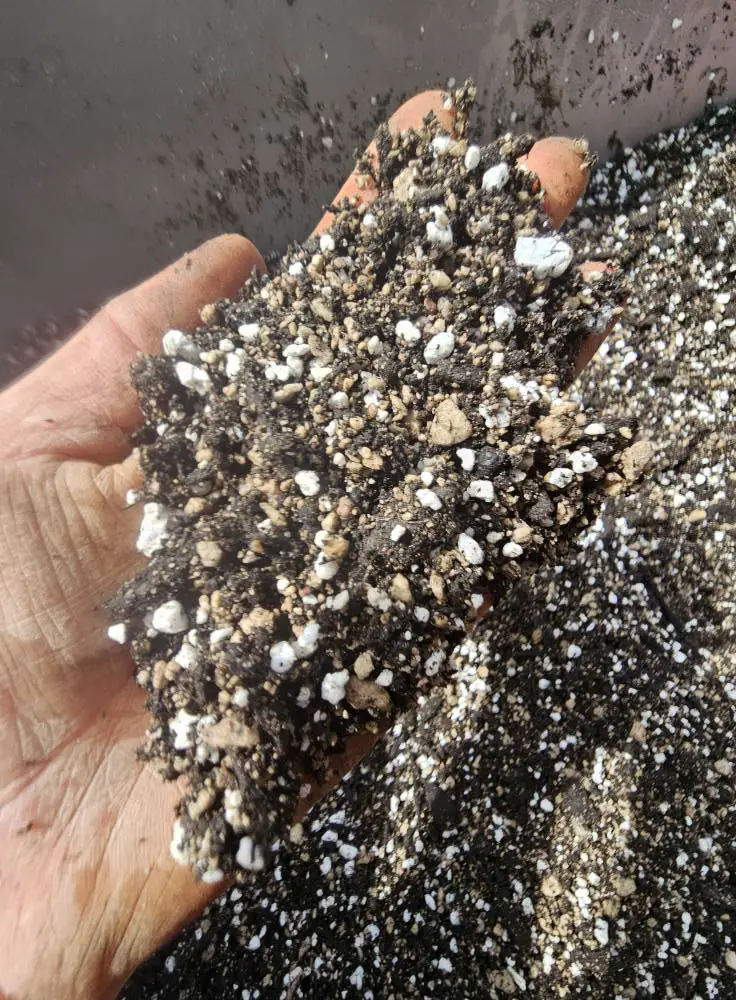
Start with a high-quality, all-purpose potting soil as your base. Look for one labeled “well-draining” or “for succulents.” Avoid heavy, moisture-retaining mixes designed for tropical plants.
I like Miracle-Gro Cactus, Palm & Citrus Potting Mix because it’s pre-blended for succulents but still customizable.
2. Coarse sand
Sand adds grittiness and improves drainage. I use coarse builder’s sand or horticultural sand, which you can find at hardware stores. Avoid fine beach sand—it compacts too much. A bag of Quikrete All-Purpose Sand works great. I often get it at Lowe’s.
3. Perlite or pumice
Perlite is my go-to for aeration. These white, lightweight pebbles keep the soil loose and prevent water from pooling. Pumice is another option, though it’s pricier. I’ve used Espoma Organic Perlite available on Amazon with great results.
Check here for the difference between perlite and pumice and choose which to use.
4. Crushed gravel or small pebbles
Gravel adds structure and mimics the rocky desert floor. I collect small pebbles from my backyard, but you can buy decorative gravel at garden centers. It’s optional, but it gives your mix that authentic cactus vibe.
5. Compost (Optional)
A small amount of compost adds nutrients, but go easy—too much organic matter holds water. I use a tiny bit of well-rotted compost or worm castings, about 10% of the mix.
My Go-To DIY Cactus Soil Recipe
After years of tweaking, here’s my foolproof cactus soil recipe. It’s simple, affordable, and works for most cacti, from arid Arizona to humid Florida.
Ingredients
- 1 part potting soil
- 1 part coarse sand
- 1 part perlite or pumice
- ½ part crushed gravel (optional)
Instructions
- Grab a large bucket or mixing tray. I use an old plastic storage bin.
- Measure equal parts potting soil, sand, and perlite. For a small batch, I use a 1-quart container as my “part.”
- Mix thoroughly with a trowel or your hands (wear gloves if you’re messy like me!).
- Add gravel for extra texture if desired.
- Test the mix by squeezing a handful. It should crumble easily, not clump like wet mud.
- Store leftovers in an airtight container to keep it fresh.
This mix drains fast, stays airy, and gives your cactus the desert-like home it craves.
Store-Bought Cactus Soil: Is It Worth It?
If DIY isn’t your thing, store-bought cactus soil mixes are a solid option. They’re convenient and formulated for succulents. I’ve tried a few, and here are my favorites:
- Miracle-Gro Cactus, Palm & Citrus Mix: Affordable and widely available. It’s a bit heavy on organic matter, so I mix in extra perlite.
- Hoffman Organic Cactus and Succulent Soil Mix: Lightweight and well-draining, perfect for beginners.
- Black Gold Cactus Mix: You can find it at local nurseries or online. It’s a premium option with excellent drainage.
Pro tip: Even store-bought mixes can benefit from a little tweaking. I often add a handful of perlite or sand to ensure super-fast drainage, especially in humid climates like the Southeast.
Potting Your Cactus: Step-by-Step
Now that you’ve got the perfect soil mix, let’s pot your cactus. Here’s how I do it:
- Choose the right pot: Terracotta pots are my favorite—they’re porous and help wick away moisture. Make sure the pot has drainage holes. I love these Pennington Terra Cotta Pots available at Target.
- Add a base layer: Place a thin layer of gravel or small rocks at the bottom of the pot to boost drainage.
- Fill with soil: Add your cactus soil mix, leaving room for the plant’s roots.
- Plant the cactus: Gently place your cactus in the pot. Hold it with tongs or a folded towel to avoid spines (trust me, I’ve learned this lesson!). Fill in around the roots with more soil.
- Top it off: Add a layer of decorative gravel or sand on top for a polished look.
- Water sparingly: Wait a week before watering to let the roots settle. Then, water lightly—about a tablespoon for small pots.
FAQs About Cactus Potting Soil
Q: Can I use regular potting soil for my cactus?
A: Not really. Regular potting soil holds too much water, which can cause root rot. Mix it with sand and perlite to make it cactus-friendly.
Q: How often should I repot my cactus?
A: Repot every 2–3 years or when the cactus outgrows its pot. I check mine annually to see if the roots are cramped.
Q: Where can I buy cactus soil ingredients?
A: Most garden centers like Home Depot, Lowe’s, or Walmart carry potting soil, sand, and perlite. Online retailers like Amazon or specialty nurseries also have great options.
Q: Can I reuse old cactus soil?
A: Yes, but refresh it with new perlite and sand. Old soil can compact over time, reducing drainage.
Q: What’s the best soil for specific cacti, like saguaro or prickly pear?
A: Most cacti do well with the standard mix, but saguaros prefer extra gravel for stability, while prickly pears tolerate slightly more organic matter.
Final thoughts
Growing cacti has been a joy for me, especially since I nailed the soil mix. There’s something satisfying about watching these tough little plants thrive in my home. Whether you’re in a sunny California apartment or a cozy Minnesota house, the right soil mix makes cactus care a breeze.
I love experimenting with different ratios and seeing how my cacti respond. My barrel cactus, once a sad, soggy mess, is now a spiky showstopper thanks to a well-draining mix.
Creating the perfect DIY potting soil mix for your cactus doesn’t have to be complicated. With a few simple ingredients—potting soil, sand, perlite, and maybe some gravel—you can give your cacti the desert home they love.
Ready to get started? Grab your supplies, mix up a batch, and pot your cactus with confidence. If you have questions or want to share your cactus success stories, drop a comment below. Happy planting!
For more cactus care tips, check out the University of Arizona Cooperative Extension cals.arizona.edu or the Cactus and Succulent Society of America cssainc.org.

Tim M Dave is a gardening expert with a passion for houseplants, particularly cacti and succulents. With a degree in plant biology from the University of California, Berkeley, he has vast experience in gardening. Over the years, he has cultivated a vast collection of desert plants and learned a great deal about how to grow and care for these unique companions.