Opuntia Flowering Cycle: When Do Prickly Pear Cactus Bloom?
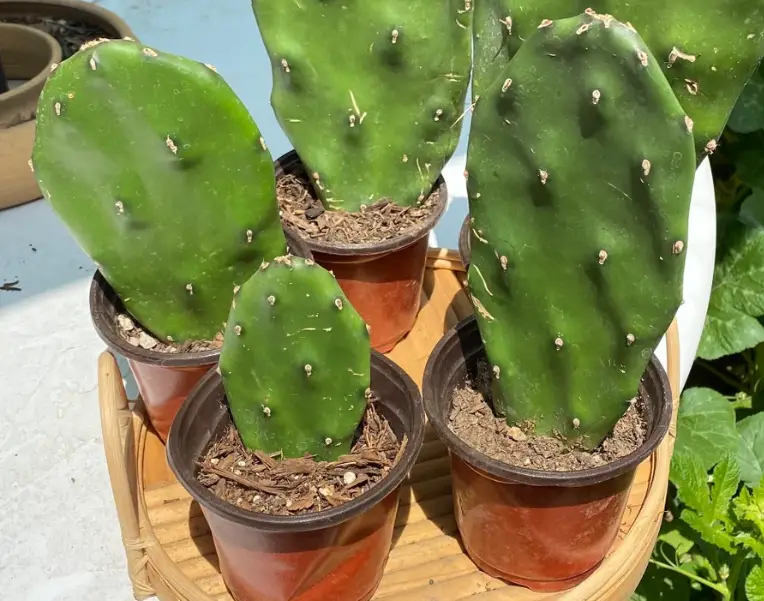
The prickly pear cactus, scientifically known as Opuntia, is a remarkable plant that has captured the imagination of gardeners across the United States. With its flat, paddle-shaped pads and vibrant fruits, it stands as a symbol of resilience in arid landscapes.
Originating from Mexico and Central America, prickly pears have low water needs—often requiring irrigation only during establishment. This aligns with sustainable gardening practices promoted by organizations like the USDA.
In terms of growth, they can form sprawling colonies up to 8 feet wide and tall. However, many varieties stay more compact at 3-5 feet. These succulents prefer full sun, well-drained soil, and minimal maintenance, making them ideal for xeriscaping, rock gardens, or even containers on urban patios.
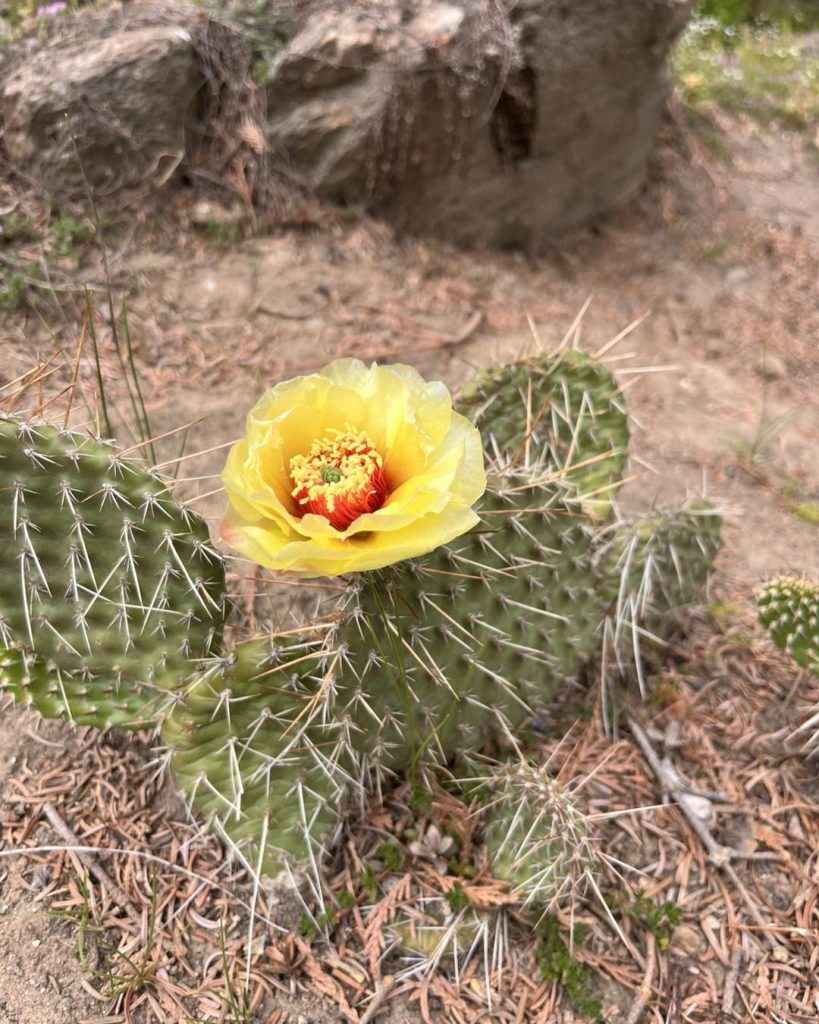
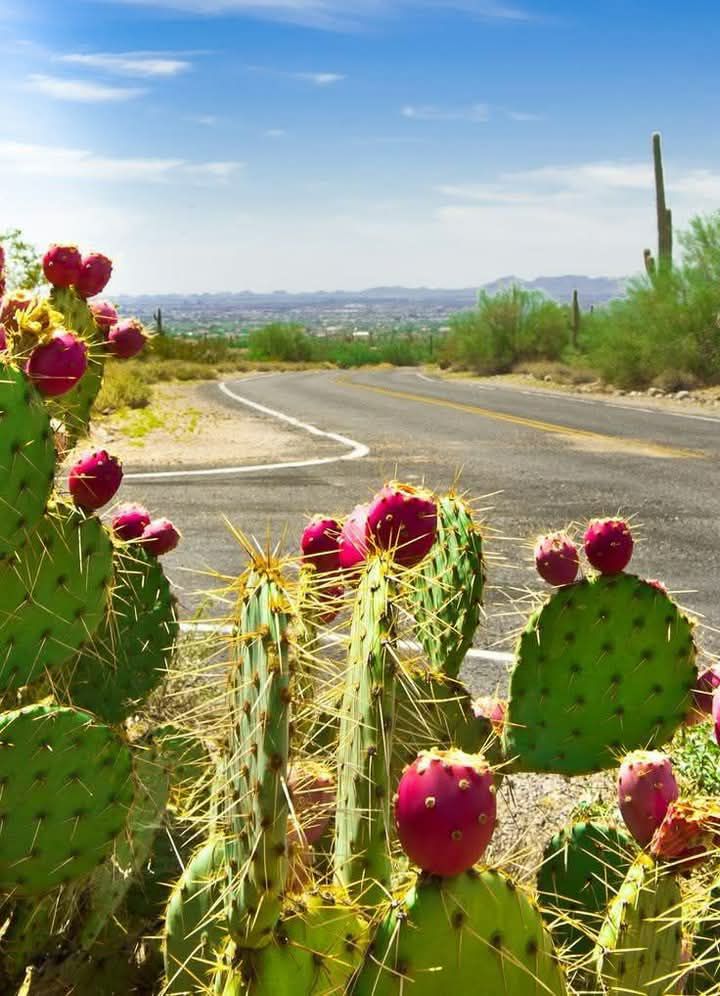
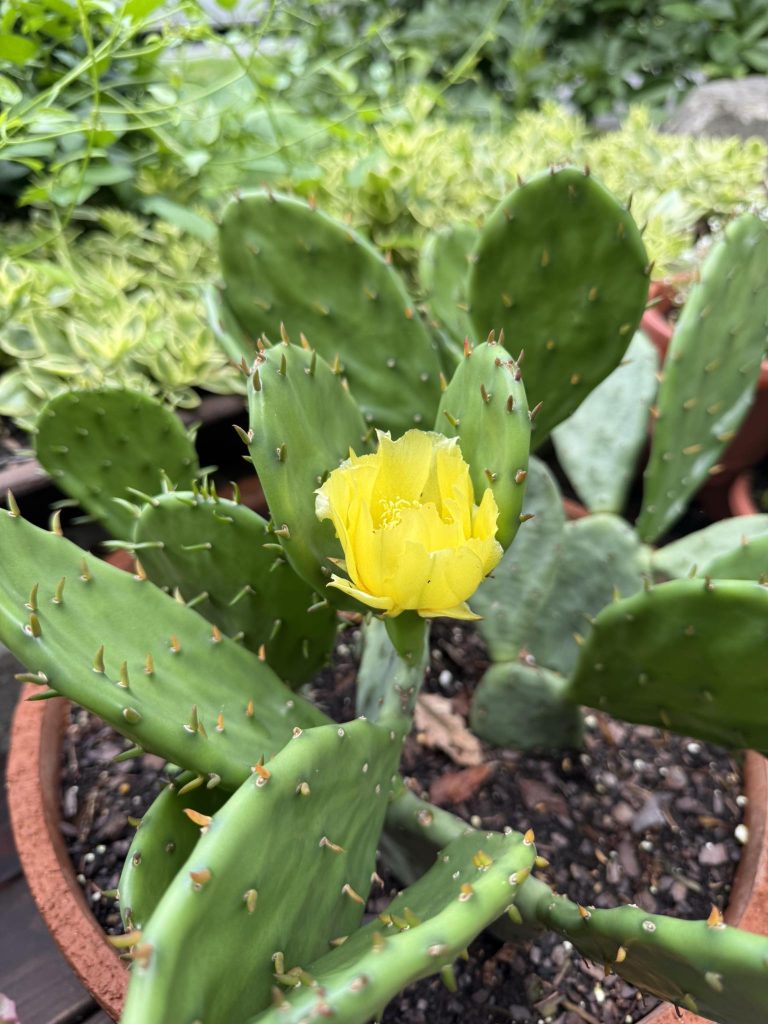
But the real magic happens during bloom time, when those pads erupt in flowers. Ranging from yellow and gold to pink and purple, they bring color and pollinators like butterflies into the garden. Colorful fruits, edible raw or in jams, follow.
When Do Prickly Pear Cacti Bloom?
The burning question: When do prickly pear cactus bloom? The answer varies by region, species, and environmental factors, but generally, blooming occurs in late spring to early summer ( April to July), with peak times influenced by local climate.
1. Southwest (Arizona, New Mexico, Texas, Nevada)
In these arid zones, blooms typically start in mid-April and peak in May-June. For instance, in Tucson, Arizona, I’ve seen Opuntia engelmannii burst into yellow flowers around late April, lasting until early July.
The dry heat accelerates bud formation, with flowers opening in the morning and closing by afternoon to conserve moisture.
2. Southeast (Florida, Georgia, Louisiana)
Humid conditions shift blooming slightly later, from May to July. Opuntia humifusa in Florida gardens often flowers in early June, producing gold blooms that attract local wildlife. The added moisture can extend the season but risks rot if drainage is poor.
3. Northeast and Midwest (New York, Pennsylvania, Illinois, Indiana)
Cold-hardy varieties like Opuntia humifusa bloom from late May to early July. In Indiana’s sandy dunes, prickly pears at nature preserves flower in June, a sight that’s rare but rewarding in cooler climates.
4. Pacific Northwest and California
Coastal areas see blooms from April to June, with Opuntia ficus-indica thriving in California’s Mediterranean climate. In Oregon, hardy varieties might delay until mid-May due to cooler springs.
5. Great Plains and Rockies (Colorado, Montana, Oklahoma)
Blooming aligns with warmer weather, typically May-July. Opuntia polyacantha in Colorado’s high altitudes flowers in June, adapting to shorter growing seasons.
Key Factors Influencing Prickly Pear Cactus Blooming
Buds form on the edges of mature pads, developing over 4-6 weeks before opening into 2-4 inch wide flowers. Each bloom lasts 1-3 days, but a healthy plant can produce dozens, creating a staggered display.
In my experience, plants need 2-3 years of maturity to bloom reliably, so patience is key for new gardeners. Several elements determine if and when your prickly pear will bloom.
1. Sunlight Exposure
Prickly pears require at least 6-8 hours of direct sun daily. Insufficient light is a top reason for non-blooming. In shaded spots, plants prioritize pad growth over flowers.
2. Temperature and Seasonality
Blooms are triggered by warming temperatures above 60°F (15°C). Cold snaps can delay or abort buds, while excessive heat above 100°F (38°C) might shorten bloom duration.
3. Watering Practices
Overwatering leads to root rot, inhibiting blooms, while drought stress can prevent bud formation. Established plants need water every 2-4 weeks in summer, less in winter. In rainy years, like those in the Southeast, excess moisture might cause blossom rot, while dry spells in the Southwest enhance color intensity.
4. Soil Quality and Drainage
Sandy, well-drained soil with pH 6-7.5 is ideal. Heavy clay retains moisture, causing issues; amend with gravel or perlite.
5. Nutrient Balance
Phosphorus-rich fertilizers encourage flowering. A balanced 5-10-5 formula applied in spring works wonders, but avoid nitrogen-heavy mixes that favor foliage.
6. Plant Age and Health
Young plants rarely bloom; maturity takes 2-5 years. Pests like cochineal scale or fungal infections can divert energy from flowering.
7. Pollination and Pruning
Bees are primary pollinators. Pruning old pads in winter promotes new growth and more blooms.
Popular Varieties of Prickly Pear Cactus
Choosing the right variety is key to successful blooming in your American garden. With over 200 species in the Opuntia genus, there’s a prickly pear for nearly every U.S. climate zone. Here are some top picks, selected for their adaptability, bloom potential, and garden appeal:
1. Opuntia humifusa (Eastern Prickly Pear)
Native to the eastern U.S., this cold-hardy variety thrives in zones 4-9. It produces bright yellow flowers in early summer and is perfect for gardens in the Midwest and Northeast. Its low-growing habit (up to 2 feet tall) makes it ideal for borders or rockeries.
2. Opuntia engelmannii (Engelmann’s Prickly Pear)
Common in the Southwest (zones 7-10), this species features large yellow blooms with red centers. It grows up to 6 feet and is drought-tolerant, suiting arid gardens in Arizona, New Mexico, and Texas. Its fruits are particularly sweet, great for harvesting.
3. Opuntia ficus-indica (Indian Fig Prickly Pear)
Often, spineless or low-spine varieties are available for easier handling. Hardy in zones 8-11, it’s popular in California and Florida for its edible pads and fruits. Blooms are yellow to orange, appearing in late spring.
Opuntia basilaris (Beavertail Prickly Pear)
Known for magenta-pink flowers, this variety excels in zones 7-10. It’s compact and spineless, making it a favorite for container gardening in urban areas like those in the Pacific Northwest.
4. Opuntia phaeacantha (Tulip Prickly Pear)
Found in the Great Plains and Southwest (zones 5-9), it forms dense thickets with yellow blooms. It’s excellent for erosion control in sloped gardens.
5. Opuntia polyacantha (Plains Prickly Pear)
Extremely cold-hardy (zones 3-9), this one blooms in vibrant yellows and pinks. Ideal for northern gardens in states like Montana or Minnesota, where winters dip below freezing.
7. Opuntia santa-rita (Purple Prickly Pear)
With pads that turn purple in cold weather, this variety (zones 7-10) offers year-round interest. Yellow flowers contrast beautifully, and it’s a staple in Southwestern xeriscapes.
8. Opuntia robusta (Wheel Cactus)
Larger pads make this a bold choice for zones 9-11, with yellow blooms and massive fruits. It’s suited to southern gardens in Florida or Louisiana.
Tip: When selecting a variety, consider your USDA hardiness zone and soil type. Nurseries like those in California often offer hybrids bred for better cold tolerance or fewer spines, enhancing their appeal for gardeners.
Essential Care Tips for Encouraging Blooms
To maximize prickly pear cactus bloom time, here are essential tips:
- Planting: Spring or early summer is best. Dig a hole twice the pad’s size, plant at a 45-degree angle for stability. Space 3-6 feet apart.
- Watering schedule: New plants need weekly watering for the first month. Mature ones: Southwest (monthly in summer), Southeast (every 2 weeks), Northeast (as needed during dry spells).
- Fertilizing: Apply cactus fertilizer in early spring. In nutrient-poor soils like those in the Rockies, supplement with bone meal for phosphorus.
- Pruning and maintenance: Remove damaged pads in fall. Use tongs to avoid glochids. In cold zones, mulch with gravel for winter protection.
- Pest control: Monitor for aphids or scale. Use neem oil or insecticidal soap to treat.
- Container growing: For patios, use large pots with cactus mix. Overwinter indoors in zones below 5.
Common Blooming Problems and Solutions
If your prickly pear isn’t blooming, don’t despair. Here are common issues and fixes:
- No blooms at all: Likely immaturity or low light. Wait for 2-3 years; ensure full sun.
- Bud drop: Caused by sudden temperature changes or overwatering. Stabilize the environment and water sparingly.
- Few or small flowers: This is commonly a problem of nutrient deficiency. Fertilize with phosphorus in spring.
- Rotting blooms: Excess moisture is the main culprit. Improve drainage, avoiding overhead watering.
- Pest interference: Insects sap energy from the pads. Inspect regularly, and treat with neem oil or insecticidal soap.
- Winter damage: In northern regions, pads may shrivel. Select hardy varieties, and protect your cactus with burlap.
By addressing these, you’ll see improved blooming.
Final thought
Prickly pears offer more than flowers. Fruits ripen in late summer, edible raw or in jams. Pads are grilled as nopales. Medicinally, they aid digestion. In gardens, they provide habitat for birds.
These cacti bloom from late spring to early summer across the U.S, bringing color and beauty to gardens. With proper care, you’ll enjoy this spectacle annually.

Tim M Dave is a gardening expert with a passion for houseplants, particularly cacti and succulents. With a degree in plant biology from the University of California, Berkeley, he has vast experience in gardening. Over the years, he has cultivated a vast collection of desert plants and learned a great deal about how to grow and care for these unique companions.