Top 10 NASA Air Purifying Plants: Identification and Pictures
Indoor air quality matters more than ever. With pollutants like formaldehyde, benzene, and ammonia lurking in our homes, finding natural solutions is key. NASA’s 1989 Clean Air Study revealed that certain houseplants can filter harmful toxins while boosting oxygen levels.
These plants are not just functional—they’re beautiful, low-maintenance, and perfect for any home. In this guide, we’ll explore NASA’s top 10 air-purifying plants, diving into their features, care tips, and why they’re a must-have for cleaner air.
Top 10 Air-Purifying Plants According to NASA
Here’s a detailed look at the top 10 NASA-approved air-purifying plants. Each section includes their scientific name, USDA zone, color variations, sun exposure, mature size, lifespan, toxicity, and care tips.
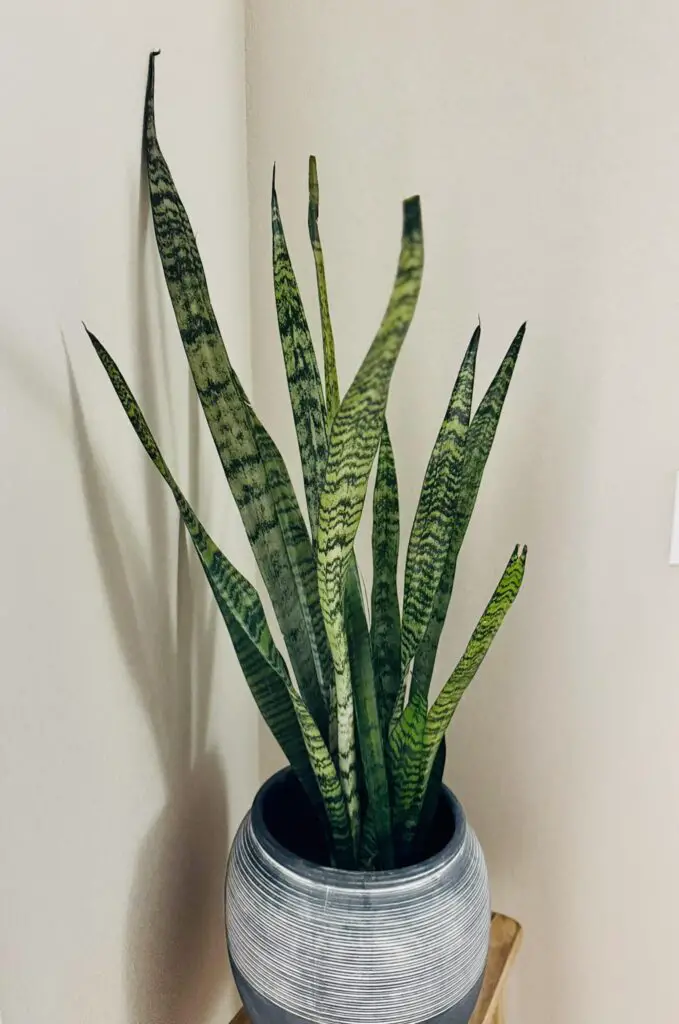
1. Snake Plant (Sansevieria trifasciata laurentii)
Known as Mother-in-Law’s Tongue, the snake plant is a hardy succulent with long, upright leaves. It’s a top performer in NASA’s study, removing benzene, formaldehyde, trichloroethylene, xylene, and toluene. Its unique ability to produce oxygen at night makes it ideal for bedrooms.
- Scientific Name: Sansevieria trifasciata laurentii
- USDA Zone: 9–11 (grown indoors in most climates)
- Color Variation: Green with yellow variegation or solid dark green
- Sun Exposure: Tolerates low to bright indirect light
- Mature Size: 2–4 feet tall
- Lifespan: 5–10 years or more with proper care
- Toxicity: Toxic to cats, dogs, and children if ingested
Care Tips:
- Water every 2–4 weeks; let soil dry completely.
- Snake plants thrive in low light but prefer indirect sunlight.
- Keep temperatures between 60–85°F.
- Wipe leaves to remove dust for better air filtration.
- Avoid overwatering to prevent root rot.
Snake plants are nearly indestructible. Their striking appearance and low maintenance make them perfect for beginners.
2. Peace Lily (Spathiphyllum wallisii)
The peace lily is a flowering plant with glossy green leaves and elegant white blooms. It excels at removing ammonia, benzene, formaldehyde, and trichloroethylene. Its high transpiration rate adds moisture to dry indoor spaces.
- Scientific Name: Spathiphyllum wallisii
- USDA Zone: 11–12 (grown indoors elsewhere)
- Color Variation: Dark green leaves, white flowers
- Sun Exposure: Low to moderate indirect light
- Mature Size: 1–4 feet tall
- Lifespan: 3–5 years with proper care
- Toxicity: Toxic to pets and humans if ingested

Care Tips:
- Water weekly; keep soil moist but not soggy.
- Prefers shady or fluorescent-lit areas.
- Mist leaves to maintain humidity.
- Trim spent blooms to encourage new growth.
- Keep away from drafts and cold temperatures.
Peace lilies are forgiving and thrive in low-light areas like offices or bathrooms. Their blooms add a touch of elegance.
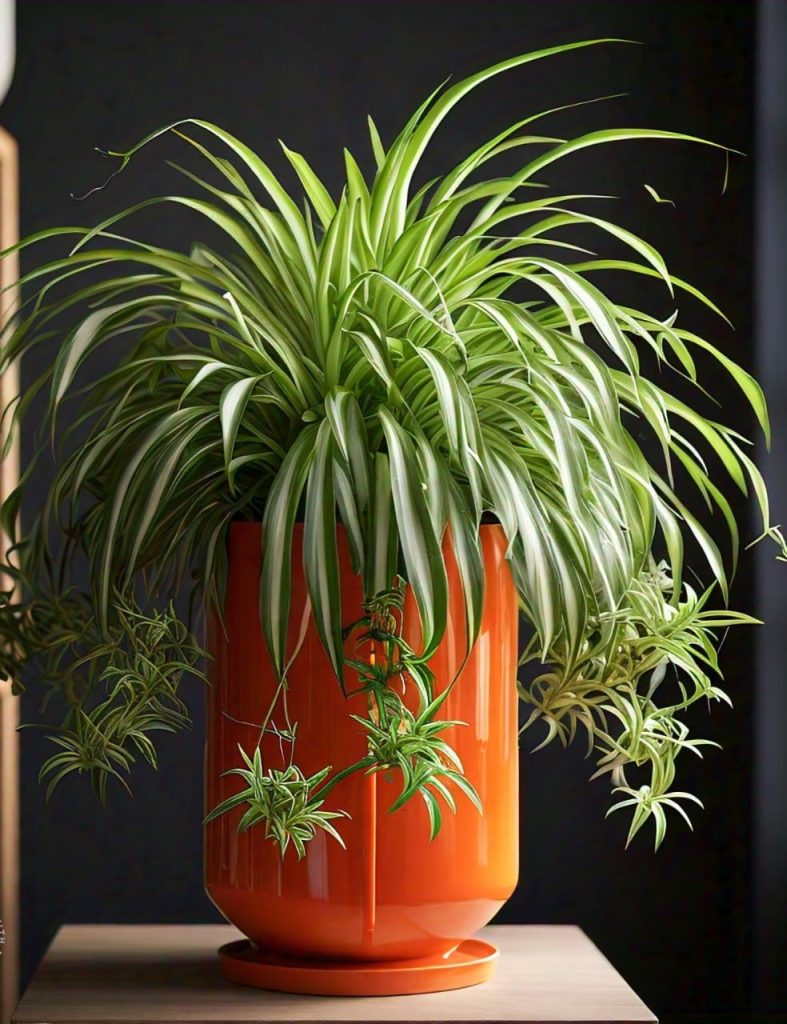
3. Spider Plant (Chlorophytum comosum)
Spider plants are known for their arching, green-and-white striped leaves. They’re excellent at removing formaldehyde, xylene, and carbon monoxide. NASA found they removed 95% of formaldehyde from a sealed chamber in 24 hours.
- Scientific Name: Chlorophytum comosum
- USDA Zone: 9–11 (grown indoors in most regions)
- Color Variation: Green with white or yellow stripes
- Sun Exposure: Bright, indirect light
- Mature Size: 1–2 feet tall and wide
- Lifespan: 5–10 years or more
- Toxicity: Non-toxic to pets and humans
Care Tips:
- Water weekly; allow soil to dry slightly between waterings.
- Thrives in bright, indirect light but tolerates low light.
- Use well-draining soil.
- Trim spiderettes for propagation or aesthetics.
- Keep in temperatures between 60–75°F.
Spider plants are pet-friendly and easy to propagate. Their cascading leaves look stunning in hanging baskets.
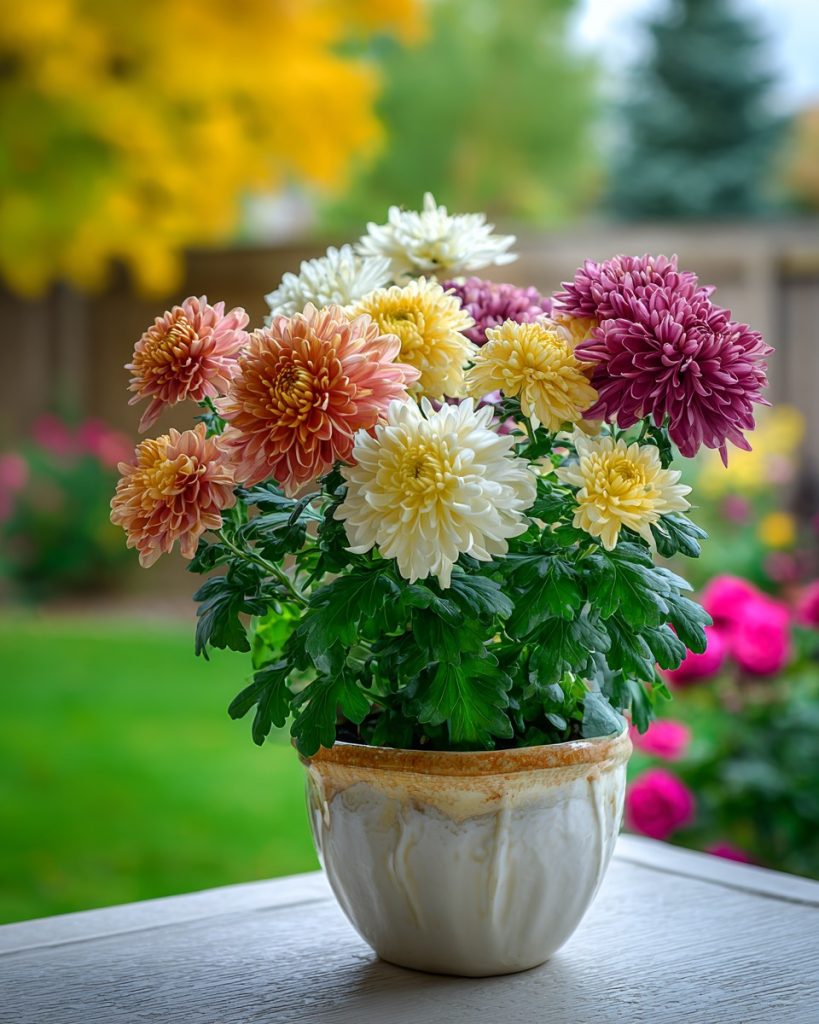
4. Chrysanthemum (Chrysanthemum morifolium)
Also called florist’s mum, chrysanthemums are vibrant flowering plants. They topped NASA’s study, removing 61% of formaldehyde, 53% of benzene, and 41% of trichloroethylene in 24 hours.
- Scientific Name: Chrysanthemum morifolium
- USDA Zone: 5–9 (grown indoors for air purification)
- Color Variation: Red, yellow, orange, pink, or white flowers
- Sun Exposure: Bright, direct sunlight
- Mature Size: 1–3 feet tall
- Lifespan: 3–4 years with proper care
- Toxicity: Toxic to pets if ingested
Care Tips:
- Water when the top inch of soil is dry.
- Place in a sunny window for 4–6 hours of direct light.
- Deadhead spent flowers to prolong blooming.
- Use well-draining soil with added compost.
- Keep temperatures between 60–70°F.
Chrysanthemums add a pop of color while purifying the air. They’re ideal for sunny spaces but require more attention than other plants.
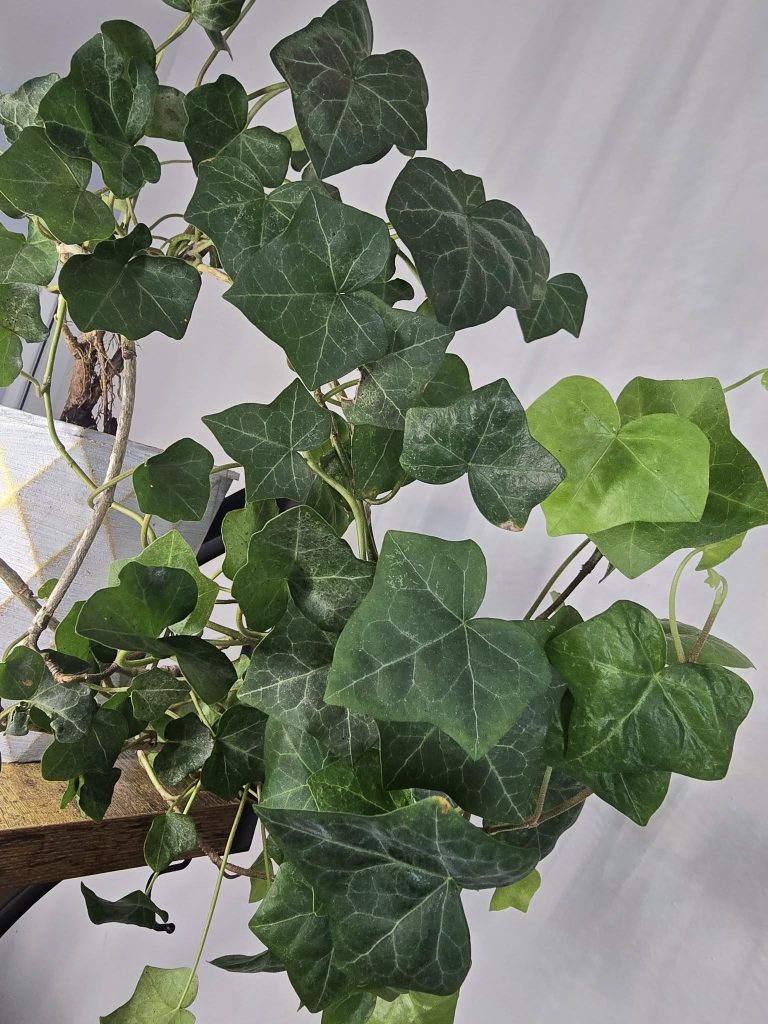
5. English Ivy (Hedera helix)
English ivy is a climbing vine with lush, green foliage. It’s highly effective at removing airborne mold, benzene, and formaldehyde, making it great for bathrooms or pet-friendly homes. English ivy is versatile and thrives in low light. It’s perfect for trailing over shelves or in hanging baskets.
- Scientific Name: Hedera helix
- USDA Zone: 4–9 (grown indoors in most climates)
- Color Variation: Green or variegated with white/yellow
- Sun Exposure: Indirect light or shade
- Mature Size: 6–8 feet long (can be pruned)
- Lifespan: 5–10 years with care
- Toxicity: Toxic to pets and children if ingested
Care Tips:
- Water when the soil feels dry; avoid overwatering.
- Prefers indirect light or low-light areas.
- Mist leaves to maintain humidity.
- Prune to control growth and shape.
- Keep in temperatures between 50–70°F.
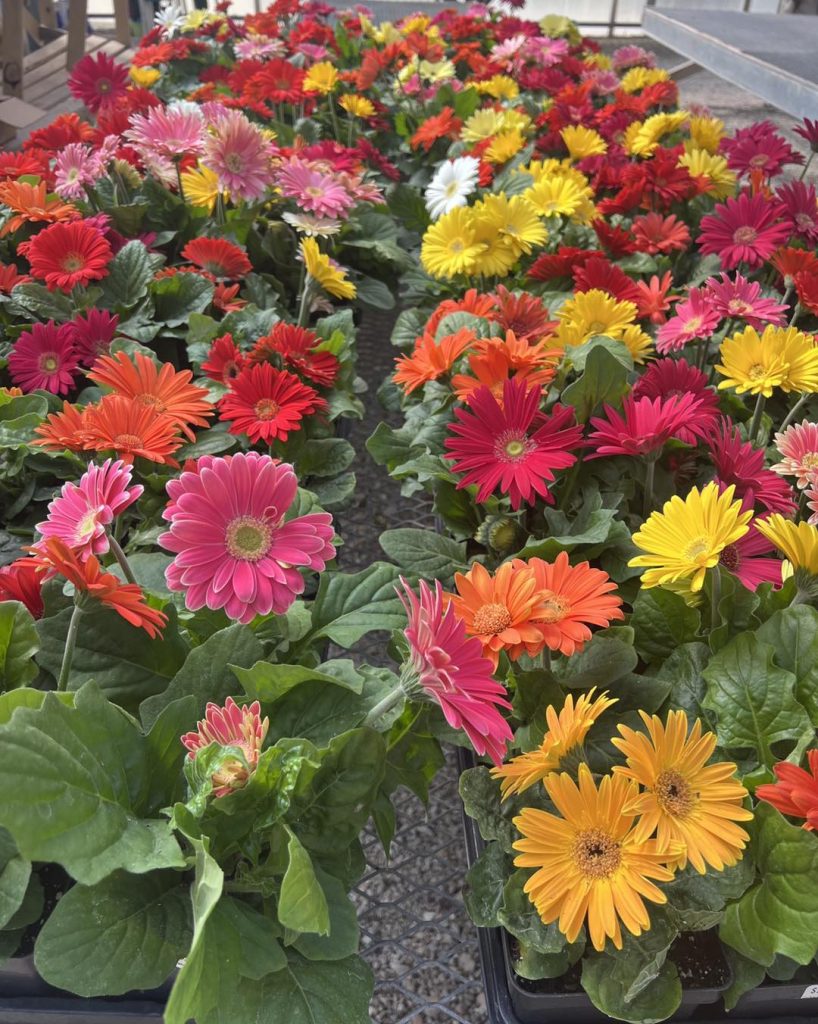
6. Gerbera Daisy (Gerbera jamesonii)
Gerbera daisies are colorful flowering plants that remove toxins like benzene, formaldehyde, and trichloroethylene. They produce oxygen at night, making them a great bedroom plant. Gerbera daisies are pet-safe and vibrant. Their cheerful blooms brighten any room while cleaning the air.
- Scientific Name: Gerbera jamesonii
- USDA Zone: 8–10 (grown indoors elsewhere)
- Color Variation: Red, pink, orange, yellow, or white flowers
- Sun Exposure: Bright, direct sunlight
- Mature Size: 1–2 feet tall
- Lifespan: 2–3 years with proper care
- Toxicity: Non-toxic to pets and humans
Care Tips:
- Water when the top inch of soil is dry.
- Place in a sunny spot with 4–6 hours of direct light.
- Use well-draining soil to prevent root rot.
- Deadhead spent blooms to encourage flowering.
- Keep temperatures between 65–75°F.
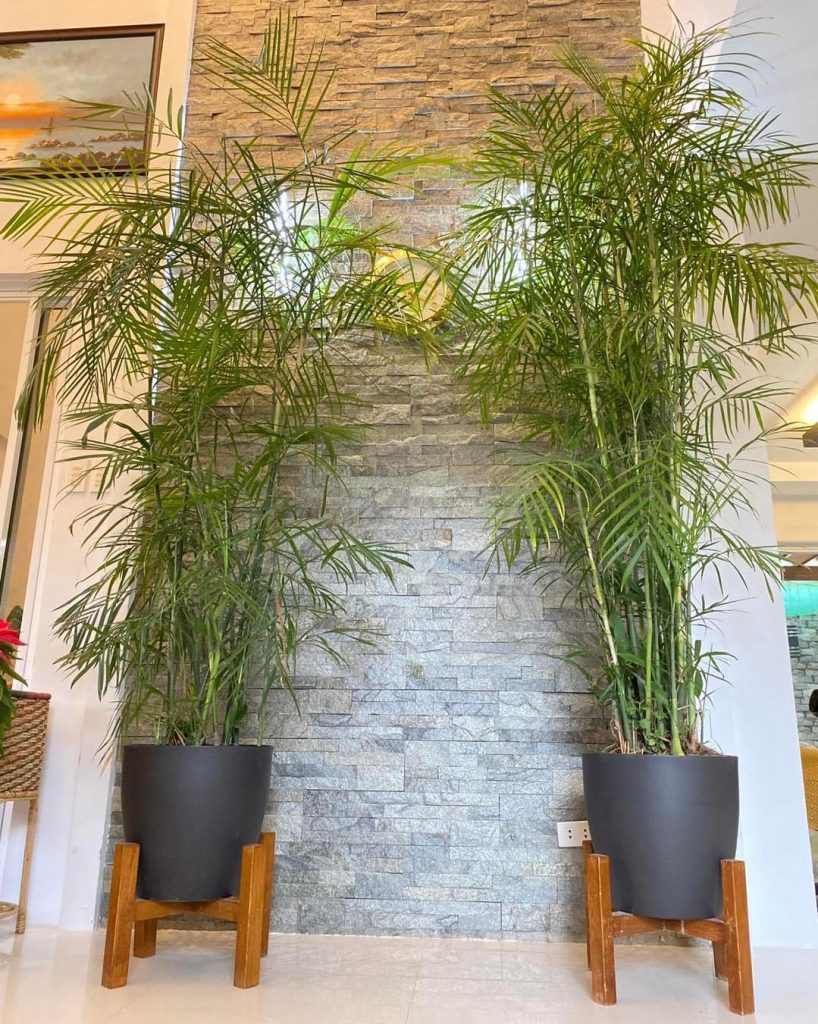
7. Bamboo Palm (Chamaedorea seifrizii)
The bamboo palm is a lush, tropical plant that removes chemical toxins such as formaldehyde, benzene, and trichloroethylene. It also adds humidity, making it ideal for dry environments. Bamboo palms are pet-friendly and add a tropical vibe. Their large leaves maximize air purification.
- Scientific Name: Chamaedorea seifrizii
- USDA Zone: 10–11 (grown indoors in most regions)
- Color Variation: Dark green fronds
- Sun Exposure: Bright, indirect light
- Mature Size: 4–12 feet tall
- Lifespan: 10–20 years with care
- Toxicity: Non-toxic to pets and humans
Care Tips:
- Water when the soil is slightly dry; keep moist but not soggy.
- Prefers bright, filtered light; avoid direct sun.
- Mist fronds to maintain humidity.
- Use well-draining soil and fertilize monthly.
- Keep temperatures between 65–80°F.
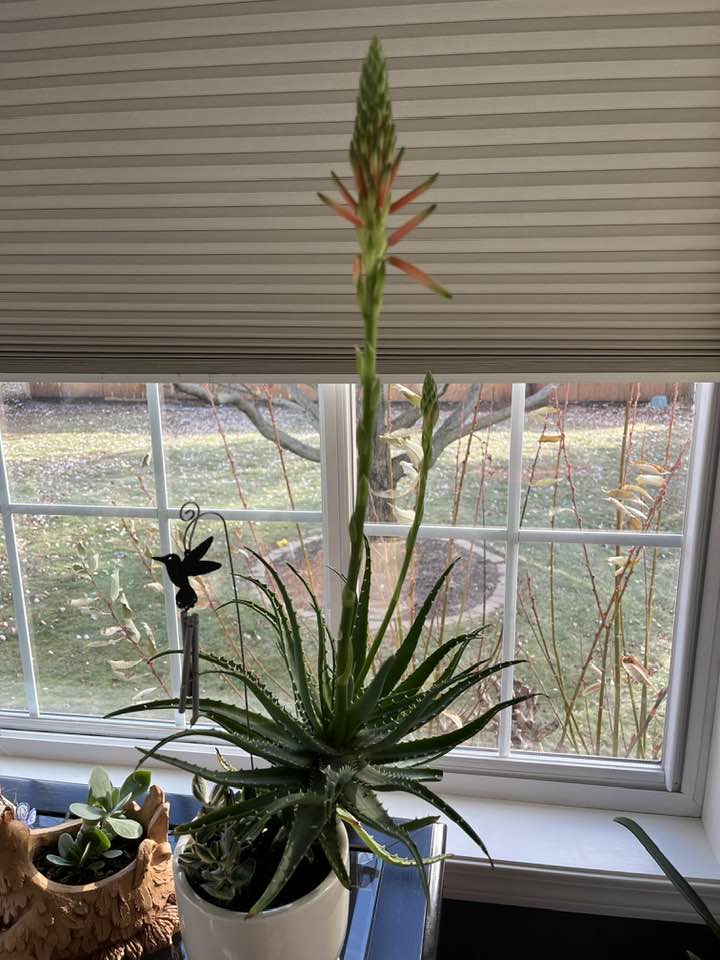
8. Aloe Vera (Aloe barbadensis miller)
Aloe vera is a succulent known for its medicinal gel and air-purifying qualities. It removes benzene and formaldehyde and even signals poor air quality with brown spots. Aloe vera is low-maintenance and doubles as a skincare remedy. Its compact size fits small spaces.
- Scientific Name: Aloe barbadensis miller
- USDA Zone: 9–11 (grown indoors elsewhere)
- Color Variation: Green with grayish-white markings
- Sun Exposure: Bright, direct sunlight
- Mature Size: 1–2 feet tall
- Lifespan: 5–10 years or more
- Toxicity: Toxic to pets if ingested
Care Tips:
- Water every 2–3 weeks; let soil dry completely.
- Place in a sunny window with 6–8 hours of light.
- Use sandy, well-draining soil.
- Avoid overwatering to prevent rot.
- Keep temperatures between 55–80°F.
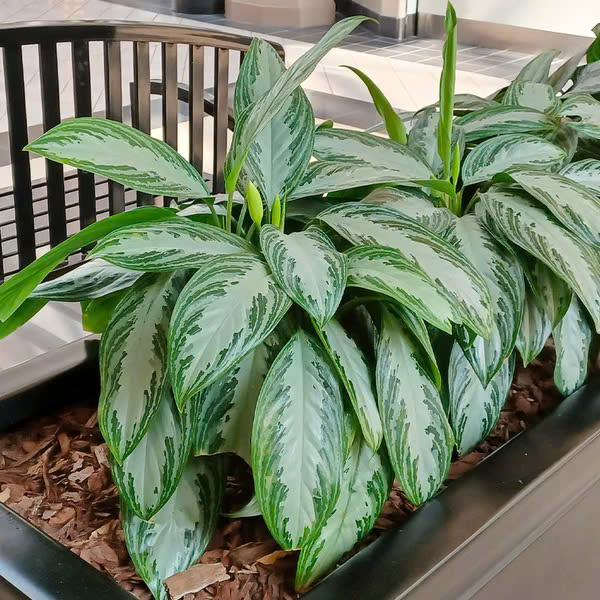
9. Chinese Evergreen (Aglaonema modestum)
Chinese evergreens are popular for their variegated leaves and high oxygen output. They remove benzene, formaldehyde, and other toxins, making them great for any room. Chinese evergreens are adaptable and low-maintenance. Their colorful foliage adds a decorative touch.
- Scientific Name: Aglaonema modestum
- USDA Zone: 10–11 (grown indoors in most climates)
- Color Variation: Green with silver, red, or pink patterns
- Sun Exposure: Low to moderate indirect light
- Mature Size: 1–3 feet tall
- Lifespan: 5–10 years with care
- Toxicity: Toxic to pets and humans if ingested
Care Tips:
- Water when the top inch of soil is dry.
- Thrives in low light but prefers indirect light.
- Mist leaves to boost humidity.
- Fertilize monthly during the growing season.
- Keep temperatures between 65–80°F.
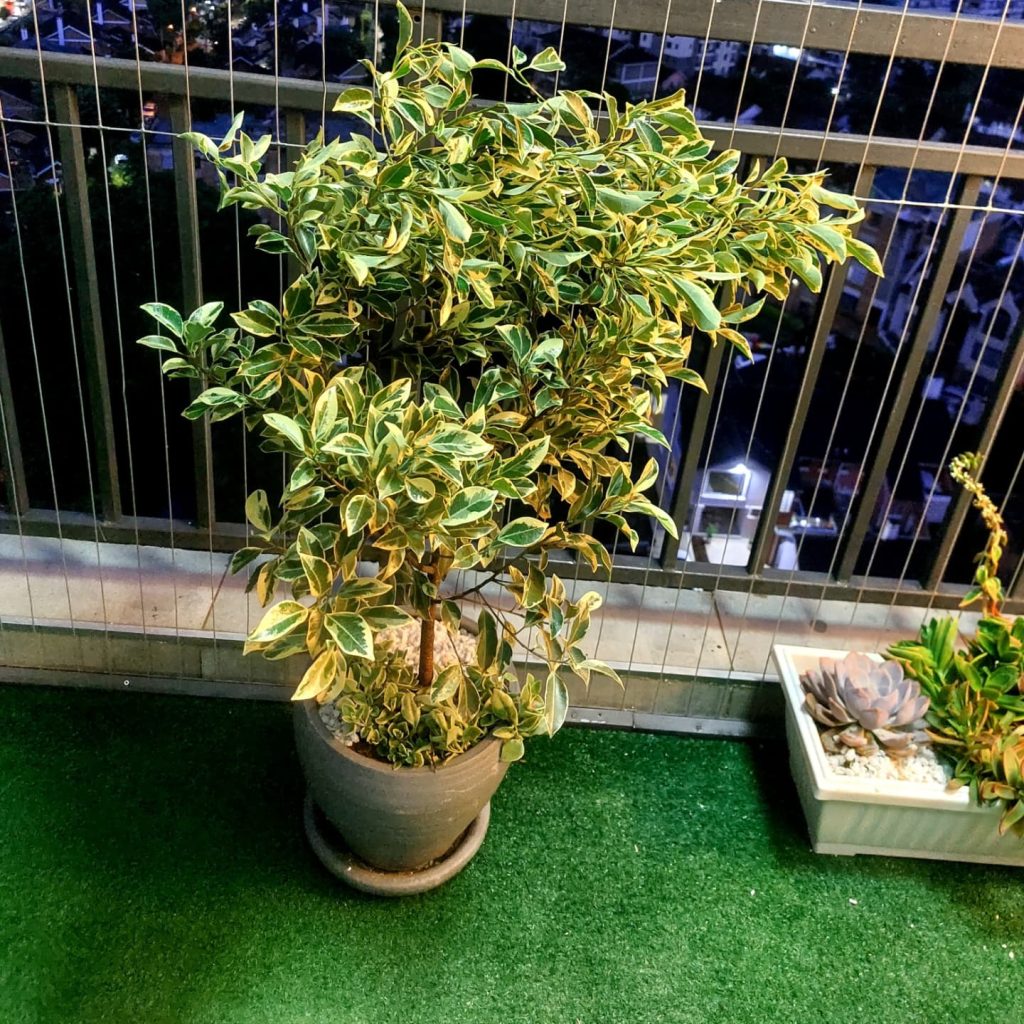
10. Weeping Fig (Ficus benjamina)
The weeping fig is a small tree with glossy leaves that removes formaldehyde, xylene, and toluene. It’s a stylish addition to homes, but sensitive to environmental changes. Weeping figs are elegant and long-lived. They’re ideal for larger spaces but require stable conditions.
- Scientific Name: Ficus benjamina
- USDA Zone: 10–12 (grown indoors elsewhere)
- Color Variation: Green or variegated with white/yellow
- Sun Exposure: Bright, indirect light
- Mature Size: 3–6 feet tall indoors
- Lifespan: 20–30 years with proper care
- Toxicity: Toxic to pets if ingested
Care Tips:
- Water when the top inch of soil is dry.
- Place in bright, filtered light; avoid direct sun.
- Maintain consistent temperatures (65–75°F).
- Avoid moving the plant to prevent leaf drop.
- Use well-draining soil and fertilize monthly.
Why NASA Studied Air-Purifying Plants
In the 1980s, NASA researched ways to clean air in sealed environments like space stations. The Clean Air Study, led by Dr. B.C. Wolverton tested houseplants for their ability to remove volatile organic compounds (VOCs).
VOCs like benzene, formaldehyde, and trichloroethylene are common in household products and can cause health issues. The study found that certain plants absorb these toxins through their leaves and roots, making them natural air purifiers.
While the results were based on controlled lab conditions, these plants remain popular for improving indoor air quality.
Benefits of Air-Purifying Plants
Houseplants do more than purify air. They add humidity, reduce stress, and enhance your home’s aesthetic. NASA recommends one plant per 100 square feet for noticeable air quality improvements.
These plants are budget-friendly, eco-conscious, and easy to care for. However, they’re not a complete replacement for air purifiers, especially in larger spaces. Pair them with proper ventilation for the best results.
How These Plants Work
Plants purify air through photosynthesis and transpiration. They absorb VOCs through their leaves and roots, where microorganisms in the soil break them down.
NASA’s study showed that roots and soil play a significant role in filtration, especially when paired with activated carbon filters.
While plants alone can’t match the efficiency of air purifiers, they offer a natural, cost-effective boost to air quality.
Choosing the Right Plant for Your Space
- Low-light areas: Peace lily, snake plant, or Chinese evergreen.
- Sunny spots: Aloe vera, chrysanthemum, or gerbera daisy.
- Pet-friendly homes: Spider plant, bamboo palm, or gerbera daisy.
- Small spaces: Aloe vera or spider plant.
- Bedrooms: Snake plant or gerbera daisy for nighttime oxygen production.
Limitations of Air-Purifying Plants
NASA’s study was conducted in sealed chambers, not typical homes. In real-world settings, plants remove pollutants more slowly. You’d need 10–1000 plants per square meter to match the study’s results.
For significant air purification, combine plants with air purifiers and good ventilation. Still, the aesthetic and psychological benefits of houseplants make them a worthwhile addition.
Recent Research and Updates
Since NASA’s 1989 study, further research has explored air-purifying plants. A 2014 review noted that plants’ effects in complex environments like offices need more study. Dr. Wolverton’s 1993 paper and 1996 book added more plants to the list and focused on specific pollutants.
A 2004 study highlighted that soil microorganisms also help remove benzene. While plants aren’t a cure-all, they remain a valuable tool for healthier indoor air.
Where to Buy These Plants
You can find NASA-approved plants at local nurseries, garden centers, or online retailers like Urban Plant, Blooming Haus, or Altifarm Enverde. Prices vary, but most are affordable, ranging from $10–$50 depending on size. Check for care guides when purchasing to ensure success.
Conclusion
NASA’s top 10 air-purifying plants offer a natural way to improve indoor air quality. From the hardy snake plant to the vibrant chrysanthemum, these plants combine function with beauty. They’re easy to care for, budget-friendly, and perfect for any home.
While they won’t replace air purifiers, they’re a fantastic supplement for cleaner air and a greener space. Start with one or two plants and watch your home transform into a healthier, more inviting environment.
References
- NASA Clean Air Study. (1989). Interior Landscape Plants for Indoor Air Pollution Abatement. NASA Technical Reports Server. https://ntrs.nasa.gov/citations/19930073077
- Wolverton, B.C. (1993). Additional research on air-purifying plants. This paper expands on the 1989 study, focusing on additional plants and specific pollutants.
- Wolverton, B.C. (1996). How to Grow Fresh Air. Penguin Books. https://www.penguinrandomhouse.com/books/547678/how-to-grow-fresh-air-by-b-c-wolverton/
- Marcum’s Nursery. (2022). NASA Approved Air Purifying Plants. https://www.marcumsnursery.com/nasa-approved-air-purifying-plants/
- Farmers’ Almanac. (2025). The Best Air Purifying Plants, According to NASA. https://www.farmersalmanac.com/best-air-purifying-plants
- American Society for Horticultural Science. (2009). Indoor plants can reduce formaldehyde levels. ScienceDaily. https://www.sciencedaily.com/releases/2009/02/090217101318.htm
- Wikipedia. NASA Clean Air Study. https://en.wikipedia.org/wiki/NASA_Clean_Air_Study

Tim M Dave is a gardening expert with a passion for houseplants, particularly cacti and succulents. With a degree in plant biology from the University of California, Berkeley, he has vast experience in gardening. Over the years, he has cultivated a vast collection of desert plants and learned a great deal about how to grow and care for these unique companions.