10 Proven Ways to Make Pothos Fuller: Tips for Thick, Lush Growth
There is something deeply satisfying about a pothos plant that fills its pot and spills generously over the edges. The leaves are dense, the vines are layered, and the whole thing looks like it belongs in a botanical garden — not just a corner shelf.
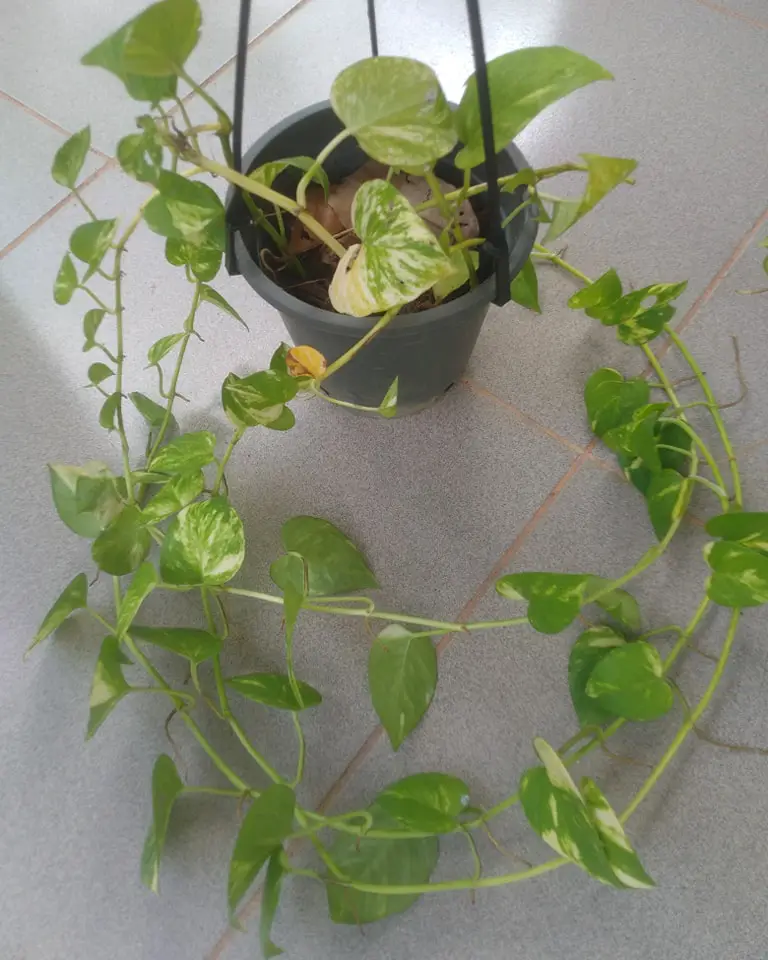
But many pothos owners end up with something quite different. Long, trailing vines with wide gaps between leaves. A sparse, leggy appearance that no amount of hopeful watering seems to fix. If that sounds familiar, you are not alone — and more importantly, you are not stuck.
Making a pothos fuller is entirely achievable. It does not require expert knowledge or expensive products. What it does require is understanding why your pothos grows the way it does — and then making a few deliberate adjustments.
This article covers every proven method for encouraging a pothos to grow thicker, bushier, and more abundant.
Understanding Why Pothos Becomes Leggy
Before fixing the problem, it helps to understand what causes it.
A pothos grows long and sparse — a condition called “legginess” — primarily when it is reaching for light. When light levels are low, the plant stretches its vines outward in search of a better source. The result is long internodal gaps: the spaces between each leaf along the vine become increasingly wide. Fewer leaves form, and the plant looks thin.
Legginess can also result from infrequent pruning, poor soil nutrition, incorrect watering, or simply being left to grow in one direction for too long without any intervention.
The good news is that pothos is one of the most responsive houseplants available. It reacts quickly to improved conditions. Make the right changes, and you will see results within weeks.
1. Prune Regularly — This Is the Most Important Step
If there is one thing that makes the biggest difference to a pothos’ fullness, it is pruning. Many plant owners are hesitant to cut their pothos back, worrying they will harm it. In reality, the opposite is true.
When you cut a vine, the plant responds by pushing out new growth — not just from the cut point, but often from lower nodes along the same vine and from the base of the plant. Pruning signals the plant to redirect its energy from extending existing vines to producing new ones.
How to prune pothos for fullness:
Cut each vine just below a node — the small, brown bump along the stem where a leaf or root can emerge. Use clean, sharp scissors or pruning shears. Dull blades crush the stem instead of cutting it cleanly, which can invite disease.
Cut back long, sparse vines by one-third to one-half their length. Do not be afraid to be decisive. A drastic cut produces a more dramatic bushiness response.
After pruning, water the plant normally and place it in a location with good indirect light. New growth usually appears within two to four weeks.
Prune every two to three months during the active growing season — spring and summer — to maintain fullness consistently.
2. Propagate Cuttings Back Into the Same Pot
Pruning is powerful. Propagating those cuttings back into the same pot is even more so.
This is one of the most effective techniques for making a pothos look genuinely full and lush. Rather than discarding the vines you cut off, root them and plant them back alongside the mother plant. Over time, the pot fills with multiple growing plants, all intertwining — and the visual result is dramatically more abundant than a single plant alone could achieve.
How to propagate pothos cuttings:
Cut a healthy vine into sections, each containing at least two to three nodes and one or two leaves. Remove the lowest leaf to expose a clean node.
Place the cuttings in a glass of clean water, with the nodes submerged and the leaves above the waterline. Set the glass near a bright window. Change the water every three to four days.
Within two to four weeks, white roots will emerge from the nodes. Once the roots are approximately two to three centimetres long, the cuttings are ready to pot.
Plant the rooted cuttings directly into the soil of the mother plant’s pot, spreading them around the edges and between existing vines. Firm the soil gently around each cutting and water thoroughly.
You can also skip the water propagation step and place the cuttings directly into moist soil — a technique called direct soil propagation. It works well when the cutting has several healthy nodes and the soil is kept consistently moist for the first few weeks.
3. Provide the Right Amount of Light
Light is the primary driver of pothos growth. Getting it right has a larger impact on fullness than almost any other factor.
Pothos is marketed as a low-light plant, and it does survive in dim conditions. But surviving is not the same as thriving. A pothos in low light will grow slowly, produce smaller leaves, and stretch its vines in a sparse, reaching pattern. A pothos in bright, indirect light grows faster, produces larger leaves, and fills out far more quickly.
The ideal light for a full pothos:
Bright, indirect light is best. This means placing the plant near a window — ideally within one to two metres of a window that receives several hours of daylight — but not in direct sun. Direct sunlight can scorch the leaves, especially in summer.
East-facing windows are ideal: they offer gentle morning light without the intensity of afternoon sun. West-facing windows work well in the afternoon. South-facing windows in the Northern Hemisphere provide the most light overall but may require a sheer curtain to filter the intensity during peak summer months.
If your home has limited natural light, a grow light can be an effective substitute. A full-spectrum LED grow light positioned above the plant for twelve to fourteen hours per day will support healthy, consistent growth throughout the year.
Rotate the pot every two to three weeks. This ensures all sides of the plant receive even light exposure, preventing the plant from growing predominantly in one direction and leaving other sides sparse.
4. Water Correctly
Overwatering is the most common mistake pothos owners make — and it directly affects the plant’s ability to grow full and healthy.
When roots sit in waterlogged soil for extended periods, they begin to rot. Rotting roots cannot absorb water or nutrients effectively. The plant’s growth slows, leaves yellow and drop, and the overall appearance becomes increasingly thin and unhealthy.
Underwatering is a lesser but still real problem. A consistently thirsty pothos will not produce vigorous new growth.
The right watering approach:
Water your pothos when the top two to three centimetres of soil feel dry to the touch. Push your finger into the soil to check — do not guess based on how long it has been since the last watering.
When you water, water thoroughly. Allow water to flow through the drainage hole until it runs out the bottom, then discard any water that collects in the saucer. This ensures the entire root zone is moistened and prevents stagnant water from accumulating at the base.
During winter, when the plant’s growth slows naturally, reduce watering frequency. The soil takes longer to dry out in cooler temperatures and shorter daylight hours.
Always use a pot with drainage holes. A pothos kept in a pot without drainage is at constant risk of root rot, regardless of how carefully you water.
5. Feed with the Right Fertilizer
A pothos that receives adequate nutrition grows faster and produces more foliage. Fertilizing is not strictly necessary for the plant’s survival, but it makes a visible difference to fullness and leaf size.
Fertilizer recommendations:
Use a balanced, water-soluble fertilizer with an NPK ratio of 10-10-10 or 20-20-20. Alternatively, a fertilizer slightly higher in nitrogen — such as 3-1-2 — will support vigorous leafy growth, since nitrogen is the primary nutrient responsible for green, vegetative development.
Feed your pothos once a month during the growing season — spring through early autumn. Do not fertilize in winter, when the plant is not actively growing. Fertilizing a dormant plant can cause nutrient salt buildup in the soil, which damages roots.
Always dilute fertilizer to half the recommended strength. Pothos is sensitive to over-fertilization. The symptoms — brown leaf tips, yellowing, and wilting — look similar to underwatering and are easily misdiagnosed.
After fertilizing, water the plant normally to help distribute the nutrients evenly through the soil.
6. Choose the Right Pot Size
Pot size has a direct influence on how a pothos grows. A pot that is too large encourages the roots to spread outward through excess soil rather than pushing energy into above-ground growth. The extra soil also retains moisture for longer than the roots can use, increasing the risk of root rot.
A pot that is too small restricts root growth, which eventually limits the plant’s ability to produce new foliage.
The right pot size:
Choose a pot that is only slightly larger than the current root ball — typically five to eight centimetres wider in diameter than the root system. This gives the roots room to grow without overwhelming them with excess soil.
When repotting for fullness, you are not necessarily going to a dramatically larger pot. Instead, refresh the soil, examine the roots, trim any that appear brown or mushy, and repot into a clean pot of the same size or one size up.
Repot every one to two years, or when you notice roots emerging from the drainage holes or circling visibly around the inside of the pot.
7. Pinch the Growing Tips
Pinching is a technique used by experienced gardeners to encourage branching in many types of plants — and it works well with pothos.
The growing tip of each vine — the newest, smallest leaves at the very end — can be pinched off between your fingers or snipped with scissors. This removes the apical dominance of that vine, which is the tendency for the tip to grow preferentially at the expense of lower growth points.
When you remove the tip, the plant redirects growth energy to nodes lower on the vine, often producing two or more new shoots where there was only one. Over time and with repeated pinching, a single vine becomes a branching, multi-stemmed growth.
This technique is especially useful when combined with pruning and propagation. Pinch the tips of existing vines regularly while also adding propagated cuttings to the pot, and the results compound noticeably.
8. Maintain the Right Temperature and Humidity
Pothos is a tropical plant. It grows fastest and most vigorously in warm, humid conditions — which makes sense given its origins in the Solomon Islands.
Temperature: Pothos grows best between 18°C and 29°C (65°F to 85°F). Below 15°C (59°F), growth slows significantly. Avoid placing the plant near cold drafts, air conditioning vents, or exterior doors that open frequently in cold weather.
Humidity: Standard household humidity levels — between 40% and 60% — are adequate for pothos. However, in particularly dry environments (common in winter when indoor heating reduces air moisture), the plant can benefit from increased humidity.
Simple ways to increase humidity around your pothos include placing it near other plants (which naturally raise the moisture level in their immediate surroundings through transpiration), using a pebble tray filled with water beneath the pot, or running a humidifier nearby.
Misting the leaves directly is a popular suggestion, but the benefit is short-lived and can increase the risk of fungal issues if leaves remain wet for extended periods. A pebble tray or humidifier is more effective.
9. Keep the Leaves Clean
This is a small but meaningful step that many plant owners overlook.
Pothos leaves collect dust over time. A dusty leaf cannot photosynthesize as efficiently as a clean one — the dust physically blocks light from reaching the leaf surface. A plant that cannot photosynthesize well does not grow well.
Every few weeks, wipe each leaf gently with a damp cloth to remove accumulated dust. Work from the stem outward, supporting the leaf with one hand while wiping with the other. This also gives you an opportunity to inspect the undersides of leaves for pests such as spider mites or mealybugs — common problems that, if left unaddressed, can significantly set back a pothos’ growth.
10. Train the Vines Thoughtfully
How you position your pothos vines affects how the plant looks overall. Left completely to trail downward, a pothos often looks thinner than it actually is. Trained and arranged thoughtfully, the same plant can appear dramatically fuller.
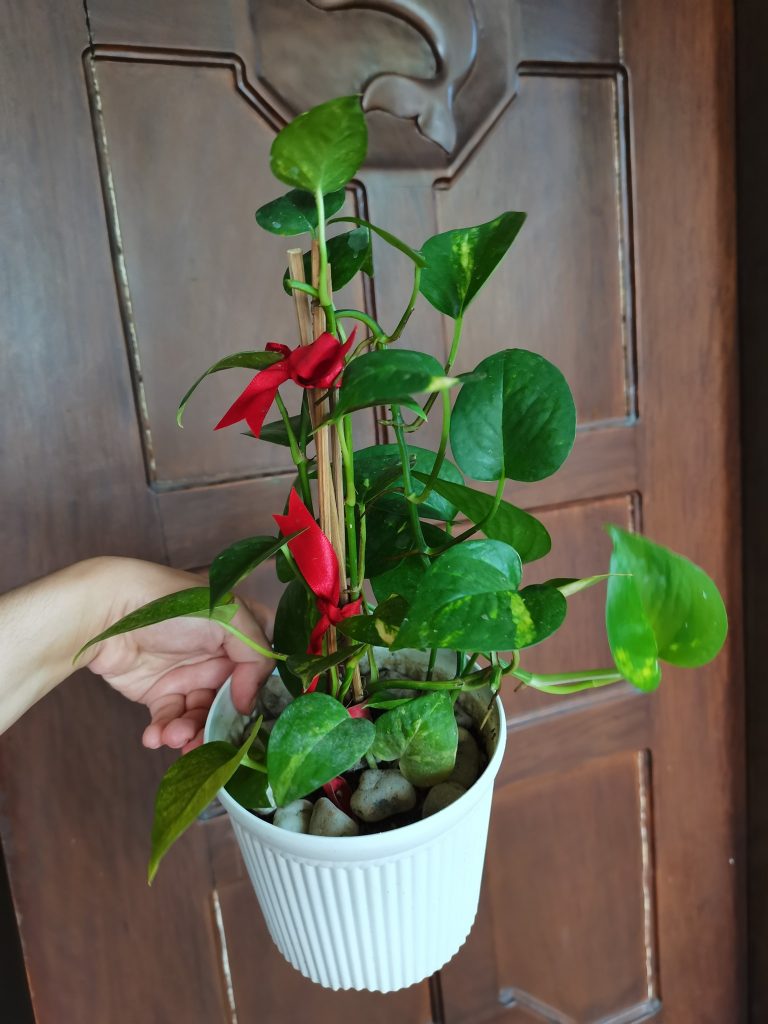
Tuck shorter vines between longer ones when displaying the plant. Allow some vines to trail while directing others upward on a small moss pole or trellis — pothos grown vertically on a support actually produces larger leaves, as it mimics the plant’s natural climbing habit in the wild.
For hanging baskets, rotate the pot periodically and redistribute vines across the basket evenly to prevent a lopsided, thin appearance.
A Common Mistake to Avoid
Many pothos owners buy additional plants and repot them together as a shortcut to fullness. This can work, but it requires some care. Make sure all plants being combined are healthy before sharing a pot — one diseased or pest-ridden plant introduced to a healthy one will quickly spread the problem. Always inspect new plants carefully before introducing them to established ones.
Frequently Asked Questions
How long does it take to make a pothos fuller?
With regular pruning and propagation, visible improvement typically appears within four to eight weeks. Full, dense results from a combined approach take two to three growing seasons.
Should I cut long vines or leave them?
Cut them back. Long, leggy vines contribute to a sparse appearance and redirect energy away from new growth. Pruning them encourages the bushier form you are looking for.
Can I make a variegated pothos fuller using the same methods?
Yes. Golden pothos, marble queen, neon, and all other varieties respond the same way to pruning, propagation, and improved conditions.
Why does my pothos keep growing long vines instead of bushing out?
The most common reason is insufficient light. Move the plant closer to a bright, indirect light source and begin pruning and pinching regularly.
How many cuttings should I add back to the pot?
There is no strict limit, but three to five additional rooted cuttings per pot is a practical starting point. You can add more over time as each cutting establishes itself.
Suggested For You:
Pothos vs Philodendron: Key Differences Every Plant Owner Should Know
Understanding Overwatered Pothos: Signs + How to Save The Plant
15 Types of Pothos: Variety Identification and Pictures
9 Reasons Your Pothos Leaves are Turning Yellow + How to Fix
Pothos Cultivation: History, Care and Common Problems
Are Pothos Toxic to Cats? What Every Pet Owner Must Know
Final Thoughts
A full, lush pothos is not a matter of luck — it is the result of consistent, informed care. Prune regularly, propagate those cuttings back into the soil, give the plant adequate light, water it correctly, and feed it during the growing season. Do those things with some patience and regularity, and the transformation will come.
There is something quietly rewarding about watching a sparse, leggy vine become a genuinely full and thriving plant. It takes time, but every new leaf that emerges is a small confirmation that what you are doing is working.
Start with the pruning. That one step alone will set everything else in motion.
References
- University of Florida IFAS Extension — Pothos (Epipremnum aureum) Production Guide. https://edis.ifas.ufl.edu/publication/EP337
- Clemson University Cooperative Extension — Pothos Houseplant Care. https://hgic.clemson.edu/factsheet/pothos/
- Penn State Extension — Fertilizing Houseplants. https://extension.psu.edu/fertilizing-houseplants
- North Carolina State University Extension — Plant Propagation by Stem Cuttings. https://content.ces.ncsu.edu/plant-propagation-by-stem-cuttings-instructions-for-the-home-gardener
- University of Missouri Extension — Lighting Indoor Houseplants. https://extension.missouri.edu/publications/g6515

Tim M Dave is a gardening expert with a passion for houseplants, particularly cacti and succulents. With a degree in plant biology from the University of California, Berkeley, he has vast experience in gardening. Over the years, he has cultivated a vast collection of desert plants and learned a great deal about how to grow and care for these unique companions.