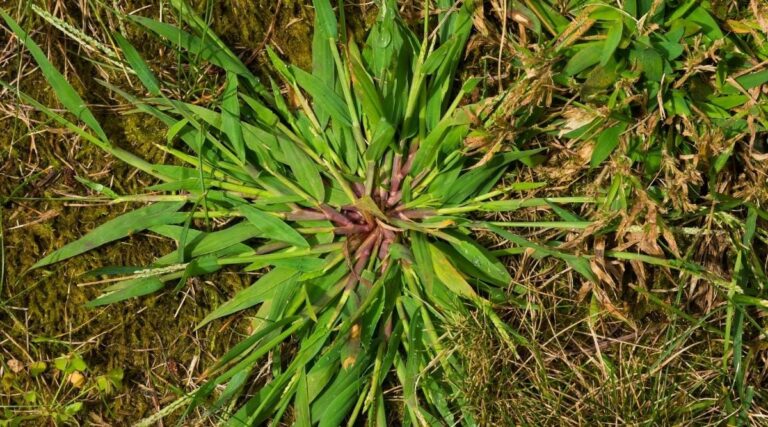
6 Proven Ways to Make Bermuda Grass Thicker and Greener
Bermuda grass is one of the most common grass species for various reasons. It is tougher and can withstand harsh climatic conditions that other types of grasses cannot. It also grows and thickens fast. Some people will argue that it does not require so much care compared to other grass species, but this cannot be further from the truth.
Unlike other grass types, Bermuda grass will still grow even in the worst of conditions. The only difference between a cared-for Bermuda lawn and a neglected one will be the fact that the cared one Bermuda lawn is thicker, greener, and healthier. The neglected Bermuda grass lawn has unhealthy, thinning, and ugly spots.
How to Make Bermuda Grass Thicker and Greener
Just like any other plant, Bermuda grass requires some care if at all you want that green, thicker, and healthy carpet-like lawn. But first, let us ask ourselves, what could be making my Bermuda grass lawn thinner with unhealthy spots?
Several things can lead to thinning, unhealthy spots of Bermuda grass on a lawn; they include; Poor soil conditions, allowing the grass to grow very tall, too much shade, not watering the grass enough, and pests and weeds, among others.
But the good news is that you can always reverse your unhealthy, thinning, spotty lawn to a healthy, thick, and green Bermuda grass lawn with these easy and simple hacks.
1. Mow the grass short
Unlike other grass species, Bermuda grass grows very fast, and within just a few weeks of planting, your lawn is looking bushy if not mowed. The tall tuft of Bermuda grass you enjoy could be the same reason that kills it.
Very tall blades of Bermuda grass block sunlight from reaching the base of the lawn, and this ends up weakening the grass, something that results in an unhealthy lawn. To prevent this from happening, mow your Bermuda lawn short to open up the base for more sunlight.
Due to its faster growth, you might need to mow your lawn every week. But just like with other grass types, never mow more than one-third the height of your Bermuda lawn grass at once. Doing so exposes the freshly cut grass blades to elements that adversely affect the health of your lawn. Also, sharpen your lawnmower blades for a more pronounced and healthy cut.
2. Clear the shade
Trees, flowers, and other plants that overhang the lawn provide too much shade for Bermuda grass. As much as some shade protects the grass from the excess summertime heat, too much of it hurts the grass and makes it unhealthy and thin. Too much shade prevents Bermuda grass from accessing enough sunlight.
Clear the overhanging plants and trim the trees and bushes. Enough sunlight leads to more chlorophyll and, consequently, a lush, green, thicker Bermuda grass lawn.
3. Feed the soil with lawn fertilizer
Your thin, spotty lawn of unhealthy Bermuda grass could also be a result of a lack of essential nutrients in the soil. To ascertain what is missing in your lawn soil, take some samples for testing. In most cases, too much acidity inhibits the proper growth of a healthy greener lawn.
For ideal soil fertility, apply an organic with an NPK ratio of 4.1.2 and then wait for your Bermuda grass to turn greener and thicker.
4. Get rid of weeds
Weeds such as dandelions compete with Bermuda grass for the little nutrients available in the soil. And because weeds are more vibrant and resistant to diseases, they tend to outgrow the grass, hence the spotty lawn with unhealthy-looking Bermuda grass.
If the weeds are scattered on the lawn, you can easily pull them out by hand. This is the best selective method since it does not risk the grass in any way. Alternatively, you can treat the lawn with a weed killer with Quinclorax.
When applying commercial or domestic weed killers, ensure to bring them close to the weed plant as much as possible, to avoid killing the surrounding grass. You could also kill the weeds by using a heat gun; the heat kills the cells in the plant, thus killing it.
5. Treat lawn diseases and pests
Grubs and the Japanese beetles are the most notorious pests on Bermuda grass lawns. If not dealt with on time, these could not only make your lawn spotty with thin, unhealthy grass, but they could even get rid of all the grass when they feed on it.
Treat your Bermuda grass lawn with a pest control herbicide. At the same time, some fungal lawn diseases, such as dollar spot, brown patch, and spring spots, are very common on Bermuda grass lawns. To get rid of or prevent these, treat the lawn with a pre-emergent herbicide.
6. Aerate the soils
Compacted soils make it difficult for Bermuda grassroots to spread deep and wide for healthy growth. Thatch, which prevents the proper growth of Bermuda and other grass species, is also a sign of compacted soil.
Such soils also make it impossible for the grass to absorb any essential nutrients and water, and this way, the grass becomes thin, spotty, and unhealthy, and could eventually die.
To aerate your lawn soils, use a metallic rake to harmonize the foundation and topsoil. With loose soils, the Bermuda grass will spread far and wide, and it will also absorb most nutrients for a healthy, greener, and thicker lawn.
How to get Bermuda grass to spread fast
Auxins are hormones that promote growth in the vertical growth of plants. These hormones are more concentrated on the tips of branches. This is the reason plants are pruned: to take auxins away from the top tips. This ends up discouraging vertical growth while boosting lateral growth, hence the plant becomes bushy.
Similarly, you can make your Bermuda grass lawn spread faster by mowing it short more often. But for a faster and better spread of Bermuda grass, use a lawnmower with very sharp blades and always observe the one-third thumb rule.
Read More: How to Get Bermuda Grass Fill in Faster
How to Plant Bermuda Grass Easily
Contrary to what you may have heard, planting Bermuda grass has never been this easy and simple. The best way to plant Bermuda grass is by planting from seeds, and it is best done between late spring and summer. The period has warmer temperatures that are ideal for Bermuda grass seed germination.
Identify the location where you want your Bermuda grass lawn, clear it of any plants, including your unwanted, unhealthy Bermuda grass and weeds. Remove any debris, including rocks and branches, then dig the land.
Having identified where you want to grow your Bermuda grass lawn, it is time to get that piece of land ready for planting. Begin by taking some samples of the soil for testing to ascertain if it has the necessary conditions ideal for the growth of your Bermuda grass lawn.
Feed the soil with the necessary nutrients if any is missing. Also, apply some lime to your soil to attain a pH level of 6.0. Loosen the soil up to a depth of about 6 inches. This allows complete harmonization of the top and foundation soils, and this allows the roots to grow deeper and wider for healthy Bermuda grass.
If you want, you can spread a thin layer of topsoil on the surface. Water the land and be careful not to soak the soil. Then, using a seeder, spread your Bermuda grass seeds evenly over the prepared land and wait for the seeds to germinate.

Tim M Dave is a gardening expert with a passion for houseplants, particularly cacti and succulents. With a degree in plant biology from the University of California, Berkeley, he has vast experience in gardening. Over the years, he has cultivated a vast collection of desert plants and learned a great deal about how to grow and care for these unique companions.