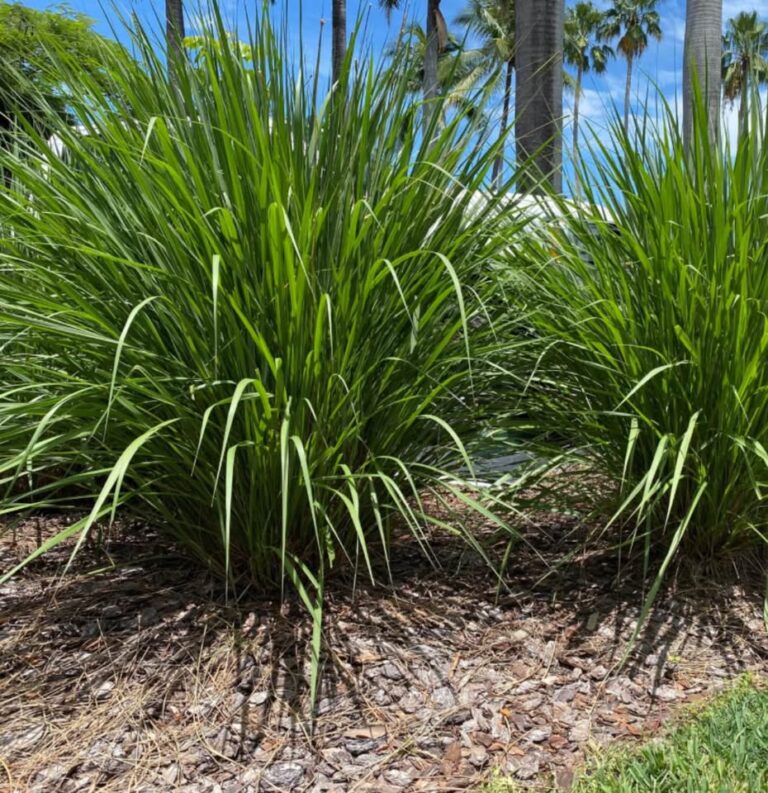
15 Low Maintenance Ornamental Grasses: Beauty Without the Work
There is a certain kind of gardener who wants a beautiful landscape but cannot — or simply does not want to — spend every weekend maintaining it. That is not laziness. That is realism. Between work, family, travel, and the hundred other demands on modern life, the idea of a garden that largely takes care of itself is not just appealing. It is necessary.
Ornamental grasses are one of the most honest answers to that need. Unlike roses, which demand spraying, pruning, and pampering, or annuals that must be replanted every single year, ornamental grasses ask for remarkably little. Plant them in the right spot, give them time to establish, and they will reward you with months of movement, texture, and color — year after year — with minimal intervention.
This guide covers 15 of the best low maintenance ornamental grasses, chosen specifically for their ease of care, adaptability to a range of conditions, and sustained ornamental value across multiple seasons. Whether you are a beginner gardener, a busy homeowner, or simply someone who prefers working smarter rather than harder in the garden, these are the grasses worth knowing.
What Makes an Ornamental Grass Truly Low Maintenance?
Not every ornamental grass earns the low-maintenance label. Some are invasive and require constant containment. Others are short-lived and need frequent division to stay healthy. A few are simply fussy about soil, moisture, or climate in ways that create ongoing problems.
Genuinely low maintenance ornamental grasses share several key qualities.
Long-lived and self-sustaining. They persist in the landscape for many years without needing regular division or replacement. They establish their root systems, find their equilibrium, and settle in for the long term.
Non-invasive. They grow in clumps or controlled spreads rather than sending aggressive runners through adjacent planting areas. Clump-forming grasses in particular are excellent for low maintenance landscapes because their spread is predictable and easy to manage.
Adaptable. They tolerate a reasonable range of soil types, moisture conditions, and light levels rather than requiring precise conditions to perform well. The best low maintenance grasses can handle drought once established, recover from occasional waterlogging, and still look good through climate extremes.
Pest and disease resistant. They are rarely troubled by insects or fungal diseases, which eliminates the need for chemical treatments or preventive care routines.
Minimal pruning needs. Most ornamental grasses need cutting back only once per year — a single task that takes minutes per plant. Beyond that annual cut, they require almost nothing.
The 15 grasses in this guide meet these standards consistently. Each one has been selected not just for beauty but for the specific quality of being genuinely easy to grow and maintain over the long term.
Understanding the Annual Care Cycle
Before exploring the plant list, it is worth understanding the simple annual rhythm that most ornamental grasses follow. This rhythm is one of the things that makes them so appealing from a maintenance perspective.
Spring: Cut back the previous year’s growth to within a few inches of the ground before new growth begins. This is the primary maintenance task of the year. For evergreen or semi-evergreen grasses, comb out dead foliage with a gloved hand or use scissors to trim lightly rather than cutting to the ground.
Summer: Growth accelerates. Flower spikes appear on most species from midsummer onward. No maintenance is required beyond occasional watering during prolonged drought in the first year or two of establishment.
Autumn: Flower heads transition to attractive seed heads. Most grasses take on warm amber, gold, and bronze tones. Resist the urge to cut them back — the structure and movement of ornamental grasses in winter is one of their finest qualities.
Winter: The dried foliage and seed heads provide architectural interest, catch frost and snow beautifully, and offer valuable seed food for birds. Leave them standing until late winter or early spring.
That is the entire cycle. One significant maintenance task per year, plus establishment watering in year one. Few garden plants demand less and deliver more.
15 Low Maintenance Ornamental Grasses
1. Karl Foerster Feather Reed Grass (Calamagrostis x acutiflora ‘Karl Foerster’)
Karl Foerster is arguably the most popular ornamental grass in cultivation, and it earned that status through consistent, reliable, outstanding performance. It is the kind of plant that professionals reach for when they need something that will simply work — year after year, in a wide range of conditions — without requiring constant attention.
It grows in a tight, upright clump of dark green foliage that reaches three to four feet in height. From late spring into early summer, it sends up feathery, pink-tinged flower spikes that rise to five or six feet and age to warm golden-wheat tones by midsummer. Those seed heads remain attractive and structurally interesting well into winter, catching frost in a way that is genuinely beautiful.
Karl Foerster tolerates clay soil, periodic drought, and urban pollution — three conditions that defeat many ornamental plants. It is clump-forming and non-invasive, and it rarely needs division unless it begins to die out in the center, which typically takes many years.
Hardiness: USDA Zones 4–9 | Height: 5–6 feet in flower | Light: Full sun to partial shade | Soil: Adaptable, tolerates clay
2. Blue Oat Grass (Helictotrichon sempervirens)
Blue oat grass is the ornamental grass that architects and landscape designers reach for when they want a statement plant that essentially maintains itself. Its cool, steel-blue, spiky foliage forms a tight, rounded mound that holds its color through most of the year and requires virtually no intervention beyond the annual spring tidy.
The silver-blue color is striking in any planting scheme. It contrasts beautifully with warm-toned plants — orange heleniums, golden rudbeckias, burgundy sedums — and softens the harshness of dark-leafed shrubs with its cool, refined character. In early summer it sends up tall, oat-like flower spikes that add a graceful vertical element above the foliage mound before aging to golden wheat.
It performs best in full sun with excellent drainage and is notably drought-tolerant once established. It dislikes wet winter soils, so good drainage is the one condition it genuinely insists upon. Given that, it is almost entirely self-sufficient.
Hardiness: USDA Zones 4–8 | Height: 2–3 feet (4 feet in flower) | Light: Full sun | Soil: Well-drained, not overly fertile
3. Maiden Grass (Miscanthus sinensis ‘Gracillimus’)
Maiden grass is a classic among large ornamental grasses, admired for its graceful, arching form and the way its narrow leaves shimmer and wave in the slightest breeze. ‘Gracillimus’ is one of the finest cultivars — its slender, dark green leaves with a silver midrib form an elegant, vase-shaped clump that reaches five to six feet in height.
In late summer, it produces silvery-white flower plumes that age to a warm, tawny gold through autumn and winter. The combination of this feathery texture, graceful movement, and warm seasonal color makes it one of the most ornamentally complete grasses available.
It is clump-forming, long-lived, and requires only the annual spring cutback to stay in excellent condition. It tolerates a wide range of soils and is drought-tolerant once established. In some warmer regions, Miscanthus species can self-seed; selecting sterile or low-fertility cultivars reduces this concern significantly.
Hardiness: USDA Zones 5–9 | Height: 5–7 feet | Light: Full sun to light shade | Soil: Moist, well-drained; adaptable
4. Little Bluestem (Schizachyrium scoparium)
Little bluestem is a native North American prairie grass that has become one of the most celebrated ornamental grasses in contemporary landscape design — and for excellent reason. It combines outstanding ecological value with exceptional ornamental qualities and a truly remarkable tolerance for difficult conditions.
Through spring and summer, its fine-textured, blue-green foliage forms upright clumps of quiet but distinctive color. In autumn, the transformation is dramatic: the entire plant turns brilliant shades of copper, orange, red, and burgundy, and its fluffy white seed heads catch morning light with a soft, glowing quality that is unlike almost any other grass in the autumn garden.
It thrives in poor, dry, well-drained soils — conditions where many ornamental plants struggle. Rich, moist soil actually encourages flopping, which detracts from its naturally upright habit. It is exceptionally drought-tolerant, deer-resistant, and provides high wildlife value through its seeds. For low maintenance gardens in hot, dry sites, it is one of the finest plants available.
Hardiness: USDA Zones 3–9 | Height: 2–4 feet | Light: Full sun | Soil: Poor to moderately fertile, well-drained, dry
5. Switchgrass (Panicum virgatum)
Switchgrass is another native North American prairie grass with outstanding low maintenance credentials and a presence in the landscape that grows more impressive with each passing season. Its fine-textured, upright foliage ranges from green to blue-green depending on the cultivar, and its enormous, airy flower panicles — which appear in midsummer — create a cloud-like effect above the foliage that catches both light and movement with extraordinary delicacy.
Cultivars like ‘Shenandoah’ (red autumn color), ‘Heavy Metal’ (strictly upright, steel-blue foliage), and ‘Northwind’ (tall, upright, wind-tolerant) are among the most popular and widely available. Each offers a slightly different character while sharing the same fundamental ease of care.
Switchgrass tolerates wet soils, drought, clay, and coastal conditions — a combination that gives it unusually broad site adaptability. It is clump-forming, long-lived, and ecologically valuable for birds and insects. Beyond the annual spring cutback, it requires almost nothing.
Hardiness: USDA Zones 3–9 | Height: 3–6 feet (varies by cultivar) | Light: Full sun to partial shade | Soil: Adaptable; wet to dry, clay to sand
6. Purple Fountain Grass (Pennisetum setaceum ‘Rubrum’)
Purple fountain grass is one of the most visually dramatic ornamental grasses available and, in the right climate, one of the easiest to maintain. Its burgundy-purple, arching foliage and rosy-pink, bottlebrush-like flower spikes give it an exotic, almost tropical appearance that brings rich color to sunny borders from midsummer through autumn.
In USDA Zones 9 and warmer, it is a true perennial that requires only light tidying each spring. In cooler zones (5–8), it is grown as an annual or overwintered indoors as a container plant. Where it is perennial, it is genuinely low maintenance — drought-tolerant, heat-tolerant, and largely free from pests and diseases.
Its arching, fountain-like habit looks spectacular in raised beds, large containers, and as a focal point in mixed borders. Unlike the straight species (Pennisetum setaceum), ‘Rubrum’ is sterile and does not set seed, eliminating any invasive concern.
Hardiness: USDA Zones 9–11 (annual in Zones 5–8) | Height: 3–4 feet | Light: Full sun | Soil: Well-drained; tolerates drought
7. Blue Fescue (Festuca glauca)
Blue fescue is a compact, mounding grass with intensely silver-blue, fine-textured foliage that forms neat, hedgehog-like tussocks. It is one of the most popular small ornamental grasses for edging, rock gardens, container planting, and front-of-border use. Its small size — typically under a foot tall — makes it manageable even in confined spaces.
Cultivars like ‘Elijah Blue’, ‘Boulder Blue’, and ‘Siskiyou Blue’ offer slightly different intensities of blue coloration and varying degrees of compactness. All share the same fundamental ease of care: full sun, excellent drainage, and a single cutback or light comb-out in early spring.
Blue fescue is extremely drought-tolerant once established and performs well in poor, rocky soils. It does benefit from division every two to three years to refresh the clumps, which can die out in the center over time — but this simple task takes only minutes and keeps the plants looking their best. In hot, humid climates, it may struggle with summer heat; in such regions, afternoon shade helps maintain its performance.
Hardiness: USDA Zones 4–8 | Height: 10–12 inches | Light: Full sun | Soil: Well-drained, dry to moderately moist
8. Pampas Grass (Cortaderia selloana)
Pampas grass is one of the most recognizable ornamental grasses in the world — and one of the most impactful. Its enormous, creamy-white or pink flower plumes, rising five to ten feet above its broad, arching clump of foliage, create a dramatic focal point that demands attention from across the garden.
It is exceptionally low maintenance in suitable climates. Once established, it is highly drought-tolerant, largely pest-free, and content to grow in almost any well-drained soil. The primary annual task is cutting it back in late winter — a task that requires thick gloves due to the sharp leaf edges, but one that takes only minutes with a string trimmer.
One important note: pampas grass is considered invasive in parts of California, New Zealand, and Australia, where it spreads aggressively in mild climates. Always check local invasive species guidelines before planting. In regions where it is not invasive, it is a genuinely spectacular and self-sufficient landscape plant.
Hardiness: USDA Zones 7–11 | Height: 6–10 feet (12 feet in flower) | Light: Full sun | Soil: Well-drained; tolerates poor soil and drought
9. Prairie Dropseed (Sporobolus heterolepis)
Prairie dropseed is a native North American grass that rewards patience. It is slow to establish — sometimes taking two to three years to reach its full potential — but once settled, it is one of the most beautiful and longest-lived ornamental grasses in cultivation. Some established colonies are known to persist for decades with virtually no intervention.
Its extremely fine, thread-like foliage forms elegant, fountain-shaped clumps with a delicacy that is rare among ornamental grasses. In late summer, it produces airy flower panicles with a fragrance — widely described as resembling buttered popcorn or cilantro — that is unexpected and charming. In autumn, its foliage transitions to warm orange and bronze tones before settling into its winter form.
It thrives in dry, well-drained soils and full sun, and it is highly drought-tolerant once established. It requires almost no maintenance beyond the annual spring cutback and occasional removal of self-sown seedlings.
Hardiness: USDA Zones 3–9 | Height: 18–24 inches (3 feet in flower) | Light: Full sun to light shade | Soil: Well-drained; tolerates dry and poor soils
10. Tufted Hair Grass (Deschampsia cespitosa)
Tufted hair grass occupies a valuable niche among low maintenance grasses: it is one of the few true grasses that tolerates and performs well in partial shade and moist soils — conditions where many full-sun, drought-tolerant grasses would struggle. This gives it exceptional versatility for gardens with varied light and moisture conditions.
Its dense, dark green tussocks of fine-textured foliage are attractive year-round. But the showstopper is its flowering display in early summer, when it sends up tall, billowing clouds of tiny, shimmering spikelets in shades of silver, gold, and bronze. These flower heads catch light with extraordinary delicacy and remain ornamental for weeks. Cultivars like ‘Goldtau’ (Golden Dew) offer particularly fine flower color.
Beyond dividing congested clumps every few years, tufted hair grass requires almost no maintenance. It does not spread aggressively and rarely causes problems in the garden.
Hardiness: USDA Zones 4–9 | Height: 2–3 feet (4–5 feet in flower) | Light: Full sun to partial shade | Soil: Moist, well-drained; tolerates clay
11. Japanese Silver Grass (Miscanthus sinensis ‘Morning Light’)
‘Morning Light’ is considered by many gardeners and designers to be the most refined and elegant of all Miscanthus cultivars. Its very narrow, dark green leaves carry a fine white margin and a silver midrib that gives the entire clump a luminous, frosted appearance — particularly in low, slanting light in the early morning or late afternoon, when it seems almost to glow from within.
It forms a graceful, vase-shaped clump that reaches five to six feet in height. In mid to late autumn, it produces delicate, copper-red flower plumes that age to silver. The combination of fine texture, silver-white coloration, and graceful movement makes it one of the most architecturally versatile grasses available.
Like other Miscanthus, it is clump-forming, long-lived, and needs only the annual spring cutback. It performs reliably across a wide range of soil types and is notably drought-tolerant once established.
Hardiness: USDA Zones 5–9 | Height: 5–6 feet | Light: Full sun | Soil: Moist, well-drained; adaptable
12. Feather Grass (Stipa tenuissima / Nassella tenuissima)
Feather grass — also known as Mexican feather grass or silky thread grass — is one of the most ethereally beautiful ornamental grasses available. Its extremely fine, hair-like leaves and flower stems move in the slightest air movement, creating a soft, flowing, almost liquid effect that is unlike any other grass. In morning or evening light, the entire plant appears to be made of spun silk.
It is a compact grass, typically reaching eighteen inches to two feet, and its color transitions gently from bright green in spring through gold and wheat tones by late summer. It is exceptionally drought-tolerant and thrives in poor, well-drained soils — in fact, overly rich or moist conditions produce lax, floppy growth that detracts from its natural grace.
One consideration: in mild, Mediterranean-type climates, it can self-seed prolifically and is considered invasive in parts of California, Texas, and Australia. Where it is not invasive, it is a spectacular, genuinely self-sufficient garden plant. Always check local regulations before planting.
Hardiness: USDA Zones 6–10 | Height: 18–24 inches | Light: Full sun | Soil: Well-drained, poor to moderately fertile; drought-tolerant
13. Big Bluestem (Andropogon gerardii)
Big bluestem is the dominant grass of the North American tallgrass prairie — a plant so fundamental to the ecology of the Great Plains that the region itself was once called the “sea of grass.” In the ornamental garden, it brings that same sense of strength and presence. It is a large, upright grass that reaches four to six feet in height and provides exceptional value across multiple seasons.
Its foliage is blue-green through the growing season, and in autumn it transitions to stunning shades of copper, burgundy, and orange — some of the richest fall color of any ornamental grass. Its distinctive three-parted seed heads, which give the plant its other common name “turkey foot,” remain attractive well into winter.
Big bluestem thrives in full sun and dry to medium soils. It is exceptionally drought-tolerant, long-lived, and ecologically valuable — its seeds feed birds through winter and its dense clumps provide habitat for beneficial insects. Beyond the annual spring cutback, it needs virtually nothing.
Hardiness: USDA Zones 3–9 | Height: 4–6 feet | Light: Full sun | Soil: Dry to medium, well-drained; tolerates poor soils
14. Zebra Grass (Miscanthus sinensis ‘Zebrinus’)
Zebra grass is one of the most distinctive and instantly recognizable ornamental grasses in the landscape. Unlike most variegated grasses, which carry striping along the length of the leaf, zebra grass has horizontal bands of golden-yellow across its wide, arching green leaves — a pattern that is genuinely unusual and visually arresting.
The horizontal banding becomes more pronounced as the growing season progresses and temperatures warm. In late summer, it produces coppery-pink flower plumes that age to silver. Its arching, somewhat loose habit makes it a natural choice for informal, cottage, or naturalistic garden styles rather than formal designs.
It is a robust, vigorous grower that tolerates a range of soil conditions and is drought-tolerant once established. Like other Miscanthus, it is clump-forming and requires only the annual spring cutback to stay in excellent condition. It is best given adequate space — it can reach six to eight feet in height and spread — where its dramatic foliage can be fully appreciated.
Hardiness: USDA Zones 5–9 | Height: 6–8 feet | Light: Full sun | Soil: Moist, well-drained; adaptable
15. Overdam Feather Reed Grass (Calamagrostis x acutiflora ‘Overdam’)
‘Overdam’ is a variegated cultivar of feather reed grass with narrow, upright leaves striped in green, cream, and pink — particularly vivid in spring and early summer when the pink tones are most pronounced. Like Karl Foerster, its more famous relative, it forms a tight, upright clump and produces elegant feathery flower spikes in late spring that age beautifully through summer and autumn.
It is slightly more compact than Karl Foerster, reaching four to five feet in flower, which makes it useful in smaller garden spaces or as a mid-border accent rather than a background plant. It shares the same excellent performance credentials: tolerance of clay soil, adaptability to a range of moisture conditions, and essentially zero maintenance beyond the annual spring cutback.
The variegated foliage adds a layer of ornamental interest that the straight species lacks, making ‘Overdam’ a particularly rewarding choice for gardens where visual variety is a priority.
Hardiness: USDA Zones 5–9 | Height: 4–5 feet in flower | Light: Full sun to partial shade | Soil: Adaptable; tolerates clay and moderate moisture
Design Tips for Low Maintenance Grass Gardens
Selecting the right grasses is only the first step. Using them well in the garden makes the difference between a planting that simply exists and one that genuinely thrives.
Group in drifts for maximum impact. A single ornamental grass can be beautiful, but three or five of the same variety planted together creates a far more powerful impression. Grouping also reduces the visual fragmentation that comes from mixing too many different plants in a small space — one of the most common mistakes in low maintenance garden design.
Combine textures deliberately. Pair fine-textured grasses like feather grass and blue fescue with bolder, broader-leafed plants — agaves, sedums, rudbeckias, or ornamental alliums. The contrast between fine grass foliage and broad companion leaves creates visual interest that sustains itself through the season without requiring constant replanting or intervention.
Let the seasonal cycle work for you. Low maintenance grass gardens look best when the gardener resists the impulse to tidy prematurely. Leave the seed heads standing through winter. Allow the dried foliage to catch morning frost and low winter light. The most beautiful moments in an ornamental grass garden often occur in the quieter seasons — and they cost nothing in time or effort.
Match the plant to the site from the start. The single greatest source of unnecessary maintenance in any garden is the wrong plant in the wrong place. A drought-tolerant grass planted in a wet site, or a moisture-loving species planted in dry, sandy soil, will require constant compensatory care. Spend time choosing the right grass for your specific conditions, and the garden will essentially manage itself.
Common Mistakes to Avoid
Even low maintenance grasses can be undermined by a few avoidable errors.
Planting too close together. Ornamental grasses need space to develop their natural form. Planting them too closely results in overcrowding, poor air circulation, and competition for resources. Always check the mature spread and allow adequate room.
Cutting back at the wrong time. Cutting grasses back in autumn removes their winter structure and exposes the crowns to cold damage. Always wait until late winter or early spring — just before new growth begins — for the annual cutback.
Over-fertilizing. Rich soil and high-nitrogen fertilizers encourage lush, floppy growth in many ornamental grasses. Most of the species in this guide perform better — and look better — in lean to moderately fertile soil. Resist the urge to feed heavily.
Ignoring invasive potential. A few ornamental grasses, while genuinely beautiful, have invasive potential in certain climates. Always research local invasive species lists before planting, particularly for pampas grass, feather grass, and some Miscanthus species in mild climates.
Suggested For You:
15 Best Ornamental Grasses for Shade: A Complete Growing Guide
15 Evergreen Ornamental Grasses: Year-Round Beauty for Every Landscape
20 Small Ornamental Grasses for Borders: The Complete Planting Guide
20 Ornamental Grasses for Full Sun: The Complete Growing and Design Guide
15 Tall Ornamental Grasses for Privacy: A Complete Screening Guide
Final Thoughts
Low maintenance does not mean no maintenance — it means sensible maintenance. The grasses in this guide ask for very little: a well-chosen planting position, reasonable establishment care, and one annual cutback. In return, they offer years — often decades — of reliable, beautiful, ever-changing presence in the landscape.
That is a genuinely good deal. And for gardeners who want beauty without burden, ornamental grasses may be the most rewarding category of plants in the entire horticultural world.
References
- Penn State Extension – Ornamental Grasses: Selection, Culture, and Maintenance https://extension.psu.edu/ornamental-grasses
- University of Wisconsin-Madison Extension – Growing Ornamental Grasses https://extension.wisc.edu/publications/growing-ornamental-grasses
- North Carolina State University Extension – Ornamental Grasses for North Carolina Landscapes https://content.ces.ncsu.edu/ornamental-grasses
- University of Minnesota Extension – Ornamental Grasses for Minnesota https://extension.umn.edu/planting-and-growing-guides/ornamental-grasses
- USDA Natural Resources Conservation Service – Native Grass Species for Landscaping https://www.nrcs.usda.gov/conservation-basics/natural-resource-concerns/land/soil-health/ornamental-native-grasses

Tim M Dave is a gardening expert with a passion for houseplants, particularly cacti and succulents. With a degree in plant biology from the University of California, Berkeley, he has vast experience in gardening. Over the years, he has cultivated a vast collection of desert plants and learned a great deal about how to grow and care for these unique companions.