Understanding The Lilac Tree: History and Care Details
Lilacs have a way of stealing hearts. Their sweet fragrance wafts through the air in spring, pulling you into a moment of pure nostalgia. I remember walking through my grandmother’s garden as a kid, the lilac blooms bursting with color and scent, making every spring feel magical.
If you’re considering adding a lilac tree to your landscape, you’re in for a treat. This guide dives deep into the world of lilac trees, covering their history, classification, characteristics, care, and common problems. I’ll also share their key features, like scientific names, USDA zones, and more.
A Brief History of the Lilac Tree
Lilacs have a rich history that spans centuries and continents. Native to the Balkan Peninsula in southeastern Europe, the common lilac (Syringa vulgaris) was first described by Carl Linnaeus in 1753. Its journey began long before that, though.
The plant’s intoxicating fragrance and vibrant blooms caught the attention of early botanists and gardeners. By the 16th century, lilacs were flourishing in European gardens. John Gerard, a famous herbalist, noted in 1597 that he had lilacs “in very great plenty” in his garden.
The lilac’s popularity soared when it reached France, where nurserymen like Victor Lemoine introduced over 153 cultivars between 1876 and 1927. These “French lilacs” became legendary for their vibrant colors and double-flowered forms.
Across the Atlantic, lilacs arrived in North America with early settlers. Thomas Jefferson, a passionate gardener, wrote about planting lilacs in his garden book in 1767, and George Washington transplanted them in 1785.
Some of the oldest living lilacs in the U.S., believed to be planted around 1750, still thrive at the Governor Wentworth estate in Portsmouth, New Hampshire. Lilacs also hold cultural significance. They’re the state flower of New Hampshire, symbolizing the hardy spirit of its people.
Festivals like Lilac Sunday at the Arnold Arboretum in Boston and the Rochester Lilac Festival in New York celebrate their beauty every spring. Today, lilacs remain a beloved choice for gardeners worldwide, cherished for their fragrance and timeless charm.
Classification of the Lilac Tree
Lilacs belong to the genus Syringa in the olive family (Oleaceae), which includes relatives like ash trees, jasmine, and privet. The genus comprises about 12 recognized species of flowering woody plants, native to southeastern Europe and eastern Asia.
The most well-known species is Syringa vulgaris, the common lilac, but others like Syringa reticulata (Japanese tree lilac) and Syringa pubescens subsp. patula (‘Miss Kim’) are popular in gardens too.
Lilacs are classified as deciduous shrubs or small trees, depending on the species and pruning style. They’re closely related to the genus Ligustrum (privet) within the Oleaceae family’s subtribe Ligustrinae.
Cultivars, especially of Syringa vulgaris, number in the hundreds, offering a range of flower colors, sizes, and growth habits. The International Lilac Society oversees cultivar registration, ensuring new varieties are documented and standardized.
Characteristics of the Lilac Tree
Lilacs are a feast for the senses. Their heart-shaped leaves, vibrant blooms, and heady fragrance make them a standout in any garden. Here’s a closer look at their key characteristics:
1. Scientific Name
The common lilac is Syringa vulgaris, derived from the Greek word syrinx (meaning “pipe” or “tube,” referring to the hollow stems) and the Latin vulgaris (meaning “common” or “widespread”). Other species include Syringa reticulata (Japanese tree lilac) and Syringa pubescens subsp. patula (‘Miss Kim’).
2. USDA Hardiness Zones
Most lilacs thrive in USDA Zones 3–7, preferring cooler climates with cold winters to trigger blooming. Some cultivars, like the Scentara series, have lower chilling requirements and can grow in Zone 8. Hot, humid areas like the southern U.S. are less ideal due to insufficient winter chill and high humidity, which can promote fungal diseases.
3. Color Variation
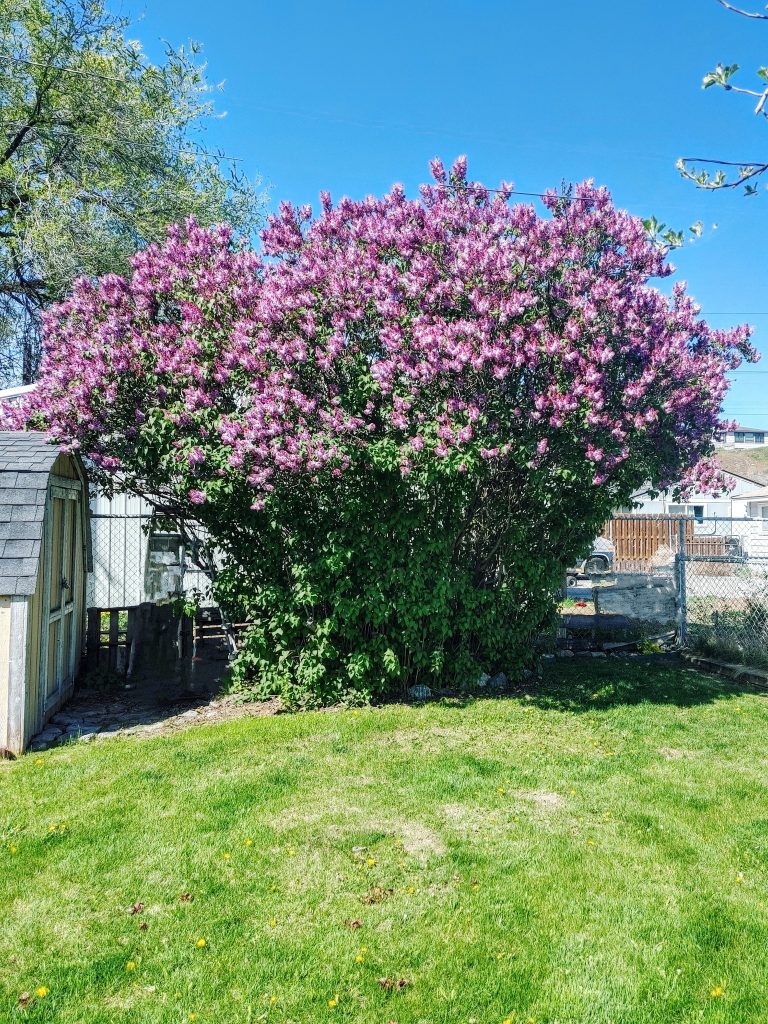
Lilac flowers come in a stunning array of colors: purple, lavender, white, pink, magenta, pale yellow, and even deep burgundy. The classic purple blooms of Syringa vulgaris are the most fragrant, often described as “heady and perfumey.”
Cultivars like ‘Madame Lemoine’ (white), ‘Yankee Doodle’ (deep purple), and ‘Belle de Nancy’ (double pink) offer diverse options for gardeners.
4. Sun Exposure
Lilacs love full sun, needing at least 6–8 hours of direct sunlight daily for optimal blooming. Partial shade is tolerated, but it reduces flower production and increases disease risk. Avoid planting in full shade, as blooms may not appear at all.
5. Mature Size
Lilac size varies by species and cultivar:
- Syringa vulgaris (common lilac): 8–15 feet tall, 6–12 feet wide.
- Syringa reticulata (Japanese tree lilac): 20–30 feet tall, 15–25 feet wide.
- Syringa pubescens subsp. patula ‘Miss Kim’: 4–7 feet tall, 4–6 feet wide.
- Dwarf varieties like Syringa meyeri ‘Palibin’: 3–5 feet tall and wide.
6. Lifespan
With proper care, lilacs can live for decades, even centuries. Some Syringa vulgaris specimens in North America are over 200 years old. Japanese tree lilacs typically live 40–50 years, while smaller cultivars like ‘Miss Kim’ may have slightly shorter lifespans but still thrive for decades with good maintenance.
7. Toxicity
Lilacs are non-toxic to humans and pets, making them a safe choice for family gardens. Their flowers are even edible and used in perfumes or dyes. However, they’re not a preferred food for deer or other animals, though hungry deer may nibble if food is scarce.
8. Additional Features
- Leaves: Simple, heart-shaped, or oval, typically 2–5 inches long, dark green to blue-green, with little fall color except in some species like Syringa oblata subsp. dilatata, which shows bronze-purple autumn hues.
- Flowers: Fragrant, tubular, four-lobed blooms in panicles (6–12 inches long), flowering in mid to late spring. Some cultivars, like Bloomerang, rebloom in late summer or fall.
- Fruit: Dry, brown capsules containing two winged seeds, persisting into winter.
- Bark: Grey to grey-brown, smooth on young stems, furrowed on older ones. Japanese tree lilacs have attractive reddish-brown, cherry-like bark.
Lilacs attract pollinators like butterflies, hummingbirds, and bees, making them a wildlife-friendly addition to gardens. Their nectar and foliage also support moth caterpillars, including species like the lilac leaf mining moth.
How to Care for Lilac Trees – Comprehensive Growing Guide
Growing lilacs is rewarding, but they need the right conditions to thrive. Here’s how to care for your lilac tree, based on my own experience and expert advice:
Choose the Perfect Location
Lilacs crave sunlight—think 6–8 hours of direct sun daily. I made the mistake early on of planting a lilac in partial shade near my garage, and it barely bloomed. Move to a sunny, open spot, and it transforms into a blooming machine!
Good air circulation is also key to preventing fungal diseases, so avoid cramped corners or spots near tall fences. Clear weeds and debris to reduce competition. Test your soil’s drainage by digging a hole 12 inches deep, filling it with water, and checking if it drains within an hour.
Poor drainage? Consider raised beds or amend with sand and compost.
Soil Requirements
Lilacs prefer fertile, well-drained soil with a neutral to slightly alkaline pH (6.5–7.5). Acidic soil can stunt growth and reduce blooms. I learned this the hard way when my first lilac struggled in my acidic clay soil. A soil test kit (available at garden centers) confirmed the issue, and adding garden lime fixed it.
- Soil Amendment: Mix in organic matter like compost or aged manure to improve fertility and drainage. For heavy clay, add coarse sand or gravel. If your soil is too sandy, incorporate peat moss to retain moisture.
- pH Adjustment: If your soil is acidic (below 6.5), apply agricultural lime in fall, following package instructions (typically 1–2 pounds per 100 square feet). Retest after 6 months to ensure the pH is in range.
- Spacing Matters: Space lilacs according to their mature size to avoid overcrowding, which invites disease. For Syringa vulgaris (8–15 feet tall), plant 10–12 feet apart. Dwarf varieties like ‘Miss Kim’ (4–7 feet) need 4–6 feet. Japanese tree lilacs (Syringa reticulata, 20–30 feet) require 15–20 feet.
I once planted two lilacs too close together, and their branches tangled, making pruning a nightmare. Proper spacing saves headaches later.
Pro Tip: Measure the mature width of your cultivar and add a couple of feet for air circulation. Use a tape measure or mark with stakes before digging.
- When to Plant: Early spring or fall is ideal, as cooler temperatures help roots establish without heat stress. In colder climates (Zones 3–5), spring planting gives roots time to settle before winter. In milder zones (6–7), fall is better to take advantage of cooler, moist conditions.
Timing Tip: Avoid planting during summer heat or frozen winter ground. If you must plant in summer, provide extra water and shade the plant with a cloth for the first few weeks.
Planting Process
- Dig a hole twice as wide and slightly deeper than the root ball (e.g., 24 inches wide for a 12-inch root ball).
- Mix compost (30–50% by volume) with the excavated soil to enrich it.
- Place the lilac so the top of the root ball is level with or slightly above the ground to account for settling.
- Backfill with the soil-compost mix, tamping gently to remove air pockets.
- Water deeply (1–2 gallons for a small plant) to settle the soil.
- Add a 2–3-inch layer of organic mulch (bark chips, straw, or shredded leaves) around the base, keeping it 2 inches from the trunk to prevent rot.
My Experience: When I planted my ‘Miss Kim’ lilac, I added too much mulch against the trunk, and it developed minor rot. Now, I always leave a gap around the base—it works like a charm.
Container Planting for Dwarf Lilacs
If space is tight, dwarf cultivars like ‘Miss Kim’ or Syringa meyeri ‘Palibin’ thrive in containers. Use a pot at least 12–18 inches in diameter with drainage holes. Fill with a well-drained potting mix (50% potting soil, 30% compost, 20% perlite or sand) and add lime to maintain alkalinity..
Container Tip: Elevate pots on feet to ensure drainage, and repot every 2–3 years to refresh the soil and prevent root binding.
Watering: Finding the Right Balance
Lilacs are fairly drought-tolerant once established, but proper watering is crucial, especially for young plants. Here’s how to get it right:
Young Lilacs (First 1–2 Years):
- Water deeply (1–2 inches per week) to encourage strong root growth. Use a soaker hose or drip irrigation to target the root zone.
- Check soil moisture by digging 2–3 inches down; water if it feels dry. I use a simple moisture meter (about $10 online) to avoid guesswork.
- Water in the morning to allow foliage to dry before evening, reducing fungal risk.
- In hot, dry weather, increase to twice weekly, especially for sandy soils.
Established Lilacs
- Once roots are established (2–3 years), lilacs need less frequent watering. Provide supplemental water during prolonged dry spells (2–3 weeks without rain).
- Aim for 1 inch of water per week, either from rain or irrigation. A rain gauge helps track natural rainfall.
- Avoid overwatering, as soggy soil leads to root rot. If you notice yellowing leaves or mushy roots, cut back on watering and improve drainage.
Mulching for Moisture
A 2–3-inch layer of mulch (pine bark, wood chips, or shredded leaves) conserves soil moisture and keeps roots cool. Refresh mulch annually in spring or fall. I learned this trick after a hot summer nearly fried my young lilac; mulch saved the day by keeping the soil consistently moist.
Mulch Tip: Avoid piling mulch against the trunk (no “mulch volcanoes”). It traps moisture and invites rot or pests.
Container Watering
- Potted lilacs dry out faster than in-ground plants. Water when the top inch of soil feels dry, typically every 2–3 days in summer.
- Ensure pots have drainage holes to prevent waterlogging. I place saucers under my pots but empty them after watering to avoid standing water.
- In winter, reduce watering to once every 1–2 weeks, as potted lilacs enter dormancy.
Signs of Watering Issues
- Underwatering: Wilting leaves, dry soil, or drooping stems. Water immediately and check drainage.
- Overwatering: Yellowing leaves, soft stems, or a sour smell from the soil. Improve drainage and reduce watering frequency.
Fertilizing: Feeding for Fabulous Blooms
Lilacs don’t need heavy feeding, but the right nutrients boost blooms and vigor. Here’s how to fertilize effectively:
When to Fertilize
- Apply fertilizer in late winter or early spring (February–March) before new growth starts. This fuels bud formation for spring blooms.
- Avoid fertilizing after mid-summer, as it encourages tender growth that’s vulnerable to winter damage.
- For young plants, skip fertilizing in the first year if you amended the soil at planting. Start in year two to avoid nutrient overload.
Choosing the Right Fertilizer:
- Use a balanced, granular fertilizer like 10-10-10 or 5-10-10 (nitrogen-phosphorus-potassium). Phosphorus promotes blooms, while excess nitrogen leads to leafy growth and fewer flowers.
- Organic options like compost, aged manure, or bone meal work well. I mix a handful of bone meal into the soil each spring for my Syringa vulgaris—it loves the phosphorus boost.
- Avoid lawn fertilizers high in nitrogen (e.g., 20-0-0) near lilacs, as runoff can reduce blooming.
How to Apply
- Spread granular fertilizer evenly around the drip line (the area under the outermost branches), not directly against the trunk.
- Follow package instructions (typically 1/2 cup per plant for a 10-10-10 mix). Water thoroughly after applying to help nutrients soak in.
- For organic amendments, work 1–2 inches of compost or manure into the top 4 inches of soil annually.
Soil Testing
- Test your soil every 2–3 years to check nutrient levels and pH. Kits are available at garden centers or through local extension services.
- If phosphorus or potassium is high, skip fertilizer for a year to avoid buildup, which can harm roots.
- My local extension service tested my soil for free, revealing low potassium. A targeted fertilizer fixed the issue, and my lilac’s blooms doubled the next year.
Container Fertilizing:
- Use a slow-release fertilizer formulated for woody plants (e.g., Osmocote 14-14-14) in spring. Follow with a liquid fertilizer (diluted to half strength) monthly during the growing season.
- Flush pots with water every few months to prevent salt buildup from fertilizers.
Signs of Nutrient Issues
- Yellowing leaves: May indicate nitrogen deficiency or overwatering. Test soil and adjust accordingly.
- Poor blooming: Often due to low phosphorus or potassium. Switch to a bloom-boosting fertilizer.
- Burned leaf edges: Signals over-fertilization. Flush soil with water and pause feeding for a season.
Pruning: Shaping and Reviving Your Lilac
Pruning is the secret to keeping lilacs healthy, shapely, and blooming profusely. I used to dread pruning, thinking I’d ruin my lilac, but with practice, it’s become a spring ritual. Here’s a detailed guide:
Why Prune?
- Encourages abundant blooms by removing spent flowers and old wood.
- Improves air circulation, reducing disease risk.
- Maintains size and shape, especially for small gardens or containers.
- Rejuvenates older plants by stimulating new growth.
When to Prune
Prune immediately after flowering (late spring, typically May–June), as lilacs set next year’s buds on old wood soon after blooming. Pruning later removes these buds, costing you next year’s flowers. For non-flowering tasks (e.g., removing suckers or dead wood), late winter or early spring is fine.
My Mistake: I once pruned my lilac in fall, thinking it was dormant. No blooms the next spring! Now, I stick to post-bloom pruning.
Maintenance Pruning (Annual):
- Remove dead, damaged, or diseased branches with clean, sharp pruning shears. Cut at a 45-degree angle just above a healthy bud or branch junction.
- Thin out crowded or crossing branches to open up the canopy. Aim to remove 10–20% of the interior growth to improve light and air flow.
- Trim back overly long shoots to maintain shape, especially for dwarf varieties.
- Deadhead spent flower heads by cutting just above the first set of leaves below the flower cluster. This prevents seed formation and boosts next year’s blooms.
Renewal Pruning (For Older Lilacs):
Older lilacs (10+ years) can become leggy or bloom sparsely. Renew them by cutting back one-third of the oldest, thickest stems (over 2 inches in diameter) to the ground each year for three years.This encourages vigorous new shoots.
I did this with a neglected lilac in my backyard, and by year three, it was blooming like never before.
Tip: Mark stems to remove with chalk or tape to avoid over-pruning in one session.
Rejuvenation Pruning (For Overgrown Plants):
For severely overgrown dwarf lilacs, cut the entire plant to 6–12 inches above the ground in late winter. This drastic approach sacrifices blooms for 1–2 years but results in a healthier, more compact plant.
Caution: Only rejuvenate healthy plants, as weak ones may not recover. Water and fertilize well post-pruning.
Removing Suckers
Many lilacs, especially grafted ones, produce suckers (shoots from the base or roots). These can sap energy or cause unwanted spread. Dig down and cut suckers at their base with pruners. For grafted plants, remove suckers below the graft union to prevent the rootstock from taking over.
My Tip: I check for suckers monthly during the growing season. A quick snip keeps my lilac tidy.
Tools and Hygiene
Use sharp, clean pruning shears, loppers, or a pruning saw for thick stems. Dull tools cause jagged cuts that invite disease.Sterilize tools with rubbing alcohol or a 10% bleach solution between cuts, especially if removing diseased wood.
Container Pruning
- Prune dwarf lilacs in pots annually to maintain size. Focus on removing leggy growth and deadheading flowers.
- Root prune every 2–3 years when repotting to prevent root binding. Trim 1–2 inches of roots and refresh the soil.
Winter Care: Protecting Lilacs in Cold Climates
Lilacs are cold-hardy, thriving in Zones 3–7, but young plants and those in harsh climates need extra care to survive winter. Here’s how to prep your lilac for the cold:
Mulching for Insulation:
Apply a 3–4-inch layer of organic mulch (straw, bark, or leaves) around the base in late fall to insulate roots and prevent frost heaving (when freeze-thaw cycles push roots out of the soil). Extend mulch to the drip line but keep it 2 inches from the trunk to avoid rot.
My Experience: After losing a young lilac to a brutal Zone 4 winter, I started mulching heavily. No losses since!
Watering Before Dormancy
Water deeply (1–2 inches) in late fall before the ground freezes to hydrate roots. Dry roots are more susceptible to winter damage. Avoid watering once the ground is frozen, as it can lead to ice buildup around roots.
Protecting Young Plants:
Young lilacs (1–3 years old) are vulnerable to cold snaps. Wrap the base with burlap or tree wrap to shield against wind and rodents. In Zones 3–4, consider wrapping the entire plant in breathable burlap for extra insulation, leaving the top open for air circulation.
Rodent and Deer Protection
Rabbits and voles may chew lilac bark in winter. Wrap the lower 2–3 feet of the trunk with hardware cloth or plastic tree guards. Deer rarely eat lilacs but may nibble in lean winters. Spray foliage with a deer repellent (like liquid garlic) if needed.
My Solution: A circle of chicken wire around my young lilac kept rabbits at bay without breaking the bank.
Container Winter Care
Move potted lilacs to an unheated garage or sheltered area in Zones 3–5 to protect roots from freezing. Alternatively, bury pots in the ground or wrap with insulating foam. Water sparingly (once every 1–2 weeks) to prevent roots from drying out completely.
Pro Tip: I wrap my patio lilac pot in bubble wrap and place it against a south-facing wall for extra warmth.
Pruning in Winter
Avoid major pruning in winter, as it can stress the plant. Only remove broken or dead branches if necessary. Wait until late winter for renewal or rejuvenation pruning to prepare for spring growth.
Special Considerations for Different Climates
Lilacs are versatile but perform best in specific conditions. Here’s how to adapt care for your climate:
Cold Climates (Zones 3–5)
- Lilacs thrive here, as cold winters provide the chilling hours (400–1,000 hours below 45°F) needed for blooming.
- Focus on winter protection for young plants and heavy mulching to prevent root damage.
- Choose cold-hardy cultivars like Syringa vulgaris ‘Charles Joly’ or ‘Monge’ for reliable blooms.
Mild Climates (Zones 6–7)
- Lilacs do well but may need extra care to ensure sufficient chilling. Plant in the coolest part of your garden (e.g., north-facing slopes).
- Select cultivars with moderate chilling requirements, like ‘Lavender Lady’ or ‘Angel White.’
My Tip: In Zone 7, I planted my lilac near a shady tree to mimic cooler conditions, and it blooms reliably.
Warm Climates (Zone 8 and Borderline Zone 9)
- Traditional lilacs struggle in warm climates due to insufficient winter chill. Opt for low-chill cultivars like the Scentara series (‘Scentara Double Blue’) or Descanso hybrids (‘Blue Skies’).
- Provide afternoon shade and extra mulch to keep roots cool.
- Monitor for fungal diseases, as humidity is higher in these zones.
Caution: Avoid Syringa vulgaris in warm climates unless you’re willing to experiment with heavy care.
Urban Gardens
- Lilacs tolerate urban pollution but need good air circulation to avoid disease. Plant away from busy roads to reduce dust buildup on leaves.
- Use dwarf varieties for small urban spaces or containers.
My Experience: My city lilac thrives in a raised bed with excellent drainage, despite nearby traffic.
Troubleshooting Common Care Mistakes
Even experienced gardeners make mistakes. Here are common pitfalls and how to avoid them:
- Overwatering: Soggy soil is a lilac’s enemy. Ensure proper drainage and check soil moisture before watering. If you suspect root rot, dig around the base to inspect roots—healthy ones are white and firm, not brown and mushy.
- Wrong pruning time: Pruning in fall or winter removes next year’s buds. Always prune right after flowering. Mark your calendar to stay on track.
- Poor site selection: Shade or poor drainage stifles lilacs. If blooms are sparse, consider transplanting to a sunnier, better-drained spot in fall.
- Over-fertilizing: Too much fertilizer, especially nitrogen, leads to leafy growth and no blooms. Stick to balanced fertilizers and test soil regularly.
- Ignoring pests or diseases: Check your lilac weekly for signs of trouble (spots, wilting, or pests). Early action prevents major damage.
Common Problems and Solutions
Lilacs are hardy, but they’re not immune to issues. Here are the most common problems and how to tackle them:
1. Powdery Mildew
High humidity, poor air circulation, or shade are the main causes of powdery mildew. Its symptoms include a white, flour-like coating on leaves, especially in late summer. It’s cosmetic but can reduce vigor.
Solutions
- Plant in full sun with good spacing.
- Prune to improve air flow.
- Choose resistant cultivars like ‘Miss Kim’ or ‘Palibin.’
- Apply fungicides as a last resort, following label instructions.
My Tip: I noticed powdery mildew on my lilac when I planted it too close to a fence. Moving it to a sunnier, open spot solved the issue.
2. Bacterial Blight
Poor growing conditions or excessive nitrogen are the major causes of bacterial blight. Symptoms include black spots or stripes on leaves and stems, wilting, or dieback, especially in wet weather.
Solutions
- Remove and destroy infected parts.
- Avoid overhead watering.
- Ensure full sun and good drainage.
My Tip: I caught bacterial blight early by checking my lilac after heavy rain. Quick pruning and better drainage saved the plant.
3. Lilac Borer
Stress from drought or poor care attracts borers. Signs include holes in stems, sawdust-like frass, and weakened branches.
Solutions
- Keep plants healthy with regular watering and fertilizing.
- Remove infested branches and dispose of them.
- Use insecticidal sprays sparingly, targeting the base of the plant in spring.
My Tip: I wrap the base of young lilacs with burlap to deter borers—it’s a simple trick that works.
4. Lack of Blooms
This problem can stem from several causes, which include:
- Insufficient sunlight (less than 6 hours daily).
- Wrong pruning time (cutting off next year’s buds).
- Too much nitrogen fertilizer.
- Young plants not yet established (takes 2–5 years).
- Insufficient winter chill in warmer climates.
Solutions
- Ensure full sun exposure.
- Prune right after flowering.
- Use low-nitrogen fertilizer or compost.
- Be patient with young plants.
- Choose low-chill cultivars for warmer zones.
My Tip: My first lilac took three years to bloom fully. I learned to give it time and avoid lawn fertilizer nearby.
5. Other Pests and Diseases
- Pests: Scale, leaf miners, thrips, aphids, and caterpillars can affect lilacs. Monitor regularly and use insecticidal soap for minor infestations.
- Diseases: Verticillium wilt, leaf spots, and root rot can occur in poorly drained soils. Improve drainage and remove affected parts.
- Prevention: Healthy plants are less susceptible. Focus on proper planting, watering, and pruning practices.
FAQs About Lilac Trees
Q: How long do lilac trees live?
A: Lilacs can live for decades, with some Syringa vulgaris lasting over 200 years. Japanese tree lilacs typically live 40–50 years with proper care.
Q: Are lilac trees toxic to pets?
A: No, lilacs are non-toxic to humans, dogs, cats, and other pets. They’re safe for family gardens.
Q: Why isn’t my lilac blooming?
A: Common reasons include too little sun, pruning at the wrong time, excessive nitrogen, or a young plant not yet mature. Ensure 6+ hours of sun, prune after flowering, and avoid high-nitrogen fertilizers.
Q: Can I grow lilacs in a pot?
A: Yes, dwarf varieties like ‘Miss Kim’ or ‘Palibin’ work well in large, well-drained pots. Amend the soil with lime and protect from harsh winters.
Q: How do I propagate lilacs?
A: Propagate via cuttings or layering in late spring. Take 4–5-inch cuttings with 4–5 buds, apply rooting compound, and plant in potting mix. For layering, nick a low branch, apply rooting hormone, and cover with soil.
Q: What’s the best lilac for small gardens?
A: Dwarf cultivars like Syringa meyeri ‘Palibin’ (3–5 feet) or ‘Miss Kim’ (4–7 feet) are ideal for small spaces. They’re also disease-resistant.
Q: Do lilacs attract wildlife?
A: Yes, lilacs attract pollinators like butterflies, hummingbirds, and bees. Their foliage supports moth caterpillars, but deer usually avoid them unless food is scarce.
Q: Can lilacs grow in hot climates?
A: Lilacs struggle in hot, humid areas (beyond Zone 7 or 8) due to insufficient winter chill. Choose low-chill cultivars like Scentara for better results.
Final thoughts
Lilacs are more than just plants—they’re a piece of history, a burst of springtime joy, and a low-maintenance addition to any landscape. Whether you choose the classic Syringa vulgaris with its purple blooms or a compact ‘Miss Kim’ for a small garden, lilacs reward you with fragrance and beauty.
I’ve loved watching my own lilac tree grow over the years, its blooms signaling the start of spring. By planting in full sun, ensuring well-drained soil, and pruning thoughtfully, you’ll enjoy these enchanting trees for decades.

Tim M Dave is a gardening expert with a passion for houseplants, particularly cacti and succulents. With a degree in plant biology from the University of California, Berkeley, he has vast experience in gardening. Over the years, he has cultivated a vast collection of desert plants and learned a great deal about how to grow and care for these unique companions.