Haworthia Cultivation: How to Grow These Adorable Succulents
The first time I saw a Haworthia, I was smitten. Its tiny, rosette-shaped leaves, dotted with translucent “windows,” looked like a living jewel. I bought my first Haworthia cooperi on a whim at a local nursery, and it’s been thriving on my windowsill ever since.
These petite succulents are perfect for beginners, busy gardeners, or anyone who loves low-maintenance greenery with a big personality. In this guide, I’ll share everything you need to know about growing Haworthia. From its fascinating history, to its characteristics, and care tips.
A Brief History and Classification of Haworthia
Haworthia plants hail from the arid landscapes of Southern Africa, primarily South Africa, Namibia, Swaziland, and parts of Mozambique. They thrive in rocky terrains, often tucked under shrubs or in crevices. It’s where they get shade from the scorching sun.
I find it amazing that these tiny plants have adapted to such harsh environments, storing water in their fleshy leaves to survive long droughts.
The genus was named after Adrian Hardy Haworth, a 19th-century English botanist who studied succulents and contributed to their classification. European explorers first documented Haworthia in the 1600s, but it wasn’t until the 20th century that these plants became popular in global horticulture.
Today, Haworthia is a favorite in succulent collections, loved for its compact size and striking appearance.
Botanical Classification
Haworthia belongs to the Asphodelaceae family, closely related to Aloe, Gasteria, and Kniphofia. The Haworthia genus includes over 70 species and countless hybrids, each with unique leaf patterns and growth habits.
Some of the most popular species include:
- Haworthia cooperi: Known for its translucent, bubble-like leaves that resemble tiny green grapes.
- Haworthia fasciata: Often called the “Zebra Plant” for its white, striped foliage.
- Haworthia attenuata: Similar to fasciata but with more pronounced tubercles (bumps).
- Haworthia retusa: Features thick, triangular leaves with translucent tips.
Hybrids like Haworthia ‘Truncata’ and Haworthia ‘Black Obtusa’ have also gained popularity for their unique shapes and colors. The diversity in this genus is mind-boggling, and I love how every species feels like a little surprise from nature.
Evolution of Cultivation
Haworthia’s journey from wild African deserts to modern homes is fascinating. In the early 20th century, succulent enthusiasts began cultivating Haworthia for ornamental purposes. Nurseries in Europe and North America started propagating them, and by the 1980s, Haworthia became a favorite among collectors.
Today, you can find these plants in garden centers, online shops, and even big-box stores. Their compact size and easy care make them ideal for urban gardeners and indoor plant lovers.
Characteristics of Haworthia
Haworthia plants are small but mighty, with features that make them stand out in the succulent world. Here’s a breakdown of their key characteristics:
- Scientific Name: Haworthia (various species, e.g., Haworthia cooperi, Haworthia fasciata).
- USDA Hardiness Zones: 9–11 (outdoor growth in warm climates; indoors elsewhere).
- Color Variations: Green, variegated, translucent, or reddish hues (especially when stressed by sun or cold).
- Sun Exposure: Bright, indirect light; tolerates low light but may lose vibrancy.
- Mature Size: 2–6 inches tall and wide, depending on the species.
- Lifespan: 20–40 years with proper care.
- Toxicity: Non-toxic to pets and humans, making it safe for homes with cats, dogs, or kids.
Unique Features
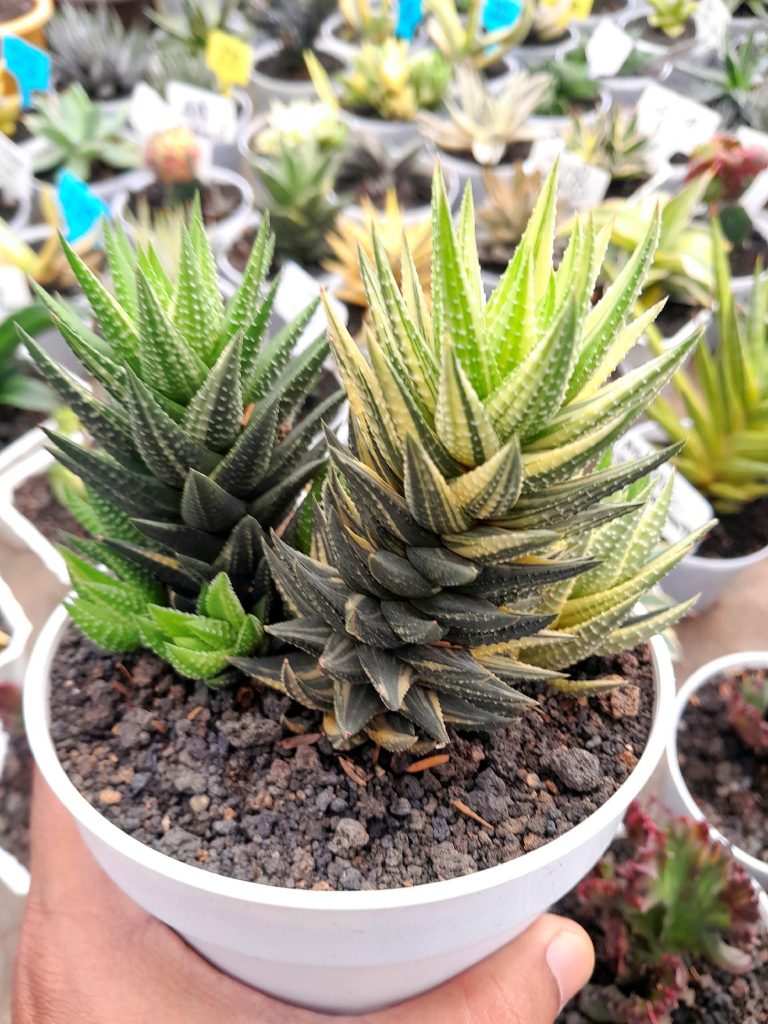
Haworthia’s rosette-shaped growth is its hallmark. The leaves form tight, spiral patterns, often with translucent “windows” that allow light to penetrate for photosynthesis. These windows, especially in species like Haworthia cooperi, give the plant a magical, almost glowing appearance.
Some species, like Haworthia fasciata, have white tubercles or stripes, adding texture and contrast. Others, like Haworthia retusa, have thick, fleshy leaves with a glossy finish. The color palette ranges from deep green to pale gray, with some varieties turning red or purple under stress (a natural response to intense light or cold).
Growth Habits
Haworthia plants are slow growers, which is great for small spaces. They rarely outgrow their pots. Their compact size makes them perfect for terrariums, windowsills, or desk displays. Most species produce offsets (pups) that can be separated for propagation, making it easy to expand your collection.
I’ve propagated dozens of Haworthia pups over the years, and it’s like getting free plants!
Environmental Adaptability
In their native habitat, Haworthia grows in semi-shaded areas, often under rocks or larger plants. This makes them ideal for indoor environments where direct sunlight is limited. They’re also drought-tolerant, storing water in their leaves to survive dry spells.
However, they’re sensitive to frost, so outdoor growers in cooler climates need to bring them indoors during winter.
How to Care for Haworthia
Caring for Haworthia is a breeze, even if you’re new to plants. Below, I’ll break down the essentials, with tips based on my own experience and expert advice.
Soil: The Foundation of Healthy Haworthia
Haworthia needs well-draining soil to prevent root rot. A cactus or succulent potting mix works perfectly. You can buy pre-made mixes or make your own by combining:
- 50% potting soil
- 25% perlite or pumice
- 25% coarse sand
I learned this the hard way after my first Haworthia got soggy in regular potting soil. Now, I always use a gritty mix, and my plants are much happier. Ensure the pot has drainage holes to let excess water escape.
Watering: Less Is More
Haworthia is drought-tolerant and hates overwatering. They can store water in their succulent leaves, making them survive drought conditions. Water every 2–3 weeks, allowing the soil to dry out completely between waterings. In winter, reduce watering to once a month, as the plant goes semi-dormant.
Here’s my watering routine:
- Check the soil with a finger or a moisture meter. If it’s dry 1–2 inches down, it’s time to water.
- Pour water slowly until it drains out the bottom, then empty the saucer.
- Avoid getting water on the leaves to prevent rot.
One time, I overwatered my Haworthia fasciata, and the leaves turned mushy. I salvaged it by cutting away the damaged parts and repotting it in dry soil. Lesson learned: when in doubt, water less!
Light: Bright but Indirect
Haworthia thrives in bright, indirect light. A south- or east-facing windowsill is ideal for indoor plants. They can tolerate low light, but their colors may fade, and growth may slow. Direct sunlight, especially in hot climates, can scorch the leaves, causing brown or red spots.
I keep my Haworthia near a window with sheer curtains, which diffuses the light perfectly. If you’re growing outdoors, place them under a patio cover or in dappled shade. If you notice elongated, stretched leaves (etiolation), your plant needs more light.
Temperature and Humidity
Haworthia prefers temperatures between 65–80°F (18–27°C). They can tolerate brief dips to 50°F (10°C) but are sensitive to frost. If you live in USDA Zones 9–11, you can grow Haworthia outdoors year-round. Otherwise, bring them indoors during winter.
These plants like low humidity, mimicking their desert origins. Avoid placing them in humid spots like bathrooms unless you have good ventilation. I once put a Haworthia in my steamy kitchen, and it started to rot. Now, I keep them in drier areas of my home.
Fertilizing: Feed Sparingly
Haworthia doesn’t need much fertilizer. During the growing season (spring and summer), feed once a month with a diluted cactus fertilizer such as 10-10-10, diluted to half strength. Avoid fertilizing in fall and winter when the plant is dormant.
I use a liquid succulent fertilizer and mix it into the watering can. Overfertilizing can cause leaf burn, so less is more. If your Haworthia looks healthy, you might not need fertilizer at all.
Propagation: Grow Your Collection
Propagating Haworthia is fun and rewarding. Here are the three main methods:
- Offsets (Pups): Most Haworthia produce small clones at their base. Gently separate these with a clean knife and plant them in well-draining soil. Water lightly until roots form (2–4 weeks).
- Leaf cuttings: Remove a healthy leaf, let it callus for 1–2 days, and place it on dry soil. Mist lightly every few days until roots and a new plantlet appear (4–8 weeks).
- Seeds: This method is slower and less common. Sow seeds in a succulent mix, keep them moist, and wait 1–2 months for germination.
I’ve had great success with offsets. My Haworthia cooperi produced five pups last year, and now I have a mini colony!
Repotting: Refresh Every Few Years
Repot Haworthia every 2–3 years or when it becomes pot-bound. Choose a pot 1–2 inches larger than the current one, with drainage holes. Spring is the best time for repotting, as the plant is actively growing.
Here’s how I repot:
- Gently remove the plant, shaking off old soil.
- Inspect roots for rot and trim if needed.
- Place in a new pot with fresh succulent mix.
- Wait 3–5 days before watering to let roots settle.
Repotting gives my Haworthia a fresh start, and I love seeing them perk up in their new homes.
Pruning: Keep It Minimal
Haworthia rarely needs pruning. Remove dead or dried leaves by gently pulling them from the base. If you notice damaged or mushy leaves, cut them off with clean scissors to prevent rot from spreading.
I once neglected a few dead leaves on my Haworthia retusa, and they attracted pests. Now, I check my plants monthly and tidy them up as needed.
Common Problems and Solutions
Even easy-care plants like Haworthia can run into issues. Here’s a guide to the most common problems and how to fix them, based on my own trials and errors.
1. Overwatering: The Silent Killer
Symptoms: Mushy, translucent leaves; black or brown roots; foul odor from soil.
Cause: Too much water or poor drainage.
Solution
- Stop watering immediately.
- Remove the plant from its pot and inspect the roots.
- Trim away rotted roots with sterilized scissors.
- Repot in fresh, dry succulent mix.
- Water sparingly (once every 2–3 weeks) going forward.
I lost my first Haworthia to overwatering because I treated it like a tropical plant. Now, I stick to a strict “less is more” watering schedule.
2. Underwatering: Shriveled Leaves
Symptoms: Wrinkled, shriveled, or curling leaves.
Cause: Too little water or prolonged drought.
Solution
- Water thoroughly, ensuring the soil is moist but not soggy.
- Resume a regular watering schedule (every 2–3 weeks).
- Check if the pot is too small, as cramped roots can’t absorb water efficiently.
I once forgot to water my Haworthia fasciata for a month, and it looked sad and shriveled. A good soak brought it back to life within a week.
3. Pests: Unwanted Guests
Common Pests: Mealybugs (white, cottony masses), spider mites (tiny webs), and scale (brown, waxy bumps).
Solution:
- Isolate the affected plant to prevent spread.
- Wipe leaves with a cotton swab dipped in 70% rubbing alcohol.
- Spray with neem oil or insecticidal soap every 7–10 days until pests are gone.
- Inspect regularly to catch infestations early.
I had a mealybug outbreak on my Haworthia cooperi last year. A few rounds of neem oil saved the day, but I now check my plants weekly.
4. Sunburn: Too Much Light
Symptoms: Brown, scorched, or reddish spots on leaves.
Cause: Excessive direct sunlight.
Solution
- Move the plant to a spot with bright, indirect light.
- Use sheer curtains to diffuse strong sunlight indoors.
- Trim severely damaged leaves if necessary.
My Haworthia retusa got sunburned when I left it on a sunny balcony. Now, I keep it in filtered light, and it’s thriving again.
5. Etiolation: Stretched Growth
Symptoms: Elongated, leggy leaves; pale color.
Cause: Insufficient light.
Solution
- Move the plant to a brighter location (south- or east-facing window).
- Supplement with a grow light if natural light is limited (12–14 hours daily).
- Rotate the plant every few weeks for even growth.
I noticed my Haworthia attenuata stretching toward the window, so I got a small LED grow light. It’s been a game-changer for my indoor succulents.
6. Root Rot: A Preventable Problem
Symptoms: Soft, black roots; wilting or yellowing leaves.
Cause: Overwatering or poor drainage.
Solution
- Remove the plant and cut away affected roots.
- Repot in fresh, well-draining soil.
- Use a pot with drainage holes.
- Adjust watering to prevent recurrence.
Root rot is the bane of succulent lovers. After losing a plant to it, I now use terracotta pots for better airflow and drainage.
Tips for Growing Haworthia Indoors and Outdoors
Indoor Growing
Haworthia is a dream for indoor gardeners. Here’s how to set them up for success:
- Pots: Choose terracotta or ceramic pots with drainage holes. I love terracotta because it wicks away excess moisture.
- Placement: Place near a south- or east-facing window with bright, indirect light. If your home is dim, use a grow light (10–12 hours daily).
- Display ideas: Create a mini succulent garden in a glass terrarium or arrange Haworthia in colorful pots on a shelf. I have a trio of Haworthia in a wooden tray on my coffee table, and it’s a conversation starter!
- Air circulation: Ensure good ventilation to prevent fungal issues. Avoid humid spots like bathrooms.
Outdoor Growing
In USDA Zones 9–11, Haworthia can grow outdoors year-round. For other regions, treat them as patio plants in summer and bring them indoors before frost. Here’s how to care for them outside:
- Location: Place in dappled shade or under a patio cover. Avoid direct afternoon sun.
- Protection: Use frost cloth or move pots indoors if temperatures drop below 50°F (10°C).
- Rock gardens: Plant Haworthia in rock gardens with other succulents for a desert vibe. I tried this in my backyard, and it looks like a mini Sahara!
Seasonal Care Adjustments
- Spring/Summer: Increase watering slightly (every 2 weeks) and fertilize monthly. This is the growing season, so your Haworthia will be active.
- Fall/Winter: Reduce watering to once a month and stop fertilizing. Protect from cold drafts indoors.
Why Haworthia Is Perfect for Beginners
If you’re new to plants, Haworthia is your best friend. Here’s why:
- They need minimal water and care, perfect for busy schedules.
- Haworthia can bounce back from neglect or minor mistakes (like forgetting to water).
- Compact size makes them ideal for small spaces like apartments or dorms.
- Their unique shapes and colors make them great for decor, from modern to boho styles.
Compared to other succulents like Aloe or Echeveria, Haworthia is less demanding about light and more forgiving of overwatering mishaps. I started my plant journey with a Haworthia fasciata, and it’s still alive five years later, despite my early mistakes!
FAQs
Here are quick answers to commonly asked questions about growing Haworthia
How often should I water my Haworthia?
Water every 2–3 weeks in spring and summer, letting the soil dry out completely. In winter, water once a month.
Is Haworthia safe for pets?
Yes, Haworthia is non-toxic to cats, dogs, and humans, making it a pet-friendly choice.
Why are my Haworthia leaves turning brown?
Brown leaves can mean sunburn or overwatering. Move to indirect light and check soil moisture.
Can Haworthia grow indoors?
Absolutely! Place in bright, indirect light, like a south-facing window, and water sparingly.
How do I propagate Haworthia?
Use offsets (pups) or leaf cuttings. Separate pups and plant in well-draining soil, or let leaf cuttings callus before planting.
Why is my Haworthia stretching?
Stretching (etiolation) happens when light is too low. Move to a brighter spot or use a grow light.
How long do Haworthia plants live?
With proper care, Haworthia can live 20–40 years, making them long-term companions.
Can Haworthia grow in low light?
They tolerate low light but may lose vibrancy. For best results, provide bright, indirect light.
Conclusion
Haworthia plants are a joy to grow. Their compact size, unique appearance, and easy-care nature make them perfect for anyone, from beginners to seasoned gardeners. I’ve loved watching my Haworthia collection grow, each plant adding a bit of desert magic to my home. Whether you’re drawn to their translucent leaves or their forgiving nature, Haworthia is sure to win you over.
References
- Royal Horticultural Society. (2025). Haworthia Care Guide. rhs.org.uk.
- University of Wisconsin-Madison Extension. (2024). Succulent Plants: Haworthia. extension.wisc.edu.
- Missouri Botanical Garden. (2025). Haworthia Species and Cultivation. missouribotanicalgarden.org.
- International Succulent Introductions. (2024). Haworthia Hybrids and Varieties. isi.org.
- American Society for the Prevention of Cruelty to Animals (ASPCA). (2025). Toxic and Non-Toxic Plants: Haworthia. aspca.org.

Tim M Dave is a gardening expert with a passion for houseplants, particularly cacti and succulents. With a degree in plant biology from the University of California, Berkeley, he has vast experience in gardening. Over the years, he has cultivated a vast collection of desert plants and learned a great deal about how to grow and care for these unique companions.