Tips for Lush, Blooming Hoya Plants: How to Grow and Care for These Beauties
Hoya plants, often called wax plants, have stolen my heart with their waxy leaves and star-shaped flowers. I’ve been growing Hoyas for years, and let me tell you, they’re a joy for both beginners and seasoned plant parents.
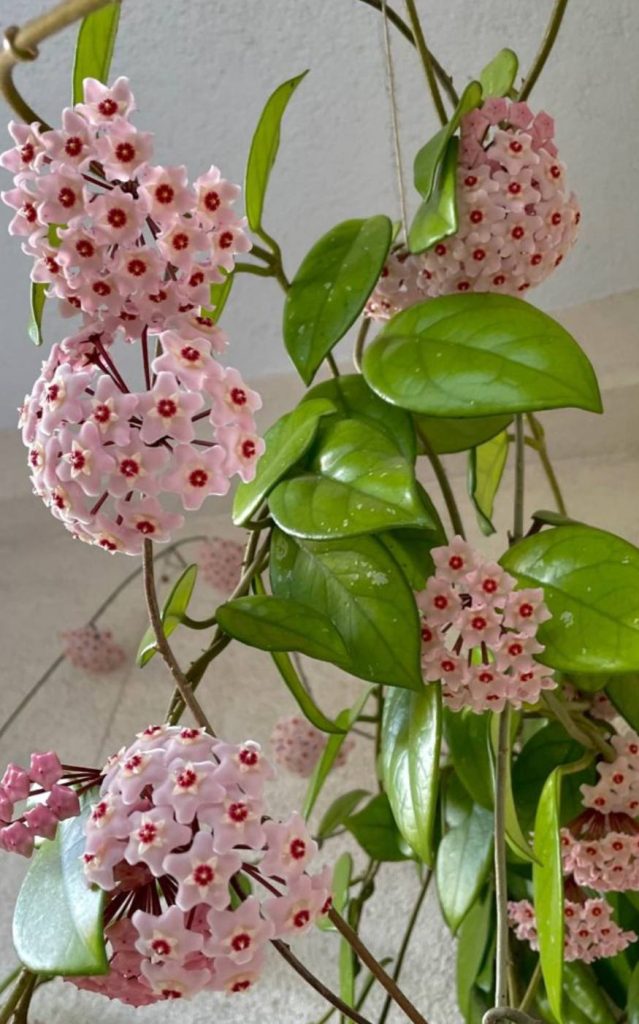
Whether you’re drawn to their cascading vines or fragrant blooms, these beauties are low-maintenance yet stunning additions to any home. I first fell for Hoyas when I saw a Hoya carnosa in a local nursery. Its glossy leaves and delicate, porcelain-like flowers were irresistible.
Native to tropical and subtropical regions like Asia and Australia, Hoyas are epiphytic, meaning they grow on other plants in the wild. This makes them perfect for hanging baskets or climbing trellises.
With over 200 species, there’s a Hoya for every taste—Hoya kerrii with its heart-shaped leaves is a Valentine’s Day favorite!
Hoyas are forgiving, which is great for someone like me who sometimes forgets to water. They thrive on neglect, but with a little love, they reward you with vibrant foliage and blooms that smell like chocolate or vanilla. Ready to grow your own? Here’s how I do it.
Choosing the Right Hoya for You
Not all Hoyas are the same. Some have thick, succulent leaves, while others sport thin, delicate ones. I started with a Hoya carnosa because it’s beginner-friendly and widely available. Hoya pubicalyx, with its splashy leaves, and Hoya australis, with its round, glossy foliage, are also great choices.
If you want something unique, try Hoya linearis for its needle-like leaves or Hoya kerrii for that adorable heart shape.
Before buying, consider your space. Do you have bright, indirect light? Hoyas love that. Got a small apartment? A compact Hoya like Hoya bella works great. I bought mine from a local nursery, but online retailers like Etsy or Logee’s offer healthy plants and cuttings.
Essential Hoya Care Tips
Growing Hoyas is straightforward if you follow a few key principles. Here’s what I’ve learned works best.
1. Lighting: Bright but Indirect
Hoyas crave bright, indirect light. I keep mine near an east-facing window where they get morning sun but are shaded from harsh afternoon rays. If you notice leggy growth or no blooms, your Hoya might need more light.
A sheer curtain helps diffuse direct sunlight, which can scorch their leaves. If you’re low on natural light, I swear by grow lights. I use a full-spectrum LED grow light for my Hoya kerrii, and it’s thriving. Aim for 12-16 hours of light daily for best results.
2. Watering: Less Is More
Overwatering is the fastest way to kill a Hoya. I learned this the hard way when I drowned my first Hoya carnosa. Now, I water mine every 10-14 days, letting the top inch of soil dry out completely.
In winter, I cut back even more—once every three weeks works for me.
Use a pot with drainage holes to prevent soggy roots. I check the soil with my finger or a moisture meter. If you’re unsure, wait an extra day before watering.
3. Soil and Potting: Keep It Airy
Hoyas need well-draining soil. I mix equal parts potting soil, perlite, and orchid bark for a chunky, airy blend. This mimics their epiphytic roots, which hate being waterlogged. You can buy pre-made cactus or orchid mix if you don’t want to DIY.
Repot every 1-2 years or when roots look crowded. I repotted my Hoya australis last spring, and it’s doubled in size since. Choose a pot just one size up to avoid excess moisture. Ensure the pot has drainage holes at the bottom.
4. Humidity and Temperature
Hoyas love humidity—50-60% is ideal. If your home is dry, try a pebble tray or a humidifier.
Keep temperatures between 60-80°F (15-27°C). Hoyas hate cold drafts, so I move mine away from windows in winter. They also don’t mind warm spots, but avoid placing them near heaters.
5. Fertilizing: Feed Sparingly
I feed my Hoyas with a balanced liquid fertilizer (like 10-10-10) diluted to half strength every 4-6 weeks during spring and summer. In fall and winter, I skip fertilizing altogether. Overfeeding can cause leaf burn, so less is more.
6. Pruning and Training: Shape Your Hoya
I prune my Hoyas to encourage bushier growth or to remove leggy stems. Always use clean scissors to avoid infections. I also train my Hoya pubicalyx to climb a small trellis, which looks amazing.
Don’t cut the flower spurs (those woody stems where blooms form)—they’ll rebloom next season.
How to Get Your Hoya to Bloom
Nothing beats the thrill of seeing your Hoya bloom. My Hoya carnosa’s pink, star-shaped flowers smell like chocolate at night! Here’s how I coax mine to flower:
- Provide enough light. Bright, indirect light triggers blooming. Move your Hoya closer to a window if it’s not flowering.
- Be patient as Hoyas often bloom after 2-3 years of maturity. My Hoya bella took three years to show its first flowers, but it was worth the wait.
- Avoid disturbing spurs. Those flower spurs are gold. Leave them intact for repeat blooms.
- Stress them slightly. I let my soil dry out a bit longer in spring to mimic their natural cycle. Don’t overdo it, though!
Propagating Hoyas – Grow More for Free
I love propagating Hoyas because it’s easy and rewarding. Here’s my go-to method for stem cuttings:
- Use clean scissors to cut a 4-6 inch stem with 2-3 nodes (where leaves meet the stem).
- Remove lower leaves to expose the nodes.
- Root in water or soil. I prefer water propagation because it’s fun to watch roots grow. Place the cutting in a jar of water, changing it weekly. Roots appear in 2-4 weeks. Alternatively, dip the cut end in rooting hormone and plant in moist soil.
- Once roots are 1-2 inches long, pot them in your Hoya soil mix.
I’ve propagated dozens of Hoyas this way and gifted them to friends.
Common Hoya Problems and Solutions
I’ve even faced Hoya hiccups. Here’s how I tackle common issues:
- Yellow leaves: Usually overwatering. Check your soil and reduce watering. Ensure your pot has drainage.
- No blooms: Not enough light or the plant is too young. Move it to a brighter spot and be patient.
- Pests: Mealybugs and spider mites love Hoyas. I wipe leaves with neem oil or insecticidal soap.
- Dropping leaves: Could be cold drafts or underwatering. Keep your Hoya warm and check soil moisture.
FAQs About Growing Hoya Plants
Q: How often should I water my Hoya?
A: Water every 10-14 days, letting the top inch of soil dry out. In winter, water less—every 3 weeks or so.
Q: Why isn’t my Hoya blooming?
A: It might need more light or time to mature. Ensure bright, indirect light and don’t cut flower spurs.
Q: Can Hoyas grow in low light?
A: They can survive but won’t thrive or bloom. Supplement with a grow light if needed.
Q: Are Hoyas pet-safe?
A: Yes, Hoyas are non-toxic to cats and dogs, according to the ASPCA.
Q: How do I propagate a Hoya?
A: Take a stem cutting with nodes, root it in water or soil, and transplant once roots form.
Q: What’s the best fertilizer for Hoyas?
A: Use a balanced liquid fertilizer (10-10-10) diluted to half strength every 4-6 weeks in spring and summer.
My Favorite Hoya Varieties
Here are my top picks after years of growing Hoyas:
- Hoya carnosa: Classic, easy to grow, with fragrant blooms.
- Hoya kerrii: Heart-shaped leaves, perfect for gifting.
- Hoya pubicalyx: Splashy leaves and fast growth.
- Hoya linearis: Unique, cascading, needle-like leaves.
- Hoya australis: Round, glossy leaves that love to climb.
Each has its charm, and I’m always adding to my collection!
Where to Buy Hoyas
Local nurseries are great, but online options are endless. I’ve had success with:
- Logee’s: Huge selection of healthy Hoyas.
- Etsy: Great for rare varieties and cuttings.
- Plant Proper: Affordable and reliable.
Always check reviews to ensure you’re getting healthy plants.
Final Thoughts
Growing Hoyas has been one of my favorite plant journeys. Their resilience, beauty, and occasional blooms make every moment worthwhile. Whether you’re a newbie or a plant pro, Hoyas fit into any lifestyle. Start with a Hoya carnosa, give it bright light and minimal water, and watch it thrive.
I’d love to hear about your Hoya adventures—drop a comment or share your tips!

Tim M Dave is a gardening expert with a passion for houseplants, particularly cacti and succulents. With a degree in plant biology from the University of California, Berkeley, he has vast experience in gardening. Over the years, he has cultivated a vast collection of desert plants and learned a great deal about how to grow and care for these unique companions.