Basics For Growing Areca Palm in Your Home: Beginners Indoor Care Guide
The Areca Palm (Dypsis lutescens), often called the Butterfly Palm, Golden Cane Palm, or Bamboo Palm, is a tropical beauty native to Madagascar. Its soft, arching fronds and slender, bamboo-like stems give it a graceful, airy look.
Whether you place it in a bright corner or a shaded patio, this plant adds a vibrant, tropical flair. It’s a favorite for homes, offices, and patios. This palm can grow up to 6-8 feet and even taller outdoors. Its versatility makes it ideal for both indoor and outdoor settings.
Areca Palms are prized not only for their lush foliage but also for their ability to purify the air. They’re excellent at removing toxins like formaldehyde from the air, creating a healthy indoor climate.
A Glimpse into the History of Areca Palm
The Areca Palm has a fascinating history rooted in Madagascar’s humid forests. Indigenous to the island’s rainforests, it thrives in warm, moist environments. It’s one of the most sought-after indoor plants, loved for its ability to thrive in various conditions.
The name “Areca” comes from the Malayan word for the palm’s fruit, which was historically chewed with betel leaves in some cultures, earning it the nickname “Betel Nut Palm” (though true betel nut comes from a different species, Areca catechu.
In the 19th century, European explorers brought the Areca Palm to botanical gardens and homes across the globe. Its popularity soared in the 20th century as an ornamental houseplant, thanks to its adaptability and low-maintenance nature.
Characteristics of Areca Palm
Why do I adore the Areca Palm? Let’s break down its standout features:
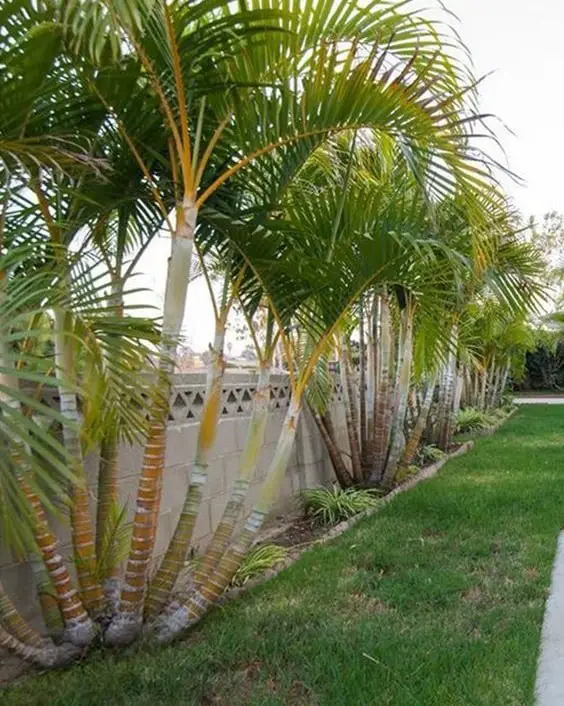
- Foliage: The Areca Palm boasts soft, feathery fronds that fan out in a lush, green canopy. Each frond is composed of numerous leaflets, giving it a full, tropical appearance.
- Stems: Its slender, golden-yellow stems resemble bamboo, adding to its unique charm.
- Height: Indoors, it typically reaches 6-8 feet, but outdoors in tropical climates, it can grow up to 20-30 feet.
- Growth Rate: It’s a moderate grower, adding about 6-10 inches per year under ideal conditions.
- Toxicity: Good news for pet owners! The Areca Palm is non-toxic to cats and dogs, according to the ASPCA.
- Air Purification: As mentioned earlier, it’s a natural air purifier, making it perfect for improving indoor air quality.
How to Grow and Care for Areca Palm
Growing an Areca Palm is easier than you might think. However, it does require some attention to thrive. Below, I’ll walk you through the essential care tips based on my experience and expert advice.
Light Requirements
Areca Palms love bright, indirect light. Place it near a south- or east-facing window where it gets filtered sunlight. Too much direct sun can scorch the leaves, leaving unsightly brown tips. If you notice the fronds turning yellow, it might be getting too much light.
On the flip side, low light can slow growth and make the plant leggy. If you’re growing it outdoors, choose a spot with partial shade. Indoors, rotate your palm every few weeks to ensure even growth on all sides.
Watering Needs
Watering is where many new plant parents trip up. I learned the hard way that Areca Palms like consistently moist soil but hate soggy roots. Water when the top inch of soil feels dry, usually every 7-10 days indoors.
In winter, reduce watering slightly as growth slows. Use a well-draining potting mix to prevent root rot. I always empty the saucer under the pot to avoid standing water.
Pro Tip: Areca Palms are sometimes sensitive to tap water. The fluoride can cause leaf tip burn. If possible, use distilled or rainwater. I keep a jug of filtered water handy for my plants, and it’s made a huge difference!
Soil and Potting
A well-draining, peat-based potting mix works wonders for Areca Palms. I mix equal parts peat moss, perlite, and potting soil for a lightweight, airy blend. If you’re planting outdoors, ensure the soil is rich and drains well.
Repot every 2-3 years or when the roots start crowding the pot. Choose a pot with drainage holes to keep those roots happy. When repotting, go up one pot size to avoid shocking the plant. I once made the mistake of putting a small Areca in a massive pot, and it struggled for months!
Temperature and Humidity
Areca Palms thrive in warm, humid conditions, ideally between 65-75°F (18-24°C). They can tolerate slightly cooler temperatures but should be kept above 50°F (10°C). As a tropical plant, it loves humidity, so aim for 50-60% or higher.
I mist my Areca Palm a few times a week or place a humidifier nearby, especially in dry winter months. A pebble tray filled with water under the pot also works wonders. Leaf tips turning brown is often a sign of low humidity. Boosting moisture levels can bring back that lush green look.
Fertilizing
Feed your Areca Palm with a balanced, water-soluble houseplant fertilizer (like 10-10-10) every 4-6 weeks during spring and summer. Dilute the fertilizer to half-strength to avoid burning the roots. In fall and winter, skip fertilizing as the plant enters a dormant phase.
Pro Tip: Over-fertilizing can cause salt buildup. This can lead to brown leaf tips. Flush the soil with water every few months to clear out excess salts.
Pruning and Maintenance
Pruning is minimal with Areca Palms. You may trim off any yellow or brown fronds at the base to keep it looking tidy. Avoid cutting healthy green leaves, as this can stress the plant. Regularly wipe the leaves with a damp cloth to remove dust and help the plant photosynthesize efficiently.
Pro Tip: If your palm starts looking sparse, it might need more light or nutrients. Adjust its care routine before resorting to heavy pruning.
Growing Areca Palm Outdoors
If you live in USDA Hardiness Zones 10-11, you can grow Areca Palms outdoors year-round. I envy those in tropical climates who can plant these beauties in their gardens! They make excellent privacy screens or hedges due to their dense growth.
Outdoors, choose a spot with partial shade and well-draining soil. Protect them from strong winds, which can tear the delicate fronds. If temperatures dip below 50°F, consider growing your Areca in a container so you can bring it indoors during cooler months.
Propagating Areca Palm
Propagating Areca Palms is tricky but rewarding. They grow in clumps, and you can divide these clumps to create new plants. Here’s how to do it:
- Carefully remove the palm from its pot.
- Gently separate a clump with healthy roots and fronds.
- Plant the division in a new pot with fresh, well-draining soil.
- Keep the new plant in a warm, humid spot.
- Water sparingly until it establishes.
Propagation is best done in spring when the plant is actively growing. Be patient as it can take weeks for the new plant to settle in.
Common Problems and How to Fix Them
As much as I adore my Areca Palm, it’s not without its issues. This tropical beauty, with its lush, feathery fronds, can face a few common problems that might leave you scratching your head. Here’s a rundown of the most frequent issues with Areca Palms and how to tackle them.
1. Yellowing Leaves
One of the first issues I noticed with my Areca Palm was yellowing leaves. This is often caused by overwatering, a mistake I made early on. Areca Palms like moist soil but hate sitting in waterlogged conditions. It can easily lead to root rot.
To fix this, check the top inch of soil before watering. If it’s dry, water thoroughly, but ensure excess water drains out. Using a well-draining potting mix, like one with peat moss and perlite, helps prevent soggy roots.
Yellowing can also signal too much direct sunlight. Move your palm to a spot with bright, indirect light to prevent leaves from scorching. Nutrient deficiencies, particularly nitrogen or potassium, can also cause yellowing. So, fertilize with a balanced 10-10-10 fertilizer every 4-6 weeks during spring and summer.
2. Brown Leaf Tips
Brown, crispy leaf tips are a common complaint. It often points to low humidity or fluoride sensitivity. Areca Palms thrive in 50-60% humidity, but indoor environments, especially in winter, can be too dry. I mist my palm a few times a week or use a humidifier to keep it happy.
Fluoride in tap water can also cause tip burn. Switching to distilled or rainwater can make a noticeable difference. Over-fertilizing can lead to salt buildup, another culprit for brown tips. Flushing the soil with water every few months clears out excess salts.
If the tips are already brown, trim them with clean scissors. However, avoid cutting into green tissue to prevent further stress.
3. Pests
While Areca Palms are relatively pest-resistant, they can attract spider mites, mealybugs, or scale. This is especially in dry conditions. Tiny webs under the leaves is a telltale sign of spider mites. These pests thrive in low humidity, so regular misting can prevent infestations.
If pests are detected, treat them with neem oil or insecticidal soap. Make sure to apply it to the undersides of leaves where pests hide. Check your plant regularly, as early detection makes treatment easier. Keeping the leaves dust-free with a damp cloth also helps deter pests.
4. Slow Growth or Leggy Appearance
If your Areca Palm seems to be growing slowly or looks sparse, it might not be getting enough light. While it tolerates low light, it prefers bright, indirect light to thrive. I rotate my palm every few weeks to ensure even light exposure. This can prevent it from leaning toward the window.
Nutrient deficiencies can also stunt growth. So, stick to a regular fertilizing schedule during the growing season. Be patient because Areca Palms grow moderately, adding about 6-10 inches per year indoors.
5. Root Rot
Overwatering is the leading cause of root rot. I learned this the hard way when my palm’s roots turned mushy. Symptoms include wilting, yellowing leaves, and a foul smell from the soil. To prevent this, use a pot with drainage holes and water only when needed.
If root rot sets in, remove the plant, trim away affected roots, and repot in fresh, well-draining soil. This saved my palm, though it took time to recover.
FAQs
Here are answers to frequently asked questions about Areca palm care
Q: Why are my Areca Palm leaves turning yellow?
A: Yellow leaves often indicate overwatering, too much direct sunlight, or nutrient deficiency. Check your watering routine, move it to indirect light, and fertilize if needed.
Q: Can Areca Palms grow in low light?
A: They can tolerate low light, but growth will be slow, and the plant may become leggy. Bright, indirect light is ideal.
Q: How often should I repot my Areca Palm?
A: Repot every 2-3 years or when the roots outgrow the pot. Spring is the best time for repotting.
Q: Are Areca Palms safe for pets?
A: Yes, they’re non-toxic to cats and dogs.
Q: How can I increase humidity for my Areca Palm?
A: Mist the leaves or use a humidifier. You can also place a tray of water with pebbles under the pot to boost humidity.
Final thoughts
Areca Palm is one of my favorite plants. It’s forgiving, even when I forget to water it for a few days. Its vibrant fronds make my living room feel like a tropical retreat. It’s also a conversation starter. Friends always ask about its lush, green beauty. Plus, knowing it’s cleaning the air while looking gorgeous is a win-win!
Helpful Resources
- ASPCA Toxic and Non-Toxic Plants: Verify the safety of plants for pets.
- University of Florida IFAS Extension: Detailed guide on growing palms in tropical climates.

Tim M Dave is a gardening expert with a passion for houseplants, particularly cacti and succulents. With a degree in plant biology from the University of California, Berkeley, he has vast experience in gardening. Over the years, he has cultivated a vast collection of desert plants and learned a great deal about how to grow and care for these unique companions.