25 Low Maintenance Ground Cover Plants for Full Sun: Stress-Free and Sun-Loving Varieties
If you have ever stared at a bare, sun-baked patch of soil and wondered what on earth could possibly thrive there, you are not alone. Many gardeners face this exact challenge — slopes that erode, dry borders that bake in summer, or large spaces that are simply too wide to fill with traditional bedding plants.
Ground cover plants for full sun are the most practical solution, and the best ones demand very little from you after establishment.
This guide walks you through 25 reliable, sun-loving ground covers. Whether you garden in a hot climate, have poor sandy soil, or simply want a garden that takes care of itself, there is something here for you.
Best Low Maintenance Ground Cover Plants for Full Sun
Before diving into the list, it helps to define what we mean. A truly low maintenance ground cover should:
- Spread on its own without constant division or replanting
- Tolerate drought once established
- Suppress weeds by forming a dense mat
- Require minimal feeding and pruning
Not every plant labelled a “ground cover” checks all these boxes. The ones below do.
1. Creeping Thyme (Thymus serpyllum)
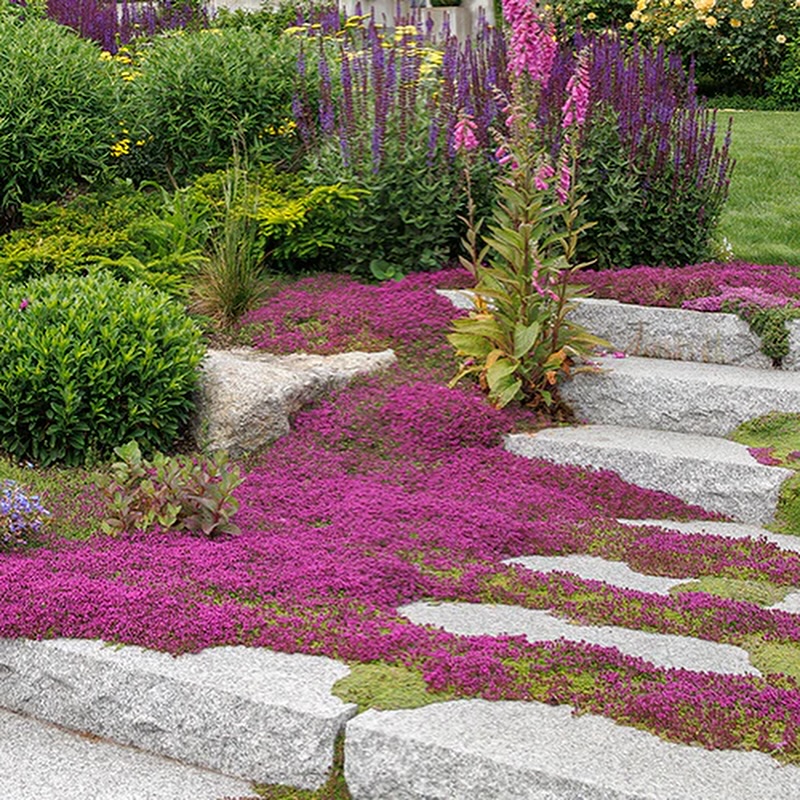
Creeping thyme is arguably the most popular low maintenance ground cover for full sun, and for good reason. It forms a flat, dense mat of tiny leaves that releases a pleasant herbal scent when walked on or brushed.
It blooms in pink or purple from late spring to early summer, attracting pollinators generously. Once established, it survives on minimal water and thrives in poor, well-drained soils. You can even plant it between stepping stones.
Hardiness: USDA Zones 4–9.
2. Sedum (Sedum spp.)
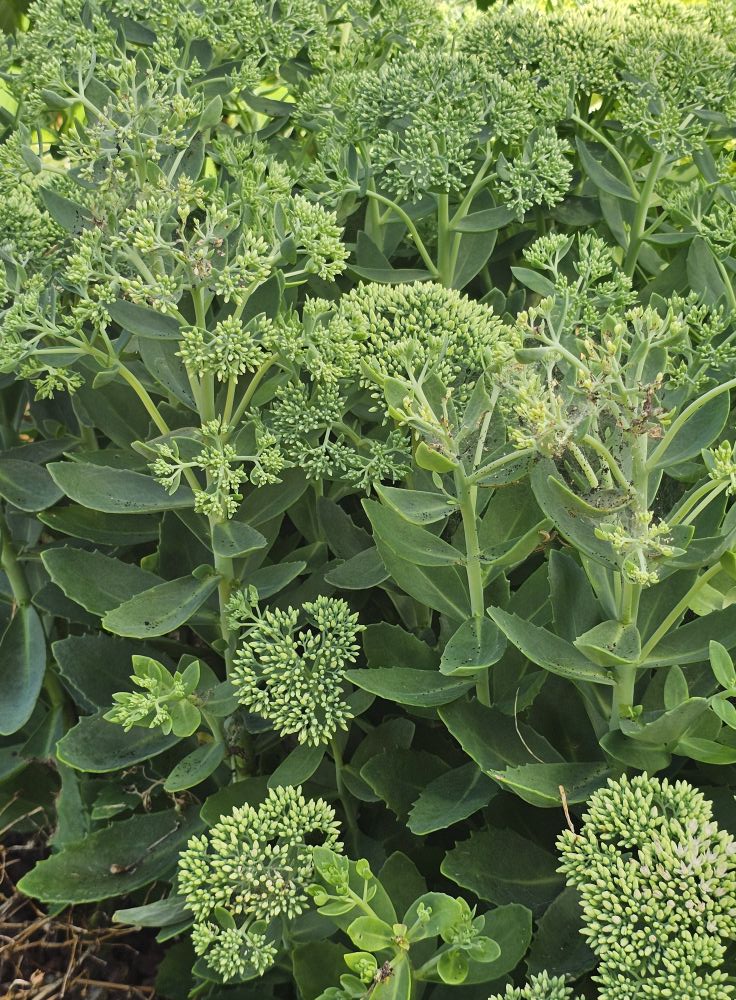
Also called stonecrop, sedum is near-indestructible in full sun. Its succulent leaves store water, making it one of the most drought-tolerant ground covers available. Low-growing varieties like Sedum spurium spread quickly and produce star-shaped flowers in red, yellow, or white.
Sedum performs well even in rocky, shallow soils where most plants simply give up. It rarely needs fertiliser and is resistant to most pests and diseases.
Hardiness: Varies by species; most are Zones 3–9.
3. Creeping Juniper (Juniperus horizontalis)
For larger spaces, creeping juniper is a standout choice. Its dense, evergreen foliage spreads outward and effectively blocks weeds. It is one of the best ground covers for slopes and erosion control.
It requires almost no maintenance once established, tolerating heat, cold, and dry conditions with ease. Some cultivars take on attractive purplish tints in winter.
Hardiness: USDA Zones 3–9.
4. Ice Plant (Delosperma cooperi)
Ice plant thrives in hot, sunny, and dry conditions that would stress most plants. Its fleshy leaves contain moisture, and it produces brilliant, daisy-like flowers in vivid magenta or orange throughout summer.
This is an excellent choice for gardeners in arid or semi-arid climates. It spreads steadily but is not invasive, making it easy to manage.
Hardiness: USDA Zones 5–9.
5. Blue Oat Grass (Helictotrichon sempervirens)
If you want texture and cool blue colour in your sunny borders, blue oat grass delivers both. It forms neat, fountain-like clumps and is remarkably drought-tolerant.
It requires very little maintenance — just an annual trim in early spring to remove old growth. It does not spread aggressively, making it ideal as a specimen ground cover or border plant.
Hardiness: USDA Zones 4–8.
6. Lantana (Lantana camara)
Lantana is one of those plants that practically refuses to stop blooming. In full sun, it produces clusters of tiny flowers in yellow, orange, pink, and red — often all on the same plant at once.
It is highly drought-tolerant and heat-loving, performing brilliantly in warm climates. In tropical zones it can become invasive, so check local regulations before planting.
Hardiness: USDA Zones 7–11; grown as annual in cooler zones.
7. Moss Phlox (Phlox subulata)
Moss phlox creates one of the most striking displays in spring — a carpet of pink, purple, white, or blue flowers so dense you can barely see the foliage beneath.
After flowering, its needle-like leaves remain attractive for the rest of the season. It spreads reliably, fills gaps well, and asks for nothing more than good drainage and full sun.
Hardiness: USDA Zones 3–9.
8. Gazania (Gazania rigens)
Also known as treasure flower, gazania produces bold, daisy-like blooms in orange, yellow, red, and multi-coloured patterns. It closes at night and on cloudy days, then opens wide in bright sunshine.
It performs best in hot, dry conditions, making it perfect for Mediterranean-style gardens. Minimal watering is required once established.
Hardiness: USDA Zones 9–11; grown as annual elsewhere.
9. Potentilla (Potentilla neumanniana)
Spring cinquefoil, as it is commonly known, is one of the toughest low-growing ground covers for sunny areas. It spreads by runners, forming a mat of small, strawberry-like leaves covered in yellow flowers in spring.
It handles poor, dry soils remarkably well and once it fills in, weeds have little room to compete.
Hardiness: USDA Zones 5–8.
10. Crown Vetch (Coronilla varia)
Crown vetch is a workhorse ground cover often used for erosion control on slopes and embankments. Its pink and white flower clusters appear throughout summer, and it fixes nitrogen in the soil — a bonus for poor ground.
It spreads aggressively, so it is best used in areas where you want extensive, unchecked coverage rather than a controlled garden bed.
Hardiness: USDA Zones 3–9.
11. Catmint (Nepeta faassenii)
Catmint is one of the most reliable and beautiful low maintenance ground covers available. Its soft grey-green leaves and lavender-blue flower spikes bloom from late spring into summer, then again after a light trim.
It tolerates heat, drought, and poor soils with ease. Deer tend to avoid it, and it has few serious pest or disease problems.
Hardiness: USDA Zones 3–8.
12. Woolly Thyme (Thymus pseudolanuginosus)
A slightly different character from creeping thyme, woolly thyme has soft, fuzzy silver-grey leaves that give it a distinctive, tactile quality. It blooms less profusely but compensates with striking year-round foliage.
It is one of the best ground covers for filling gaps between paving stones and tolerates light foot traffic. Like other thymes, it thrives in dry, well-drained conditions.
Hardiness: USDA Zones 5–8.
13. Veronica (Veronica prostrata)
Prostrate veronica spreads low across the ground and produces a flush of intense blue flowers in spring. It is visually impressive for a plant that asks so little.
Once the flowers fade, the foliage remains neat and dense, continuing to suppress weeds through summer. It prefers lean soil — overfeeding actually reduces flowering.
Hardiness: USDA Zones 5–8.
14. Purple Coneflower (Echinacea purpurea) — Low Clumping Type
While echinacea is often thought of as a border perennial, lower-growing cultivars function beautifully as mass-planted ground covers. Their purple-pink daisy flowers are highly attractive to butterflies and bees.
They are drought-tolerant once established, and seedheads left standing through winter provide food for birds. Very low maintenance and long-lived.
Hardiness: USDA Zones 3–9.
15. Dianthus (Dianthus gratianopolitanus)
Cheddar pinks, as this species is called, form low mounds of blue-grey foliage and produce strongly fragrant pink or white flowers in late spring. They are one of the most charming ground covers for full sun.
They perform exceptionally well in alkaline, well-drained soils and are notably resistant to drought. Once established, they spread steadily to form a weed-suppressing carpet.
Hardiness: USDA Zones 3–9.
16. Juniper ‘Bar Harbor’ (Juniperus horizontalis ‘Bar Harbor’)
This specific cultivar of creeping juniper deserves a mention of its own. Its blue-grey foliage turns a distinctive plum-purple in winter, adding year-round visual interest.
It is salt-tolerant, making it suitable for coastal gardens or areas near roads where winter salt is applied. Virtually maintenance-free once established.
Hardiness: USDA Zones 3–9.
17. Yarrow (Achillea millefolium)
Yarrow is one of nature’s toughest plants. It spreads by rhizomes and forms a dense, ferny mat of aromatic foliage topped with flat flower heads in yellow, white, red, or pink.
It thrives in poor, dry soils where most other plants struggle, and its spreading habit helps fill large areas efficiently. It is also highly attractive to pollinators.
Hardiness: USDA Zones 3–9.
18. Lilyturf (Liriope spicata)
Lilyturf is a grass-like ground cover that handles a wide range of conditions — including full sun — with minimal fuss. Its strappy green or variegated leaves remain attractive year-round.
It produces small spikes of purple or white flowers in summer, followed by dark berries. It is drought-tolerant once established and spreads steadily by underground stolons.
Hardiness: USDA Zones 5–10.
19. Beach Strawberry (Fragaria chiloensis)
Native to coastal regions of North and South America, beach strawberry forms a dense ground cover with attractive, glossy leaves and white flowers. It produces small, edible fruit — a pleasant bonus.
It spreads by runners and requires very little water once established. It is particularly well-suited to sandy, coastal soils.
Hardiness: USDA Zones 5–9.
20. Prairie Dropseed (Sporobolus heterolepis)
For naturalistic gardens or prairie-style plantings, prairie dropseed is an excellent native grass option. It forms rounded clumps of fine, arching foliage and produces fragrant flowers in late summer.
It is remarkably self-sufficient — tolerating heat, drought, and poor soils without complaint. It also provides good winter texture and wildlife habitat.
Hardiness: USDA Zones 3–8.
21. Hen and Chicks (Sempervivum tectorum)
The hen and chicks is a classic succulent ground cover that thrives in hot, dry, rocky conditions. The rosette-shaped plants spread by producing offset “chicks” around the central plant.
They survive in conditions most plants cannot, including shallow soils, roof gardens, and extremely dry locations. Colour varies widely depending on cultivar, from green to deep red-purple.
Hardiness: USDA Zones 3–8.
22. Silver Carpet (Dymondia margaretae)
Silver carpet is a flat, mat-forming ground cover with grey-green leaves that have a silver underside — giving it a two-toned effect. It produces small yellow flowers throughout summer.
It tolerates foot traffic well and handles drought with ease, making it a popular lawn substitute in dry climates. It grows slowly, which means minimal trimming or maintenance.
Hardiness: USDA Zones 9–11.
23. Rock Rose (Cistus spp.)
Rock rose is a Mediterranean shrub that works well as a spreading ground cover in full sun. It produces masses of paper-thin flowers — usually white or pink — in late spring.
It is exceptionally heat and drought tolerant, and once established, it essentially looks after itself. It prefers poor, rocky soils and does not respond well to overwatering.
Hardiness: USDA Zones 8–11.
24. Knap Hill Sage (Salvia x jamensis)
A low-growing hybrid sage, Knap Hill sage produces a long season of colourful blooms from spring to first frost. Its aromatic foliage naturally deters deer and most browsing animals.
It is highly tolerant of heat and drought and performs best in well-drained, moderately poor soils. Unlike many sages, it stays compact and does not require heavy pruning.
Hardiness: USDA Zones 7–10.
25. Ornamental Oregano (Origanum laevigatum)
Ornamental oregano may look delicate, but it is surprisingly tough. It produces cascading stems of soft purple-pink flowers from midsummer to autumn, and its foliage is attractive and aromatic.
It thrives in poor, dry, well-drained soils and full sun, and it requires very little intervention beyond occasional light trimming after flowering. It is also highly attractive to butterflies and bees.
Hardiness: USDA Zones 5–8.
Tips for Success with Sun-Loving Ground Covers
Getting these plants established well makes all the difference. Here are the most important factors:
- Soil drainage is critical. Most plants on this list prefer or tolerate poor soil, but almost none of them do well in waterlogged ground. Improve drainage before planting if needed.
- Water during the first season. “Low maintenance” does not mean “plant and ignore.” Regular watering during the first year allows root systems to develop enough to handle drought conditions later.
- Start with weed control. Clear the area of weeds before planting. Ground covers eventually suppress weeds, but they cannot compete in the early stages.
- Choose the right plant for your zone. Hardiness zones are listed for each plant above. Planting outside your zone can result in poor performance or plant loss.
- Space plants appropriately. Planting too far apart leaves gaps for weeds. Planting too close wastes money and creates overcrowding. Follow spacing recommendations for each species.
Suggested For You:
15 Best Types of Jasmine Ground Cover Plants: Fragrant, Spreading, and Stunning Varieties
12 Best Ice Plant Ground Cover Species Tough, Colorful, and Drought-Proof Varieties
Periwinkle Ground Cover: How to Plant, Grow, and Care for Vinca
Creeping Thyme Ground Cover: How to Plant, Grow, and Care for Thymus serpyllum
Final Thought
The plants on this list represent some of the most resilient, beautiful, and practical choices available to gardeners working with sunny, difficult-to-manage spaces. Once established, they repay the initial effort with years of low-effort beauty.
I have seen gardeners transform bare, baked hillsides into something genuinely lovely using just two or three of these plants in combination — and then spend the rest of their weekends doing something they actually enjoy.
The best ground cover is the one that suits your climate, soil, and aesthetic. Hopefully this list gives you a solid starting point.
References
- University of Missouri Extension – Ground Covers for Missouri Landscapes https://extension.missouri.edu/publications/g6900
- University of California Agriculture and Natural Resources – Ground Covers for California Gardens https://ucanr.edu/sites/scmg/Master_Gardeners_Contra_Costa/Horticulture/Ground_Covers/
- Penn State Extension – Ground Covers for Landscape Use https://extension.psu.edu/ground-covers-for-landscape-use
- Colorado State University Extension – Drought-Tolerant Plants for Colorado Landscapes https://extension.colostate.edu/topic-areas/yard-garden/drought-tolerant-plants/
- North Carolina State University – NC State Extension – Plant Toolbox: Ground Cover Plant Profiles https://plants.ces.ncsu.edu/find_a_plant/groundcovers/

Tim M Dave is a gardening expert with a passion for houseplants, particularly cacti and succulents. With a degree in plant biology from the University of California, Berkeley, he has vast experience in gardening. Over the years, he has cultivated a vast collection of desert plants and learned a great deal about how to grow and care for these unique companions.