15 Low Maintenance Ground Cover Flowers for Your Yard
Ground cover flowers are a smart choice for American homeowners who want beautiful yards without endless upkeep. These low-maintenance perennials spread naturally, control weeds, prevent soil erosion, and add vibrant colors to landscapes.
Unlike traditional lawns that need frequent mowing and watering, ground covers thrive with minimal care, saving time and resources. They suit diverse U.S. climates, from humid Florida to arid Arizona, and support pollinators like bees, enhancing local ecosystems.
According to gardening experts, ground covers can cut yard maintenance by up to 50%, making them ideal for busy gardeners or water-conscious regions. This guide highlights 15 low-maintenance ground cover flowers perfect for your yard.
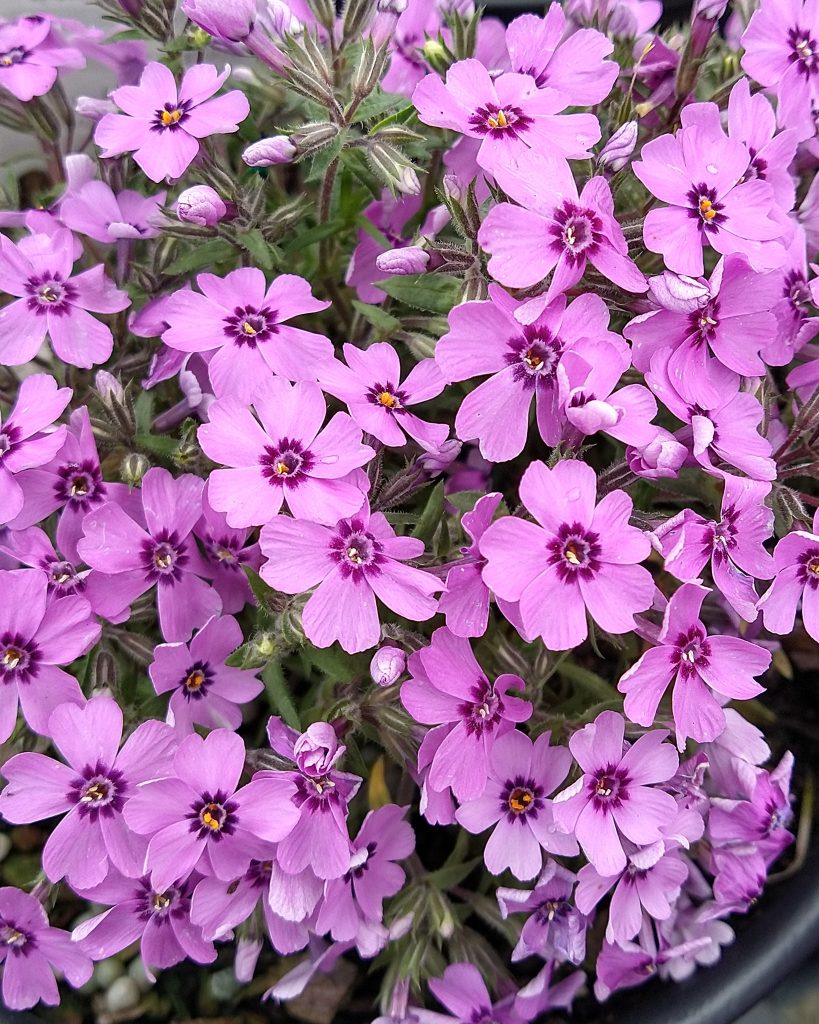
1. Creeping Phlox (Phlox subulata)
Scientific Name: Phlox subulata
USDA Zone: 3-9
Color Variation: Pink, purple, white, blue, or bicolor flowers with darker centers.
Sun Exposure: Full sun to partial shade (6+ hours of sun for best blooms).
Mature Size: 4-6 inches tall, 18-24 inches wide.
Lifespan: 10-15 years.
Toxicity: Mildly toxic if eaten; may irritate skin, but low risk.
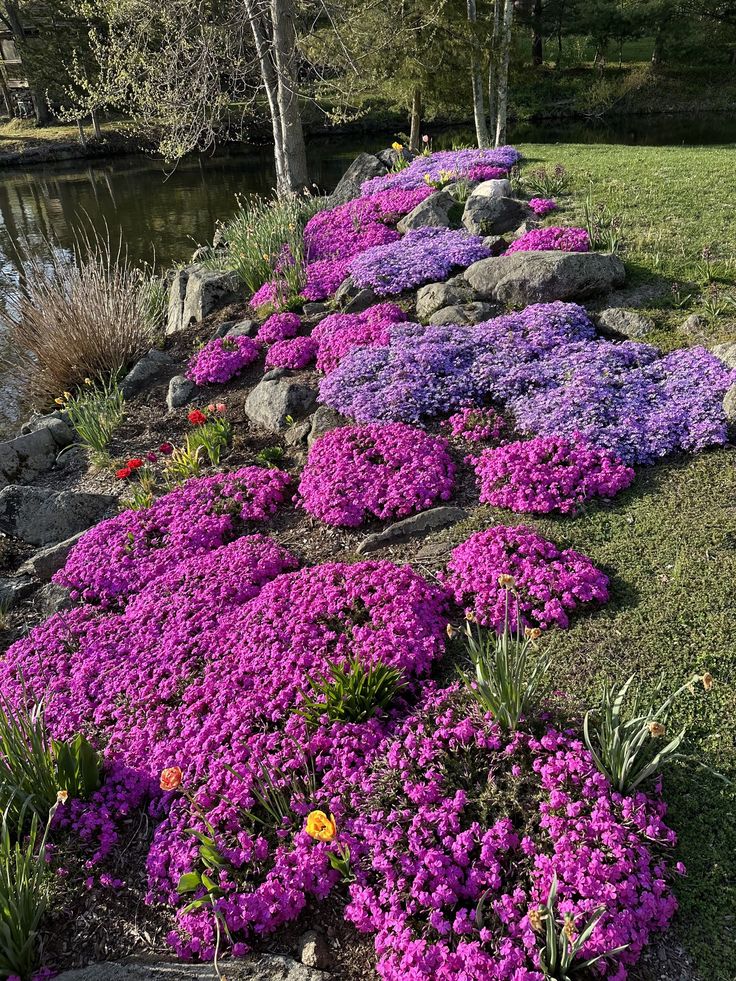
Creeping phlox is a favorite for American yards, creating a carpet of starry flowers in spring. Native to the eastern U.S., this evergreen perennial spreads quickly, perfect for slopes, borders, or rock gardens. Its needle-like leaves stay green year-round, and its vibrant blooms attract early pollinators.
Plant in well-drained soil, spacing 12-18 inches apart. Once established, it needs little water or care. Shear after blooming for bushier growth. In southern zones, provide afternoon shade to prevent leaf scorch. Pair with coneflowers for a pollinator-friendly yard. Creeping phlox is ideal for low-effort, colorful landscapes.
2. Creeping Thyme (Thymus serpyllum)
Scientific Name: Thymus serpyllum
USDA Zone: 4-9
Color Variation: Pink, lavender, white, or rose flowers; green or silvery foliage.
Sun Exposure: Full sun (6-8 hours daily).
Mature Size: 2-6 inches tall, 12-18 inches wide.
Lifespan: 8-12 years.
Toxicity: Non-toxic; edible leaves.
Creeping thyme forms a fragrant, low mat perfect for sunny American yards. Its tiny leaves and summer blooms release a lemony scent when stepped on, ideal for pathways or patios. This Mediterranean native tolerates drought, making it great for xeriscaping in California.
Plant in sandy, well-drained soil, spacing 8-12 inches apart. It needs no fertilizer and resists pests. Cultivars like ‘Elfin’ stay compact, while ‘Pink Chintz’ adds soft color. In Midwest clay soils, add gravel for drainage. Evergreen in mild climates, it bronzes in fall, adding seasonal charm.
Creeping thyme deters deer and supports pollinators, blending beauty and function.
3. Sweet Woodruff (Galium odoratum)
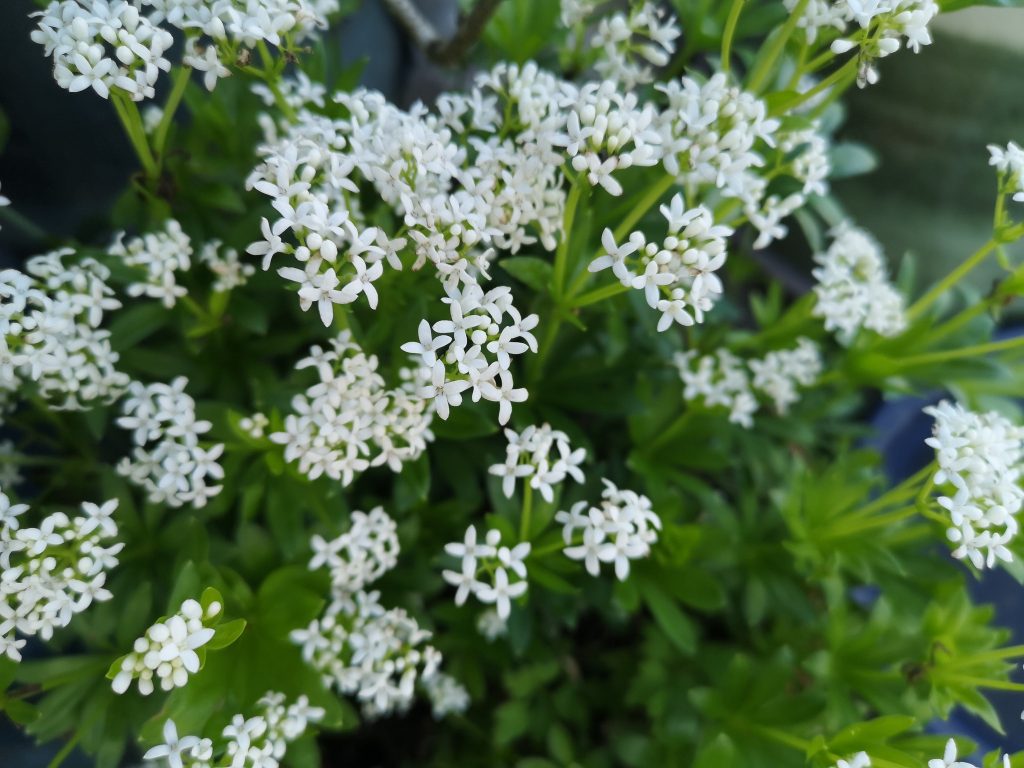
Scientific Name: Galium odoratum
USDA Zone: 4-8
Color Variation: White flowers; green leaves, rusty in fall.
Sun Exposure: Partial to full shade.
Mature Size: 6-12 inches tall, 12-18 inches wide.
Lifespan: 10+ years.
Toxicity: Mildly toxic in large amounts; low garden risk.
Sweet woodruff thrives in shady American yards, forming a lush carpet under trees. Its whorled leaves and tiny white flowers bloom in spring, emitting a hay-like scent when dried. Perfect for woodland gardens in New York or Oregon, it prefers moist, humus-rich soil. Space plants 10 inches apart and mulch to retain moisture.
Deer-resistant and low-maintenance, it spreads gently via rhizomes, controllable by division. In hot zones, ensure shade to prevent yellowing. Pair with ferns for a natural look. Historically used in herbal teas, it’s safe in small doses but avoid ingestion due to mild toxicity.
4. Bugleweed (Ajuga reptans)
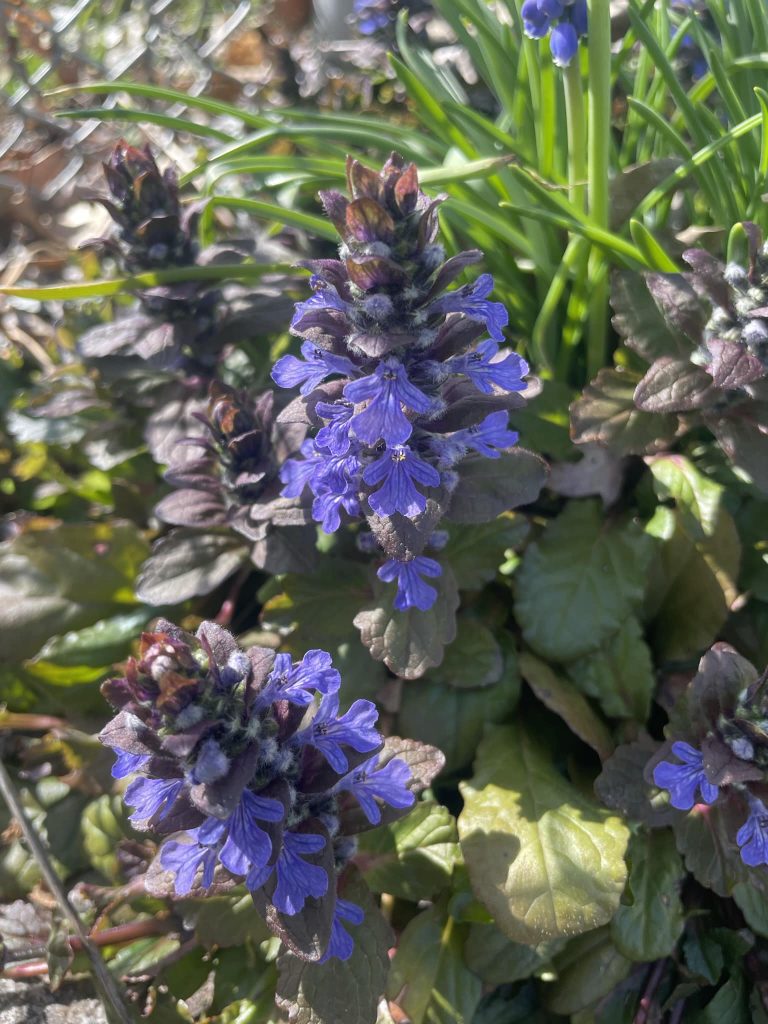
Scientific Name: Ajuga reptans
USDA Zone: 4-9
Color Variation: Blue, purple, pink, or white flowers; green, bronze, or variegated leaves.
Sun Exposure: Partial shade to full sun.
Mature Size: 4-8 inches tall, 12-24 inches wide.
Lifespan: 5-10 years.
Toxicity: Non-toxic to humans; mildly irritating to pets if chewed.
Bugleweed is a versatile ground cover for American yards, forming dense rosettes that crowd out weeds. Its spring flower spikes attract bees, ideal for pollinator gardens in Atlanta or Montana. Plant in fertile, well-drained soil, spacing 12 inches apart. It thrives in partial shade but tolerates sun in cooler climates.
Bronze cultivars like ‘Bronze Beauty’ shine in sunny Texas, while ‘Burgundy Glow’ adds variegated flair in shade. Divide every three years to maintain vigor. Evergreen in mild zones, it’s deer-resistant and perfect under shrubs or along borders, offering year-round structure with minimal care.
5. Candytuft (Iberis sempervirens)
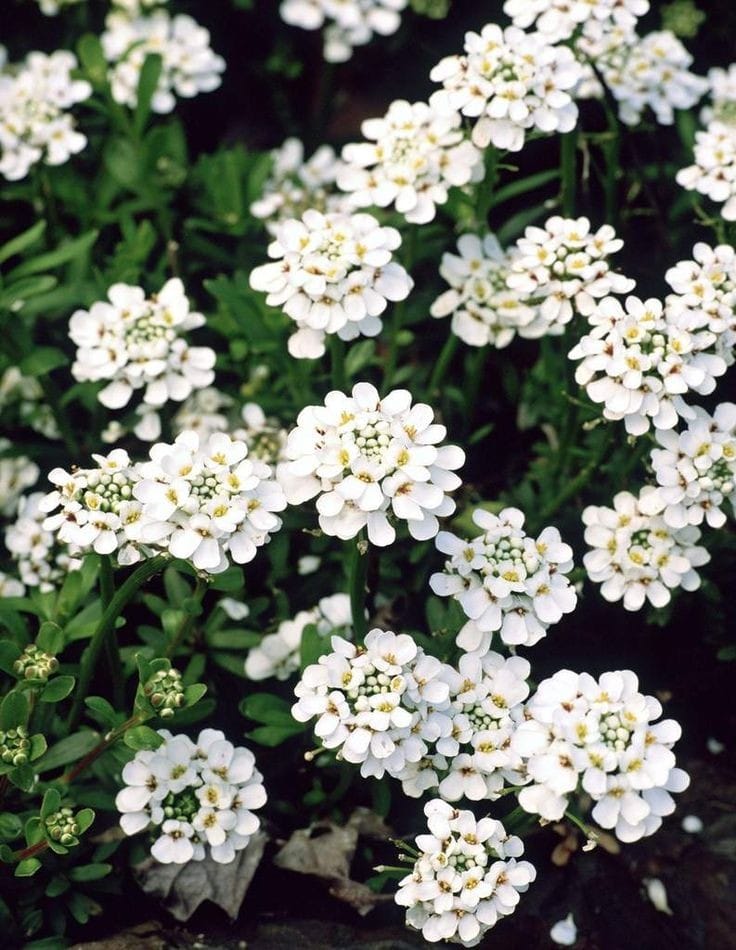
Scientific Name: Iberis sempervirens
USDA Zone: 3-8
Color Variation: White flowers; rare pink or purple types.
Sun Exposure: Full sun; light shade in hot zones.
Mature Size: 6-12 inches tall, 12-18 inches wide.
Lifespan: 8-12 years.
Toxicity: Non-toxic.
Candytuft brings crisp elegance to sunny American yards, its evergreen mounds bursting with white flower clusters in spring. Ideal for rock gardens or borders in New Mexico or Massachusetts, it thrives in well-drained, alkaline soil. Space 12 inches apart and shear after blooming to keep tidy.
Drought-tolerant once established, it suits dry climates. ‘Purity’ maximizes white blooms, while ‘Little Gem’ stays compact for containers. Non-toxic and deer-resistant, it’s safe for family yards. Pair with astilbe for textural contrast, creating a low-maintenance, pollinator-friendly display that dazzles without effort.
6. Periwinkle (Vinca minor)
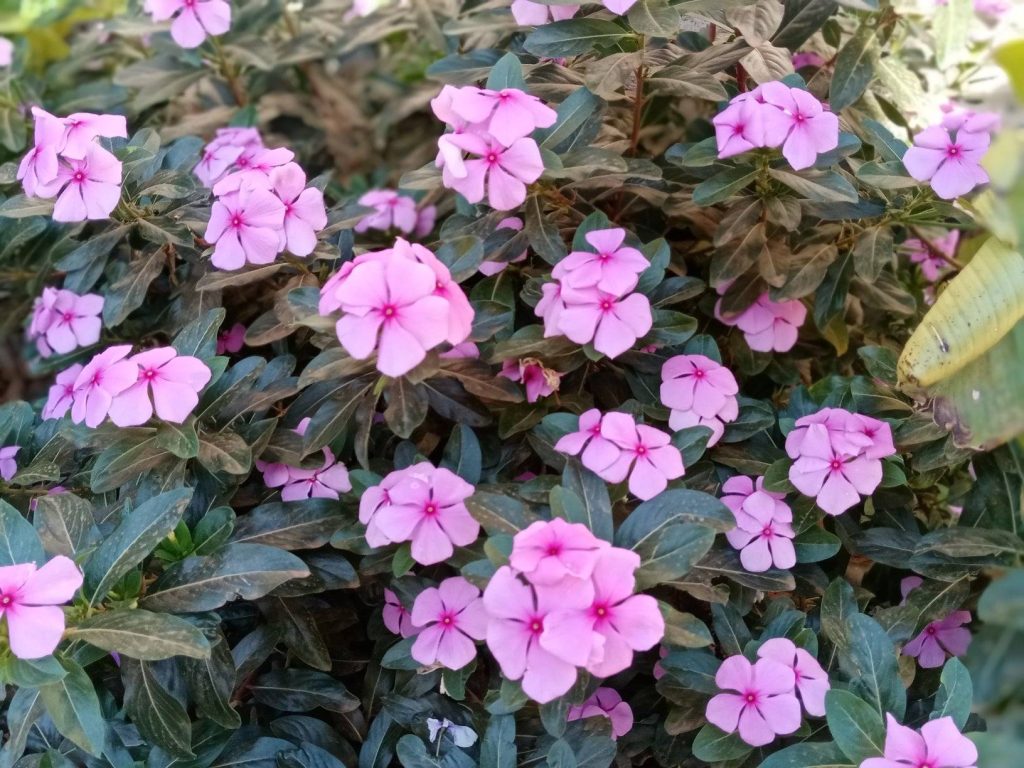
Scientific Name: Vinca minor
USDA Zone: 4-9
Color Variation: Lavender-blue, white, or purple flowers.
Sun Exposure: Partial to full shade.
Mature Size: 3-6 inches tall, spreading widely.
Lifespan: 10-20 years.
Toxicity: Toxic if ingested; keep away from pets.
Periwinkle blankets shady American yards with glossy evergreen leaves and spring blooms. Perfect for slopes or under trees in Virginia or California, its lavender flowers add charm. Plant in moist, well-drained soil, spacing 12 inches apart. It spreads fast, so use edging to control.
‘Variegata’ offers cream-edged leaves for brighter shade gardens. Drought-tolerant once established, it’s low-maintenance but toxic, so avoid planting near play areas. Pair with ferns for a lush, carefree look. Periwinkle’s durability makes it a staple for shaded, erosion-prone landscapes.
7. Lily of the Valley (Convallaria majalis)
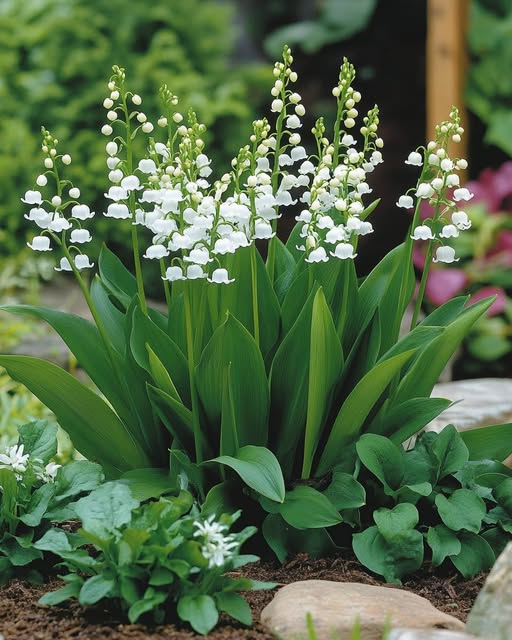
Scientific Name: Convallaria majalis
USDA Zone: 2-7
Color Variation: White bells; rare pink forms.
Sun Exposure: Partial to full shade.
Mature Size: 6-8 inches tall, 12 inches wide.
Lifespan: Indefinite with spread.
Toxicity: Highly toxic; dangerous if eaten.
Lily of the Valley fills shady American yards with sweet-scented white bells in spring. Ideal for Michigan or Virginia woodlands, it spreads via rhizomes, forming dense colonies. Plant in moist, rich soil, spacing 6 inches apart. Evergreen in mild zones, it’s deer-resistant and low-maintenance.
Its potent fragrance suits intimate gardens, but high toxicity requires caution around pets and kids. Pair with bleeding hearts for a romantic shade garden. This classic perennial offers timeless beauty with minimal upkeep, perfect for cool climates.
8. Japanese Pachysandra (Pachysandra terminalis)

Scientific Name: Pachysandra terminalis
USDA Zone: 4-8
Color Variation: White flower spikes; green or bronzed leaves.
Sun Exposure: Full shade to partial sun.
Mature Size: 8-12 inches tall, 12-18 inches wide.
Lifespan: 15+ years.
Toxicity: Mildly toxic if eaten.
Japanese pachysandra creates a lush green carpet in shady American yards, ideal under trees in New Jersey or Washington. Its leathery leaves and subtle spring flowers thrive in acidic, moist soil. Space 6-12 inches apart for quick coverage.
Deer-resistant and pollution-tolerant, it’s perfect for urban gardens. ‘Green Carpet’ offers dense growth. Low-maintenance, it suppresses weeds effectively. Pair with azaleas for a cohesive shade garden. Mild toxicity poses little risk, making it a reliable, long-lasting choice for effortless beauty.
9. Foamflower (Tiarella cordifolia)
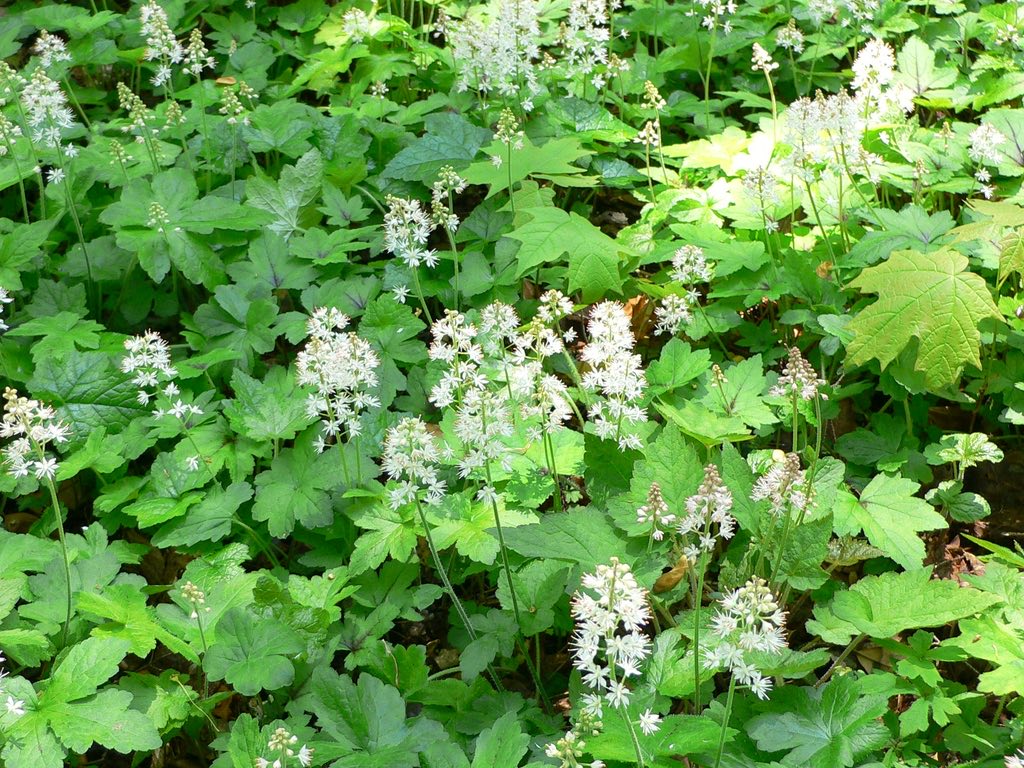
Scientific Name: Tiarella cordifolia
USDA Zone: 3-8
Color Variation: White to pink foam-like flowers.
Sun Exposure: Partial to full shade.
Mature Size: 8-12 inches tall, 12-18 inches wide.
Lifespan: 10 years.
Toxicity: Non-toxic.
Foamflower, a native to the eastern U.S., forms delicate carpets in shady yards, perfect for Pennsylvania or Adirondack gardens. Its heart-shaped leaves and frothy spring blooms attract bees. Plant in humus-rich, moist soil, spacing 12 inches apart.
Evergreen in mild zones, it’s drought-tolerant once established. ‘Running Tapestry’ adds variegated flair. Pair with trilliums for a native woodland look. Non-toxic and low-maintenance, foamflower brings soft charm to shaded areas with minimal effort, supporting local pollinators beautifully.
10. Sedum (Sedum ternatum)
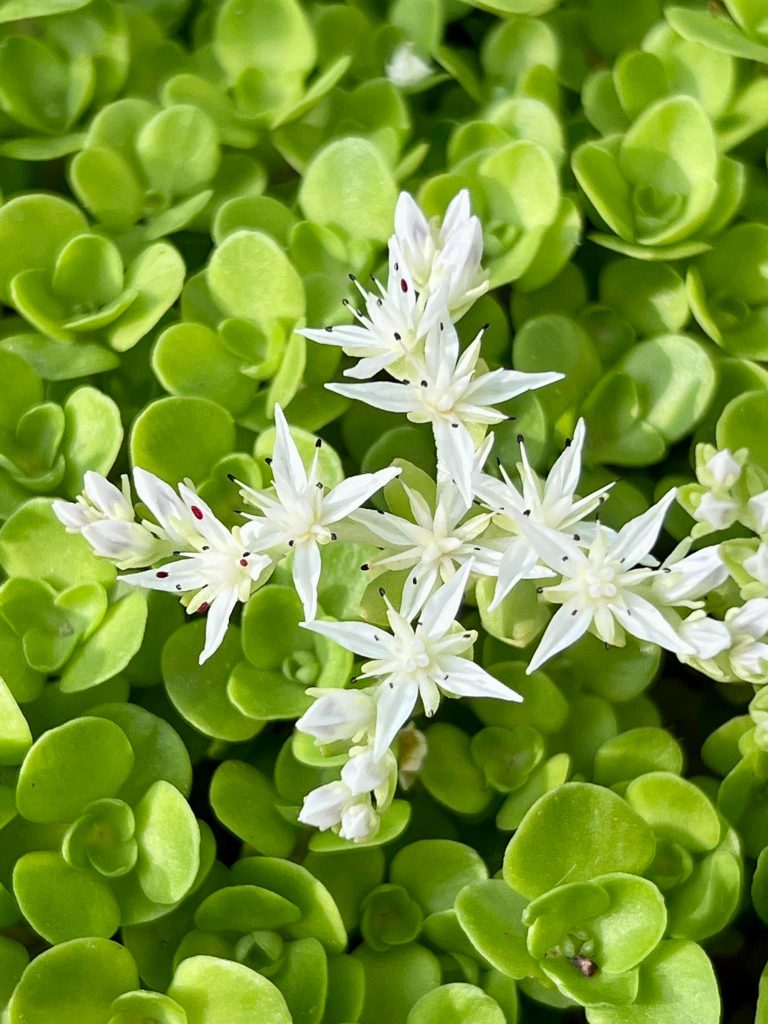
Scientific Name: Sedum ternatum
USDA Zone: 3-9
Color Variation: White star-shaped flowers; green or reddish foliage.
Sun Exposure: Full sun.
Mature Size: 4-6 inches tall, 12 inches wide.
Lifespan: 10+ years.
Toxicity: Non-toxic.
Sedum, or stonecrop, is a succulent ground cover for sunny American yards, thriving in rocky Colorado or Southern gardens. Its starry white flowers bloom in spring, attracting pollinators. Plant in poor, well-drained soil, spacing 12 inches apart.
Heat and drought-tolerant, it’s ideal for xeriscaping. ‘Larinem Park’ adds pink tinges. Perfect for slopes or rock gardens, it pairs with yarrow for vibrant contrast. Non-toxic and low-maintenance, sedum offers resilient beauty for harsh climates with little care.
11. Wild Ginger (Asarum canadense)

Scientific Name: Asarum canadense
USDA Zone: 4-6
Color Variation: Hidden brown flowers; green leaves.
Sun Exposure: Full shade.
Mature Size: 6-8 inches tall, 12 inches wide.
Lifespan: Indefinite.
Toxicity: Non-toxic; edible roots.
Wild ginger, a U.S. native, covers shady yards with heart-shaped leaves, ideal for Midwest or Eastern woodlands. Its hidden spring flowers sit beneath foliage, emitting a root beer scent. Plant in rich, moist soil, spacing 12 inches apart.
Deer-resistant and slow-spreading, it’s low-maintenance. Pair with mayapples for a native look. Non-toxic roots are edible, but leaves may irritate if eaten. Wild ginger adds subtle, natural charm to shaded gardens with minimal upkeep.
12. Snow-in-Summer (Cerastium tomentosum)
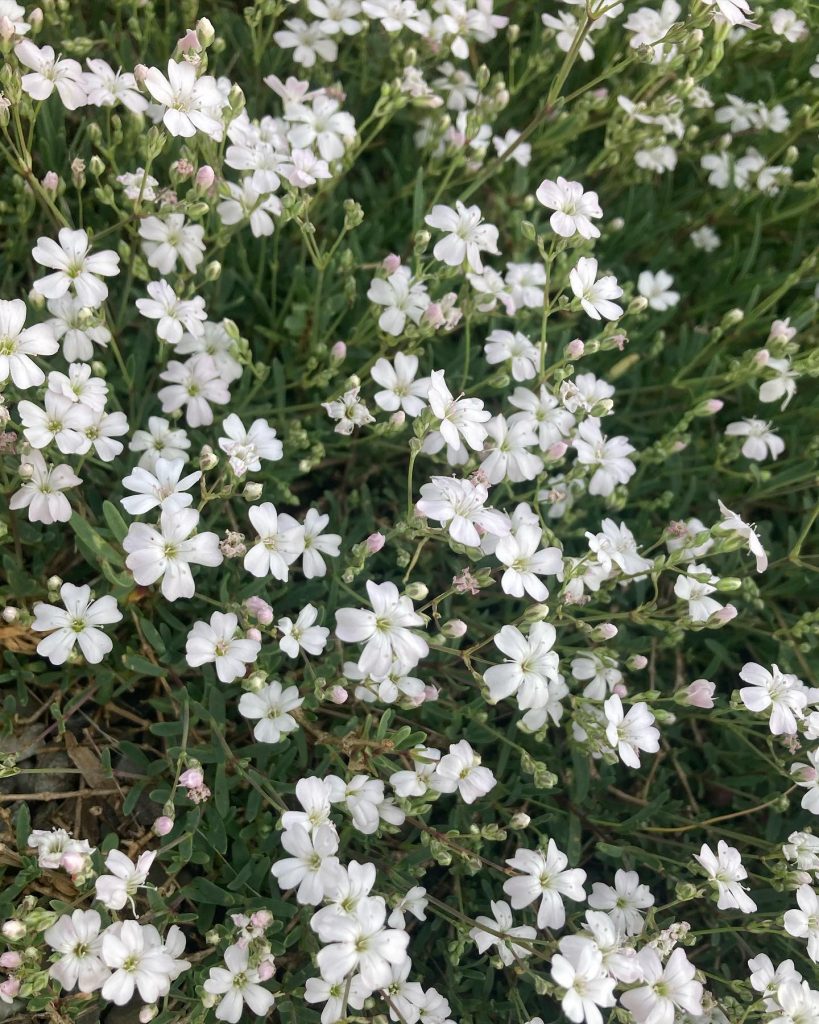
Scientific Name: Cerastium tomentosum
USDA Zone: 3-7
Color Variation: White flowers; silver-gray foliage.
Sun Exposure: Full sun.
Mature Size: 6 inches tall, 24 inches wide.
Lifespan: 5-8 years.
Toxicity: Non-toxic.
Snow-in-Summer blankets sunny American yards with silvery foliage and white flowers in June, perfect for Northern plains or Southwest rock gardens. Its woolly leaves thrive in sandy, well-drained soil. Space 12 inches apart and shear after blooming to refresh.
Drought-tolerant and low-maintenance, it’s ideal for slopes. Pair with sedum for textural contrast. Non-toxic and deer-resistant, it creates a bright, carefree display in sunny, dry landscapes with minimal effort.
13. Plumbago (Ceratostigma plumbaginoides)

Scientific Name: Ceratostigma plumbaginoides
USDA Zone: 5-9
Color Variation: Blue flowers; red-bronze fall foliage.
Sun Exposure: Full sun to partial shade.
Mature Size: 8-12 inches tall, 18 inches wide.
Lifespan: 10 years.
Toxicity: Non-toxic.
Plumbago dazzles American yards with blue summer flowers and red fall foliage, ideal for Texas or Carolina borders. Plant in well-drained soil, spacing 12 inches apart. It dies back in winter but regrows vigorously.
Drought-tolerant and low-maintenance, it suits sunny or partly shaded areas. Pair with daylilies for color contrast. Non-toxic and pollinator-friendly, plumbago adds late-season vibrancy with minimal care, perfect for dynamic, easy gardens.
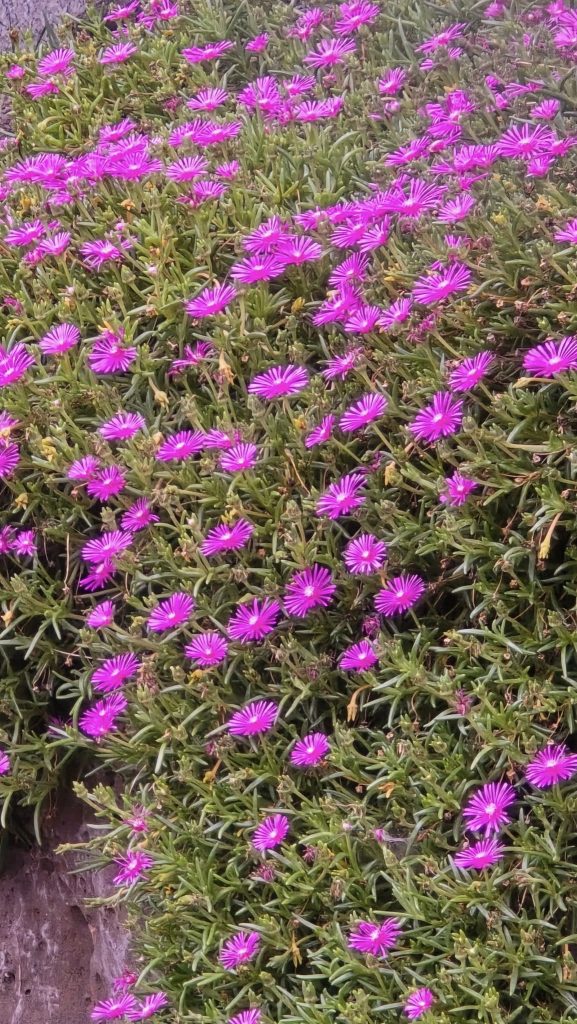
14. Ice Plant (Delosperma cooperi)
Scientific Name: Delosperma cooperi
USDA Zone: 5-10
Color Variation: Magenta-pink flowers with yellow centers.
Sun Exposure: Full sun.
Mature Size: 3-6 inches tall, 24 inches wide.
Lifespan: 5-7 years.
Toxicity: Non-toxic.
Ice plant sparkles in sunny American yards, its succulent leaves and vibrant flowers thriving in arid Nevada or Florida. Blooming all summer, it attracts pollinators. Plant in poor, well-drained soil, spacing 12 inches apart.
Heat and drought-tolerant, it’s perfect for xeriscaping or slopes. ‘Fire Spinner’ offers bicolor blooms. Non-toxic and low-maintenance, ice plant delivers bold color with minimal effort, ideal for hot, dry landscapes.
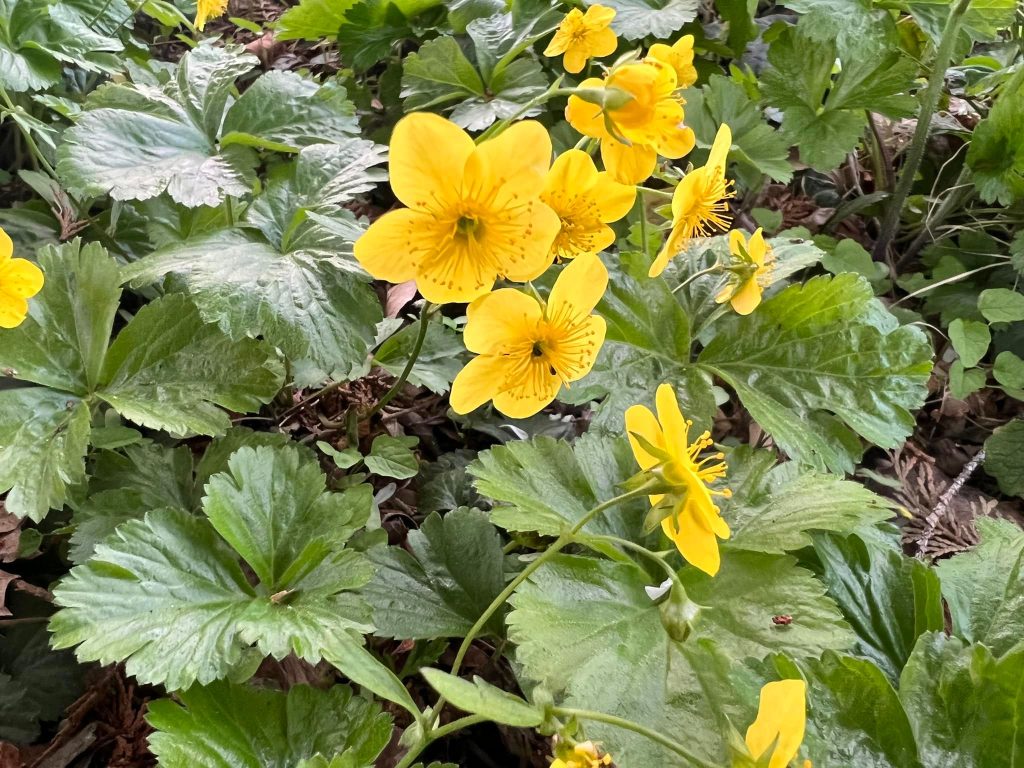
15. Barren Strawberry (Waldsteinia fragarioides)
Scientific Name: Waldsteinia fragarioides
USDA Zone: 4-7
Color Variation: Yellow flowers; green leaves, red runners.
Sun Exposure: Partial shade.
Mature Size: 4-6 inches tall, 12 inches wide.
Lifespan: 10 years.
Toxicity: Non-toxic.
Barren strawberry, a U.S. native, mimics strawberries with yellow spring blooms, perfect for shady Eastern or Midwest yards. Its evergreen leaves spread slowly in moist, well-drained soil. Space 12 inches apart. Deer-resistant and low-maintenance, it controls erosion on slopes.
Pair with foamflower for a native shade garden. Non-toxic and pollinator-friendly, barren strawberry offers subtle beauty with minimal care, ideal for natural landscapes.
Tips for Planting and Caring for Ground Covers
- Choose the right plant: Match plants to your USDA zone and yard conditions (sun, shade, soil type). Check the USDA Plant Hardiness Zone Map for guidance.
- Prepare soil: Test soil pH and drainage. Most ground covers prefer neutral to slightly acidic soil. Add compost for fertility.
- Plant properly: Space plants according to mature size, typically 6-18 inches apart. Plant in spring or fall for best root growth.
- Water wisely: Water deeply but infrequently until established (1-2 years). Most become drought-tolerant afterward.
- Maintain easily: Prune after blooming, divide every 3-5 years, and mulch to suppress weeds. Monitor for invasive spread.
- Companion planting: Pair with natives like coneflowers or ferns for eco-friendly, cohesive designs.
These steps ensure vibrant, low-effort yards that save water and support wildlife.
Conclusion
These 15 ground cover flowers transform yards into stunning, low-maintenance landscapes. From creeping phlox’s spring vibrancy to ice plant’s desert resilience, each offers unique beauty and function. Choose plants suited to your climate and enjoy effortless, sustainable gardens that bloom for years.

Tim M Dave is a gardening expert with a passion for houseplants, particularly cacti and succulents. With a degree in plant biology from the University of California, Berkeley, he has vast experience in gardening. Over the years, he has cultivated a vast collection of desert plants and learned a great deal about how to grow and care for these unique companions.