How to Get Hydrangeas to Rebloom: Step-by-Step
This article explains everything needed to encourage more flowers on your hydrangeas. It covers why some hydrangeas stop flowering, how different types behave, key care steps like pruning, watering, fertilizing, and site selection, plus tips for reblooming varieties that flower on both old and new wood.
Here are the main key points:
- Identify your hydrangea type first—bigleaf (macrophylla) often bloom on old wood, while panicle and smooth types use new wood and rebloom more easily.
- Reblooming (remontant) varieties like Endless Summer or Let’s Dance flower multiple times if cared for properly.
- Prune at the right time: minimally for old-wood bloomers, harder in late winter for new-wood types.
- Provide consistent moisture, morning sun with afternoon shade, and well-drained soil.
- Use bloom-booster fertilizer early and mid-season, but avoid excess nitrogen.
- Deadhead spent blooms to tidy up and sometimes encourage more on rebloomers.
- Protect from winter damage and extreme heat for reliable returns.
- Patience pays off—many plants need a year or two to establish strong blooming.
Introduction: The Joy of Endless Hydrangea Blooms
Nothing lifts the heart like a hydrangea in full flower. Those big, rounded heads in pink, blue, or white transform any garden corner. Yet many gardeners face disappointment when blooms fade early or fail to return the next year.
The good news? With the right approach, you can get hydrangeas to rebloom—sometimes all summer long.
Reblooming depends on the variety and care. Traditional bigleaf hydrangeas often flower once, on last year’s wood. Newer remontant types bloom on both old and new growth, giving multiple flushes. Even standard types can produce more abundant displays with proper habits.
As hydrangea expert Lorraine Ballato puts it, “Reblooming hydrangeas are a godsend for those of us who garden in cold climates or climates with finicky weather.”
You may also be interested in learning about the different types of hydrangeas in detail.
Know Your Hydrangea Type: The Foundation for Rebloom Success
Hydrangeas fall into main groups with different blooming habits.
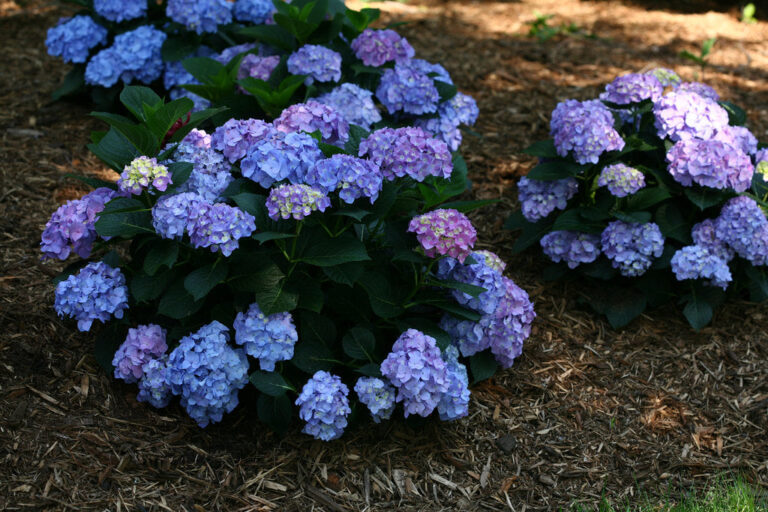
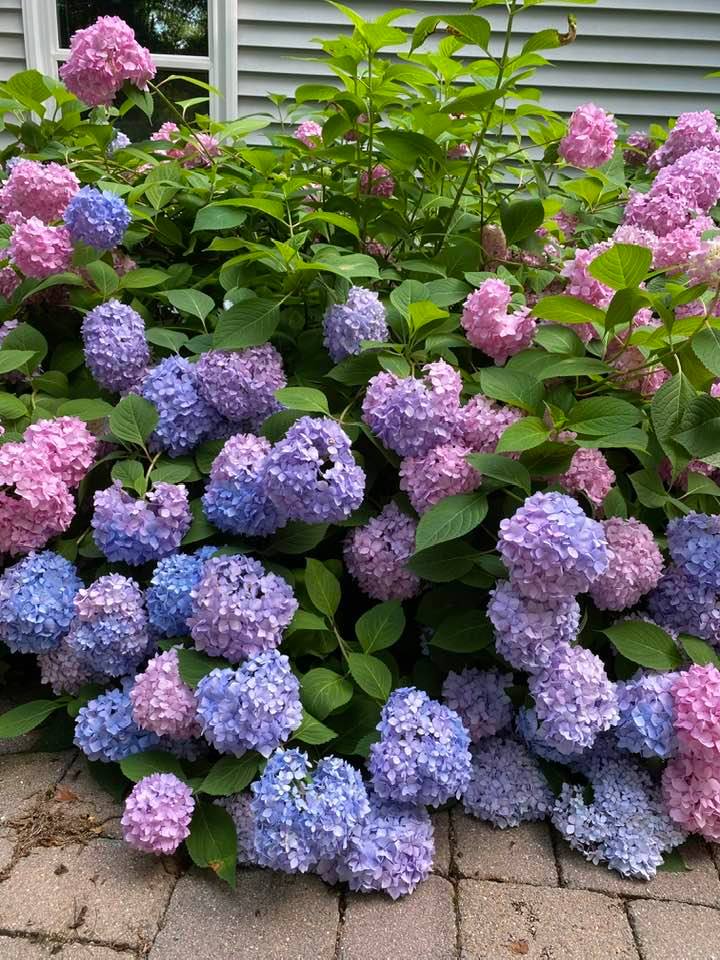
Bigleaf (Hydrangea macrophylla): These include mophead and lacecap styles. Most bloom on old wood—buds form the previous summer. A late frost or bad prune can wipe out next year’s show. Reblooming cultivars like Endless Summer change this by flowering on new wood too.
Panicle (H. paniculata): Cone-shaped blooms on new wood. They start in summer and often continue into fall. Prune hard in late winter for bigger flowers.
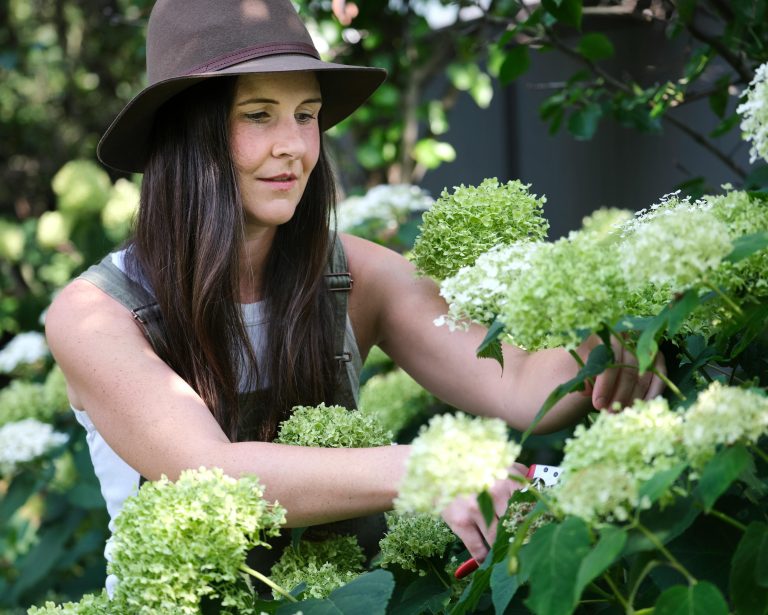
Smooth (H. arborescens): Round white blooms, also on new wood. ‘Annabelle’ is classic; some rebloom if conditions suit.
Oakleaf (H. quercifolia): Stunning fall color, blooms on old wood. Less likely to rebloom.
Mountain (H. serrata): Lacecap flowers, some rebloom like Tuff Stuff series.
Expert Mal Condon, who has studied hydrangeas for over 50 years, notes that bigleaf types make up about 70 percent of U.S. production, but rebloomers in this group offer the most flexibility.
Check your plant tag or observe: if flowers appear on new shoots after early summer, it’s likely a rebloomer.
Why Hydrangeas Stop Blooming: Common Culprits
Before fixes, understand the problems.
- Wrong pruning time tops the list. Cutting old-wood bloomers in fall or spring removes flower buds.
- Winter damage kills buds on tender types.
- Too much shade reduces energy for blooms.
- Inconsistent water stresses plants.
- Excess nitrogen fertilizer pushes leaves over flowers.
- Poor soil drainage causes root rot.
- Over-fertilizing or wrong timing weakens future buds. As one horticulturist warns, “Adding too much nitrogen to the soil in spring may reduce flowering.”
Spot these issues early to turn things around.
Step 1: Choose or Confirm Reblooming Varieties
The easiest path to rebloom? Plant remontant types. Endless Summer series pioneered this trait. They bloom early on old wood, then again on new growth through fall. Let’s Dance series from Proven Winners offers compact, reliable rebloomers hardy to zone 4 in some cases.
Other options: BloomStruck, Tuff Stuff, or Invincibelle for smooth types. These forgive mistakes better. If your current plant doesn’t rebloom, consider adding one. Lorraine Ballato highlights their value: they provide extended color even after tough winters.
Step 2: Pruning for Maximum Rebloom
Pruning timing is critical.
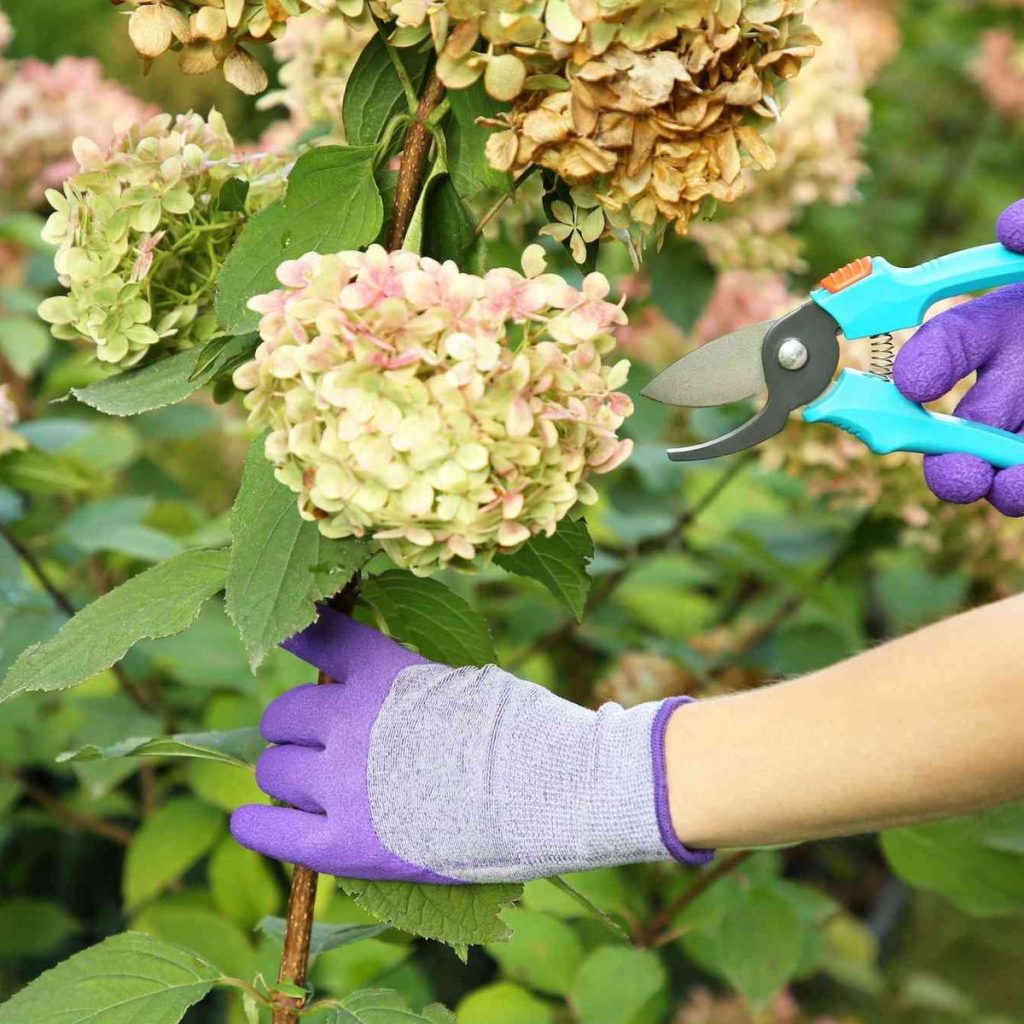
For old-wood bloomers (most bigleaf): Prune right after flowers fade, usually late summer. Remove spent heads and weak stems. Avoid fall or spring cuts.
Rebloomers in bigleaf group: Prune lightly. Remove dead wood in spring after new growth shows. Deadhead as blooms fade to tidy and encourage more.
New-wood types (panicle, smooth): Prune hard in late winter or early spring. Cut back to 12-18 inches for strong regrowth and bigger blooms.
Experts from Proven Winners advise: for reblooming bigleaf, “avoid pruning this type of hydrangea altogether” beyond removing damaged parts in spring.
Deadheading helps aesthetics. Cut spent flowers just above a leaf pair. On rebloomers, it can prompt quicker new buds.
Never prune in fall unless removing deadwood—buds may already be forming.
Step 3: Watering and Soil Care for Bloom Power
Hydrangeas love moisture but hate wet feet. Water deeply when the top inch of soil dries. Aim for consistent dampness, especially during bud formation. Mulch with 2-3 inches of organic material to retain moisture and cool roots.
Amend heavy clay or sandy soil with compost for better drainage and nutrients. Amy Enfield, a horticulturist, stresses: “All hydrangea types grow best with consistent moisture, but bigleaf and smooth hydrangeas require more water than other varieties.”
In hot spells, extra water prevents wilting and supports rebloom.
Step 4: Sunlight and Site Selection
Morning sun with afternoon shade suits most hydrangeas best. Four to six hours of direct light encourages strong blooms without scorching. Full sun works best for panicle types in cooler areas.
Generally, avoid deep shade or hot afternoon sun that causes stress. Plant in protected spots away from wind or frost pockets. For rebloomers, good light fuels new-wood flowers.
Step 5: Fertilizing to Boost Flowers
Fertilize smartly. Use a balanced or bloom-booster formula (high phosphorus, like 10-30-20 or similar). Apply in early spring as growth starts, then again in early summer for rebloomers. Stop by late July to avoid soft growth before winter.
Endless Summer care recommends: “Apply fertilizer in early spring and again in July to help promote the rebloom.” Avoid high-nitrogen feeds—they favor leaves over blooms.
Slow-release granular works well.
Step 6: Winter Protection for Future Blooms
Old-wood bloomers need help in cold zones. Mulch heavily in fall. Cover with burlap or breathable fabric during extreme cold.
Rebloomers handle winter better but still benefit from mulch. In pots, move to sheltered areas or insulate. Proper protection ensures buds survive for spring flowers.
Step 7: Deadheading, Pest, and Disease Management
Remove faded blooms to keep plants neat and redirect energy. Watch for aphids, spider mites, or powdery mildew. Treat early with insecticidal soap or fungicide if needed. Healthy plants resist issues better, leading to more blooms.
What to Expect: Timeline for Rebloom
- First-year plants focus on roots—few blooms.
- Year two brings better shows.
- Rebloomers may flower in late summer even after a slow start.
- With care, expect color from June to October in many areas.
Common Mistakes to Avoid
- Don’t prune old-wood types too late or too early.
- Don’t overwater or underwater.
- Don’t plant in full hot sun or deep shade.
- Don’t fertilize late in the season.
- Don’t ignore winter prep.
Final Thoughts
Hydrangeas reward thoughtful gardeners with spectacular displays. Whether reviving a stubborn shrub or nurturing a rebloomer, small consistent actions make the difference.
As experts show, the right variety plus proper pruning, water, and protection unlock endless beauty. Your garden will thank you with waves of color season after season.

Tim M Dave is a gardening expert with a passion for houseplants, particularly cacti and succulents. With a degree in plant biology from the University of California, Berkeley, he has vast experience in gardening. Over the years, he has cultivated a vast collection of desert plants and learned a great deal about how to grow and care for these unique companions.