15 Beautiful Flowers to Plant for Yard Privacy: Features and Care Tips
Creating a private oasis in your backyard is a dream for many homeowners. Tall fences and walls work, but they can feel cold and unnatural. Flowers and flowering shrubs offer a vibrant, natural way to screen your yard while adding beauty and biodiversity.
In this guide, we’ll explore 15 stunning flowers and flowering plants perfect for privacy. Each one brings unique features, from colorful blooms to dense foliage. We’ll cover their features and care tips. Let’s dive into these blooming solutions to transform your yard into a secluded retreat!
Flowers to Plant for Privacy in Your Yard
Before planting, consider your USDA hardiness zone, soil type, and sunlight. Proper care ensures these plants thrive, giving you years of privacy and beauty. Below, we’ll explore 15 top picks, each with unique traits to suit different climates and preferences.
1. Sunflower (Helianthus annuus)
Sunflowers are iconic for their bright, cheerful blooms. They grow tall quickly, making them ideal for temporary privacy screens. Their large, round flower heads follow the sun, adding a dynamic touch to your yard.
Annual varieties bloom in summer and die back, while perennial types return yearly. These flowers attract bees and birds, enhancing your garden’s ecosystem.
Features:
- Scientific Name: Helianthus annuus
- USDA Zone: 2–11
- Color Variation: Yellow, red, orange, or bicolor petals with dark centers
- Sun Exposure: Full sun (6+ hours daily)
- Mature Size: 3–15 feet tall, 1–2 feet wide
- Lifespan: Annual (perennial varieties like Helianthus maximiliani exist)
- Toxicity: Non-toxic to humans and pets
Care Tips:
- Plant in well-drained soil after the last frost.
- Water regularly, especially during dry spells.
- Stake taller varieties to prevent toppling.
- Deadhead spent blooms to encourage more flowers.
- Sow seeds directly in spring for best results.
2. Hollyhock (Alcea rosea)
Hollyhocks are classic cottage garden plants. Their tall spikes of cup-shaped flowers create a stunning privacy screen. Blooms appear in summer, attracting hummingbirds and butterflies. They self-seed easily, ensuring a steady supply of plants. Hollyhocks add a romantic, old-world charm to any yard.
Features:
- Scientific Name: Alcea rosea
- USDA Zone: 3–8
- Color Variation: Pink, red, white, yellow, or purple
- Sun Exposure: Full sun to partial shade
- Mature Size: 3–8 feet tall, 1–2 feet wide
- Lifespan: Biennial or short-lived perennial
- Toxicity: Non-toxic to humans and pets
Care Tips:
- Plant in fertile, well-drained soil.
- Water moderately; avoid soggy roots.
- Stake tall stalks in windy areas.
- Remove faded flowers to prolong blooming.
- Watch for rust disease; treat with fungicide if needed.
3. Butterfly Bush (Buddleja davidii)
Butterfly bushes are fast-growing shrubs with long, cone-shaped flower clusters. They bloom from summer to fall, drawing butterflies and bees. Their arching branches and dense foliage make excellent privacy screens. In warmer zones, they stay evergreen, providing year-round coverage.
Features:
- Scientific Name: Buddleja davidii
- USDA Zone: 5–9
- Color Variation: Purple, pink, white, or blue
- Sun Exposure: Full sun
- Mature Size: 4–10 feet tall, 4–10 feet wide
- Lifespan: Perennial (deciduous in cooler zones)
- Toxicity: Non-toxic to humans, mildly toxic to pets if ingested
Care Tips:
- Plant in well-drained soil with good sunlight.
- Water regularly during the first year.
- Prune in early spring to maintain shape.
- Deadhead to encourage continuous blooms.
- Check for invasiveness in your area; some regions consider it invasive.
4. Hibiscus (Hibiscus syriacus)
Hibiscus, or Rose of Sharon, is a showy shrub with large, tropical-looking flowers. It blooms from midsummer to fall, creating a dense, colorful screen. The foliage is lush, adding extra privacy. It’s perfect for hedges or standalone screens and attracts pollinators.
Features:
- Scientific Name: Hibiscus syriacus (Rose of Sharon)
- USDA Zone: 5–9
- Color Variation: Pink, white, blue, or red with contrasting centers
- Sun Exposure: Full sun to partial shade
- Mature Size: 8–12 feet tall, 6–10 feet wide
- Lifespan: Perennial shrub
- Toxicity: Non-toxic to humans and pets
Care Tips:
- Plant in rich, well-drained soil.
- Water deeply but infrequently.
- Prune in late winter to shape and remove dead wood.
- Fertilize in spring with a balanced formula.
- Monitor for aphids and treat with insecticidal soap if needed.
5. Camellia (Camellia japonica)
Camellias are evergreen shrubs with glossy leaves and rose-like blooms. They flower in late winter to spring, adding color when most plants are dormant. Their dense foliage makes them ideal for year-round privacy. Camellias are a favorite in Southern gardens for their elegance.
Features:
- Scientific Name: Camellia japonica
- USDA Zone: 7–9
- Color Variation: Pink, red, white, or bicolor
- Sun Exposure: Partial shade to full shade
- Mature Size: 6–12 feet tall, 6–10 feet wide
- Lifespan: Long-lived perennial shrub
- Toxicity: Non-toxic to humans and pets
Care Tips:
- Plant in acidic, well-drained soil.
- Water regularly, keeping the soil moist but not waterlogged.
- Mulch to retain moisture and regulate soil temperature.
- Prune after flowering to maintain shape.
- Protect from harsh afternoon sun in hotter climates.
6. Forsythia (Forsythia x intermedia)
Forsythia is a fast-growing shrub with vibrant yellow flowers in early spring. Its arching branches create a dense screen, perfect for privacy. The blooms appear before leaves, signaling spring’s arrival. It’s a low-maintenance choice for colorful hedges.
Features:
- Scientific Name: Forsythia x intermedia
- USDA Zone: 5–8
- Color Variation: Bright yellow
- Sun Exposure: Full sun to partial shade
- Mature Size: 8–10 feet tall, 10–12 feet wide
- Lifespan: Deciduous perennial shrub
- Toxicity: Non-toxic to humans and pets
Care Tips:
- Plant in well-drained soil with good sunlight.
- Water during dry periods, especially in the first year.
- Prune after flowering to control size and shape.
- Fertilize lightly in spring.
- Thin out old branches every few years for vigor.
7. Weigela (Weigela florida)
Weigela is a deciduous shrub with trumpet-shaped flowers. It blooms in late spring to early summer, attracting hummingbirds. The dense foliage and arching branches make it a great privacy screen. Its variegated or burgundy leaves add extra visual appeal.
Features:
- Scientific Name: Weigela florida
- USDA Zone: 4–8
- Color Variation: Pink, red, or white
- Sun Exposure: Full sun to partial shade
- Mature Size: 6–10 feet tall, 9–12 feet wide
- Lifespan: Perennial shrub
- Toxicity: Non-toxic to humans and pets
Care Tips:
- Plant in well-drained, fertile soil.
- Water regularly, but avoid overwatering.
- Prune after flowering to maintain shape.
- Apply a balanced fertilizer in early spring.
- Watch for spider mites; treat with neem oil if needed.
8. Azalea (Rhododendron spp.)
Azaleas are flowering shrubs in the Rhododendron family. Their vibrant blooms light up spring and early summer. Taller varieties, like the Encore series, create effective privacy hedges. They’re pollinator-friendly and add a splash of color to shaded areas.
Features:
- Scientific Name: Rhododendron spp.
- USDA Zone: 5–9
- Color Variation: Pink, orange, yellow, red, or white
- Sun Exposure: Partial shade
- Mature Size: 2–10 feet tall, 3–8 feet wide
- Lifespan: Perennial shrub
- Toxicity: Toxic to humans and pets if ingested
Care Tips:
- Plant in acidic, well-drained soil.
- Water consistently, keeping the soil moist.
- Mulch to retain moisture and protect roots.
- Prune after flowering to shape the plant.
- Avoid planting near pets or children due to toxicity.
9. Rose (Rosa spp.)
Roses, especially climbing or shrub varieties like Carolina rose, are excellent for privacy. Their thorny branches and lush foliage deter intruders while adding beauty. Fragrant blooms attract pollinators, and rosehips feed birds. They’re versatile for hedges or trellises.
Features:
- Scientific Name: Rosa spp.
- USDA Zone: 4–9
- Color Variation: Red, pink, white, yellow, or orange
- Sun Exposure: Full sun
- Mature Size: 3–10 feet tall, 3–6 feet wide
- Lifespan: Perennial shrub
- Toxicity: Non-toxic, but thorns can cause injury
Care Tips:
- Plant in well-drained, fertile soil.
- Water deeply once a week.
- Prune in late winter to remove dead wood.
- Fertilize monthly during the growing season.
- Monitor for black spots and treat with fungicide.
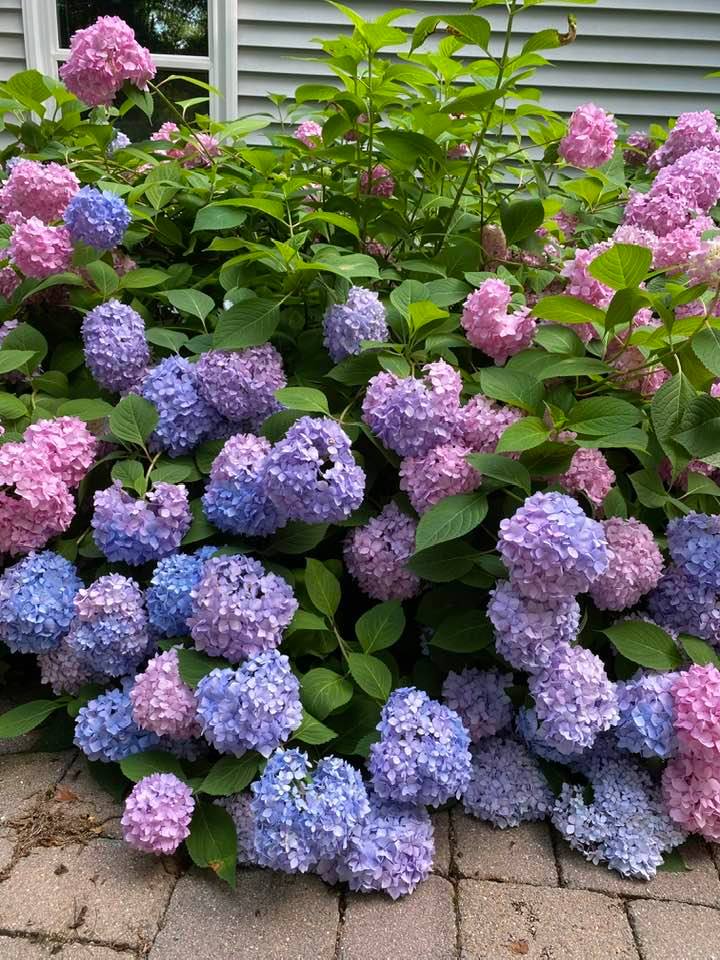
10. Hydrangea (Hydrangea quercifolia)
Oakleaf hydrangeas are prized for their large, cone-shaped flower heads and textured leaves. They bloom from late spring to summer, turning pink as they age. Their dense growth makes them ideal for privacy screens. The peeling bark adds winter interest.
Features:
- Scientific Name: Hydrangea quercifolia (Oakleaf Hydrangea)
- USDA Zone: 5–9
- Color Variation: White, pink, or purple
- Sun Exposure: Partial shade to full sun
- Mature Size: 6–8 feet tall, 6–8 feet wide
- Lifespan: Perennial shrub
- Toxicity: Toxic to humans and pets if ingested
Care Tips:
- Plant in rich, well-drained soil.
- Water regularly, especially in dry conditions.
- Prune after flowering to maintain size.
- Mulch to keep roots cool and moist.
- Keep away from pets and children due to toxicity.
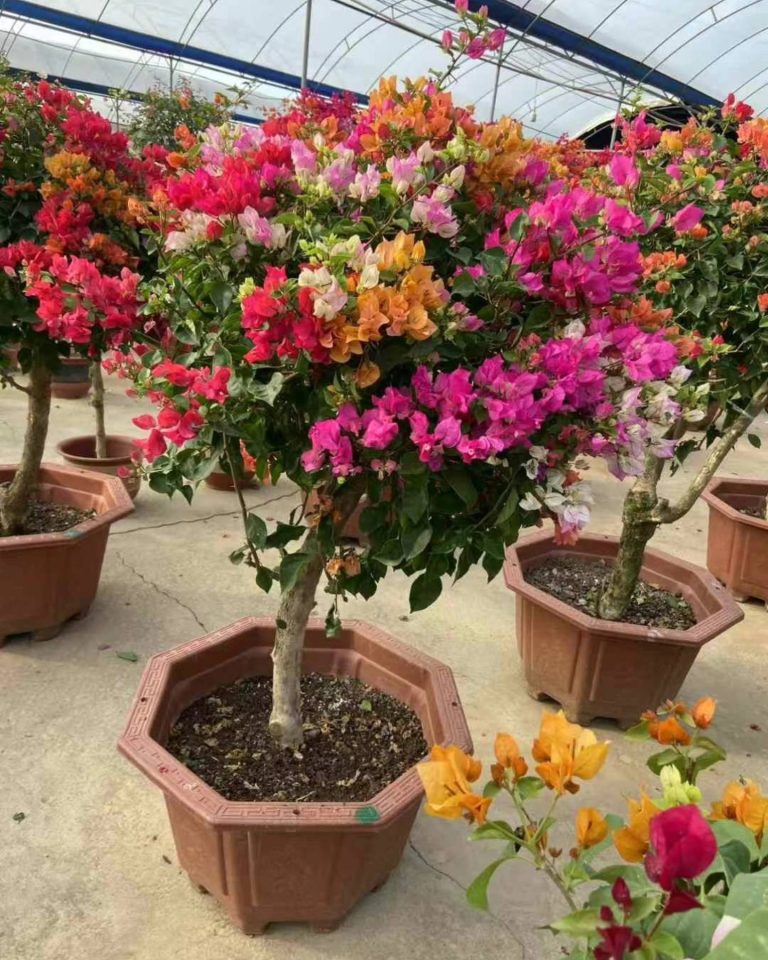
11. Bougainvillea (Bougainvillea spp.)
Bougainvillea is a vibrant, fast-growing vine with colorful bracts that resemble flowers. Its thorny branches and dense foliage create an effective privacy screen on trellises, fences, or walls. It blooms profusely from spring to fall, adding tropical flair. In colder zones, grow it in pots and bring it indoors during winter.
Features:
- Scientific Name: Bougainvillea spp.
- USDA Zone: 9–11 (grown as an annual or container plant in cooler zones)
- Color Variation: Pink, purple, red, orange, white, or yellow
- Sun Exposure: Full sun
- Mature Size: 8–30 feet tall (climbing), 4–6 feet wide
- Lifespan: Perennial vine (annual in colder climates)
- Toxicity: Mildly toxic to humans and pets; thorns can cause injury
Care Tips:
- Plant in well-drained soil with full sun exposure.
- Water regularly but allow the soil to dry between waterings.
- Fertilize monthly with a high-phosphorus formula during blooming.
- Prune in late winter to control size and remove dead growth.
- Wear gloves when handling due to thorns; keep away from pets and children.
12. Jasmine (Jasminum spp.)
Jasmine vines are known for their fragrant white or yellow flowers. They climb quickly, making them ideal for privacy on fences or pergolas. Their lush foliage and sweet scent create a romantic, secluded vibe. Jasmine blooms heavily in spring and summer.
Features:
- Scientific Name: Jasminum spp.
- USDA Zone: 7–10
- Color Variation: White or yellow
- Sun Exposure: Full sun to partial shade
- Mature Size: 3–15 feet tall (vining), 3–6 feet wide
- Lifespan: Perennial vine
- Toxicity: Non-toxic to humans, mildly toxic to pets
Care Tips:
- Plant in well-drained, fertile soil.
- Water regularly, keeping the soil moist but not waterlogged.
- Prune after flowering to control spread.
- Provide a trellis or support for climbing.
- Protect from cold in cooler zones.
13. Sweet Olive (Osmanthus fragrans)
Sweet olive is an evergreen shrub with small, fragrant flowers. It blooms in fall, winter, and spring, adding subtle beauty. Its dense foliage makes it a great privacy hedge. The sweet scent is a bonus, creating a calming atmosphere.
Features:
- Scientific Name: Osmanthus fragrans
- USDA Zone: 7–9
- Color Variation: White or orange
- Sun Exposure: Full sun to partial shade
- Mature Size: 10–15 feet tall, 6–10 feet wide
- Lifespan: Long-lived perennial shrub
- Toxicity: Non-toxic to humans and pets
Care Tips:
- Plant in well-drained, slightly acidic soil.
- Water moderately; established plants are drought-tolerant.
- Prune lightly after flowering to shape.
- Fertilize in spring with a balanced formula.
- Protect from harsh winds in exposed areas.
14. Loropetalum (Loropetalum chinense)
Loropetalum, or Chinese fringe flower, has vibrant, frilly blooms and colorful foliage. It grows quickly, forming a dense privacy screen. Flowers appear in spring, with burgundy-leaved varieties adding year-round color. It’s a versatile choice for modern landscapes.
Features:
- Scientific Name: Loropetalum chinense
- USDA Zone: 7–10
- Color Variation: Pink, red, or white flowers; green or burgundy foliage
- Sun Exposure: Full sun to partial shade
- Mature Size: 6–10 feet tall, 6–10 feet wide
- Lifespan: Perennial shrub
- Toxicity: Non-toxic to humans and pets
Care Tips:
- Plant in well-drained, acidic soil.
- Water regularly until established.
- Prune after flowering to maintain shape.
- Fertilize in spring with an acid-loving plant formula.
- Monitor for spider mites in hot, dry conditions.
15. Viburnum (Viburnum spp.)
Viburnum shrubs offer clusters of white or pink flowers in spring, followed by colorful berries. Their dense foliage makes them excellent for privacy. They attract birds and pollinators, adding life to your yard. Viburnums are hardy and adaptable to various climates.
Features:
- Scientific Name: Viburnum spp.
- USDA Zone: 3–8
- Color Variation: White or pink flowers; red or black berries
- Sun Exposure: Full sun to partial shade
- Mature Size: 6–15 feet tall, 6–12 feet wide
- Lifespan: Perennial shrub
- Toxicity: Berries may be toxic to humans and pets
Care Tips:
- Plant in well-drained, slightly acidic soil.
- Water regularly, especially during dry spells.
- Prune after flowering to control size.
- Fertilize in spring with a balanced fertilizer.
- Check berries for toxicity before planting near children or pets.
Tips for Creating a Private Yard with Flowers
- Mix heights and textures: Combine tall sunflowers with medium-height shrubs like weigela for a layered screen.
- Use trellises for vines: Plant Bougainvillea or jasmine on trellises for vertical privacy.
- Consider evergreen options: Camellias and sweet olives provide year-round coverage.
- Plan for seasonal interest: Forsythia and hydrangeas offer blooms at different times, keeping your yard vibrant.
- Check local regulations: Some plants, like butterfly bush, may be invasive in certain areas.
- Test soil and sunlight: Match plants to your yard’s conditions for best growth.
- Space properly: Plant shrubs 3–5 feet apart for dense hedges, as recommended for arborvitae.
Conclusion
These 15 flowers and flowering shrubs, including the vibrant Bougainvillea, can transform your yard into a private, beautiful retreat. From towering sunflowers to fragrant sweet olives, each plant offers unique features to suit different climates and styles. By choosing the right plants and following proper care tips, you’ll enjoy both privacy and a vibrant garden.
References
- Craftionary. (2024). 50 Fast growing plants for privacy to best screen backyards. www.craftionary.net
- Real Simple. (2025). 21 Landscape Plants That Pros Recommend for Adding Privacy. www.realsimple.com
- The Spruce. (2025). Plant These 22 Fast-Growing Privacy Shrubs for a Secluded Yard. www.thespruce.com
- Hicks Nurseries. (2024). Top 8 Plants for Privacy & Screening. hicksnurseries.com
- Martha Stewart. (2024). 15 Privacy Shrubs to Make Your Yard Feel Like a Secluded Oasis. www.marthastewart.com
- Gardening Know How. (2025). Bougainvillea Care: Growing Tips for This Flowering Vine. www.gardeningknowhow.com

Tim M Dave is a gardening expert with a passion for houseplants, particularly cacti and succulents. With a degree in plant biology from the University of California, Berkeley, he has vast experience in gardening. Over the years, he has cultivated a vast collection of desert plants and learned a great deal about how to grow and care for these unique companions.