10 Flowers That Look Like Banana Plants: Identification and Care Details
Banana plants (Musa spp.) are iconic for their large, lush, paddle-shaped leaves that scream tropical paradise. But growing true banana plants can be tricky—they demand specific climates and care. Luckily, there are plenty of plants that mimic their exotic look while offering stunning flowers and easier maintenance.
In this guide, we’ll explore 10 flowers that resemble banana plants. These plants offer similar broad, lush foliage but add vibrant flowers and often simpler care needs. They’re perfect for
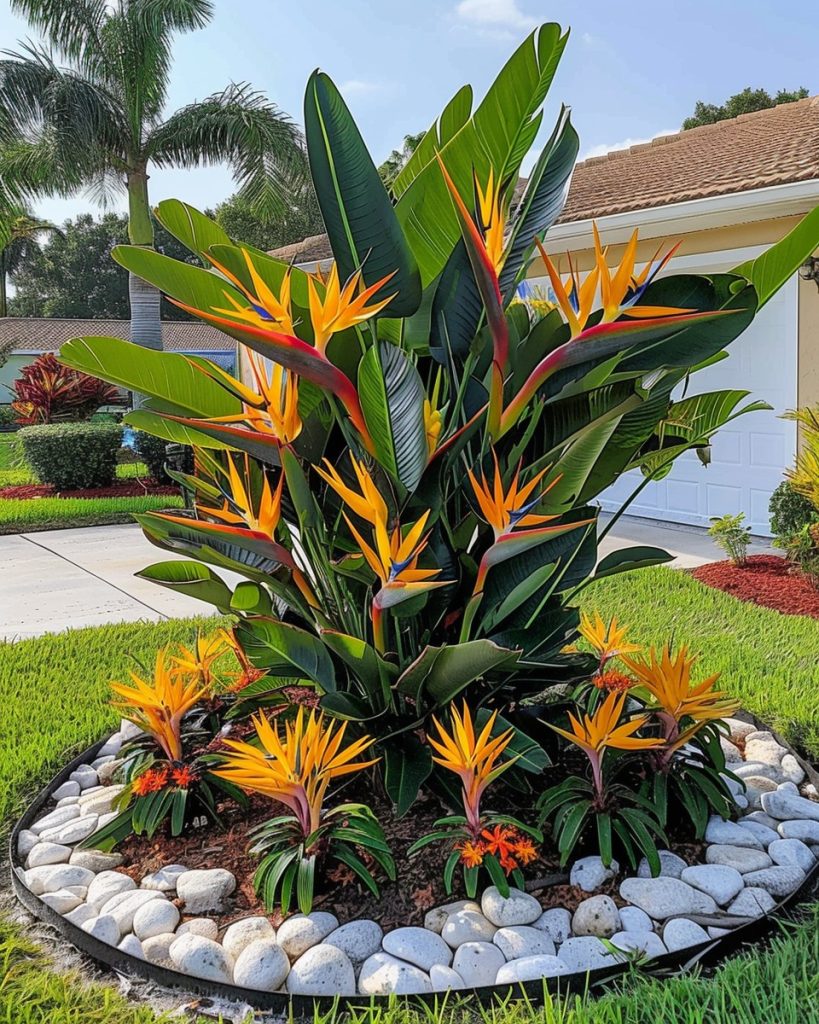
1. Bird of Paradise (Strelitzia reginae)
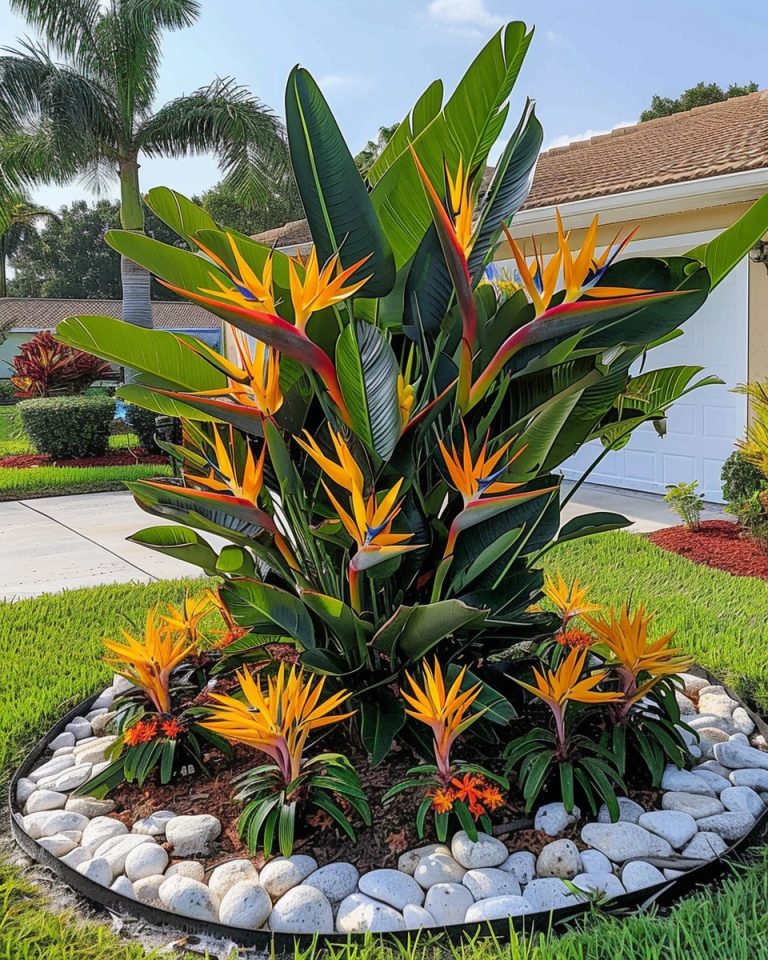
The Bird of Paradise is a showstopper. Its large, paddle-shaped leaves mimic banana plants, but its crane-like flowers steal the show. Native to South Africa, this plant blooms in spurts year-round, adding bursts of color to gardens or indoor spaces.
The leaves grow from underground rhizomes, giving it a clumping, tropical look.
Features
- Scientific Name: Strelitzia reginae
- USDA Zone: 9–11
- Color Variation: Gray-green leaves with vibrant orange and blue flowers
- Sun Exposure: Full sun to partial shade
- Mature Size: 3–5 feet tall, 3–4 feet wide
- Lifespan: Perennial, can live 10–20 years with proper care
Care Details
Plant in well-drained, loamy soil. Water generously in spring and summer, but reduce watering in winter. Place in bright, indirect light indoors or full sun outdoors. Maintain temperatures between 55–65°F at night.
Move outdoor plants to sunny, semi-shaded spots with good air circulation when temperatures exceed 70°F. Fertilize monthly during the growing season. Prune dead leaves to keep it tidy. Watch for spider mites and treat with neem oil if needed.
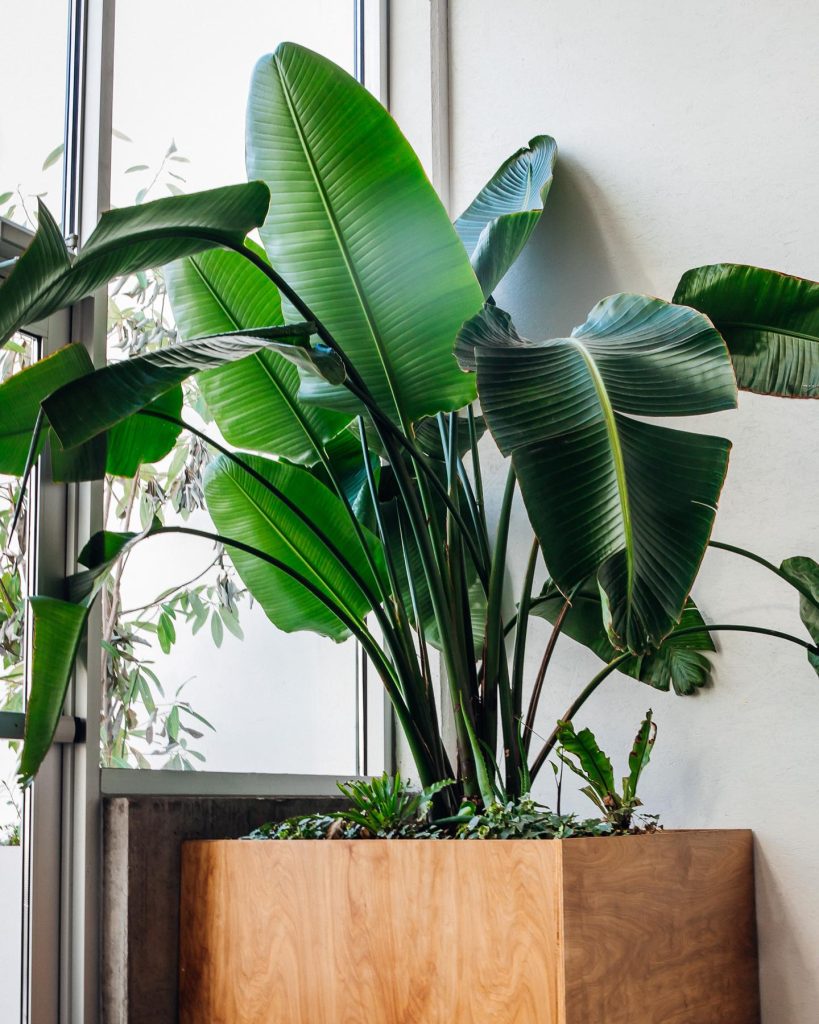
2. Giant Bird of Paradise (Strelitzia nicolai)
The Giant Bird of Paradise is the bigger, bolder cousin of Strelitzia reginae. Its massive, banana-like leaves grow in a fan-like pattern from woody stems. The flowers, resembling white birds with blue tongues, are dramatic and appear above the leaf crown.
This plant can dominate large gardens or indoor spaces with high ceilings.
Features
- Scientific Name: Strelitzia nicolai
- USDA Zone: 9–11
- Color Variation: Gray-green leaves with white flowers and blue accents
- Sun Exposure: Full sun to partial shade
- Mature Size: 20–30 feet tall, 10–15 feet wide
- Lifespan: Perennial, 15–25 years
Care Details
Grow in rich, well-drained soil. Keep soil moist but not waterlogged. Provide full sun or partial shade outdoors, or bright indirect light indoors. Maintain high humidity—mist leaves or use a humidifier. Protect from strong winds to prevent leaf tearing. Fertilize monthly in spring and summer. Prune dead or damaged leaves.
This plant tolerates light frost but needs protection in colder climates.
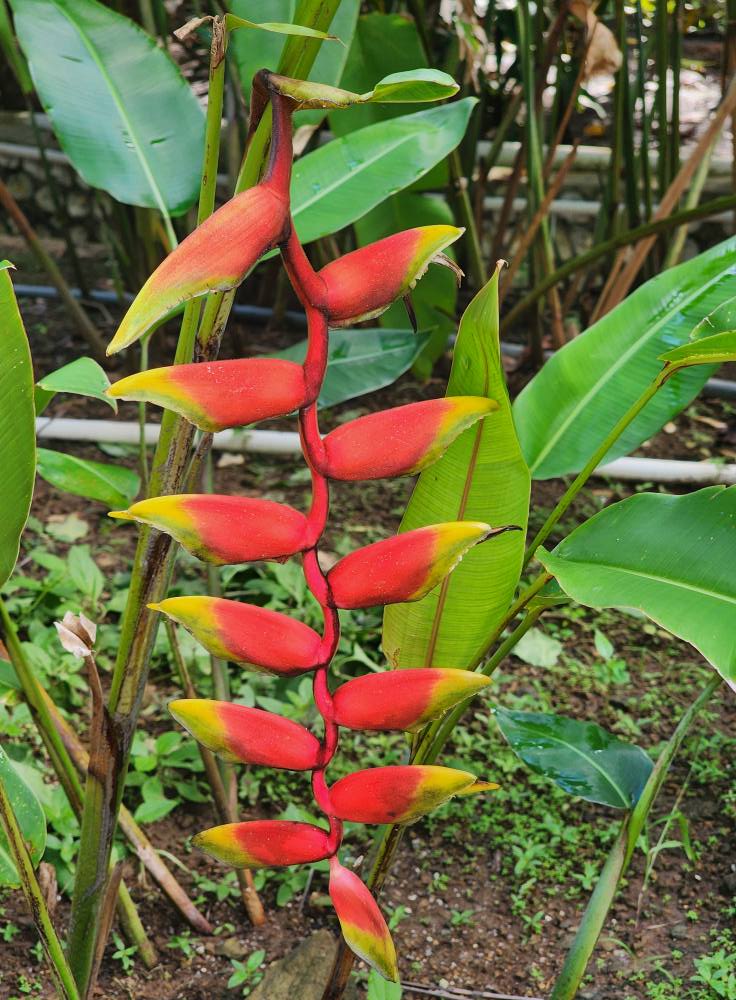
3. False Bird of Paradise (Heliconia rostrata)
Also called Hanging Lobster Claw, this plant’s paddle-shaped leaves and downward-facing bracts make it a striking banana plant lookalike. Native to South America, it’s Bolivia’s national flower. The colorful bracts attract hummingbirds, adding life to tropical gardens. Its leaves grow from rhizomes, mimicking banana plant structure.
Features
- Scientific Name: Heliconia rostrata
- USDA Zone: 10–13
- Color Variation: Green leaves with red, yellow, or pink bracts
- Sun Exposure: Full sun to partial shade
- Mature Size: 5–8 feet tall indoors, up to 15 feet outdoors
- Lifespan: Perennial, 10–15 years
Care Details
Plant in well-drained, fertile soil. Keep soil consistently moist but not soggy. Provide full sun or partial shade—avoid harsh afternoon sun. Maintain warm temperatures (70–80°F) and high humidity. Mist leaves regularly or use a humidifier. Protect from strong winds.
Fertilize every 2–3 weeks during the growing season. Divide rhizomes every few years to prevent overcrowding. Watch for aphids and treat with insecticidal soap.
4. Abyssinian Banana (Ensete ventricosum)
The Abyssinian Banana, also called False Banana, is a close relative of true banana plants. Its large, paddle-shaped leaves can reach 16 feet long, with some cultivars like ‘Maurelii’ sporting red-maroon foliage. While it produces small, inedible fruits, its roots are a staple food in Ethiopia.
Features
- Scientific Name: Ensete ventricosum
- USDA Zone: 9–11
- Color Variation: Green or red-maroon leaves, small yellow flowers
- Sun Exposure: Full sun to partial shade
- Mature Size: 10–20 feet tall, 8–12 feet wide
- Lifespan: Perennial, 5–10 years

Care Details
Grow in well-drained, fertile soil. Keep soil moist but not waterlogged. Provide full sun or light shade—avoid scorching midday sun. Maintain high humidity and temperatures above 50°F. Protect from frost.
Fertilize monthly during spring and summer. Mulch roots in colder zones to overwinter. Prune dead leaves to maintain appearance. This plant is drought-tolerant but thrives with consistent moisture.
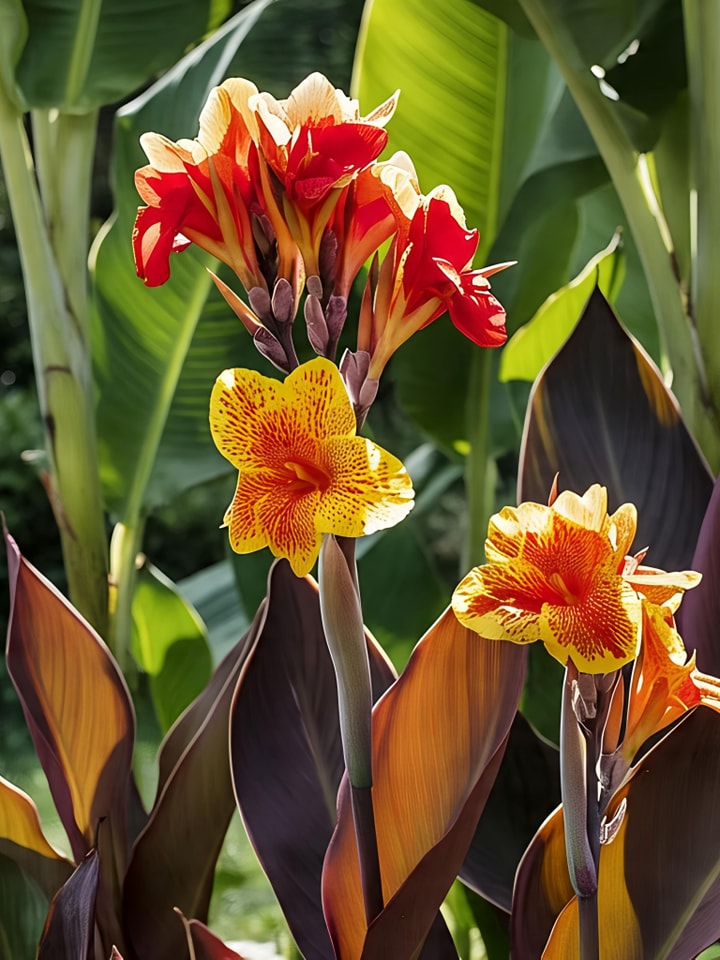
5. Common Garden Canna (Canna x generalis)
Canna lilies are vibrant and versatile, with broad, banana-like leaves and bold flowers. Varieties like ‘Tropicanna’ feature striped foliage in green, burgundy, or yellow. These plants are perfect for adding color and texture to gardens or containers. Their upright growth mimics banana plants but is more compact.
Features
- Scientific Name: Canna x generalis
- USDA Zone: 8–12
- Color Variation: Green or striped leaves, red, orange, or yellow flowers
- Sun Exposure: Full sun to partial shade
- Mature Size: 2.5–8 feet tall, 1–3 feet wide
- Lifespan: Perennial, 5–10 years
Care Details
Plant in rich, moist soil with good drainage. Provide full sun for best flowering, though partial shade works. Water regularly to keep the soil moist. Maintain temperatures above 50°F. Deadhead spent flowers to encourage blooming. Fertilize every 2–3 weeks in summer. Dig up rhizomes in colder zones and store indoors over winter. Watch for spider mites and treat with neem oil.
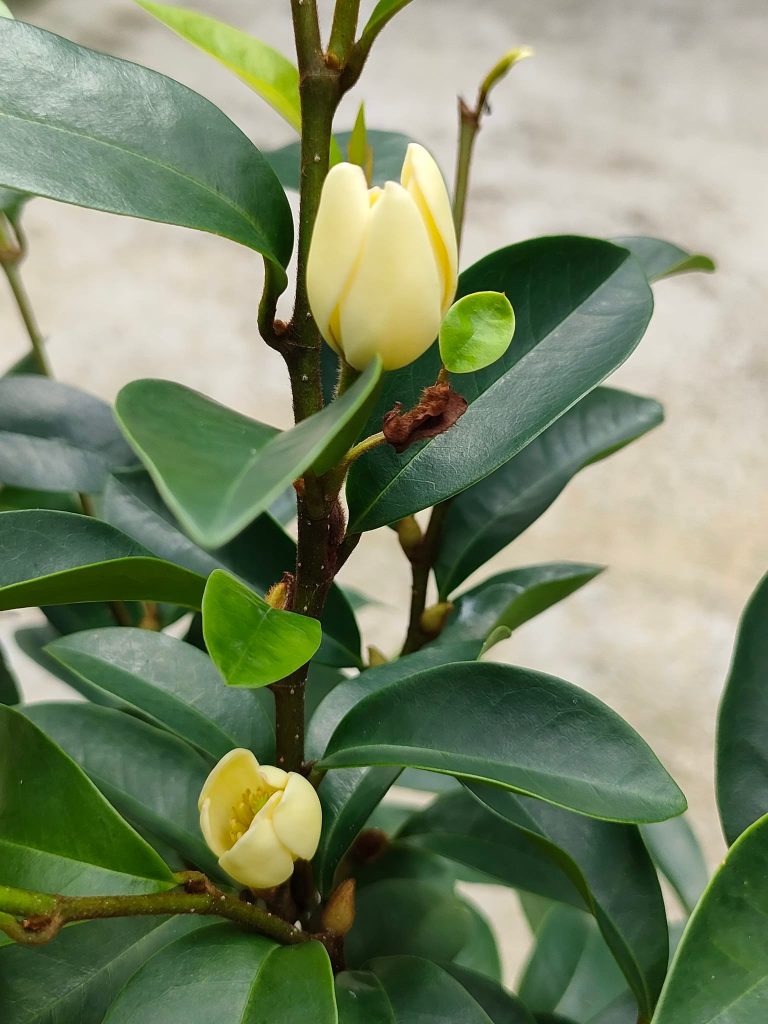
6. Banana Shrub (Michelia figo)
The Banana Shrub isn’t a true banana plant but a small evergreen tree in the magnolia family. Its glossy, banana-like leaves and fragrant, banana-scented flowers make it a unique choice. The creamy-yellow blooms appear in spring, adding charm to gardens or patios.
Features
- Scientific Name: Michelia figo
- USDA Zone: 7–10
- Color Variation: Dark green leaves, creamy-yellow flowers
- Sun Exposure: Full sun to partial shade
- Mature Size: 6–10 feet tall, 4–6 feet wide
- Lifespan: Evergreen shrub, 10–20 years
Care Details
Grow in well-drained, slightly acidic soil. Water moderately, allowing soil to dry slightly between waterings. Provide full sun or partial shade. Maintain temperatures above 20°F. Prune after flowering to shape the plant. Fertilize in spring with a balanced fertilizer. Protect from harsh winds. This low-maintenance shrub is pest-resistant but check for scale insects occasionally.
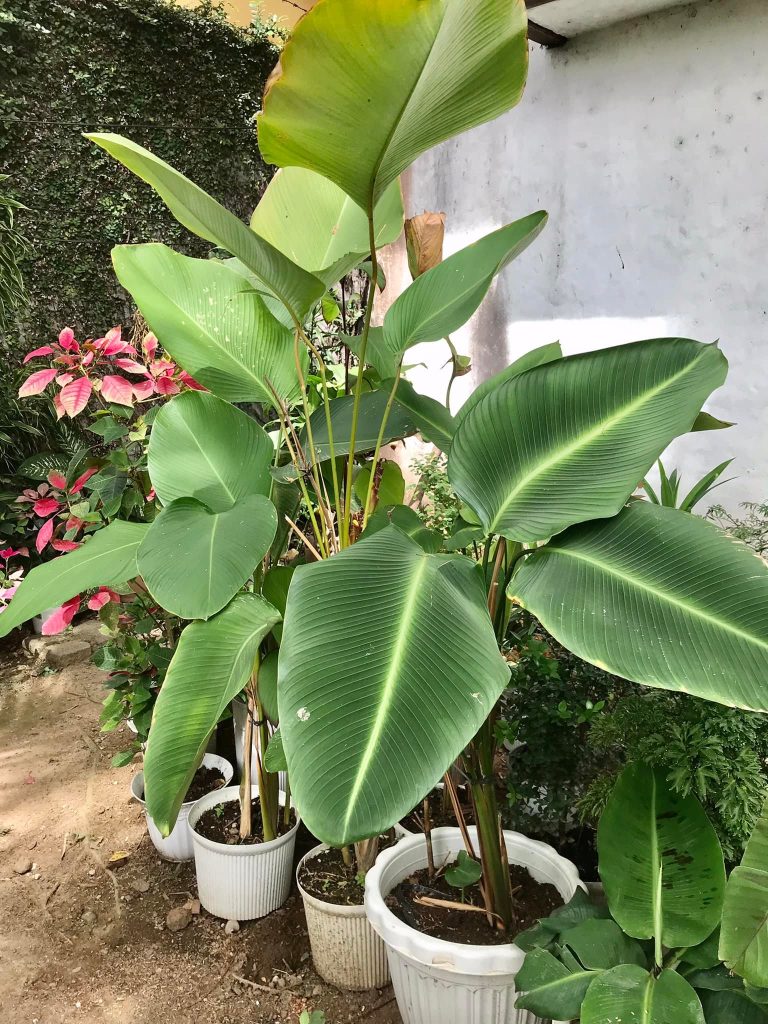
7. Cigar Calathea (Calathea lutea)
Cigar Calathea’s large, paddle-shaped leaves and waxy red blooms make it a stunning banana plant lookalike. Its leaves fold up at night and unfold in the morning, adding a dynamic element. This plant thrives indoors, bringing tropical vibes to low-light spaces.
Features
- Scientific Name: Calathea lutea
- USDA Zone: 10–11
- Color Variation: Green leaves with purple undersides, waxy red flowers
- Sun Exposure: Indirect light or full shade
- Mature Size: 6–10 feet tall, 3–5 feet wide
- Lifespan: Perennial, 5–10 years
Care Details
Plant in well-drained, fertile soil with coco peat or perlite. Keep soil lightly moist—avoid overwatering. Place in bright, indirect light or full shade. Maintain high humidity (mist regularly) and temperatures between 65–80°F. Fertilize monthly during the growing season. Wipe leaves to remove dust. Watch for root rot and reduce watering if leaves yellow.
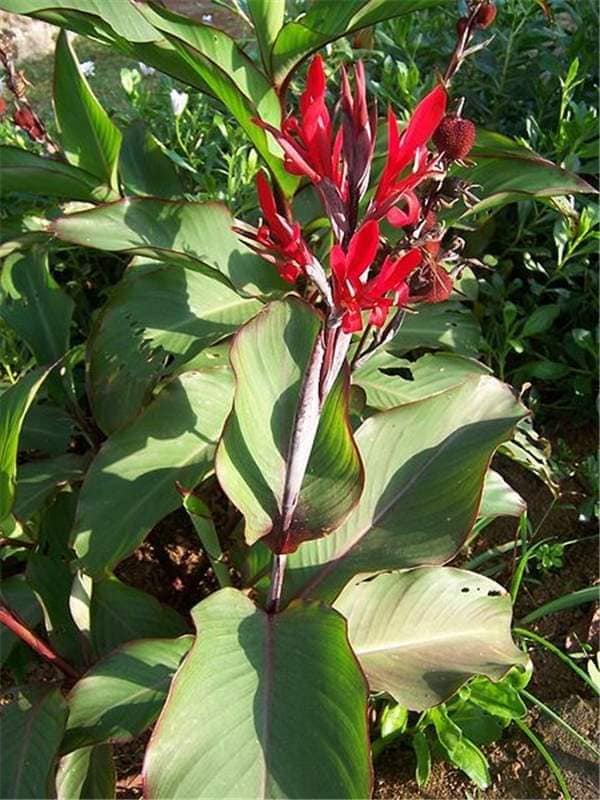
8. Indian Shot (Canna indica)
Indian Shot is a tropical perennial with slender, banana-like leaves and vibrant flowers. Its compact size makes it ideal for containers or borders. The flowers bloom in summer, adding pops of color to any garden. This plant is a favorite for mass plantings.
Features
- Scientific Name: Canna indica
- USDA Zone: 8–12
- Color Variation: Green leaves, red, orange, or yellow flowers
- Sun Exposure: Full sun to partial shade
- Mature Size: 3–6 feet tall, 1–2 feet wide
- Lifespan: Perennial, 5–10 years
Care Details
Grow in moist, well-drained soil. Provide full sun for vibrant blooms, though it tolerates partial shade. Water regularly to keep the soil moist. Maintain temperatures above 50°F. Deadhead flowers to prolong blooming. Fertilize every 2–3 weeks in summer. Lift rhizomes in colder zones for winter storage. Monitor for slugs and treat with organic bait.
9. Traveler’s Tree (Ravenala madagascariensis)
The Traveler’s Tree, often mistaken for a palm, has massive, banana-like leaves arranged in a fan-like pattern. Its white flowers are less showy than other lookalikes but still striking. This plant is perfect for large indoor spaces or tropical gardens.
Features
- Scientific Name: Ravenala madagascariensis
- USDA Zone: 10–11
- Color Variation: Green leaves, white flowers
- Sun Exposure: Full sun to partial shade
- Mature Size: 15–30 feet tall outdoors, 6–8 feet indoors
- Lifespan: Perennial, 10–20 years

Care Details
Plant in rich, well-drained soil. Keep soil consistently moist. Provide full sun or bright indirect light indoors. Maintain high humidity and temperatures above 60°F. Protect from strong winds to prevent leaf damage. Fertilize monthly in spring and summer. Prune dead leaves to maintain shape. This plant is relatively pest-free, but check for scale.
10. Hardy Banana (Musa basjoo)
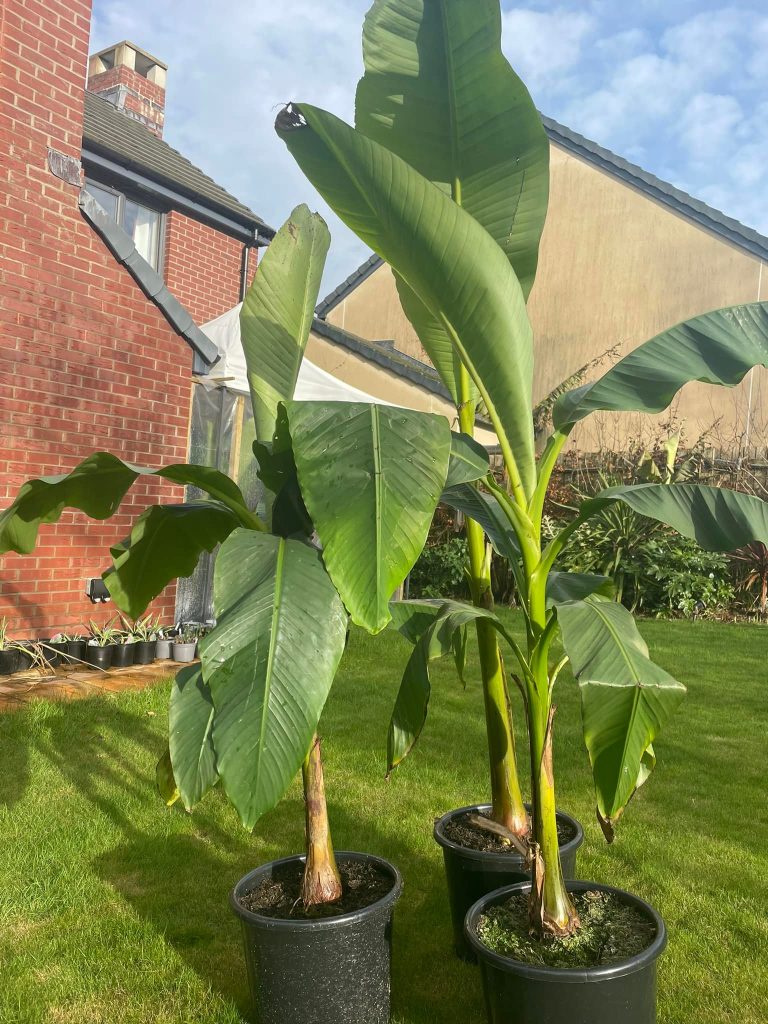
The Hardy Banana is a cold-tolerant banana plant with large, lush leaves that closely resemble true banana plants. It produces small, inedible fruits and occasional white or golden flowers. This plant is ideal for gardeners in cooler climates wanting a tropical look.
Features
- Scientific Name: Musa basjoo
- USDA Zone: 5–11
- Color Variation: Green leaves, white or golden flowers
- Sun Exposure: Full sun to partial shade
- Mature Size: 6–14 feet tall, 6–10 feet wide
- Lifespan: Perennial, 5–15 years
Care Details
Grow in fertile, well-drained soil. Keep soil moist but not soggy. Provide full sun for best growth, though it tolerates partial shade. Mulch heavily in winter to protect roots in colder zones. Fertilize monthly during the growing season. Prune dead leaves in spring. Protect from strong winds. Watch for fungal diseases like Panama wilt and treat with fungicides if needed.
Why These Plants Work for Tropical Gardens
These 10 plants share key traits with banana plants: large, paddle-shaped leaves, upright growth, and a lush, tropical vibe. They’re perfect for creating a jungle-like atmosphere in gardens, patios, or indoor spaces.
Unlike true banana plants, many are more adaptable to varying climates, light conditions, and care routines. Their vibrant flowers add an extra layer of beauty, making them stand out as focal points or accents in any landscape.
General Care Tips for Banana-Like Plants
To keep these tropical lookalikes thriving, follow these tips:
- Light: Most prefer bright, indirect light indoors or full sun to partial shade outdoors. Avoid harsh afternoon sun to prevent leaf scorch.
- Water: Keep soil consistently moist but well-drained. Reduce watering in winter for most species.
- Humidity: High humidity is key—mist leaves, use a humidifier, or place pots on pebble trays with water.
- Temperature: Maintain warm conditions (65–80°F). Protect from frost or cold drafts.
- Soil: Use rich, well-drained soil with organic matter like compost or peat.
- Fertilizer: Feed monthly during spring and summer with a balanced liquid fertilizer.
- Pests: Watch for spider mites, aphids, and mealybugs. Treat with neem oil or insecticidal soap.
- Pruning: Remove dead or damaged leaves to maintain appearance and encourage growth.
Creating a Tropical Oasis with Banana-Like Plants
Want to transform your space into a tropical paradise? Combine these plants for maximum impact. Pair the towering Giant Bird of Paradise with compact Canna lilies for a layered effect. Use Cigar Calathea or Banana Shrub in shaded corners for texture.
Indoors, place a Traveler’s Tree in a sunny room with high ceilings, or cluster Bird of Paradise plants for drama. Outdoors, Hardy Bananas and Abyssinian Bananas create bold focal points in frost-free zones. Add mulch and tropical accents like bamboo or palms to complete the vibe.
FAQs About Banana Plant Lookalikes
What is the name of the plant that looks like a banana tree?
Several plants mimic banana trees, including Bird of Paradise (Strelitzia reginae), Giant Bird of Paradise (Strelitzia nicolai), and Abyssinian Banana (Ensete ventricosum). Each has large, paddle-shaped leaves and a tropical appearance.
How do I care for a banana-like plant indoors?
Provide bright, indirect light, high humidity, and well-drained soil. Water when the top inch of soil feels dry. Maintain temperatures above 60°F and fertilize monthly during the growing season.
What’s the difference between a banana plant and a Bird of Paradise?
Banana plants (Musa spp.) produce edible fruit, while Bird of Paradise (Strelitzia spp.) has striking, bird-like flowers. Banana leaves droop, while Bird of Paradise leaves are more rigid and fan-like.
Can these plants grow in colder climates?
Yes, Hardy Banana (Musa basjoo) and some Cannas tolerate USDA Zone 5 with winter protection. Others, like Bird of Paradise, thrive in Zones 9–11 or as indoor plants in colder regions.
Are these plants toxic?
Some, like False Bird of Paradise and Abyssinian Banana, are non-toxic. Others, like Canna lilies, may be mildly toxic to pets if ingested. Always research before planting in homes with pets or children.
Final Thoughts
These flowers that look like banana plants offer the perfect blend of tropical beauty and practicality. From the vibrant blooms of the Bird of Paradise to the hardy, cold-tolerant Musa basjoo, there’s a plant for every space and skill level. Their lush foliage and colorful flowers bring the tropics to your doorstep, whether you’re gardening in a sunny backyard or a cozy apartment. With the right care, these plants will thrive and transform your space into a jungle oasis. Start with one or mix and match to create your dream tropical garden!

Tim M Dave is a gardening expert with a passion for houseplants, particularly cacti and succulents. With a degree in plant biology from the University of California, Berkeley, he has vast experience in gardening. Over the years, he has cultivated a vast collection of desert plants and learned a great deal about how to grow and care for these unique companions.