15 Flowers to Plant in September for Stunning Early Spring Blooms: Identification and Pictures
September is a magical time for gardeners in the USA. The summer heat begins to fade, and the soil remains warm, creating perfect conditions for planting flowers that will burst into vibrant blooms come early spring. Planting in September allows perennials and bulbs to establish strong root systems before winter, ensuring a spectacular display when the growing season returns.
Below, we dive into 15 flowers that are perfect for planting in September to ensure early spring blooms. Each section includes key details to help you choose the right plants for your garden, along with practical tips for success.
Best Flowers for Early Spring Blooms
September offers a unique window for planting. The cooler air reduces stress on young plants, while warm soil promotes root growth. This combination sets the stage for robust plants that bloom earlier and stronger in spring (February or March).
1. Daffodil (Narcissus spp.)
Daffodils are iconic spring flowers known for their cheerful trumpet-shaped blooms. They’re among the first to flower in spring, often popping up through snow. These bulbs are easy to grow and deer-resistant, making them a favorite for low-maintenance gardens.
- Scientific Name: Narcissus spp.
- USDA Hardiness Zones: 3–8
- Color Variations: Yellow, white, pink, orange, bicolor (e.g., yellow with white petals)
- Sun Exposure: Full sun to part shade
- Mature Size: 6–20 inches tall, 3–6 inches wide
- Lifespan: Perennial, returning for many years
- Toxicity: Toxic to humans, pets, and livestock if ingested
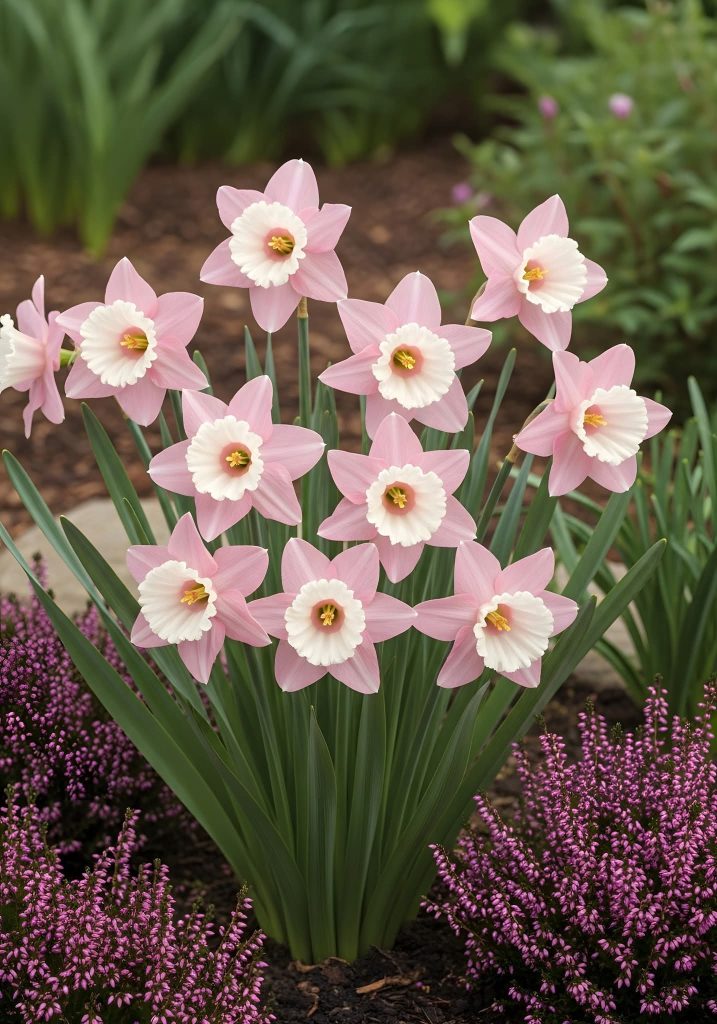
Planting Tips: Plant daffodil bulbs 6 inches deep in well-drained soil, with the pointed end up. Space bulbs 3–6 inches apart. Water after planting and mulch lightly to protect against frost. Daffodils thrive in borders, containers, or naturalized areas under deciduous trees. Their bright blooms signal spring’s arrival, often lasting from March to April.
Why Choose Daffodils? Daffodils are reliable and low-maintenance. Their toxicity deters deer and rodents, ensuring your garden stays intact. With a wide range of colors and forms, including double blooms and petite varieties, they suit any garden style.
2. Tulip (Tulipa spp.)
Tulips are treasured for their elegant, cup-shaped flowers. They come in nearly every color, making them versatile for formal or casual gardens. Planted in fall, they bloom in early to mid-spring, adding drama to beds and borders. Varieties like ‘Cool Crystal’ offer unique fringed petals for extra flair.
- Scientific Name: Tulipa spp.
- USDA Hardiness Zones: 3–7 (some varieties to Zone 8 with protection)
- Color Variations: Red, pink, yellow, white, purple, orange, bicolor
- Sun Exposure: Full sun
- Mature Size: 8–24 inches tall, 4–6 inches wide
- Lifespan: Perennial, but often grown as annuals in warmer zones
- Toxicity: Toxic to humans, cats, and dogs if ingested
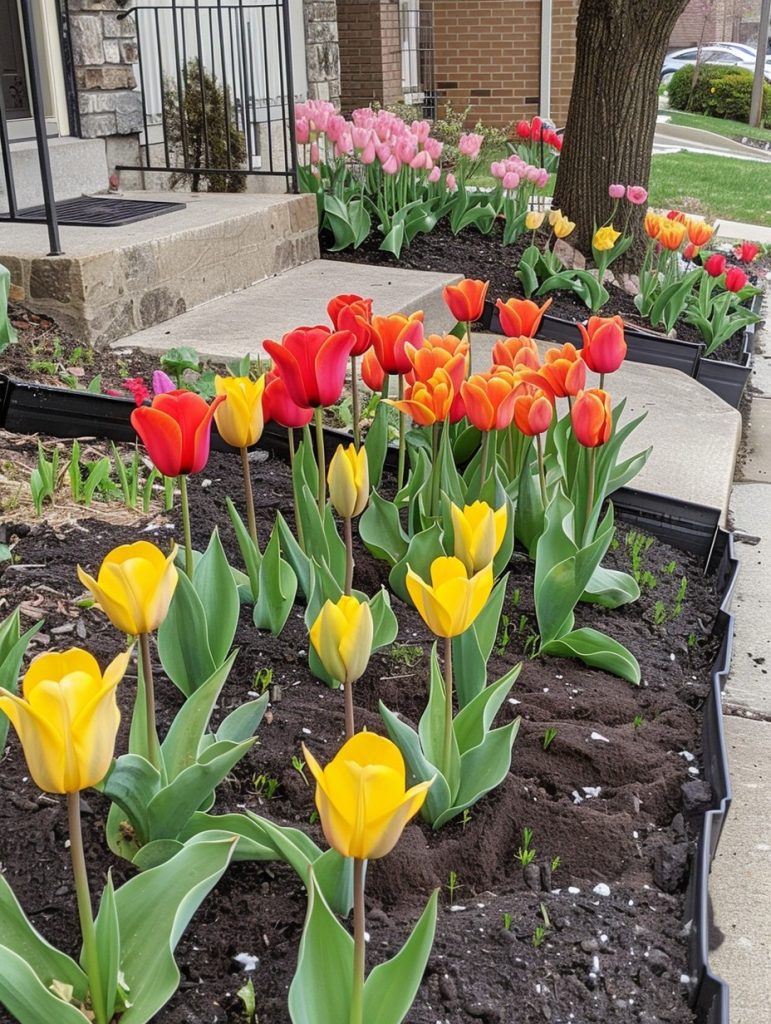
Planting Tips: Plant tulip bulbs 6–8 inches deep in well-drained soil. Space them 4–6 inches apart. Choose a sunny spot, as tulips need at least 6 hours of sunlight daily. In warmer zones (7–8), dig up bulbs after foliage dies back and store them for replanting next fall.
Why Choose Tulips? Tulips bring bold color and structure to spring gardens. Their versatility makes them ideal for containers, borders, or mass plantings. Pair them with daffodils for a classic spring display.
3. Crocus (Crocus spp.)
Crocuses are small but mighty, often blooming through snow in late winter or early spring. These low-growing bulbs produce delicate, goblet-shaped flowers that brighten gardens when little else is blooming.
- Scientific Name: Crocus spp.
- USDA Hardiness Zones: 3–8
- Color Variations: Purple, white, yellow, blue
- Sun Exposure: Full sun to part shade
- Mature Size: 3–6 inches tall, 2–4 inches wide
- Lifespan: Perennial, naturalizing over time
- Toxicity: Generally non-toxic, but some species may cause mild irritation if ingested
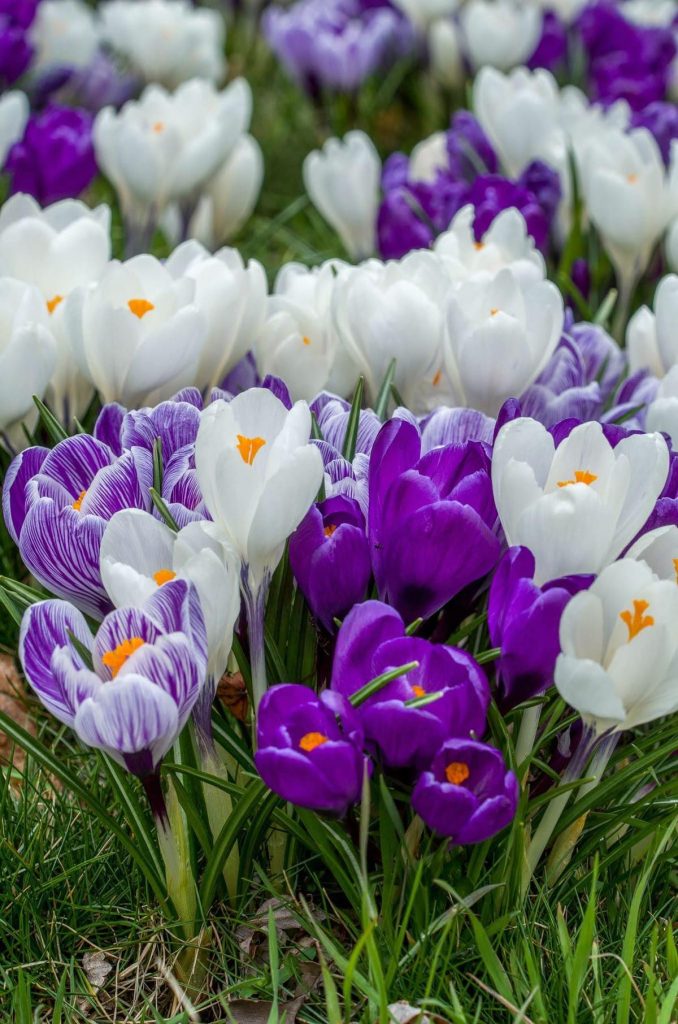
Planting Tips: Plant crocus corms 3–4 inches deep in well-drained soil. Space them 2–3 inches apart. They thrive in sunny spots or under deciduous trees where they get early spring light. Scatter them in lawns or borders for a naturalized look. Crocuses multiply over time, creating carpets of color.
Why Choose Crocuses? Crocuses are perfect for small spaces or rock gardens. Their early blooms provide a much-needed burst of color, and their ability to naturalize makes them a low-effort choice for long-term beauty.
4. Hyacinth (Hyacinthus orientalis)
Hyacinths are prized for their fragrant, tightly packed flower spikes. These bulbs produce bold, colorful blooms that make a statement in spring gardens or as cut flowers.
- Scientific Name: Hyacinthus orientalis
- USDA Hardiness Zones: 4–8
- Color Variations: Blue, purple, pink, white, red, yellow
- Sun Exposure: Full sun to part shade
- Mature Size: 6–12 inches tall, 3–6 inches wide
- Lifespan: Perennial, but blooms may weaken after a few years
- Toxicity: Toxic to humans, cats, and dogs if ingested; skin irritation is possible from handling bulbs
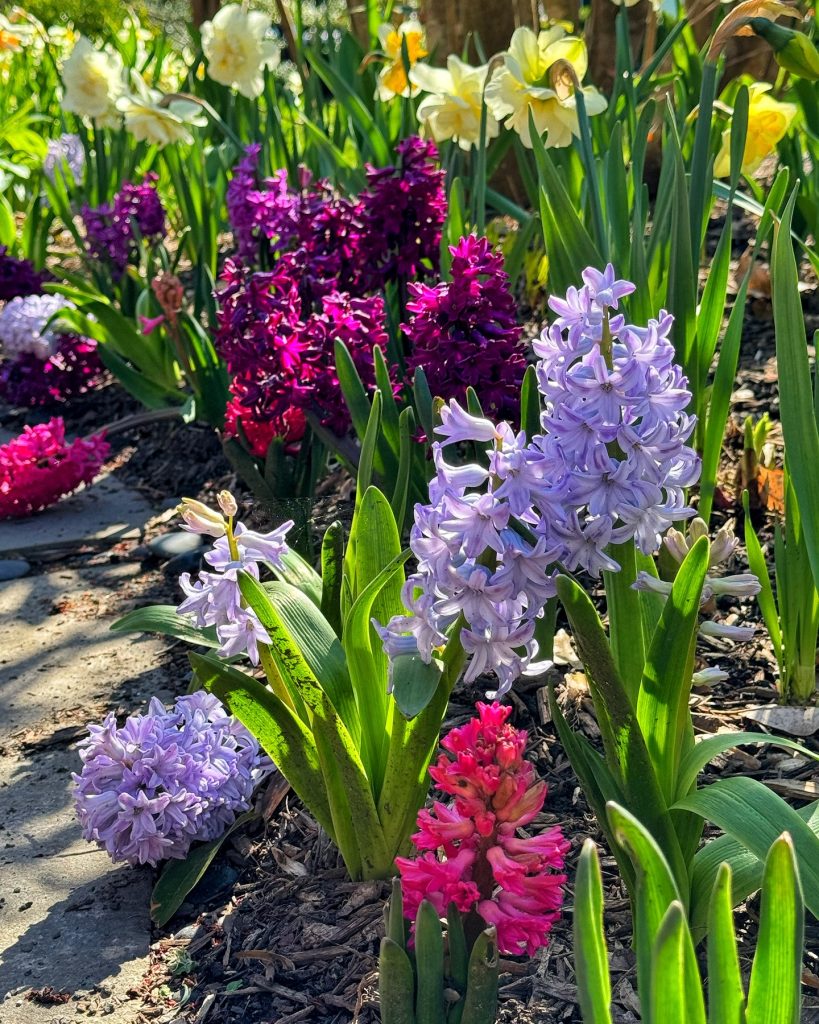
Planting Tips: Plant hyacinth bulbs 4–6 inches deep in well-drained soil. Space them 4–5 inches apart. Choose a sunny or partially shaded spot. Wear gloves when handling bulbs to avoid skin irritation. Hyacinths work well in containers, borders, or as fragrant additions to patios.
Why Choose Hyacinths? Their intense fragrance and vibrant colors make hyacinths a spring favorite. Plant them near walkways or seating areas to enjoy their scent. They pair beautifully with tulips or daffodils.
5. Hellebore (Helleborus spp.)
Known as Lenten roses, hellebores are shade-loving perennials that bloom in late winter to early spring. Their rose-like flowers are long-lasting, often persisting for weeks.
- Scientific Name: Helleborus spp.
- USDA Hardiness Zones: 3–9
- Color Variations: White, pink, purple, green, maroon
- Sun Exposure: Part shade to full shade
- Mature Size: 12–18 inches tall, 18–24 inches wide
- Lifespan: Long-lived perennial, lasting decades
- Toxicity: Toxic to humans and pets if ingested
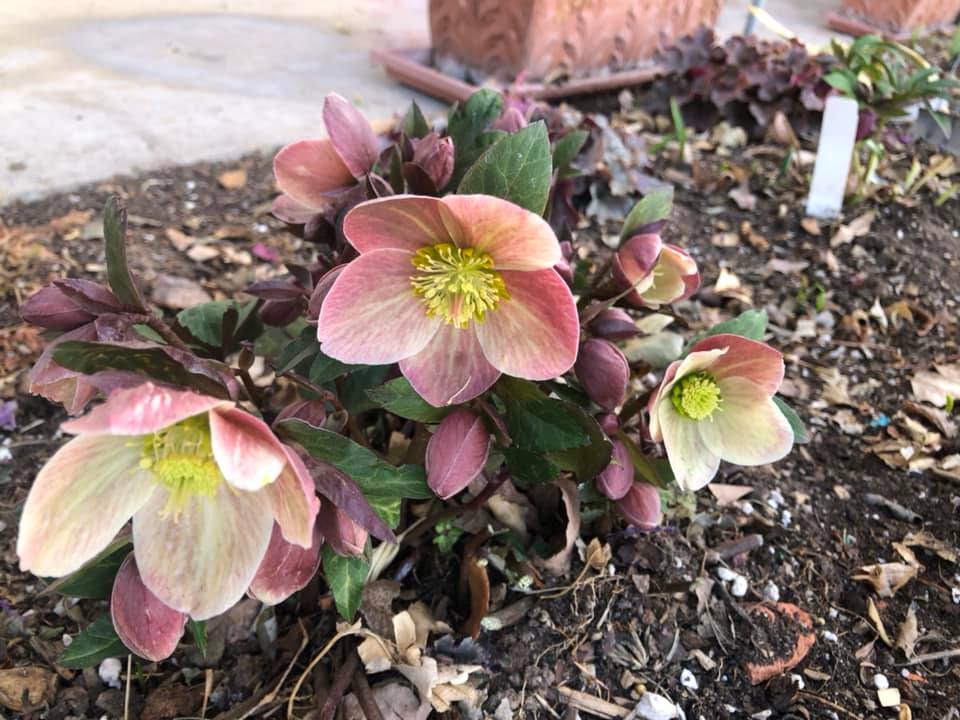
Planting Tips: Plant hellebores in September in rich, well-drained soil enriched with organic matter. Space plants 12–18 inches apart. They thrive in shady spots under trees or shrubs. Mulch to retain moisture and suppress weeds. Deadhead spent flowers to maintain tidiness.
Why Choose Hellebores? Hellebores are perfect for shady gardens where other flowers struggle. Their early blooms and evergreen foliage provide year-round interest, and their longevity makes them a wise investment.
6. Grape Hyacinth (Muscari armeniacum)
Grape hyacinths produce clusters of tiny, bell-shaped flowers resembling grapes. These bulbs are perfect for borders, rock gardens, or naturalizing in lawns.
- Scientific Name: Muscari armeniacum
- USDA Hardiness Zones: 4–8
- Color Variations: Blue, purple, white
- Sun Exposure: Full sun to part shade
- Mature Size: 6–8 inches tall, 3–4 inches wide
- Lifespan: Perennial, naturalizing over time
- Toxicity: Mildly toxic to humans and pets if ingested
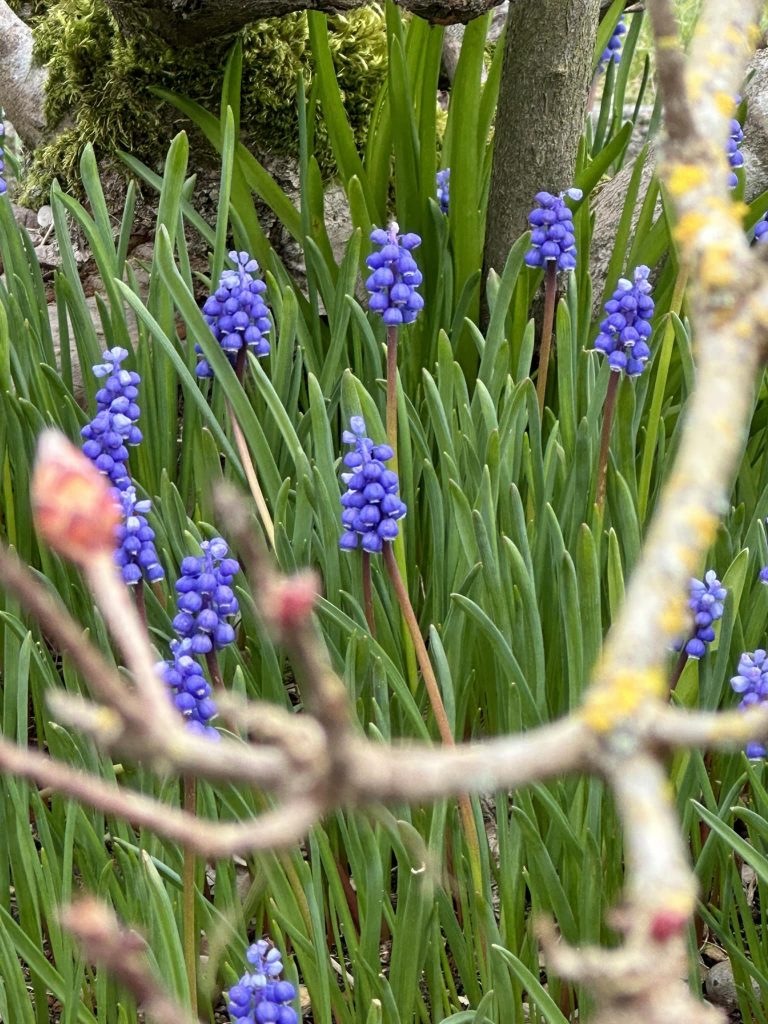
Planting Tips: Plant bulbs 3–4 inches deep in well-drained soil. Space them 2–3 inches apart. They thrive in sunny or partially shaded areas. Grape hyacinths are low-maintenance and spread naturally, creating dense patches over time.
Why Choose Grape Hyacinths? Their compact size and vibrant blue hues make grape hyacinths ideal for small spaces or as companion plants. They attract pollinators and add charm to early spring gardens.
7. Winter Aconite (Eranthis hyemalis)
Winter aconites are tiny, buttercup-like flowers that bloom in late winter or early spring. Their bright yellow blooms are a cheerful sign that spring is near.
- Scientific Name: Eranthis hyemalis
- USDA Hardiness Zones: 3–7
- Color Variations: Yellow
- Sun Exposure: Full sun to part shade
- Mature Size: 3–6 inches tall, 4–6 inches wide
- Lifespan: Perfragile perennial, naturalizing over time
- Toxicity: Toxic to humans and pets if ingested
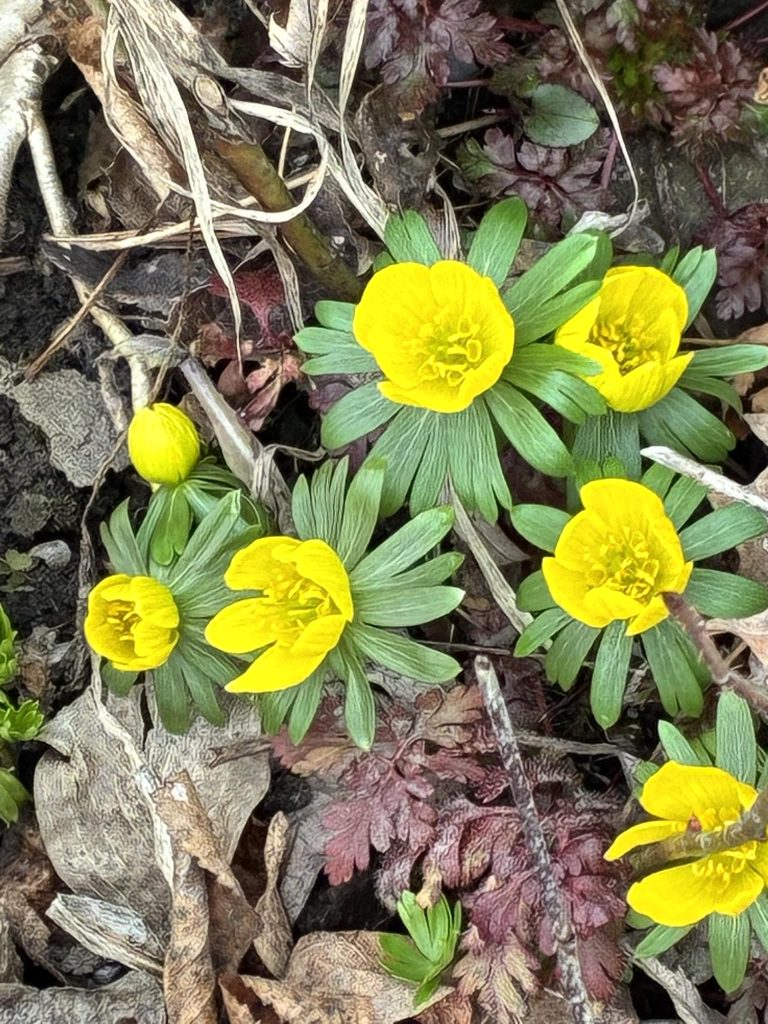
Planting Tips: Soak aconite tubers in water overnight before planting 2–3 inches deep in well-drained soil. Space them 3–4 inches apart. They prefer sunny or lightly shaded spots under deciduous trees. Water after planting to help establish roots.
Why Choose Winter Aconites? These early bloomers are perfect for woodland gardens or borders. They naturalize easily, creating carpets of yellow that brighten cold mornings. Their hardiness ensures reliable blooms year after year.
8. Pasque Flower (Pulsatilla vulgaris)
Pasque flowers, also called wind flowers, are small perennials with furry, trumpet-shaped blooms. They’re among the first to flower in spring, adding delicate charm to gardens.
- Scientific Name: Pulsatilla vulgaris
- USDA Hardiness Zones: 4–8
- Color Variations: Purple, red, white
- Sun Exposure: Full sun to part shade
- Mature Size: 6–12 inches tall, 12–18 inches wide
- Lifespan: Long-lived perennial
- Toxicity: Mildly toxic if ingested; may cause skin irritation
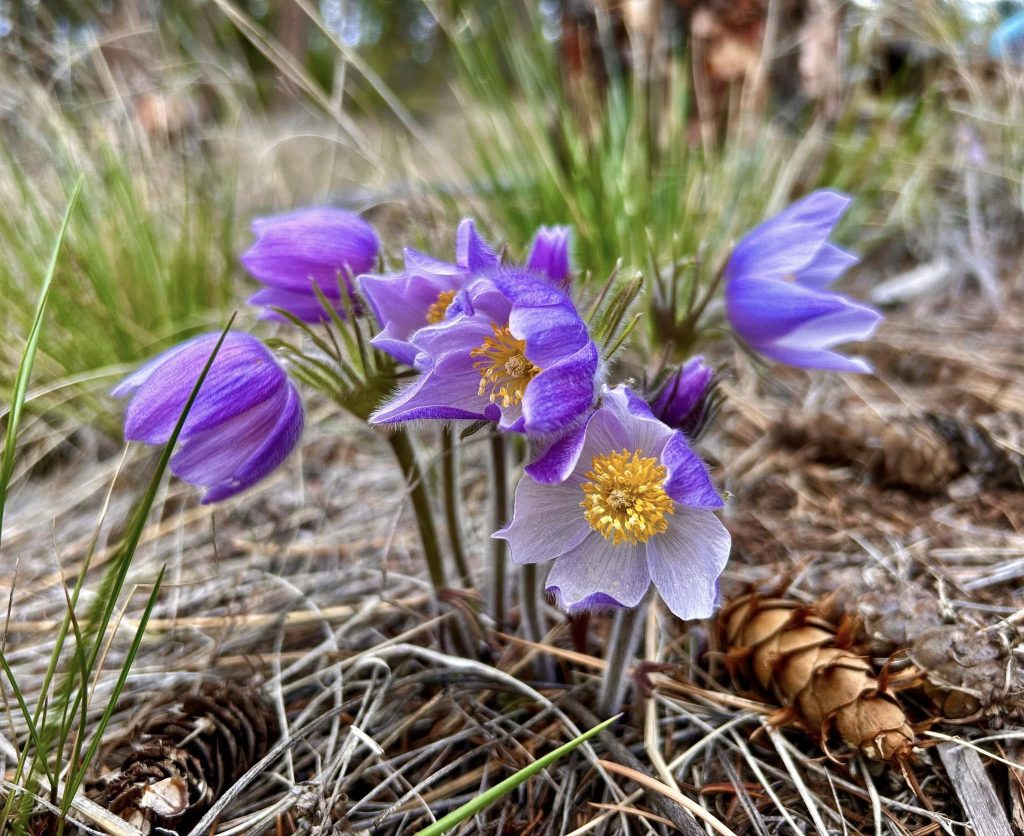
Planting Tips: Plant in September in well-drained, slightly alkaline soil. Space plants 12–15 inches apart. They thrive in sunny spots or light shade. Deadhead to encourage prolonged blooming.
Why Choose Pasque Flowers? Their unique texture and early blooms make pasque flowers stand out. They’re low-maintenance and perfect for rock gardens or borders, attracting pollinators with ease.
9. Grecian Windflower (Anemone blanda)
Grecian windflowers are low-growing bulbs that produce daisy-like blooms in early spring. They’re ideal for naturalizing or adding color to shady spots.
- Scientific Name: Anemone blanda
- USDA Hardiness Zones: 4–8
- Color Variations: Blue, pink, white, bicolor
- Sun Exposure: Full sun to part shade
- Mature Size: 4–6 inches tall, 4–6 inches wide
- Lifespan: Perennial, naturalizing over time
- Toxicity: Mildly toxic if ingested
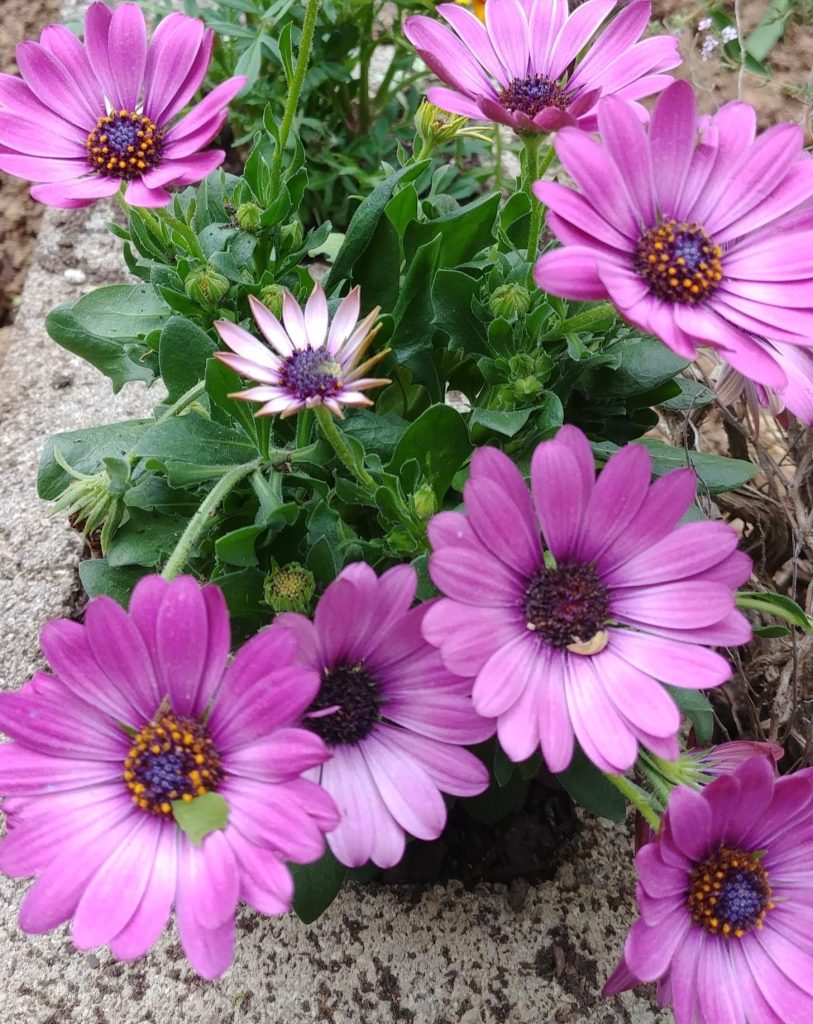
Planting Tips: Plant tubers 2–3 inches deep in well-drained soil. Space them 3–4 inches apart. They thrive in sunny or partially shaded areas. Soak tubers before planting to encourage germination.
Why Choose Grecian Windflowers? These petite flowers create a carpet of color in early spring. Their ferny foliage and delicate blooms are perfect for woodland gardens or under shrubs.
10. Bleeding Heart (Lamprocapnos spectabilis)
Bleeding hearts are shade-loving perennials with heart-shaped flowers on arching stems. They bloom in spring, adding elegance to borders or woodland gardens.
- Scientific Name: Lamprocapnos spectabilis
- USDA Hardiness Zones: 3–9
- Color Variations: Pink, white
- Sun Exposure: Part shade to full shade
- Mature Size: 24–36 inches tall, 18–30 inches wide
- Lifespan: Long-lived perennial
- Toxicity: Toxic to humans and pets if ingested
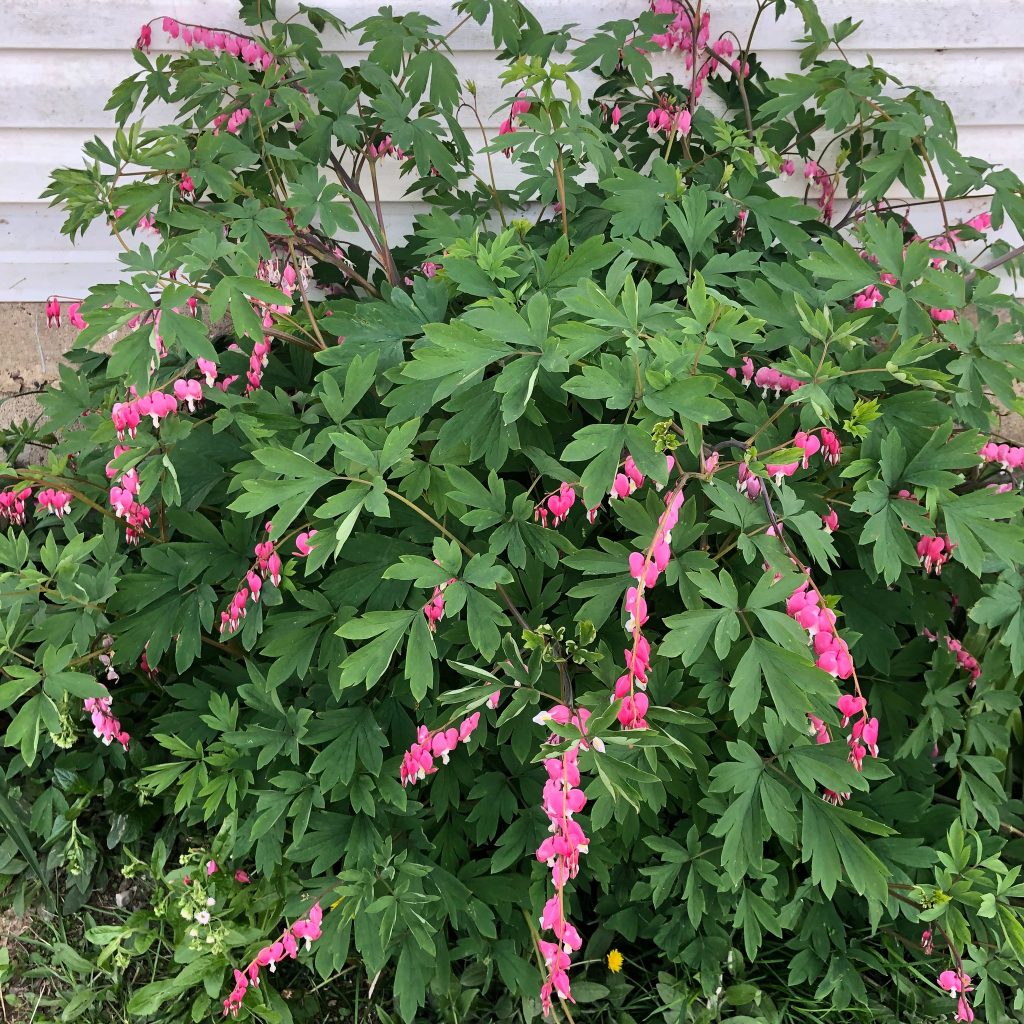
Planting Tips: Plant in September in rich, moist, well-drained soil. Space plants 18–24 inches apart. They thrive in shady spots and need regular watering in full sun. Cut back after blooming to maintain tidiness.
Why Choose Bleeding Hearts? Their unique flowers and lush foliage make bleeding hearts a focal point in shade gardens. They’re low-maintenance once established and bloom reliably each spring.
11. Iceland Poppy (Papaver nudicaule)
Iceland poppies are delicate, cool-climate perennials with vibrant, cup-shaped flowers. They bloom early in spring, adding pops of color to borders or containers.
- Scientific Name: Papaver nudicaule
- USDA Hardiness Zones: 2–7
- Color Variations: Yellow, orange, pink, white
- Sun Exposure: Full sun
- Mature Size: 12–24 inches tall, 12–18 inches wide
- Lifespan: Short-lived perennial, often grown as a biennial
- Toxicity: Mildly toxic if ingested
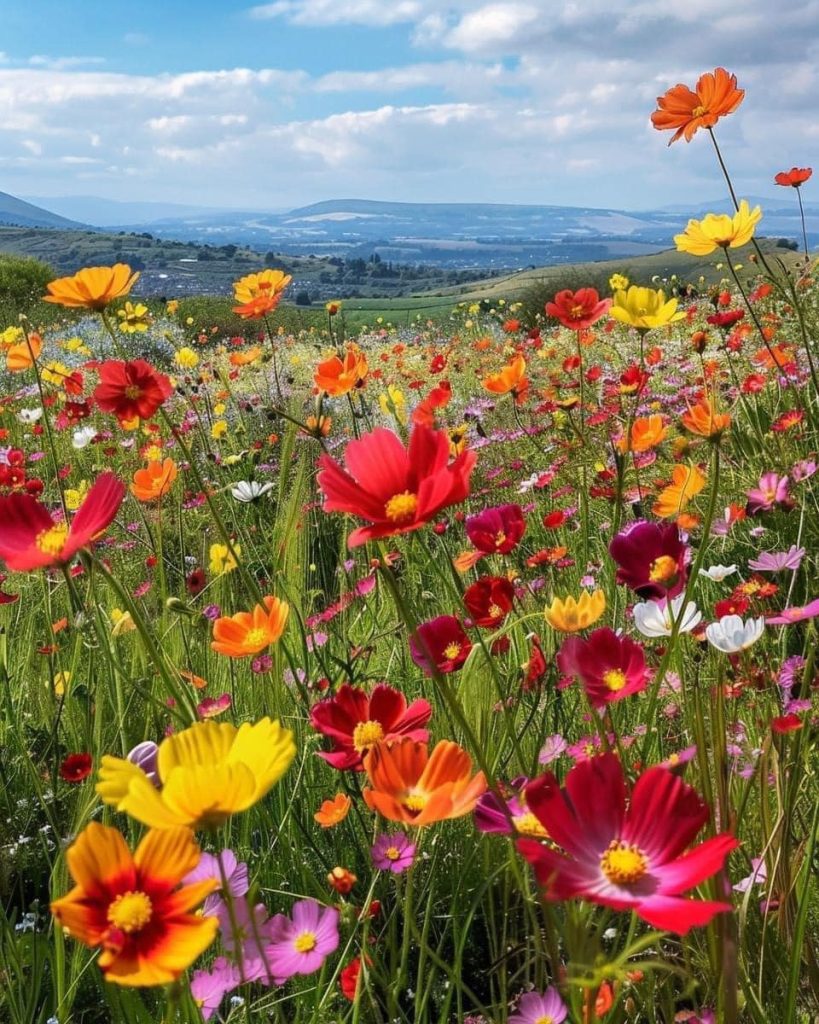
Planting Tips: Sow seeds directly on the soil surface in September, as they need light to germinate. Space seedlings 6–12 inches apart in well-drained soil. Deadhead to prolong blooming.
Why Choose Iceland Poppies? Their bright colors and delicate petals make Iceland poppies a stunning addition to spring gardens. They’re perfect for cutting and thrive in cooler climates.
12. Cornflower (Centaurea cyanus)
Cornflowers are hardy annuals that bloom in spring when sown in September. Their vibrant, pom-pom-like flowers attract pollinators and make great cut flowers.
- Scientific Name: Centaurea cyanus
- USDA Hardiness Zones: 2–11
- Color Variations: Blue, purple, pink, white, red
- Sun Exposure: Full sun to part shade
- Mature Size: 18–24 inches tall, 12–18 inches wide
- Lifespan: Annual, but self-seeds
- Toxicity: Non-toxic, edible flowers
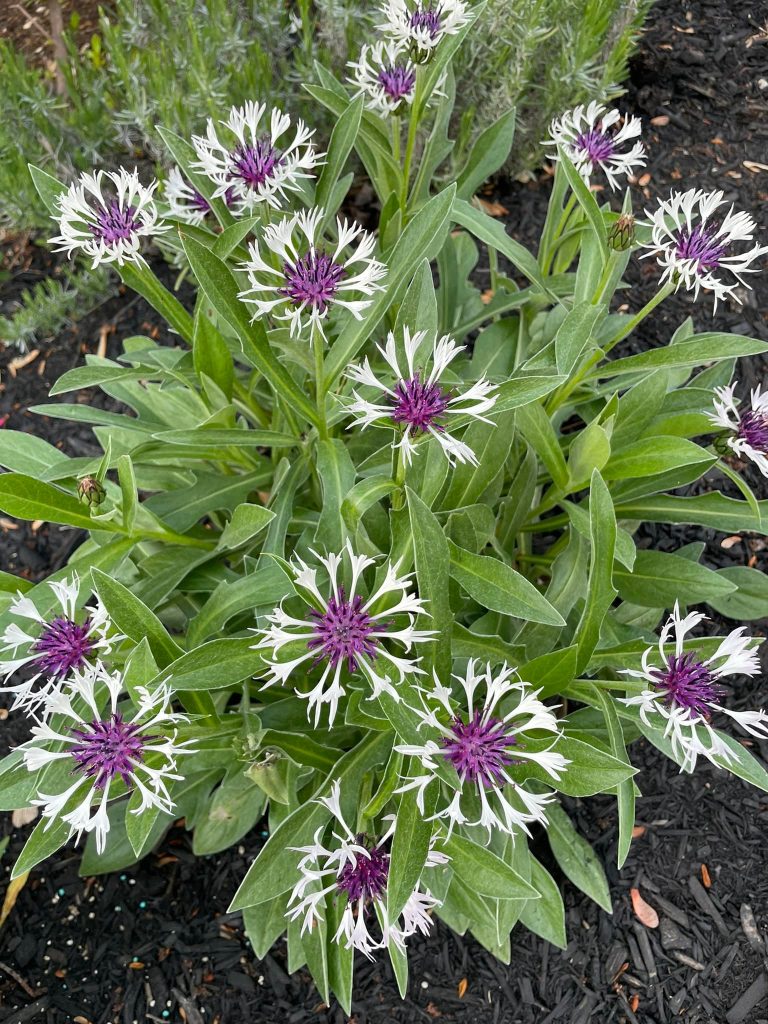
Planting Tips: Scatter seeds lightly over well-drained soil and cover with a thin layer. Water regularly if rainfall is scarce. They tolerate poor soil and overwinter well for early spring blooms.
Why Choose Cornflowers? Cornflowers are low-maintenance and pollinator-friendly. Their edible blooms add color to salads, and their long bloom time extends into summer.
13. Love-in-a-Mist (Nigella damascena)
Love-in-a-mist is a charming annual with delicate flowers surrounded by feathery foliage. It blooms in spring from a September sowing, adding a cottage-garden vibe.
- Scientific Name: Nigella damascena
- USDA Hardiness Zones: 2–11
- Color Variations: Blue, pink, white
- Sun Exposure: Full sun
- Mature Size: 12–24 inches tall, 12–18 inches wide
- Lifespan: Annual, but self-seeds
- Toxicity: Non-toxic, seeds are edible
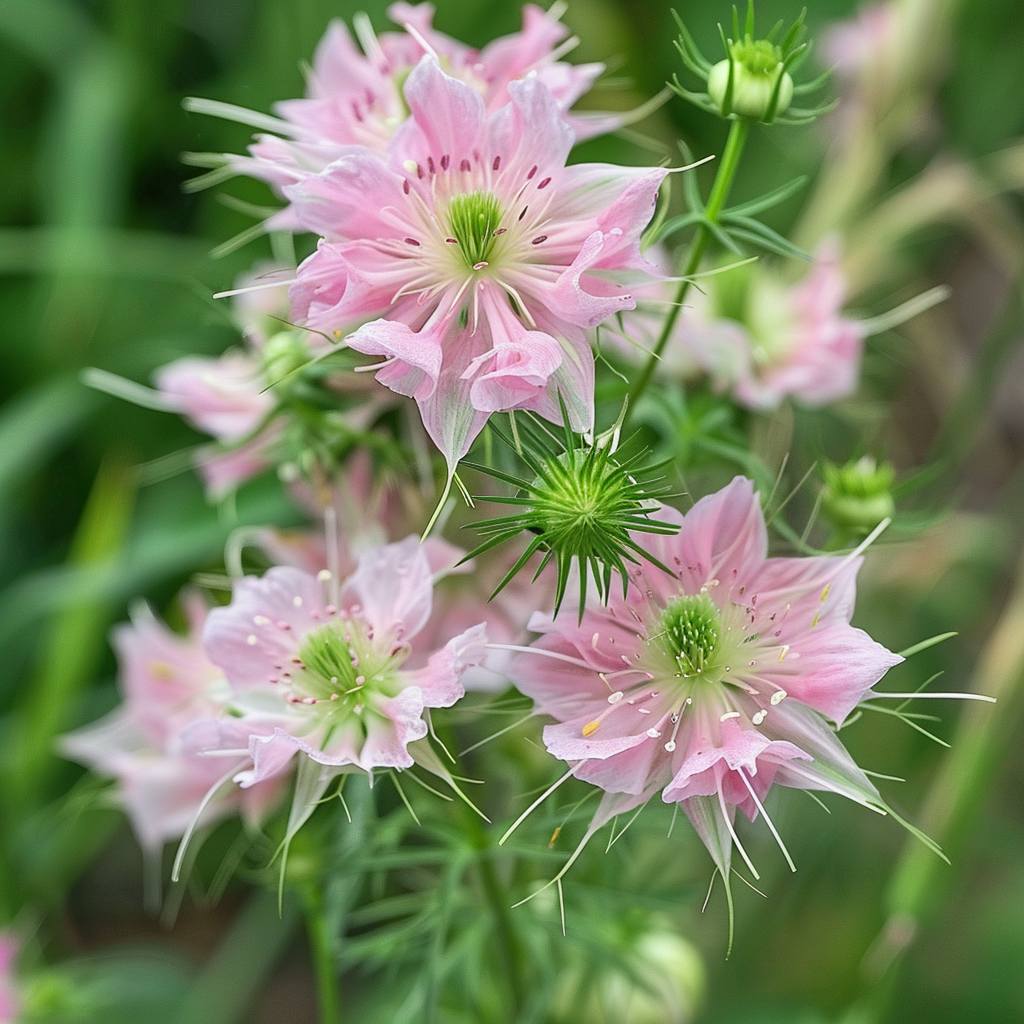
Planting Tips: Sow seeds directly in well-drained, fertile soil in September. Cover lightly and water during dry spells. Thin seedlings to 6–12 inches apart. Deadhead for continuous blooms.
Why Choose Love-in-a-Mist? Its misty foliage and delicate flowers create a romantic look. The edible seeds and self-seeding nature make it a low-effort choice for spring color.
14. Poached Egg Plant (Limnanthes douglasii)
Poached egg plants are low-growing annuals with white flowers and yellow centers. They bloom in early spring, attracting pollinators and serving as ground cover.
- Scientific Name: Limnanthes douglasii
- USDA Hardiness Zones: 4–8
- Color Variations: White with yellow centers
- Sun Exposure: Full sun
- Mature Size: 6 inches tall, 12–18 inches wide
- Lifespan: Annual, but self-seeds
- Toxicity: Non-toxic
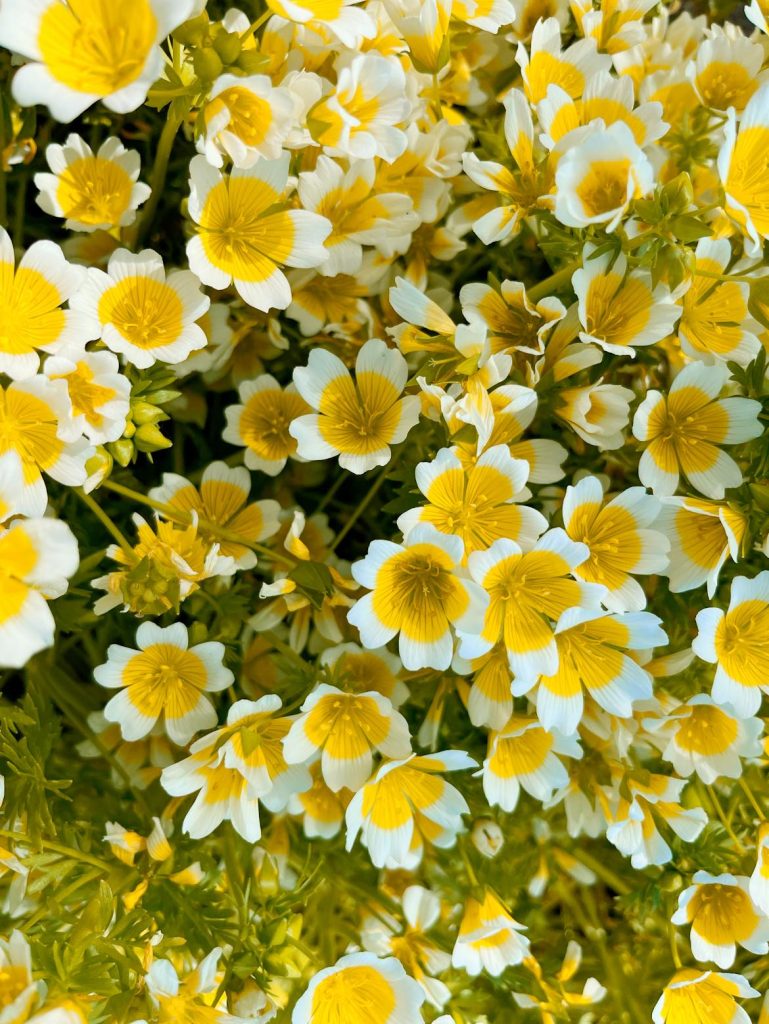
Planting Tips: Scatter seeds thinly over well-drained soil in September. Cover lightly and keep moist. They thrive in sunny spots and make excellent edging plants.
Why Choose Poached Egg Plants? Their cheerful blooms and low height make them perfect for borders or paths. They attract pollinators and self-seed for effortless spring displays.
15. Chinese Forget-Me-Not (Cynoglossum amabile)
Chinese forget-me-nots produce clusters of sky-blue, funnel-shaped flowers. They bloom for about six weeks in spring when sown in September, adding airy beauty to gardens.
- Scientific Name: Cynoglossum amabile
- USDA Hardiness Zones: 5–9
- Color Variations: Blue, pink, white
- Sun Exposure: Full sun to part shade
- Mature Size: 12–24 inches tall, 12–18 inches wide
- Lifespan: Annual or short-lived perennial
- Toxicity: Mildly toxic if ingested
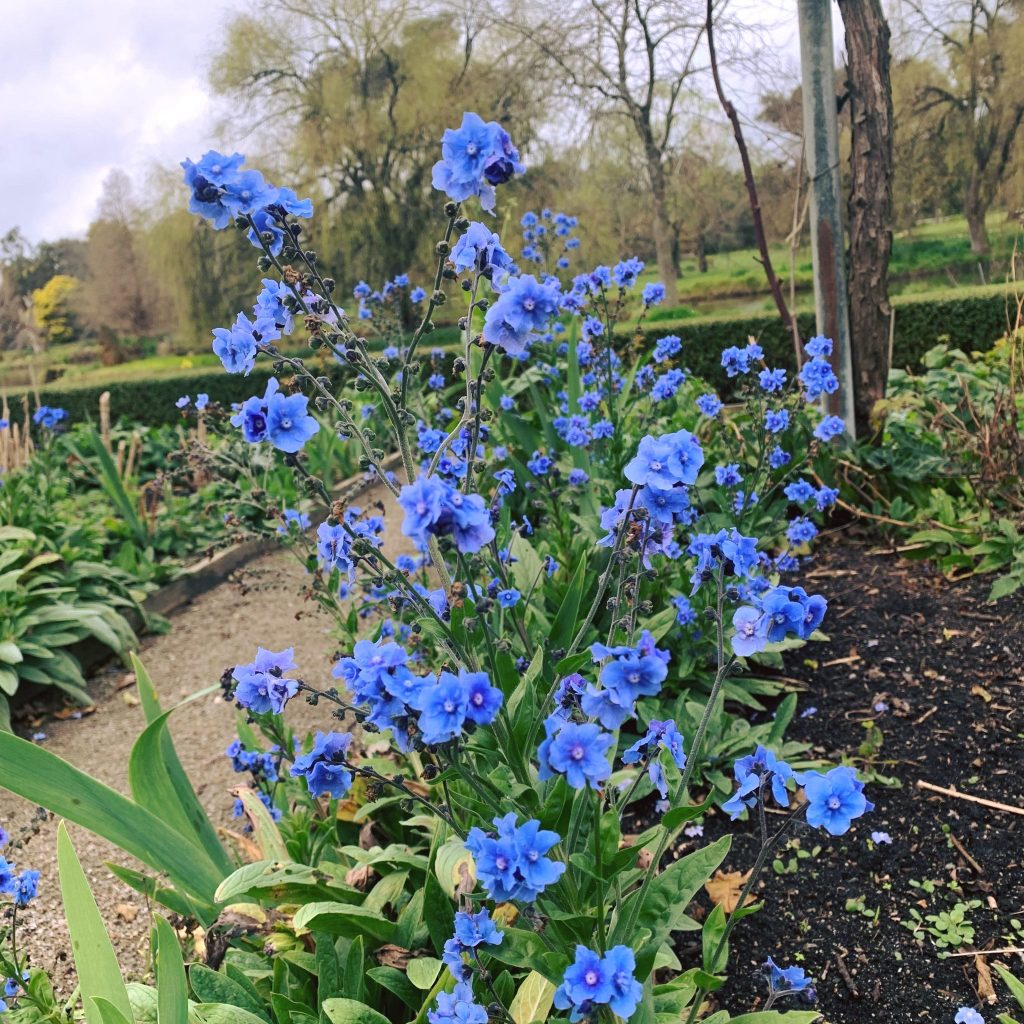
Planting Tips: Sow seeds on the soil surface in September, as they need light to germinate. Space seedlings 6–12 inches apart in well-drained soil. Water during dry periods and deadhead to extend blooming.
Why Choose Chinese Forget-Me-Nots? Their vibrant blue flowers add a soft, airy feel to spring gardens. They’re easy to grow and attract pollinators, making them a great choice for wildlife-friendly gardens.
Tips for Successful September Planting
- Prepare the soil: Ensure well-drained soil enriched with compost or organic matter. Most of these flowers prefer slightly moist but not waterlogged conditions.
- Choose the right spot: Match sun exposure to each plant’s needs. Bulbs like daffodils and tulips need full sun, while hellebores and bleeding hearts thrive in shade.
- Plant at the correct depth: Follow bulb or seed planting depths carefully to ensure strong growth. Bulbs generally go 2–3 times their height deep.
- Water consistently: Keep soil moist after planting to help roots establish before winter. Avoid overwatering to prevent rot.
- Mulch for protection: Apply a light layer of mulch after planting to insulate roots and retain moisture, especially in colder zones.
- Consider USDA Zones: Check your USDA Hardiness Zone to ensure plant suitability. Most of these flowers thrive in Zones 3–8, covering much of the USA.
- Deadhead for longevity: Remove spent flowers on perennials like hellebores and pasque flowers to encourage more blooms and maintain tidiness.
- Plan for pollinators: Many of these flowers, like cornflowers and poached egg plants, attract bees and butterflies, boosting garden health.
- Protect against pests: Daffodils and crocuses are deer-resistant, but monitor for rodents that may dig up bulbs. Use mesh or gravel to deter them.
- Label your plantings: Mark bulb locations to avoid disturbing them in spring. This is especially helpful for naturalizing bulbs like crocuses and aconites.
Creating a Spring Bloom Schedule
To maximize your garden’s impact, plant a mix of these flowers for a continuous display from late winter to mid-spring. Here’s a rough bloom timeline:
- Late Winter (February–March): Winter aconite, crocus, hellebore
- Early Spring (March–April): Daffodil, tulip, hyacinth, pasque flower, Grecian windflower
- Mid Spring (April–May): Bleeding heart, Iceland poppy, cornflower, love-in-a-mist, poached egg plant, Chinese forget-me-not
Combine early bloomers with later ones to ensure color from February through May. For example, plant crocuses and hellebores for late winter, followed by daffodils and tulips, then cornflowers and poppies for a seamless transition.
Designing Your Spring Garden
These 15 early spring flowers offer endless design possibilities. Here are some ideas to inspire your garden layout:
- Woodland garden: Plant hellebores, bleeding hearts, winter aconites, and Grecian windflowers under deciduous trees for a natural, shady display.
- Rock garden: Use crocuses, pasque flowers, and grape hyacinths for low-growing, colorful accents among rocks or gravel.
- Borders and beds: Combine tulips, daffodils, and hyacinths for bold spring color, with cornflowers and love-in-a-mist for a softer, cottage-garden feel.
- Containers: Hyacinths, tulips, and Iceland poppies shine in pots, adding vibrant color to patios or small spaces.
- Naturalized lawns: Scatter crocuses, grape hyacinths, and poached egg plants in grassy areas for a wildflower meadow effect.
Mix heights, colors, and textures for visual interest. For example, pair tall bleeding hearts with low-growing crocuses, or combine blue grape hyacinths with yellow daffodils for contrast.
Caring for Your Spring Flowers
Once planted, these flowers require minimal care, but a few practices ensure success:
- Watering: Keep soil moist but not soggy during establishment. Most become drought-tolerant once established.
- Fertilizing: Add compost or a balanced fertilizer in fall to boost root growth. Avoid high-nitrogen fertilizers to prevent excessive foliage.
- Dividing perennials: Divide hellebores, bleeding hearts, and pasque flowers every 3–4 years to maintain vigor.
- Protecting bulbs: In warmer zones (7–8), dig up tulips and hyacinths after foliage dies back to store for next season.
- Pest control: Monitor for slugs or rodents, especially with bulbs. Use organic deterrents like crushed eggshells or copper tape.
Environmental Benefits of These Flowers
Many of these flowers support pollinators, making them eco-friendly choices. Cornflowers, poached egg plants, and grape hyacinths attract bees and butterflies, boosting biodiversity. Daffodils and crocuses are deer-resistant, reducing the need for chemical deterrents.
Naturalizing bulbs like aconites and grape hyacinths spread over time, reducing replanting efforts and promoting sustainable gardening.
Common Mistakes to Avoid
- Planting too shallow: Bulbs planted too close to the surface may fail to bloom or be dug up by animals.
- Ignoring soil drainage: Poorly drained soil leads to bulb rot. Amend heavy soils with compost or grit.
- Overwatering: Excess moisture can cause fungal issues, especially for bulbs like hyacinths or tulips.
- Planting in wrong Zones: Check your USDA Zone to avoid planting flowers that can’t survive your winters.
- Neglecting deadheading: Failing to remove spent flowers reduces bloom time for perennials like hellebores or Iceland poppies.
Conclusion
Planting flowers in September sets the stage for a breathtaking spring garden. From the cheerful trumpets of daffodils to the delicate hearts of bleeding hearts, these 15 flowers offer diverse colors, sizes, and bloom times to suit any USA garden.
By choosing plants suited to your USDA Zone, preparing the soil, and following proper planting techniques, you’ll enjoy vibrant blooms as early as February. These flowers are not only beautiful but also low-maintenance, pollinator-friendly, and long-lasting, making them perfect for gardeners of all levels.

Tim M Dave is a gardening expert with a passion for houseplants, particularly cacti and succulents. With a degree in plant biology from the University of California, Berkeley, he has vast experience in gardening. Over the years, he has cultivated a vast collection of desert plants and learned a great deal about how to grow and care for these unique companions.