15 Flowers That Bloom at Night: Best Picks For Magical Moon Garden
When the sun sets, most gardens fade into darkness. But some flowers come alive under the moonlight. Night-blooming flowers are nature’s secret performers, unfurling their petals and releasing sweet fragrances after dusk.
These plants are ideal for moon gardens, patios, or any other area where you enjoy evening relaxation. Many release intoxicating scents to attract nocturnal pollinators like moths and bats. I love sitting on my porch, surrounded by their fragrance.
Flowers That Bloom at Night
Here are flowers that bloom at night, unveiling their soft, vibrant colors. These picks are low-maintenance and add unique charm to any landscape.
1. Moonflower (Ipomoea alba)
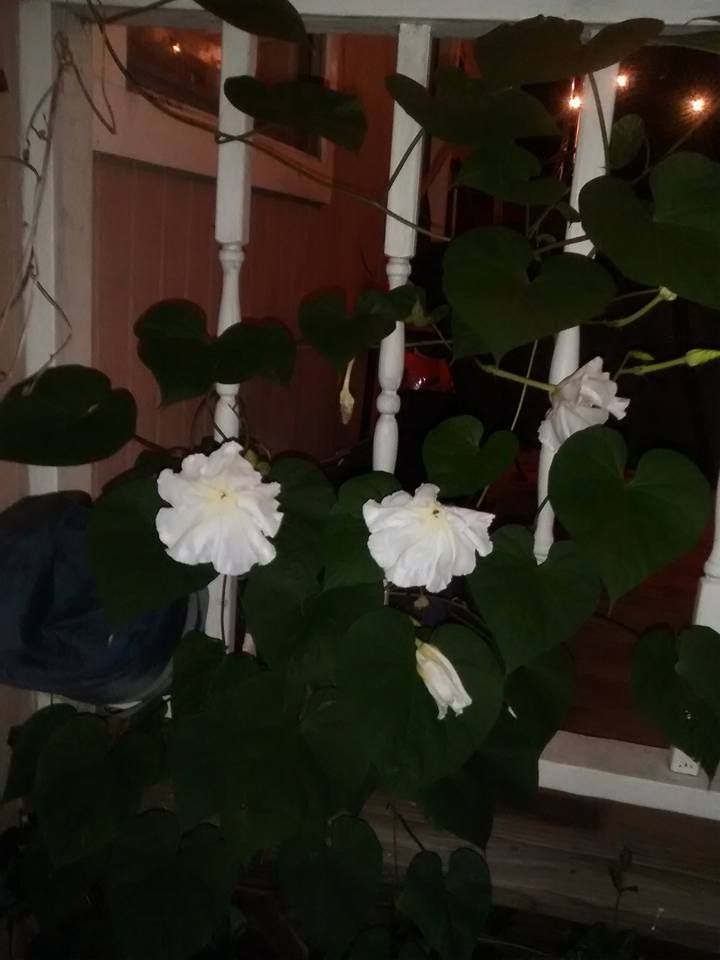
Moonflowers are the stars of any moon garden. These tropical vines produce enormous, trumpet-shaped blooms that glow white under the stars. Each flower, up to 6 inches wide, unfurls in minutes at dusk—a mesmerizing show I’ve watched with awe.
Their heart-shaped leaves add lush greenery, and their sweet, jasmine-like fragrance fills the air. Native to tropical Americas, they’re steeped in folklore as symbols of mystery. I drape mine over a trellis, where they create a romantic curtain. Pollinated by moths, they’re perfect for evening gardens.
Features
- Scientific Name: Ipomoea alba
- USDA Zones: 10–12 (grown as an annual in cooler zones)
- Color Variation: White, occasionally pale pink
- Sun Exposure: Full sun (6+ hours daily)
- Mature Size: 10–20 feet tall, 6 feet wide
- Lifespan: Annual in most climates, perennial in Zones 10–12
- Toxicity: Toxic to humans and pets. Seeds are hallucinogenic.
Care Tips
Plant in fertile, well-drained soil. I soak seeds overnight to speed germination. Provide a sturdy trellis or fence. Water regularly, but avoid soggy roots. Fertilize monthly with a balanced (10-10-10) fertilizer. Prune to control growth. In cooler zones, grow as an annual or overwinter indoors.
Common Problems
- Pests: Aphids and spider mites. Spray with insecticidal soap.
- Poor blooming: Needs full sun. Relocate if shaded.
- Invasive spread: Deadhead to prevent self-seeding.
2. Night-Blooming Jasmine (Cestrum nocturnum)
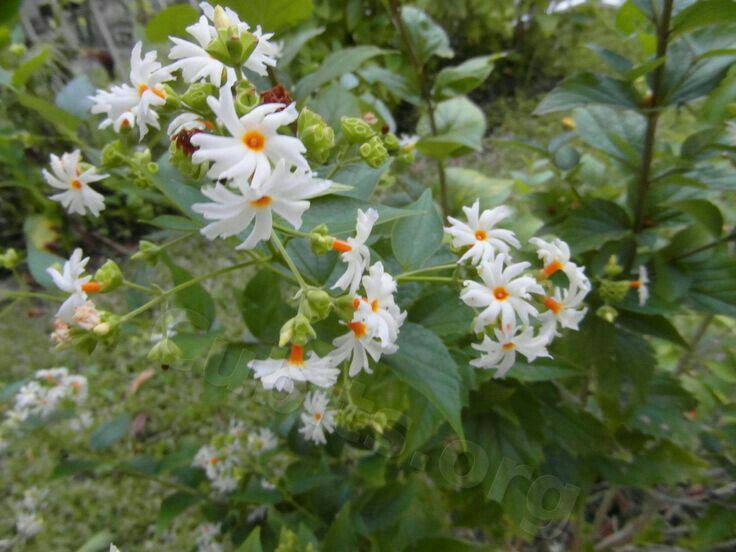
Night-blooming jasmine is a fragrance powerhouse. Despite its name, it’s not a true jasmine but a member of the Solanaceae family. Its slender, tubular flowers, clustered in groups, open at night to release a heady, sweet scent that carries for yards.
I planted mine near my patio, and its perfume transforms my evenings. The shrub’s glossy, evergreen leaves add year-round appeal in warm climates. In tropical regions, it’s revered for its intoxicating aroma, often used in perfumes. It’s a must for cozy night gardens.
Features
- Scientific Name: Cestrum nocturnum
- USDA Zones: 8–11
- Color Variation: White to greenish-yellow
- Sun Exposure: Full sun to partial shade
- Mature Size: 6–15 feet tall, 4–6 feet wide
- Lifespan: Perennial, 10–20 years
- Toxicity: Toxic to humans and pets. May irritate the respiratory system.
Care Tips
Plant in well-drained, acidic to neutral soil. Water regularly, especially in summer. I fertilize with a bloom-booster (10-20-10) in spring. Prune after flowering to shape. Mulch roots in Zone 8 for winter protection. Grow in containers in cooler zones.
Common Problems
- Overgrowth: Prune annually to manage size.
- Pests: Whiteflies and aphids. Use neem oil.
- Invasive: Remove seedlings in warm climates.
3. Evening Primrose (Oenothera biennis)
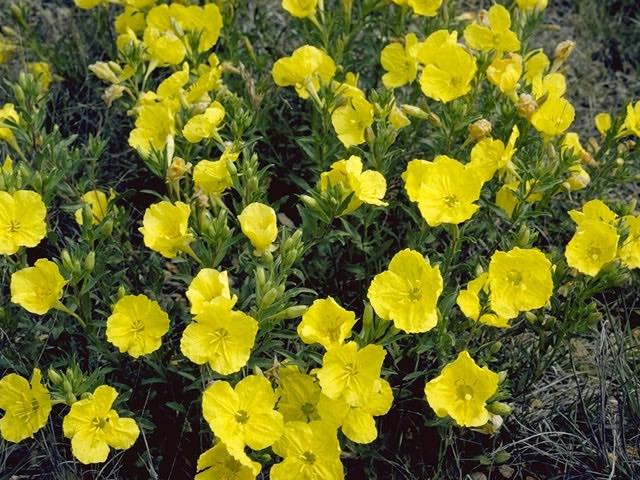
Evening primrose is a charming native wildflower. Its delicate, saucer-shaped blooms open at dusk, glowing yellow against slender stems. The lemony fragrance draws moths and evening breezes. I love its wild, meadow-like vibe in my garden.
Native to North America, it’s been used for centuries in herbal medicine for its seeds’ oil. Its rosette of leaves forms in the first year, with flowers in the second. It’s perfect for borders or naturalistic landscapes, adding a soft glow to summer nights.
Features
- Scientific Name: Oenothera biennis
- USDA Zones: 4–9
- Color Variation: Yellow, some varieties pink or white
- Sun Exposure: Full sun to partial shade
- Mature Size: 3–5 feet tall, 1–2 feet wide
- Lifespan: Biennial, 2 years
- Toxicity: Mildly toxic. Wear gloves when handling.
Care Tips
Plant in sandy, well-drained soil. I water sparingly, as it’s drought-tolerant. Sow seeds in fall for blooms the next year. Deadhead to extend flowering. No fertilizer needed in fertile soil.
Common Problems
- Self-seeding: Mulch to control spread.
- Powdery mildew: Improve air circulation. Use fungicide if severe.
- Aphids: Spray with water or insecticidal soap.
4. Night Phlox (Zaluzianskya ovata)
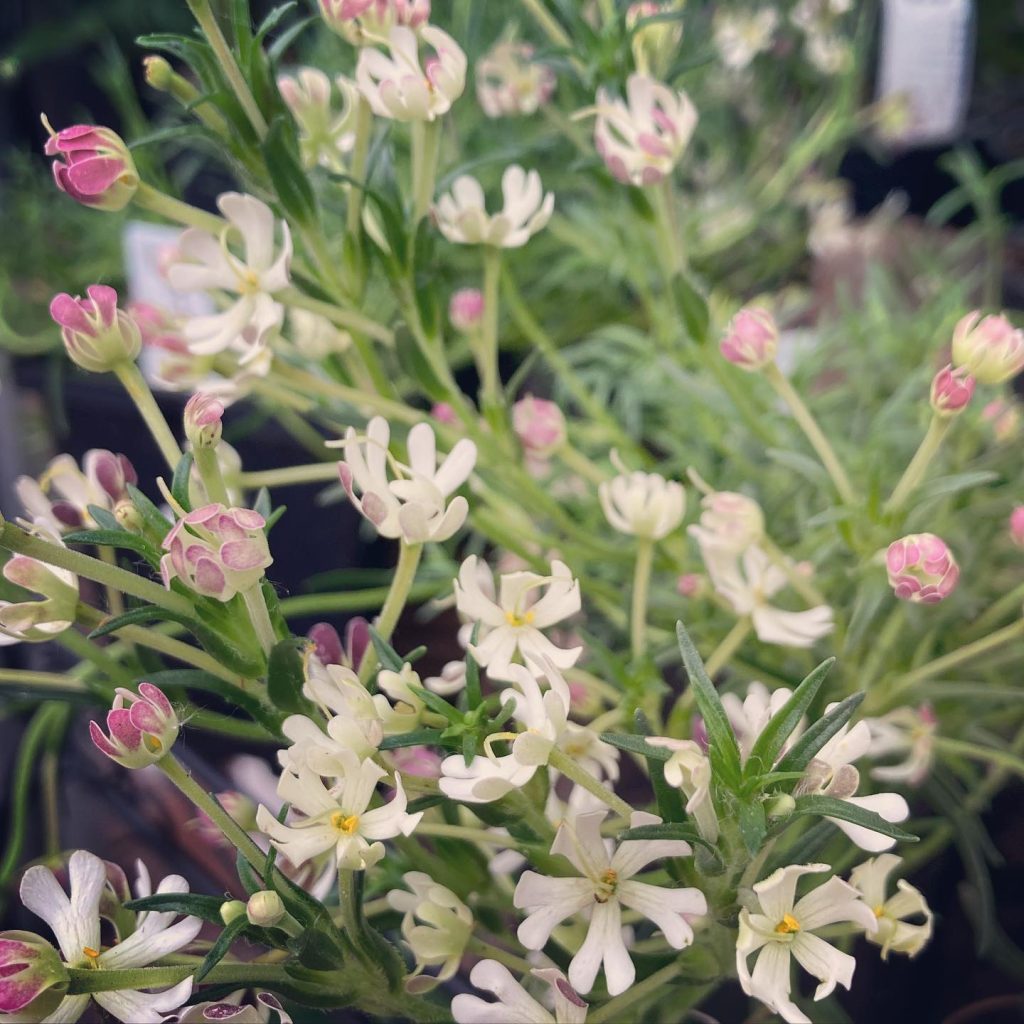
Night phlox, a South African native, is a compact treasure. Its star-shaped flowers, white with pink or red centers, open at dusk, exuding a honey-like scent. I grow mine in pots, where their low mounds of fuzzy leaves add texture.
The blooms close up by morning, making their nighttime display special. In their native habitat, they thrive in rocky soils, attracting nocturnal pollinators. I find them perfect for edging paths or filling containers with evening charm.
Features
- Scientific Name: Zaluzianskya ovata
- USDA Zones: 9–11 (annual in cooler zones)
- Color Variation: White with pink or red centers
- Sun Exposure: Full sun to partial shade
- Mature Size: 1–2 feet tall and wide
- Lifespan: Annual or short-lived perennial
- Toxicity: Non-toxic
Care Tips
Plant in moist, well-drained soil. I water regularly but avoid overwatering. Fertilize lightly with a balanced formula. Pinch back for bushiness. Grow as an annual in Zones 8 and below.
Common Problems
- Poor drainage: Ensure well-drained soil to avoid root rot.
- Fading blooms: Deadhead to prolong flowering.
- Slugs: Use traps or organic slug bait.
5. Tuberose (Polianthes tuberosa)
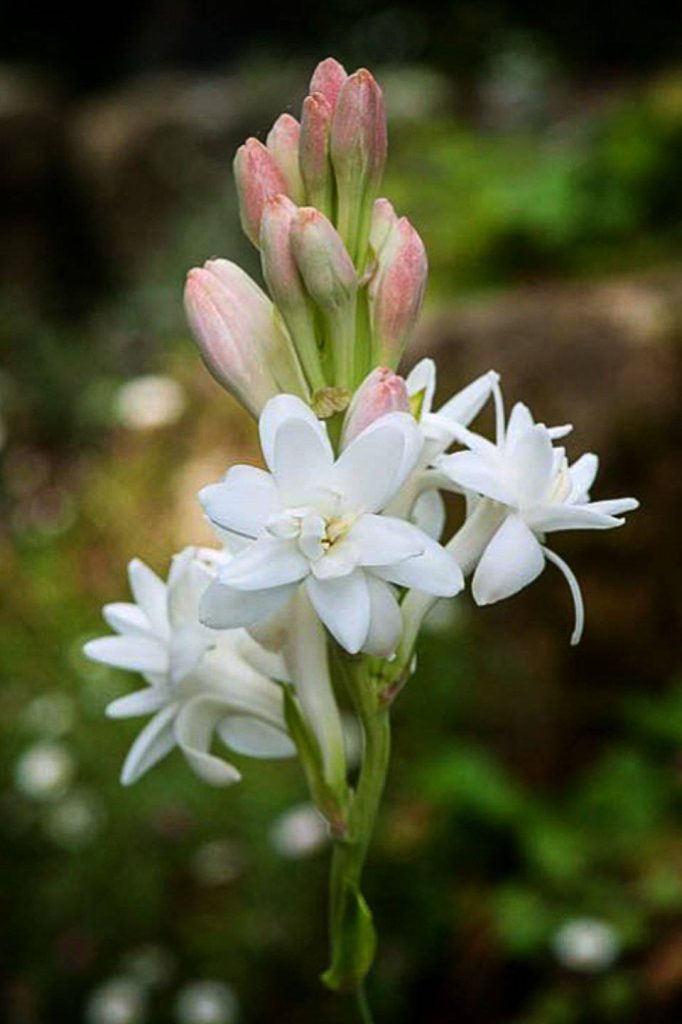
Tuberose is a fragrance icon. Its tall spikes of waxy, white flowers bloom in late summer, releasing a rich, perfume-like scent. I cut mine for vases, and they fill my home with sweetness. Native to Mexico, tuberose has been cultivated for centuries in perfumes and rituals.
Its glossy, grass-like leaves form a base for the elegant flower stalks. In warm climates, it’s a garden staple, adding sophistication to moonlit borders.
Features
- Scientific Name: Polianthes tuberosa
- USDA Zones: 7–11 (annual in cooler zones)
- Color Variation: White
- Sun Exposure: Full sun
- Mature Size: 2–4 feet tall, 1–2 feet wide
- Lifespan: Perennial, 5–10 years
- Toxicity: Non-toxic
Care Tips
Plant bulbs in spring, 2 inches deep. I space mine 6 inches apart. Water regularly during growth. Fertilize with a high-phosphorus formula. Stake tall stems. Dig bulbs for winter storage in cold zones.
Common Problems
- Rotting bulbs: Ensure good drainage.
- Pests: Aphids and thrips. Use insecticidal soap.
- Weak stems: Stake early to support blooms.
6. Casa Blanca Lily (Lilium ‘Casa Blanca’)
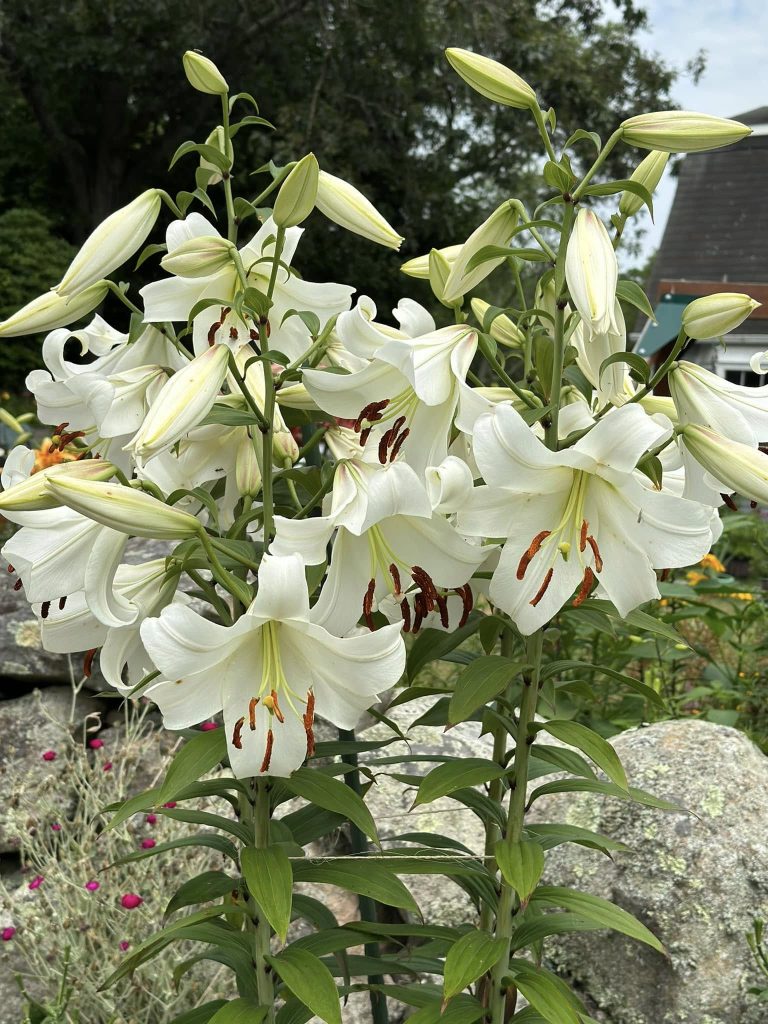
Casa Blanca lilies are the epitome of elegance. Their large, bowl-shaped flowers, pure white with red-brown anthers, open at night, emitting a tropical, heady fragrance. I planted mine near a bench, where their glow and scent create a serene vibe.
A hybrid of Oriental lilies, they’re prized for cut flowers and moon gardens. Their broad, lance-shaped leaves add lushness. These lilies are a statement piece, perfect for romantic evening settings.
Features
- Scientific Name: Lilium ‘Casa Blanca’
- USDA Zones: 5–8
- Color Variation: White with red-brown anthers
- Sun Exposure: Full sun to partial shade
- Mature Size: 3–4 feet tall, 1–2 feet wide
- Lifespan: Perennial, 5–10 years
- Toxicity: Highly toxic to cats, moderately toxic to dogs and humans
Care Tips
Plant bulbs in fall, 6 inches deep. Use rich, well-drained soil. I water weekly. Fertilize with bulb fertilizer in spring. Deadhead spent blooms. Protect from lily leaf beetles with neem oil.
Common Problems
- Lily leaf beetles: Hand-pick or use neem oil.
- Lily mosaic virus: Remove affected plants.
- Bulb rot: Avoid wet soil.
7. Angel’s Trumpet (Brugmansia spp.)
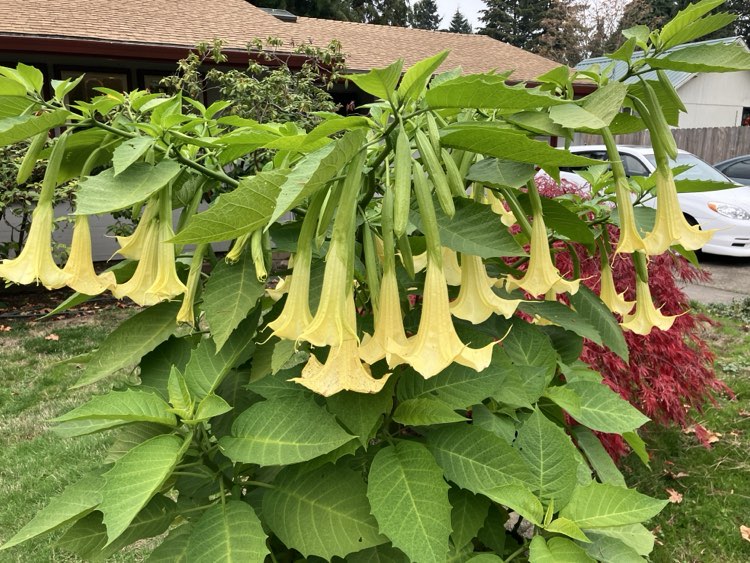
Angel’s trumpet is a showstopper. Its huge, pendulous flowers hang like bells, opening at night with a sweet, exotic scent. I grow mine in a pot, where its dramatic blooms steal the evening spotlight.
Native to South America, it’s revered in tropical cultures for its beauty and spiritual significance. The glossy leaves and woody stems add structure. It’s perfect for patios or as a focal point, but its toxicity demands caution.
Features
- Scientific Name: Brugmansia spp.
- USDA Zones: 8–12
- Color Variation: White, pink, yellow, or peach
- Sun Exposure: Full sun to partial shade
- Mature Size: 4–15 feet tall, 4–10 feet wide
- Lifespan: Perennial, 10–20 years
- Toxicity: Highly toxic. All parts contain alkaloids.
Care Tips
Plant in rich, well-drained soil. I fertilize biweekly in summer. Water regularly. Prune in fall to encourage blooms. Grow in containers in Zones 7 and below. Wear gloves when handling.
Common Problems
- Pests: Spider mites and whiteflies. Use insecticidal soap.
- Frost damage: Bring indoors in winter.
- Toxicity risk: Keep away from kids and pets.
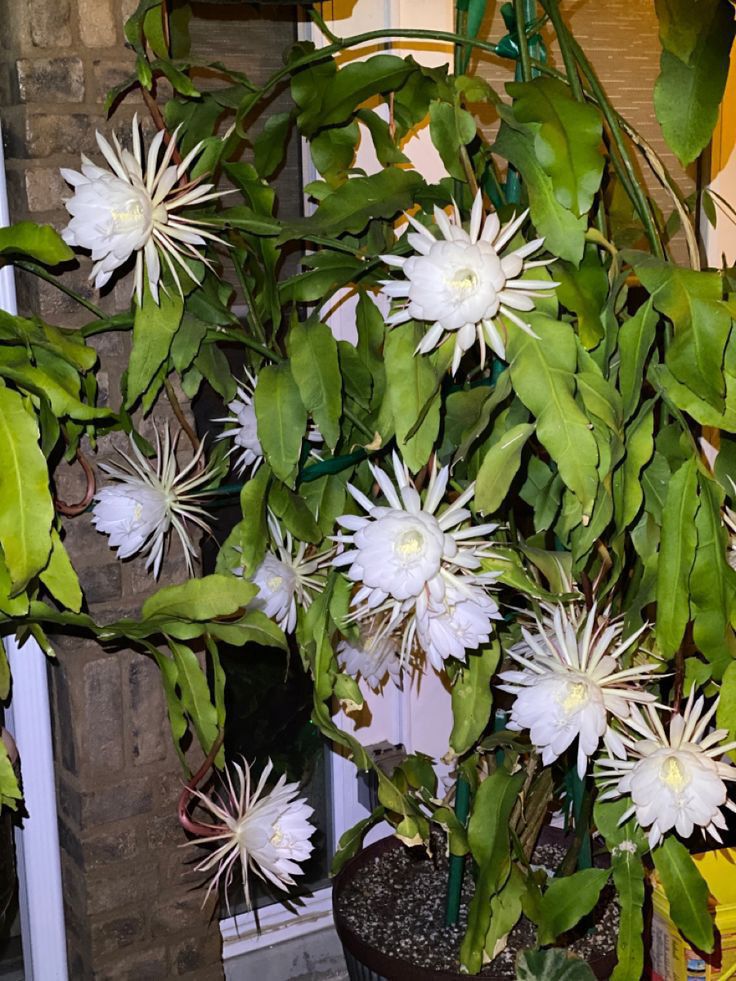
8. Night-Blooming Cereus (Selenicereus grandiflorus)
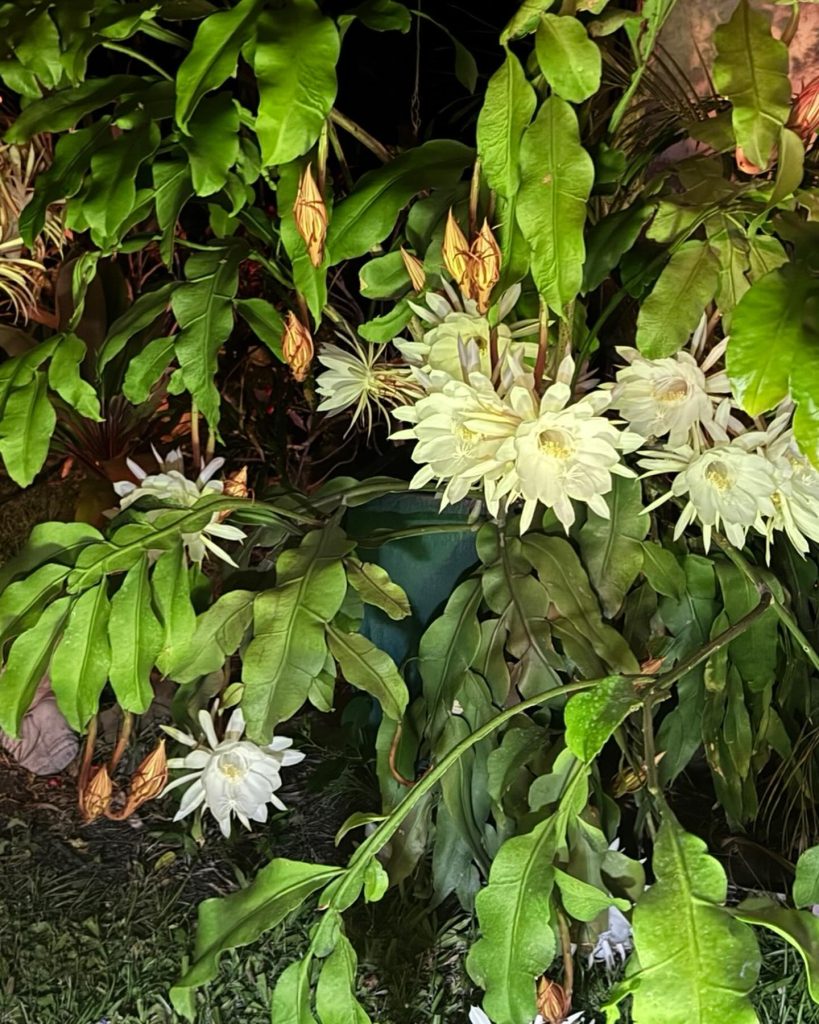
Night-blooming cereus is a desert marvel. This cactus produces massive, star-like flowers that bloom for one night only, filling the air with a vanilla-like scent. I stayed up past midnight to see mine open—pure magic! Its long, rope-like stems sprawl over rocks or pots.
In its native Caribbean and Central American habitats, it’s a rare treat for night hikers. It’s a conversation starter for any moon garden.
Features
- Scientific Name: Selenicereus grandiflorus
- USDA Zones: 10–12
- Color Variation: White with yellow outer petals
- Sun Exposure: Full sun to partial shade
- Mature Size: 5–10 feet tall, 3–5 feet wide
- Lifespan: Perennial, 10–20 years
- Toxicity: Non-toxic, but spines can cause injury
Care Tips
Plant in sandy, well-drained soil. I water monthly in winter. Grow in pots for indoor storage. Provide bright, indirect light indoors. Propagate from stem cuttings. Blooms best when root-bound.
Common Problems
- Overwatering: Causes root rot. Water sparingly.
- No blooms: Needs root-bound conditions.
- Frost: Protect in cooler zones.
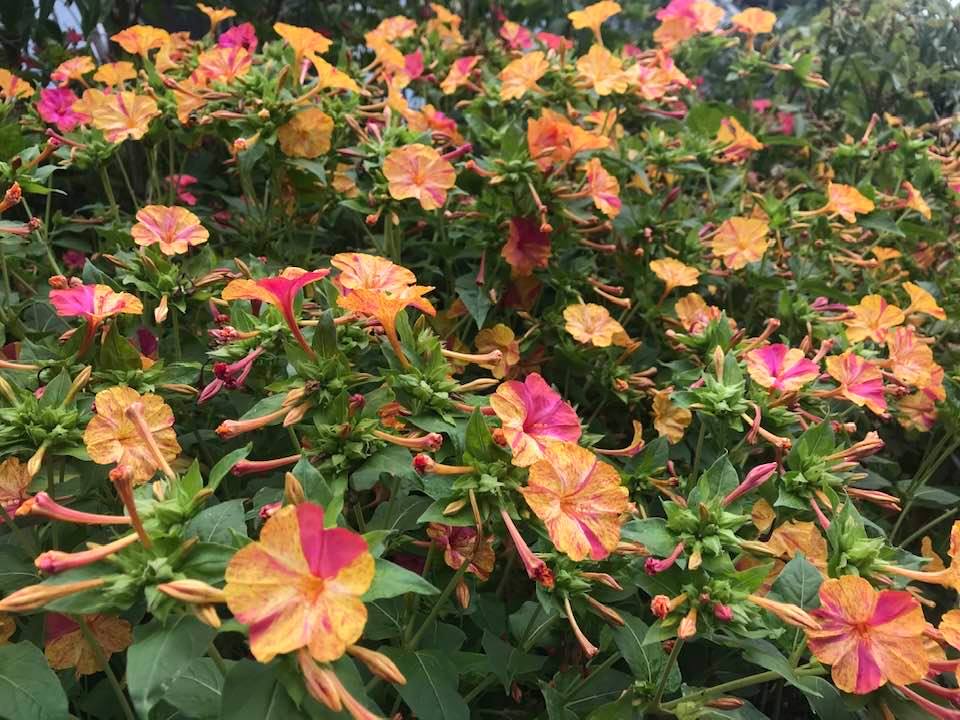
9. Four O’Clocks (Mirabilis jalapa)
Four o’clocks are cheerful and colorful. Their trumpet-shaped flowers open in late afternoon, staying vibrant through the night. I love their sweet fragrance and how they mix colors on one plant—pink, yellow, and white blooms together!
Native to South America, they’re named for their late-day blooming. Their bushy foliage adds fullness to borders. They’re a nostalgic favorite, often found in cottage gardens.
Features
- Scientific Name: Mirabilis jalapa
- USDA Zones: 7–11 (annual in cooler zones)
- Color Variation: White, pink, yellow, purple, or multicolored
- Sun Exposure: Full sun to partial shade
- Mature Size: 2–3 feet tall and wide
- Lifespan: Perennial, 5–10 years
- Toxicity: Mildly toxic. Seeds and roots can cause upset.
Care Tips
Plant in well-drained soil. I sow seeds in spring. Water moderately; they’re drought-tolerant. Fertilize lightly if leaves pale. Deadhead to control self-seeding. Dig tubers for winter in cold zones.
Common Problems
- Self-seeding: Remove spent flowers to limit spread.
- Rust: Treat with fungicide and improve air flow.
- Japanese beetles: Hand-pick or use neem oil.
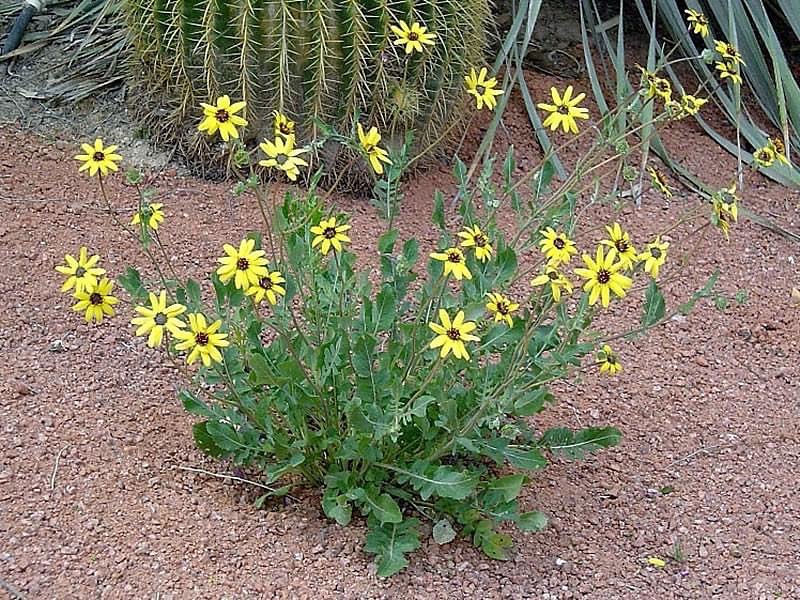
10. Chocolate Daisy (Berlandiera lyrata)
Chocolate daisies are a delightful surprise. Their small, yellow flowers with maroon centers bloom at night, smelling like warm cocoa. I planted mine in a rock garden, where their scent draws evening visitors.
Native to the southwestern U.S., they’re drought-tolerant and rugged. Their gray-green foliage adds a soft texture. These daisies are perfect for low-maintenance gardens or xeriscaping.
Features
- Scientific Name: Berlandiera lyrata
- USDA Zones: 4–10
- Color Variation: Yellow with maroon centers
- Sun Exposure: Full sun
- Mature Size: 1–2 feet tall and wide
- Lifespan: Perennial, 5–8 years
- Toxicity: Non-toxic
Care Tips
Plant in dry, well-drained soil. I water sparingly. No fertilizer needed in good soil. Deadhead to extend blooming. Divide clumps every few years. Thrives in hot, dry conditions.
Common Problems
- Overwatering: Leads to root rot. Ensure drainage.
- Fading blooms: Deadhead regularly.
- Aphids: Spray with insecticidal soap.
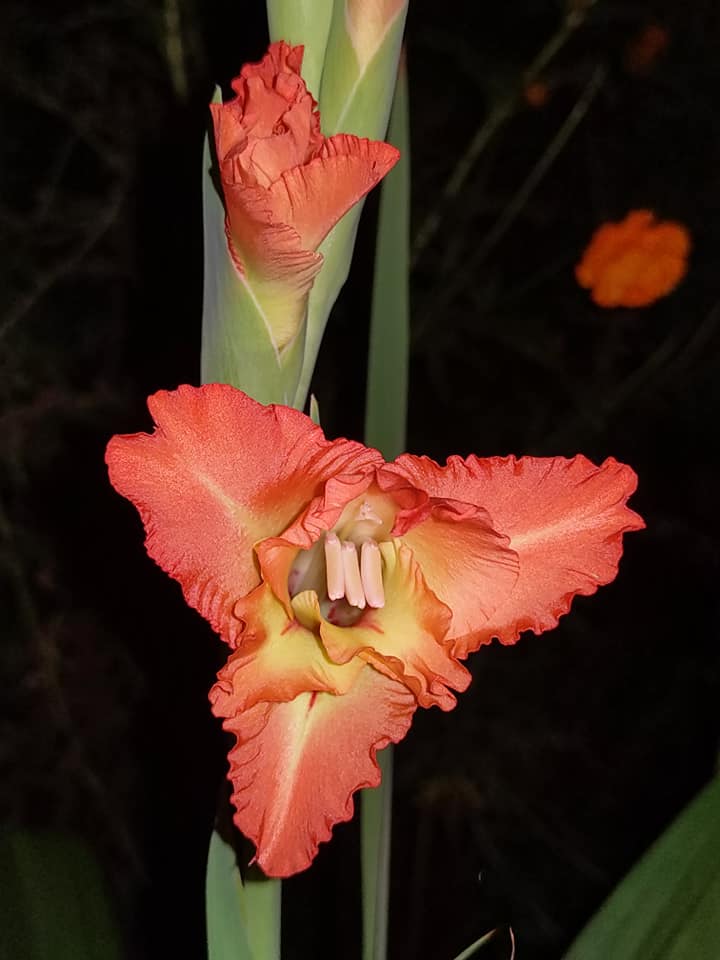
11. Night Gladiolus (Gladiolus tristis)
Night gladiolus is a graceful South African native. Its slender spikes of funnel-shaped flowers open at dusk, releasing a spicy, clove-like scent. The pale yellow or white blooms, sometimes streaked with brown, sway elegantly in the evening breeze.
I love their delicate look in my moon garden. They’re less showy than hybrid gladioli but more fragrant, making them ideal for intimate spaces or borders.
Features
- Scientific Name: Gladiolus tristis
- USDA Zones: 7–10
- Color Variation: Pale yellow or white, sometimes brown-streaked
- Sun Exposure: Full sun
- Mature Size: 3–4 feet tall, 1–2 feet wide
- Lifespan: Perennial, 5–10 years
- Toxicity: Toxic if ingested. May cause skin irritation.
Care Tips
Plant corms in spring, 4 inches deep. Use well-drained soil. I water regularly but avoid sogginess. Fertilize with bulb fertilizer. Stake tall stems. Lift corms in fall in cold zones.
Common Problems
- Rotting corms: Ensure good drainage.
- Thrips: Use insecticidal soap.
- Weak stems: Stake early to support blooms.
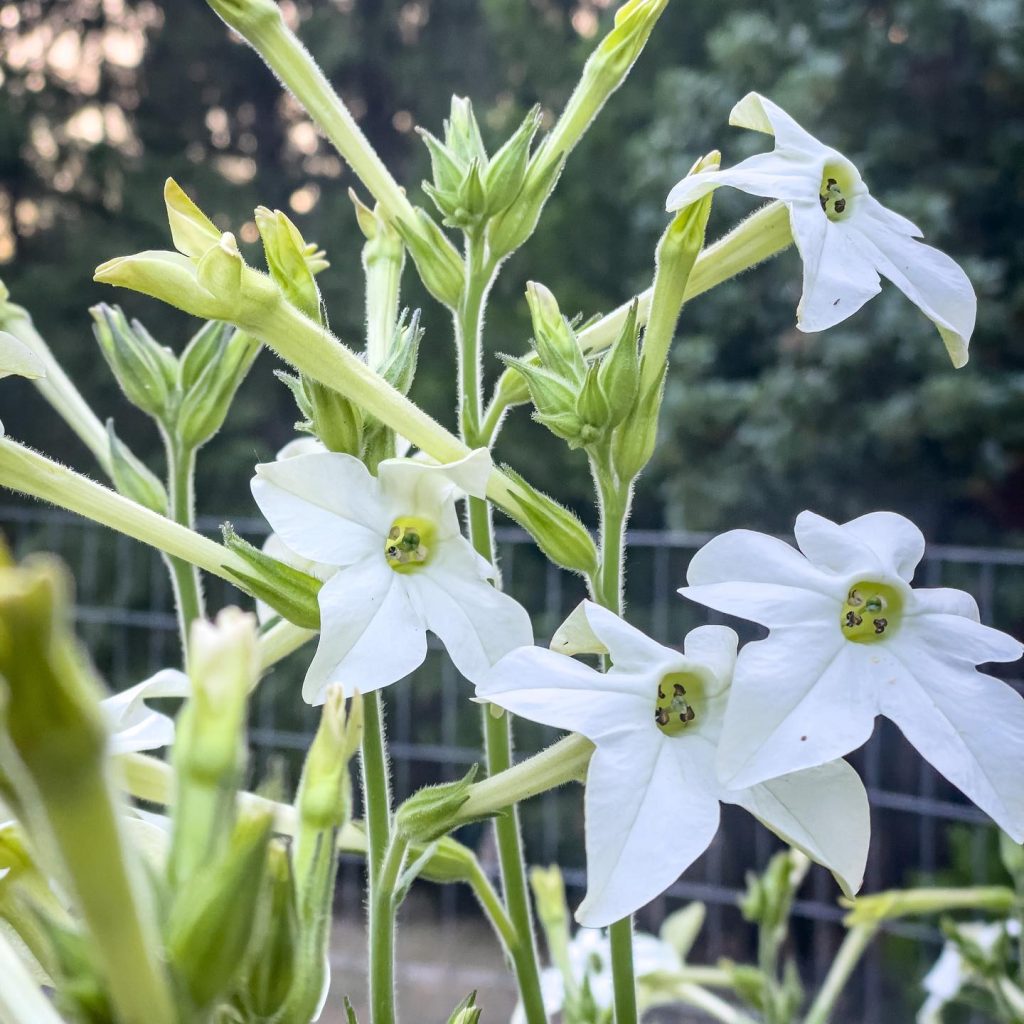
12. Flowering Tobacco (Nicotiana alata)
Flowering tobacco is a fragrant charmer. Its tubular flowers, shaped like tiny trumpets, open at night with a jasmine-like scent. I grow mine near my deck, where their soft glow and perfume enhance summer evenings.
Native to South America, they come in white, pink, or red, adding pops of color. Their sticky leaves trap pests, a quirky trait I find amusing. They’re a magnet for moths and hummingbirds.
Features
- Scientific Name: Nicotiana alata
- USDA Zones: 10–11 (annual in cooler zones)
- Color Variation: White, pink, red, or pale green
- Sun Exposure: Full sun to partial shade
- Mature Size: 3–5 feet tall, 1–2 feet wide
- Lifespan: Annual or short-lived perennial
- Toxicity: Toxic to humans and pets
Care Tips
Plant in rich, well-drained soil. I water regularly and fertilize biweekly with a bloom-booster. Deadhead to prolong blooming. Grow from seed or transplants. Ensure good air circulation.
Common Problems
- Powdery mildew: Avoid overhead watering.
- Aphids: Spray with neem oil.
- Leggy growth: Pinch back for bushiness.
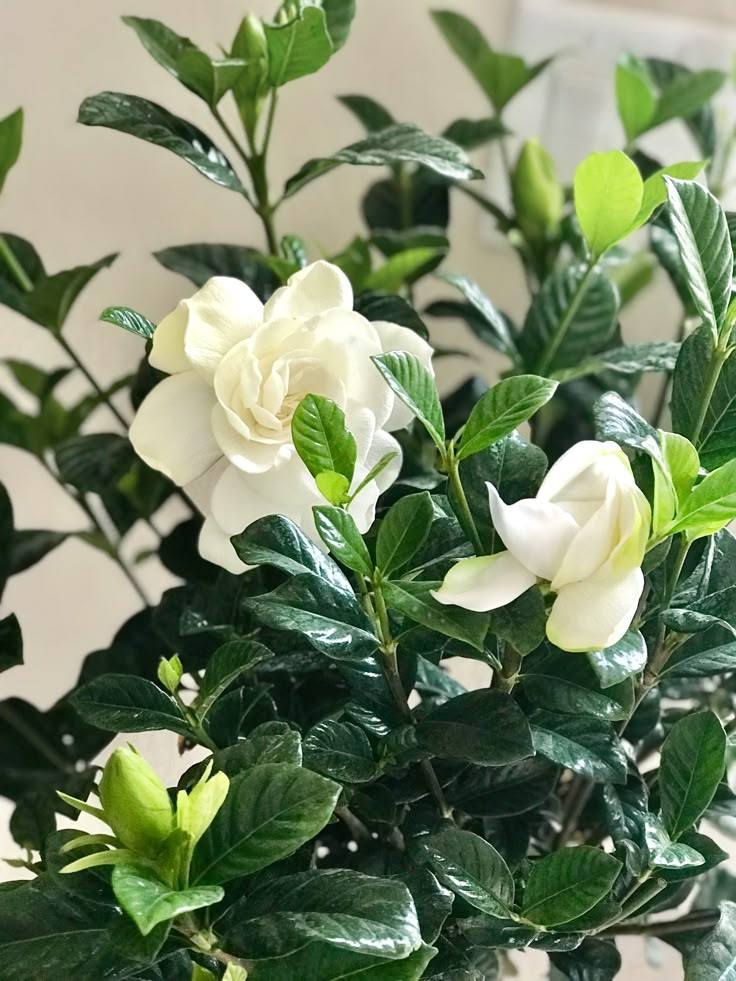
13. Gardenia (Gardenia jasminoides)
Gardenias are the queens of fragrance. Their creamy, rose-like flowers open at night, filling the air with a rich, velvety scent. I planted mine near my porch, where their glossy, evergreen leaves and blooms create a luxurious vibe.
Native to Asia, they’re a staple in Southern U.S. gardens, symbolizing love and purity. Their waxy petals glow under moonlight, perfect for romantic settings.
Features
- Scientific Name: Gardenia jasminoides
- USDA Zones: 8–11
- Color Variation: White
- Sun Exposure: Partial shade to full sun
- Mature Size: 4–8 feet tall and wide
- Lifespan: Perennial, 10–20 years
- Toxicity: Non-toxic
Care Tips
Plant in acidic, well-drained soil (pH 5.0–6.5). I water regularly and mulch to keep roots cool. Fertilize with acid-loving plant fertilizer. Prune after blooming. Protect from frost in Zone 8.
Common Problems
- Yellowing leaves: Test soil pH. Add sulfur if too alkaline.
- Bud drop: Avoid overwatering or temperature swings.
- Pests: Whiteflies and scale. Use insecticidal soap.
14. Brahma Kamal (Saussurea obvallata)
Brahma Kamal is a mystical Himalayan flower. Its large, star-shaped blooms, framed by purple bracts, open at night with a sweet, ethereal fragrance. In Indian culture, it’s sacred, believed to bring good fortune.
I grow mine in a pot, where its succulent leaves and rare blooms feel like a spiritual gift. It thrives in cool, high-altitude-like conditions, making it a unique addition to moon gardens.
Features
- Scientific Name: Saussurea obvallata
- USDA Zones: 7–10
- Color Variation: White with purple bracts
- Sun Exposure: Partial shade
- Mature Size: 1–2 feet tall and wide
- Lifespan: Perennial, 5–10 years
- Toxicity: Non-toxic
Care Tips
Plant in sandy, well-drained soil. I water sparingly and provide high humidity. Grow in containers in cooler zones. Protect from frost. Fertilize lightly in spring. Propagate from cuttings.
Common Problems
- Overwatering: Causes root rot. Water sparingly.
- Low humidity: Mist regularly in dry climates.
- No blooms: Ensure cool nights and partial shade.
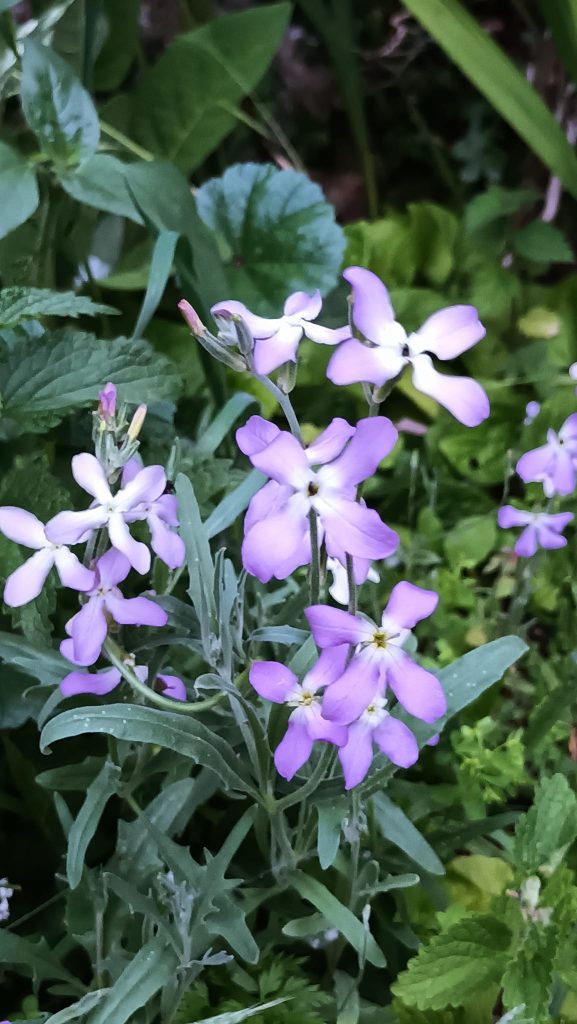
15. Evening Stock (Matthiola longipetala)
Evening stock is a delicate, old-fashioned favorite. Its small, four-petaled flowers open at night, releasing a clove-like fragrance. I plant mine along walkways, where their scent enhances evening strolls.
Native to Eurasia, they thrive in cool climates, with wiry stems and soft, gray-green leaves. Their lilac or white blooms add subtle beauty, perfect for cottage or moon gardens.
Features
- Scientific Name: Matthiola longipetala
- USDA Zones: 3–9
- Color Variation: White, lilac, or light blue
- Sun Exposure: Full sun
- Mature Size: 1–2 feet tall and wide
- Lifespan: Annual
- Toxicity: Non-toxic
Care Tips
Sow seeds in early spring in well-drained soil. I water during dry spells. No fertilizer needed in rich soil. Deadhead to extend blooming. Thrives in cool weather.
Common Problems
- Wilting: Increase watering in heat.
- Powdery mildew: Improve air circulation.
- Short bloom time: Plant in succession for longer flowering.
Creating a Moon Garden with Night-Blooming Flowers
A moon garden glows with pale blooms and silvery foliage. I combine moonflowers, tuberose, and gardenias for fragrance and drama. Plant near seating areas or paths for evening enjoyment. Add silver plants like dusty miller or lamb’s ear for contrast.
Space plants to avoid crowding. Nocturnal pollinators will flock to your garden, creating a lively nighttime ecosystem.
General Care Tips for Night-Blooming Flowers
- Soil: Most prefer well-drained soil. Amend with compost for fertility.
- Watering: Water regularly but avoid soggy conditions. Cacti like cereus need less water.
- Fertilizing: Use balanced or bloom-boosting fertilizers sparingly.
- Pruning: Deadhead to prolong blooming. Prune shrubs like angel’s trumpet in fall.
- Pest control: Watch for aphids, spider mites, and beetles. Use neem oil or insecticidal soap.
- Winter care: Protect tender plants with mulch or indoor storage in cold zones.
Toxicity and Safety
Several night-blooming flowers are toxic. Angel’s trumpet, moonflower, and Casa Blanca lilies are dangerous for pets and humans. I keep mine fenced off from my dog. Wear gloves when handling toxic plants like datura or nicotiana.
Non-toxic options like tuberose, night phlox, and chocolate daisies are safer for family gardens.
FAQs
Q: Why do flowers bloom only at night?
A: They attract nocturnal pollinators like moths and bats. Their scents and pale colors shine in low light.
Q: Can I grow night-blooming flowers in pots?
A: Yes! Moonflowers, tuberose, and night phlox do well in containers. I grow my cereus in a pot.
Q: How do I encourage more blooms?
A: Ensure adequate sun, fertilize lightly, and deadhead spent flowers.
Q: Are night-blooming flowers hard to grow?
A: Most are easy. Evening primrose and chocolate daisies are especially low-maintenance.
Q: Which night-blooming flower is safest for pets?
A: Tuberose, night phlox, and chocolate daisies are non-toxic and pet-friendly.
Final thoughts
Night-blooming flowers bring enchantment to any garden. From the fleeting cereus to the fragrant gardenia, each offers unique beauty. I’m hooked on watching my moonflowers unfurl at dusk—it’s pure magic.
With proper care, these plants thrive and create a glowing, scented oasis. Choose varieties that suit your climate and space. Plant a moon garden and let these nocturnal beauties light up your nights!
References
- Missouri Botanical Garden. (n.d.). Plant Finder: Night-Blooming Species. Link
- University of Florida IFAS Extension. (2023). Night-Blooming Plants for Moon Gardens. Link
- The American Horticultural Society. (n.d.). Growing Night-Blooming Flowers. Link
- ASPCA. (n.d.). Toxic and Non-Toxic Plants. Link
- Royal Horticultural Society. (2024). Night-Blooming Flowers and Their Care. Link

Tim M Dave is a gardening expert with a passion for houseplants, particularly cacti and succulents. With a degree in plant biology from the University of California, Berkeley, he has vast experience in gardening. Over the years, he has cultivated a vast collection of desert plants and learned a great deal about how to grow and care for these unique companions.