15 Deer Resistant Shrubs: The Best Choices for Gardens Under Pressure
If you have ever walked out to your garden in the morning to find a shrub stripped bare overnight, you already understand the frustration. Deer damage is one of the most common — and most demoralising — challenges for gardeners across North America, parts of Europe, the UK, and beyond. A plant you have nurtured for years can be reduced to a collection of broken stems in a single night.
The solution is not to stop gardening. It is to garden smarter.
Deer resistant shrubs are plants that deer tend to avoid due to their scent, texture, taste, or toxicity. No plant is entirely deer-proof — a hungry deer in a hard winter will eat almost anything — but the shrubs on this list are consistently passed over in favour of more palatable options. When planted strategically, they allow you to maintain a beautiful, productive garden even in areas with high deer pressure.
This guide covers 15 of the best deer resistant shrubs, selected for their landscape value, geographic adaptability, and reliable performance in deer-prone regions. Whether you garden in the suburban Northeast of the United States, the rural countryside of the UK, the wooded regions of Canada, or deer-affected areas of southern Australia, this list offers practical, field-tested options.
Understanding Deer Resistance
Before selecting plants, it helps to understand what makes a shrub less attractive to deer.
Deer tend to avoid plants that are strongly aromatic. Lavender, rosemary, and Russian sage, for example, produce oils that deer find unpleasant. They also tend to avoid plants with fuzzy, spiny, or coarse foliage — textures that are uncomfortable in the mouth. Toxic plants are generally avoided as well, though deer occasionally sample them, particularly young animals that have not yet learned to distinguish.
Deer pressure also varies significantly by region, season, and local deer population density. In areas with very high deer numbers — parts of the northeastern United States, suburban New Jersey, rural Scotland, and many parts of the Canadian countryside — even plants considered strongly resistant may show occasional browsing. The plants on this list have earned their reputation across a wide range of conditions, but it is worth monitoring your garden and adjusting as needed.
1. Lavender (Lavandula spp.)
Lavender is one of the most reliably deer resistant plants in temperate and Mediterranean gardens. Its strong aromatic oils are a powerful deterrent, and deer consistently avoid it even when browsing surrounding plants heavily. This makes it not only a beautiful garden plant but also a practical one in areas where deer pressure is a genuine problem.
English lavender (Lavandula angustifolia) grows in USDA Hardiness Zones 5–8 and is widely grown across the UK, northern France, the cooler parts of North America, and New Zealand. French lavender (Lavandula stoechas) and lavandin hybrids (Lavandula × intermedia) suit warmer, drier climates — southern Europe, California, parts of Australia, and South Africa. All prefer full sun and sharply drained soil.
Beyond its deer resistance, lavender is a superb garden plant in its own right. It blooms from early to midsummer, attracts pollinators prolifically, and provides fragrance, colour, and structure to borders and edging. In regions where deer damage is common, planting lavender along the perimeter of a garden can help deter deer from venturing further into more vulnerable planting areas.
Best for: UK, Mediterranean Europe, California, southern and western Australia, New Zealand, South Africa, cool temperate North America.
2. Russian Sage (Salvia yangii, formerly Perovskia atriplicifolia)
Russian sage is strongly aromatic, with silver-white stems and foliage that carry a pungent, sage-like scent that deer find unappealing. It is one of the most consistently deer resistant shrubs available to gardeners in temperate and continental climates, and it has the added advantage of being a spectacular late-summer performer.
From midsummer through early autumn, Russian sage produces tall, airy columns of tiny lavender-blue flowers that are exceptionally attractive to bees and butterflies. It grows in Zones 5–9, tolerates poor, dry, and alkaline soils, and performs best in full sun. It is widely grown across the continental United States, particularly in the Midwest and Mid-Atlantic regions, as well as in parts of the UK and continental Europe.
It is cut back to the ground in early spring and regrows vigorously. In naturalistic and prairie-style gardens — styles increasingly popular in North America and northern Europe — Russian sage is an essential component, combining beautifully with ornamental grasses, echinacea, and other deer resistant perennials and shrubs.
Best for: Continental United States, Mediterranean Europe, central and northern Europe, parts of South Africa and New Zealand.
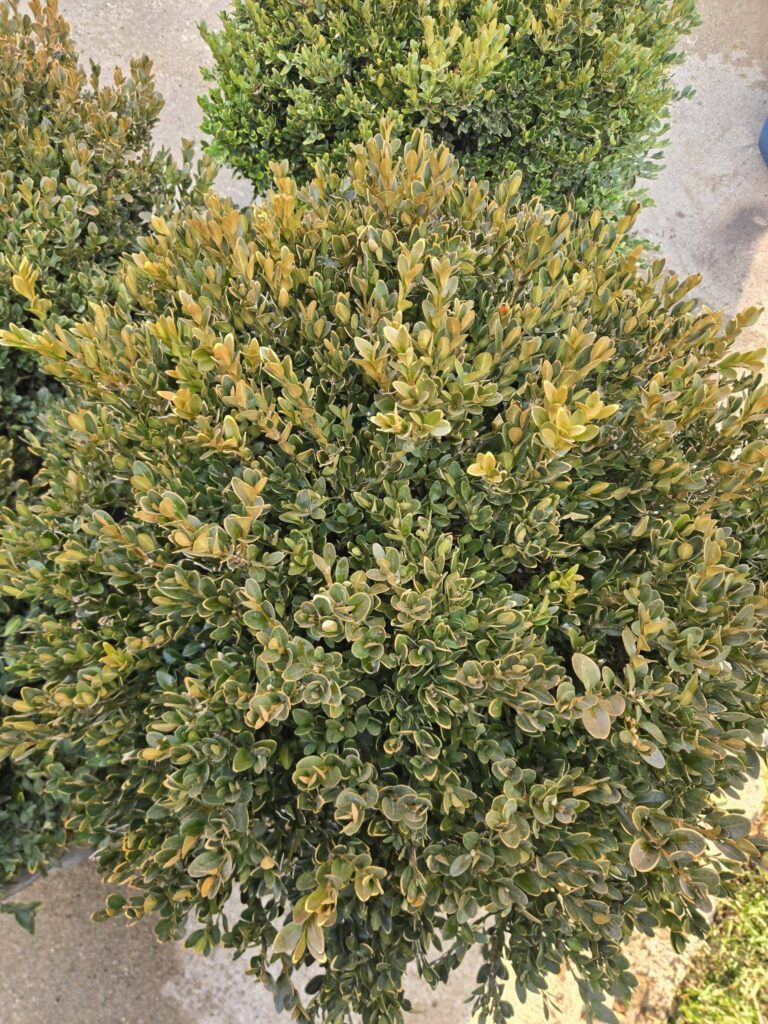
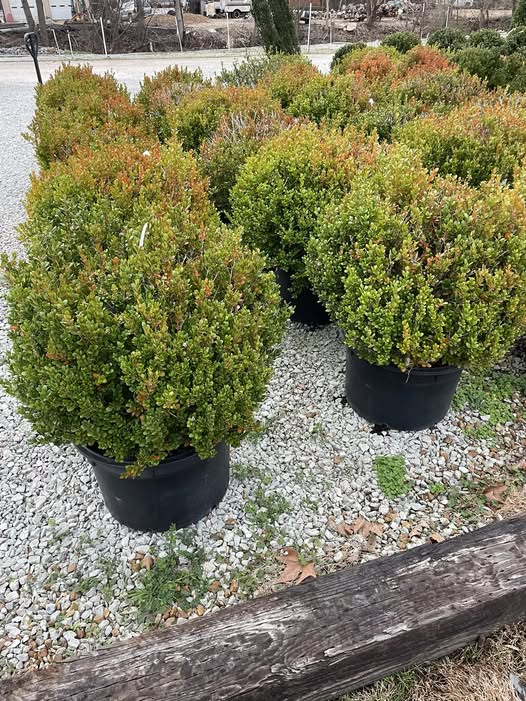
3. Boxwood (Buxus sempervirens)
Boxwood is one of the great workhorses of temperate garden design. It provides formal structure, evergreen foliage, and year-round presence, and it is generally well-avoided by deer — largely due to its bitter taste and mildly toxic properties. In formal gardens across the UK, continental Europe, and the eastern United States, it remains a fundamental planting choice despite the pressures of boxwood blight and box tree moth in some regions.
It grows in Zones 5–8 and tolerates full sun to full shade, making it adaptable to a wide range of garden positions. It responds well to clipping and is the traditional choice for hedging, edging, topiary, and parterres. In deer-prone suburban gardens in the northeastern United States and rural UK and European properties, boxwood hedges are frequently used to create enclosed garden rooms that offer additional protection to less resistant plants within.
Gardeners in regions where boxwood blight (Calonectria pseudonaviculata) is prevalent should seek blight-resistant cultivars such as ‘Justin Brouwers,’ ‘NewGen Independence,’ or members of the ‘Buxus sempervirens Renaissance’ series, which have been developed specifically to address this issue.
Best for: UK, continental Europe, eastern North America, temperate Pacific regions, formal and traditional garden settings worldwide.
4. Spirea — Summer-Blooming Spireas (Spiraea japonica and related species)
Spireas are compact, easy-care shrubs that deer tend to leave alone, likely due to their slightly bitter foliage. They are widely planted across North America, the UK, Europe, and parts of Australasia, and they perform dependably even in gardens with moderate to high deer pressure.
Summer-blooming spireas such as Spiraea japonica and its cultivars produce flat-topped clusters of pink, red, or white flowers from early summer through late summer. They grow in Zones 3–9, covering an exceptionally wide geographic range, and tolerate cold, heat, drought, and urban pollution. Cultivars like ‘Anthony Waterer,’ ‘Little Princess,’ and ‘Double Play Gold’ are widely available in nurseries across North America and Europe.
In deer country — which, for many gardeners in the northeastern United States, Canada, Scotland, and parts of Scandinavia, means virtually everywhere beyond the city centre — spireas offer a reliable way to maintain summer colour without constant worry. They are compact enough for small gardens and tough enough for exposed or difficult sites.
Best for: Canada, northern and eastern United States, UK, continental Europe, temperate Australia and New Zealand.
5. Forsythia (Forsythia × intermedia)
Forsythia is one of the first shrubs to bloom in spring, producing a brilliant flush of yellow flowers on bare stems before the leaves emerge. It is moderately deer resistant — deer occasionally browse young growth but generally leave established plants alone. In areas where spring deer activity is high, some browsing of new shoots may occur, but mature plants tolerate this without lasting damage.
It grows vigorously in Zones 5–8 and is extremely cold-hardy, tolerating the harsh winters of Canada, Scandinavia, and the northern United States without difficulty. It grows in full sun to partial shade and is tolerant of a wide range of soils. In the UK and continental Europe, forsythia is a familiar sight in garden borders and hedgerows in early spring. In North America, it is widely used as a flowering hedge in suburban and rural landscapes.
It benefits from regular pruning immediately after flowering to maintain shape and encourage good flowering the following year. Older, congested plants respond well to hard renovation pruning, which can rejuvenate them entirely.
Best for: Canada, northern United States, UK, Scandinavia, central and northern Europe.
6. Butterfly Bush (Buddleja davidii)
Butterfly bush is strongly aromatic, which is precisely why deer avoid it. While its scent is delightful to many gardeners — and irresistible to butterflies and bees — deer find it unappealing and consistently bypass it in favour of less pungent alternatives. This combination of deer resistance and pollinator value makes it a particularly useful shrub for wildlife-friendly gardens in deer-prone areas.
It grows in Zones 5–9 and blooms prolifically from midsummer through early autumn in shades of purple, pink, white, red, and yellow. It tolerates poor, dry soils and sunny, exposed positions well. As noted in earlier guides, sterile or low-seed cultivars such as ‘Miss Molly,’ ‘Pugster Blue,’ and the ‘Buzz’ series should be used in regions where invasiveness is a concern — particularly the Pacific Northwest of the United States, New Zealand, and parts of Australia.
In the UK, continental Europe, and the eastern and southern United States, standard cultivars are widely grown without significant invasiveness issues, though responsible garden waste disposal remains good practice.
Best for: UK, continental Europe, eastern and southern North America, parts of South Africa; sterile cultivars only in Pacific Northwest and New Zealand.
7. Potentilla — Shrubby Cinquefoil (Dasiphora fruticosa)
Shrubby cinquefoil is a native of the Northern Hemisphere’s cooler regions and is both extremely cold-hardy and reliably deer resistant. Its foliage is slightly aromatic and texturally uninteresting to deer, and it is consistently reported as one of the least browsed shrubs in deer-pressure studies conducted in the northeastern United States and Canada.
It blooms continuously from late spring through autumn in shades of yellow, white, orange, pink, or red, and it grows in Zones 2–7, making it one of the hardiest summer-blooming shrubs on this list. It is a genuinely practical choice for gardeners in Canada, Scandinavia, northern Scotland, and high-altitude gardens across North America and Europe where deer pressure and cold winters combine to make planting a real challenge.
It grows in full sun to partial shade, tolerates poor, alkaline, and clay soils, and requires minimal maintenance. Cultivars such as ‘Goldfinger,’ ‘Abbotswood,’ and ‘Primrose Beauty’ are widely available and perform consistently across a range of conditions.
Best for: Canada, Scandinavia, northern UK, northern and mountain regions of the United States, northern and central Europe.
8. Barberry — European Barberry (Berberis vulgaris and Berberis thunbergii)
Barberries are among the most reliably deer resistant shrubs available to gardeners, and the reason is straightforward: their sharp, dense thorns make browsing both uncomfortable and impractical. Deer quickly learn to leave barberry alone, even when plant pressure is high.
Berberis vulgaris — the European barberry — is native to central and southern Europe and grows in Zones 3–7. It is widely grown in UK and European gardens for its yellow spring flowers, red summer berries, and vivid autumn colour. Berberis thunbergii — Japanese barberry — is a widely planted ornamental in North America, available in green and purple-leaved forms, though it is invasive in many eastern US states and should be checked against local regulations before planting.
Where appropriate, barberries are genuinely excellent garden shrubs. They are tolerant of poor soils, drought, and urban conditions, and their thorny habit makes them useful for security hedging as well as ornamental planting. In deer-prone regions, a barberry hedge can also serve as a deterrent to deer attempting to access more vulnerable parts of the garden.
Best for: UK, continental Europe (B. vulgaris); western North America and Europe (B. thunbergii, where not invasive — check local regulations).
9. Rosemary (Salvia rosmarinus, formerly Rosmarinus officinalis)
Rosemary is one of the most powerfully aromatic shrubs in cultivation, and its strong essential oils make it extremely unappealing to deer. It is one of the most consistently deer resistant plants reported by gardeners in Mediterranean climates, coastal North America, and mild parts of the UK.
It grows in Zones 7–11 and thrives in full sun with sharply drained, alkaline to neutral soil. It is a dominant landscape plant in California, coastal Oregon, the Mediterranean basin, South Africa, and coastal Australia, where it is used as ground cover, hedging, and specimen planting. In the UK, it grows reliably in the south and west, though it may suffer in the coldest winters in northern or exposed positions.
Compact, upright cultivars such as ‘Tuscan Blue’ and ‘Majorca Pink’ are widely used in formal and informal gardens alike. Prostrate forms such as Salvia rosmarinus ‘Prostratus’ are effective as ground cover on dry banks and slopes. Beyond its deer resistance, rosemary is of course a valuable culinary herb, adding a practical dimension that few ornamental shrubs can offer.
Best for: California, Mediterranean Europe, South Africa, coastal Australia, southern UK, New Zealand.
10. Leucothoe (Leucothoe fontanesiana)
Leucothoe is a native North American evergreen shrub with graceful, arching stems and attractive foliage that shifts from green in summer to deep burgundy and bronze in winter. Deer tend to avoid it — its foliage contains compounds that make it unpalatable — and it is regularly listed among the most deer resistant native shrubs in the southeastern and mid-Atlantic United States.
It grows in Zones 5–9 and thrives in partial to full shade with moist, acidic, humus-rich soil. It is native to the Appalachian region and grows naturally along shaded stream banks and in moist woodland settings. In the garden, it is an excellent choice for shaded borders, woodland gardens, and the edges of natural areas in deer-prone regions.
The cultivar ‘Rainbow’ (Leucothoe fontanesiana ‘Rainbow’) offers particularly attractive variegated foliage in cream, pink, and green. It pairs well with rhododendrons, ferns, and other shade-loving native plants in naturalistic garden designs.
Best for: Eastern and southeastern United States, Canada (milder zones), parts of the UK in sheltered shaded positions.
11. Andromeda — Japanese Pieris (Pieris japonica)
Japanese pieris is a popular evergreen shrub in temperate gardens, valued for its cascading white or pink flower clusters in early spring and its distinctive red new growth. It is also reliably deer resistant, primarily because all parts of the plant are toxic — a characteristic deer seem to detect and consistently avoid.
It grows in Zones 5–8 and is widely planted in the northeastern United States, Canada’s milder zones, the UK, and temperate parts of Europe. It prefers partial shade and moist, acidic, well-drained soil and associates naturally with rhododendrons, azaleas, and other acid-loving plants. In woodland garden settings — increasingly popular in both North America and the UK — it is one of the finest structural evergreens available.
Popular cultivars include ‘Forest Flame’ (valued for its vivid red new growth), ‘Valley Valentine’ (with deep pink flowers), and ‘Cavatine’ (a compact form suitable for smaller gardens). Regular deadheading after flowering keeps plants tidy and encourages strong new growth.
Best for: Northeastern United States, southeastern Canada, UK, temperate continental Europe, mild parts of Australasia.
12. Inkberry (Ilex glabra)
Inkberry is a native North American holly that deer tend to leave alone — its foliage is tough and mildly bitter, making it a consistently low-priority browse choice even under significant deer pressure. As a native plant, it also provides strong ecological value, supporting birds with its black berries through autumn and winter.
It grows in Zones 4–9 and is particularly well-suited to moist, wet, or periodically waterlogged soils — conditions where many other deer resistant shrubs would fail. It grows naturally in wet woodlands, coastal plain swamps, and the edges of bogs across eastern North America. In the garden, it is an excellent choice for rain gardens, pond edges, and other consistently moist areas.
It tolerates full sun to partial shade and can be used for informal hedging, naturalising, or mass planting in large areas. Female plants produce black berries (not red, despite being a holly) that persist through winter and are consumed by thrushes, bluebirds, and other wildlife. Male plants are needed nearby for berry production.
Best for: Eastern North America, particularly the northeastern United States and southeastern Canada.
13. Viburnum (Viburnumspp.)
Viburnums are a diverse and important genus in the temperate garden, and many species are reliably deer resistant. The foliage of most viburnums is tough, sometimes slightly aromatic, and generally unappealing to deer. In regions where deer pressure is consistently high, viburnums are frequently recommended by extension services as one of the best ornamental groups to rely upon.
Several species are particularly noteworthy. Viburnum lantana — the wayfaring tree — is native to Europe and western Asia and grows in Zones 4–7. It is extremely tough, tolerating dry, chalky soils and exposed positions in the UK and continental Europe. Viburnum dentatum — the arrowwood viburnum — is a native North American species growing in Zones 3–8, valued for its white summer flowers, blue-black berries, and vivid autumn colour. Viburnum rhytidophyllum — leatherleaf viburnum — is a large evergreen viburnum with distinctively corrugated foliage that deer find particularly unappealing.
All viburnums produce spring or early summer flowers attractive to pollinators. Many offer autumn berries valuable to wildlife and attractive foliage colour in season. They grow in a wide range of soil types and light conditions, from full sun to partial shade.
Best for: UK, continental Europe (V. lantana, V. rhytidophyllum); eastern North America (V. dentatum); widely adaptable across temperate zones.
14. Yew (Taxus spp.)
Yew is a shrub — and in some cases a tree — of extraordinary resilience and longevity. It is also highly toxic, which is precisely why deer avoid it. All parts of the yew plant except the fleshy red aril surrounding the seed contain taxine alkaloids, which are poisonous to most mammals. Deer instinctively avoid yew, making it one of the most deer-proof shrubs in temperate horticulture.
It grows in Zones 4–7 and is one of the most shade-tolerant plants in cultivation. It is the definitive hedge and topiary plant in formal UK and European garden design, forming the great dark walls and elaborate shapes seen in historic gardens from Hidcote and Sissinghurst in England to the great châteaux gardens of France. In North America, it is widely planted in the Pacific Northwest and northeastern United States.
For gardeners in deer-prone areas, yew offers an additional strategic value: a dense yew hedge is an effective physical barrier against deer entering a garden. The toxicity warning must be maintained — yew should not be planted where livestock can access it and must be managed responsibly — but in appropriate settings it is an outstanding deer resistant plant with exceptional ornamental credentials.
Best for: UK, continental Europe, Pacific Northwest, northeastern North America, formal garden settings.
15. Knock Out Roses (Rosa ‘Knock Out’ series)
Standard roses are frequently browsed by deer, which makes the Knock Out rose series notable. These modern shrub roses have been observed to show better deer resistance than many traditional rose varieties, likely due to their thorny habit combined with the aromatic foliage bred into the series. While they are not entirely deer-proof, they are significantly more resistant than most hybrid tea roses and are regularly included on deer-resistant plant lists published by university extension services across the United States.
Developed by horticulturist William Radler and introduced in 2000, Knock Out roses are bred for disease resistance, continuous blooming from spring through frost, and low maintenance. They grow in Zones 5–9 and are widely planted across the United States, Canada, the UK, and parts of Europe and Australasia. They come in red, pink, coral, yellow, and white, and they require none of the complex pruning associated with traditional roses.
In deer-prone suburban and rural gardens, Knock Out roses offer a way to enjoy rose colour through the season without the frustration of constant deer browsing. Planting them alongside more strongly aromatic deer resistant shrubs — lavender, rosemary, Russian sage — can further reduce browsing pressure by making the immediate area less appealing overall.
Best for: United States, Canada, UK, parts of Europe and Australasia; suburban and rural deer-prone gardens.
Strategies for Reducing Deer Damage
Choosing deer resistant shrubs is the most sustainable long-term strategy, but combining plant selection with a few additional measures significantly improves results.
Plant in groups. Grouping deer resistant shrubs together creates a larger aromatic and textural barrier that deer are less likely to investigate. A mixed planting of lavender, rosemary, Russian sage, and viburnum, for example, creates a sensory environment that deer find consistently off-putting.
Use the perimeter strategically. Placing deer resistant shrubs along the outer edges of the garden — where deer first enter — can deter them from venturing further into areas where more vulnerable plants are grown. A border of boxwood, yew, barberry, or lavender serves both an ornamental and a protective function.
Avoid high-appeal plants near the entry. Deer are drawn to arborvitae, hostas, daylilies, tulips, and many fruit trees. Positioning these further from garden edges — surrounded by less palatable plants — reduces their visibility and accessibility to browsing deer.
Understand seasonal pressure. Deer browsing intensifies during late autumn and winter when natural food sources are scarce. Gardens in regions with cold winters may experience more browsing damage during these months even from plants that are reliably resistant in spring and summer. Temporary fencing or repellent sprays can supplement plant selection during the highest-pressure months.
Suggested For You:
15 Shrubs for Clay Soil: The Best Choices for Wet Ground
15 Shrubs That Bloom All Summer: A Complete Guide for Gardeners
10 Shrubs with Red Berries: A Complete Guide for Gardeners Worldwide
20 Shrubs for Shade: The Best Choices for Every Garden and Climate
15 Winter Interest Shrubs: Colour, Structure, and Life in the Cold-Season Garden
Final Thoughts
Deer resistance is not a binary quality — it exists on a spectrum, influenced by plant species, local deer populations, seasonal food availability, and individual deer behaviour. The 15 shrubs in this guide represent the most consistently reliable choices across a wide range of regions and conditions, from the cold winters of Canada and Scandinavia to the warm, dry summers of California and the Mediterranean.
None of them will guarantee a perfectly deer-free garden. What they will do is significantly reduce your losses, allow you to maintain a beautiful landscape, and give you back the quiet satisfaction of walking out to a garden that looks as you left it.
That, for anyone who has experienced serious deer damage, is no small thing.
References
- Rutgers New Jersey Agricultural Experiment Station (NJAES) — Landscape Plants Rated by Deer Resistance https://njaes.rutgers.edu/deer-resistant-plants/
- University of Vermont Extension — Deer Resistant Plants for Vermont Landscapes https://www.uvm.edu/extension/mastergardener/deer-resistant-plants
- Penn State Extension — Deer-Resistant Shrubs and Trees for Pennsylvania Landscapes https://extension.psu.edu/deer-resistant-plants
- North Carolina State University Cooperative Extension — Deer Resistant Plants for the Landscape https://content.ces.ncsu.edu/deer-resistant-ornamental-plants
- University of California Cooperative Extension — Deer-Resistant Plants for the Home Garden https://ucanr.edu/sites/sacmg/files/134381.pdf

Tim M Dave is a gardening expert with a passion for houseplants, particularly cacti and succulents. With a degree in plant biology from the University of California, Berkeley, he has vast experience in gardening. Over the years, he has cultivated a vast collection of desert plants and learned a great deal about how to grow and care for these unique companions.