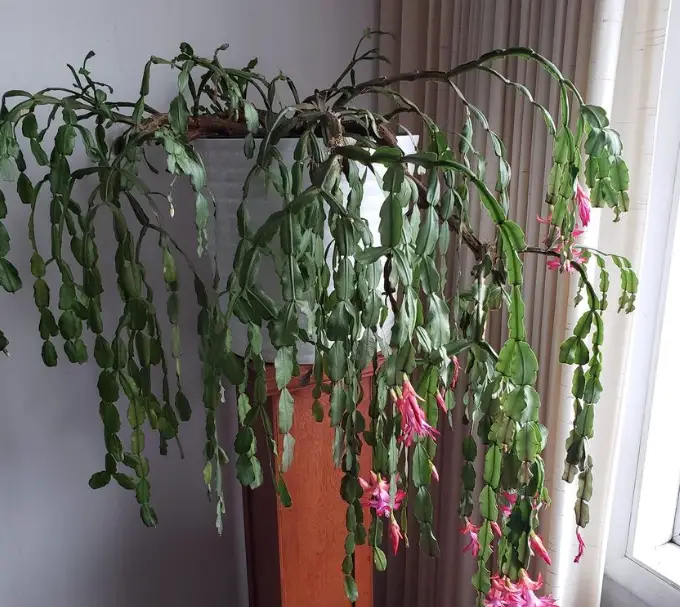
Explained: Do I Need to Deadhead My Christmas Cactus?
If you’re like me, your Christmas cactus is the star of your holiday decor, bursting with vibrant blooms just in time for winter festivities. But once those gorgeous flowers fade, you might be wondering, Do I need to deadhead my Christmas cactus?
I’ve asked myself the same question while staring at those wilted petals, unsure if snipping them off is necessary or just extra work. In this guide, I’ll walk you through everything you need to know about deadheading your Christmas cactus, why it matters, and how to keep your plant thriving.
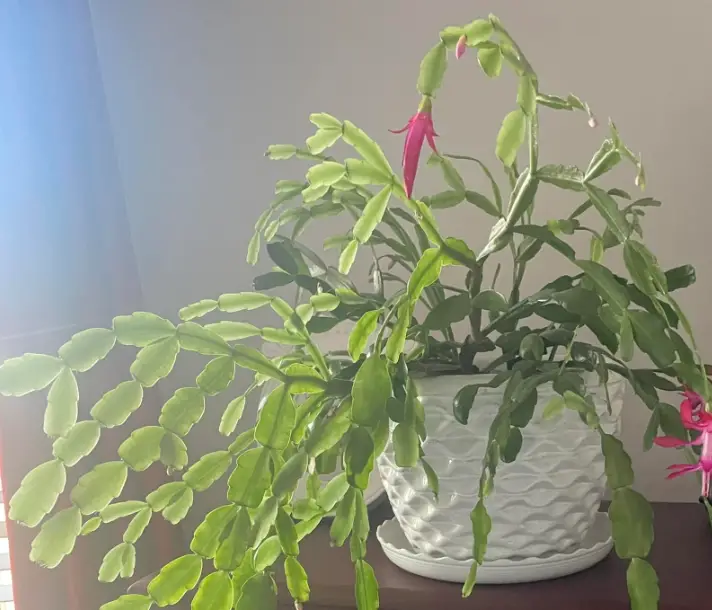
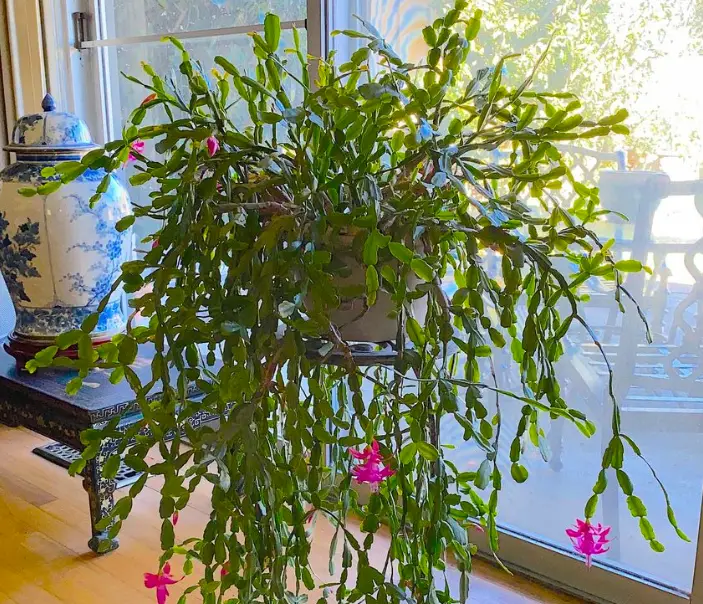
Before we get to deadheading, let’s talk about what makes a Christmas cactus special. The Christmas cactus (Schlumbergera species) is a low-maintenance houseplant native to Brazil’s rainforests.
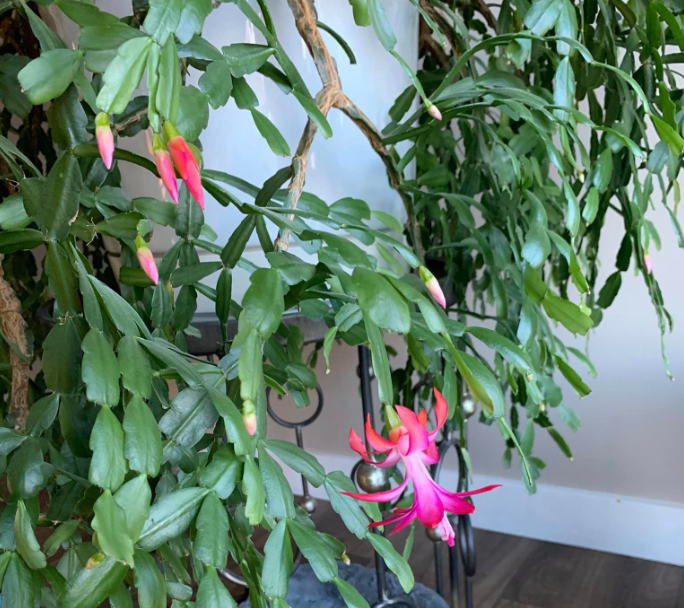
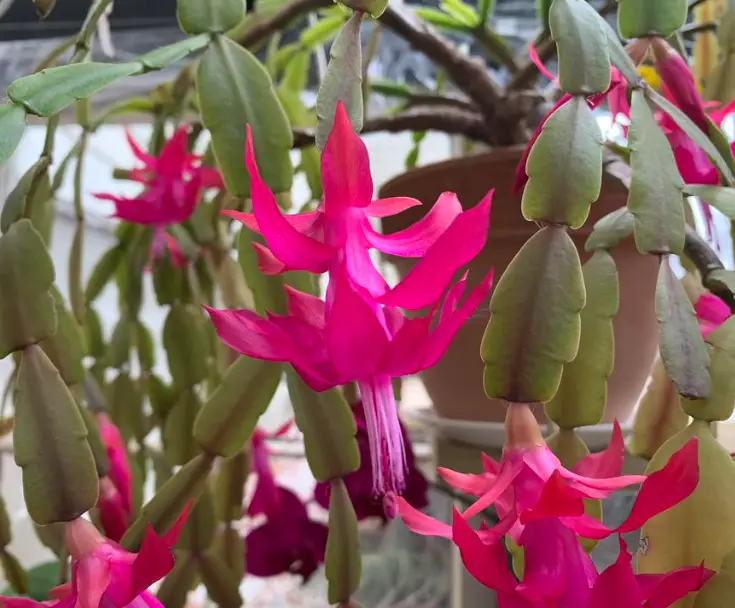
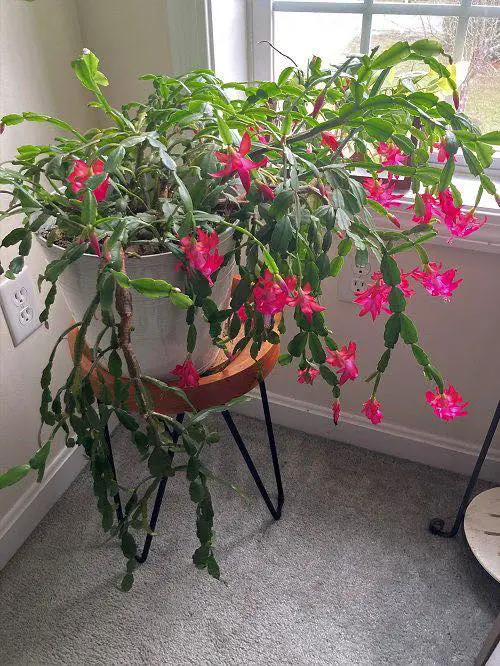
Unlike desert cacti, it loves humid environments and indirect light, making it perfect for winter holidays. Its segmented, arching stems produce stunning blooms in shades of pink, red, white, or orange around Christmas festivities.
I’ve always loved how mine brightens up my living room when other plants take a nap.
What Does Deadheading Mean?
Deadheading can sound like something out of a zombie movie. It’s just gardening lingo for removing spent or wilted flowers from a plant. For some plants, like roses, deadheading encourages more blooms and keeps things tidy.
But does this apply to a Christmas cactus? I was curious too, so I did some digging to find out.
Do I Need to Deadhead My Christmas Cactus?
Here’s the short answer: No, you don’t need to deadhead your Christmas cactus, but it can help. Unlike some flowering plants, Christmas cacti don’t rely on deadheading to bloom again next season. Their flowers naturally dry up and fall off, leaving the plant ready for its next cycle.
However, I’ve found that gently removing faded blooms can make my cactus look neater and may encourage healthier growth. Plus, it’s oddly satisfying to tidy it up! So, why might you want to deadhead?
Here are a few reasons I’ve learned from my own experience and research:
- Wilted flowers aren’t exactly festive. Removing them keeps your plant looking fresh and vibrant.
- By snipping off spent blooms, the plant can redirect energy to new growth or next year’s flowers.
- Dead flowers can attract common Christmas cactus pests or mold, especially in humid environments. Removing them reduces the risk.
How to Deadhead a Christmas Cactus
Deadheading a Christmas cactus is super easy—I promise! Here’s how I do it:
- Wait for the right time: I wait until the flowers are fully wilted or starting to drop. This usually happens a few weeks after peak bloom.
- Use clean tools: I use my fingers to gently pinch off the faded flowers at the base of the bloom. If you prefer, you can use clean, sharp scissors or pruning shears. Sterilize tools to avoid spreading disease.
- Be gentle: The stems of a Christmas cactus are delicate, so I’m careful not to tug too hard. A light twist usually does the trick.
- Dispose of debris: I toss the wilted blooms in the compost or trash to keep my plant area clean.
Pro tip: If the flowers have already fallen off, check for any dried remnants stuck to the stems. I once missed a few, and they started to look a bit messy.
Why You Might Skip Deadheading
I get it—not everyone has time to fuss over their plants. If you’re super busy, you can skip deadheading altogether. The flowers will eventually fall off on their own, and your cactus will still bloom next year if you care for it properly.
I’ve skipped deadheading in the past when life got hectic, and my cactus didn’t hold it against me. It’s a forgiving plant!
Caring for Your Christmas Cactus After Deadheading
Deadheading is just one part of keeping your Christmas cactus happy. Here’s what I do to ensure mine stays healthy year-round:
- I keep my cactus in bright, indirect light. A north- or east-facing window is perfect. Too much direct sun can scorch the leaves, as I learned the hard way one summer.
- I water when the top inch of soil feels dry, usually every 1-2 weeks. Overwatering is a big no-no—soggy soil can lead to root rot.
- Since most homes in the U.S. can get dry in winter (especially with heating), I mist my cactus occasionally or place it near a humidifier.
- Christmas cacti like it cool, around 60-70°F. I move mine away from drafty windows or hot radiators.
- I feed mine with a balanced houseplant fertilizer (like 10-10-10) every month during spring and summer. The Missouri Botanical Garden suggests diluting it to half strength to avoid overfeeding.
Common Mistakes to Avoid
I’ve made my fair share of mistakes with my Christmas cactus, so let me save you some trouble:
Overwatering
This is the number one killer of Christmas cacti. I learned to check the soil before watering to avoid drowning my plant. When the soil stays too wet, the roots sit in soggy conditions, depriving them of oxygen. This leads to fungal infections that rot the roots.
Rot or damaged roots prevent the plant from absorbing water and nutrients. The stems may turn mushy, yellow, or wilt, and the plant can eventually die. So, only water when the top inch is dry to keep your cactus healthy.
Ignoring bud drop
Ignoring Christmas cactus bud drop is a big mistake because it signals underlying issues that can prevent blooming and harm the plant. Bud drop often happens due to sudden changes in light, temperature, or over- or underwatering.
If ignored, these stressors can weaken the cactus, reducing future blooms or causing long-term damage. I’ve found that stabilizing its environment—like keeping it in consistent light and avoiding drafts—helps prevent bud drop and keeps my cactus thriving.
Skipping Rest Periods
Skipping the Christmas cactus’ rest periods disrupts the plant’s natural cycle, reducing its ability to bloom. After flowering, the cactus needs about 6 weeks of cooler temperatures (around 55°F) and reduced watering to recover. This typically prepares it for the next blooming season.
Without this rest, the plant may become stressed, leading to fewer or no blooms. I’ve noticed my cactus thrives when I give it this downtime, mimicking its natural rhythm.
FAQs
Here are frequently asked questions about deadheading and Christmas cactus care:
Q. Will deadheading make my Christmas cactus bloom more?
A. Not directly, but it can help the plant focus energy on new growth. In my experience, a healthy, well-cared-for cactus blooms reliably without much fuss.
Q. Can I propagate the clippings from deadheading?
A. Deadheading only removes the flowers, not the stems, so you can’t propagate from them. However, you can propagate Christmas cactus from stem segments. I’ve also successfully rooted cuttings in water.
Q. Why aren’t my Christmas cactus flowers blooming?
A. If your cactus isn’t blooming, it might need more darkness (12-14 hours per night) or cooler temperatures in the fall. I move mine to a darker room in October to trigger blooming.
Q. Is deadheading the same as pruning?
A. Nope! Deadheading removes spent flowers, while pruning involves cutting back stems to shape the plant or encourage bushier growth. I only prune if my cactus gets leggy.
Q. Can I deadhead during blooming?
A. I wouldn’t recommend it. Wait until the blooms are fading to avoid stressing the plant. I learned this after accidentally snipping a healthy flower—oops!
Tips for Encouraging Blooms
Living in the U.S., our homes can vary wildly in climate, from humid Southern states to dry, heated Northern ones. Here are some tips I’ve picked up to keep my Christmas cactus blooming:
- To trigger blooms, mimic the fall conditions. I give my cactus 12-14 hours of darkness each night starting in September or October. I cover it with a cloth or move it to a closet at night.
- Boost the humidity. Central heating can dry out the air. I keep a small tray of water near my cactus to boost humidity, especially in winter.
- I rotate my cactus every few weeks to ensure even light exposure, which helps it grow symmetrically.
Troubleshooting Common Christmas Cactus Problems
Sometimes, despite your best efforts, your Christmas cactus might act up. Here are issues I’ve faced and how I fixed them:
- Yellowing leaves: This often means overwatering or poor drainage. I check the soil and repot if needed, using a well-draining mix.
- No blooms: If your cactus skips blooming, it might not be getting enough darkness or cool temperatures. I adjust its location in the fall to mimic its natural environment.
- Wrinkled stems: This usually means underwatering. I give mine a good drink and adjust my watering schedule.
Final thoughts
There’s something magical about a Christmas cactus. Maybe it’s the way it blooms just when winter feels endless, or how it’s so forgiving even when I forget to water it. Deadheading is just a small part of the care routine, but it’s a task I enjoy because it feels like giving my plant a little more.
So, do you need to deadhead your Christmas cactus? Not really, but it’s a simple way to keep your plant looking its best and potentially boost its health. I’ve found that a little care goes a long way with these resilient plants.
By deadheading, providing the right light, water, and temperature, and avoiding common mistakes, your Christmas cactus will reward you with stunning blooms year after year.
Got questions or tips of your own? I’d love to hear about your Christmas cactus journey. Drop a comment below or share your setup! Let’s keep our homes blooming with holiday cheer.

Tim M Dave is a gardening expert with a passion for houseplants, particularly cacti and succulents. With a degree in plant biology from the University of California, Berkeley, he has vast experience in gardening. Over the years, he has cultivated a vast collection of desert plants and learned a great deal about how to grow and care for these unique companions.