10 Common Crabapple Tree Problems and How to Fix Them
Crabapple trees are among the most beloved ornamental trees in home landscapes and public gardens. Their spring blossoms are breathtaking, and their small, colorful fruits add charm well into autumn. But like any living thing, crabapples are not immune to trouble.
If you have spent time nurturing one of these trees, you know the quiet concern that sets in when the leaves begin to look wrong — spotted, curled, or dropping too early. Some problems are cosmetic. Others, if ignored, can cost you the tree entirely.
This guide covers the most common crabapple tree problems in detail, explains what causes them, and tells you what to do. It also outlines the growing conditions these trees need to stay healthy in the first place.
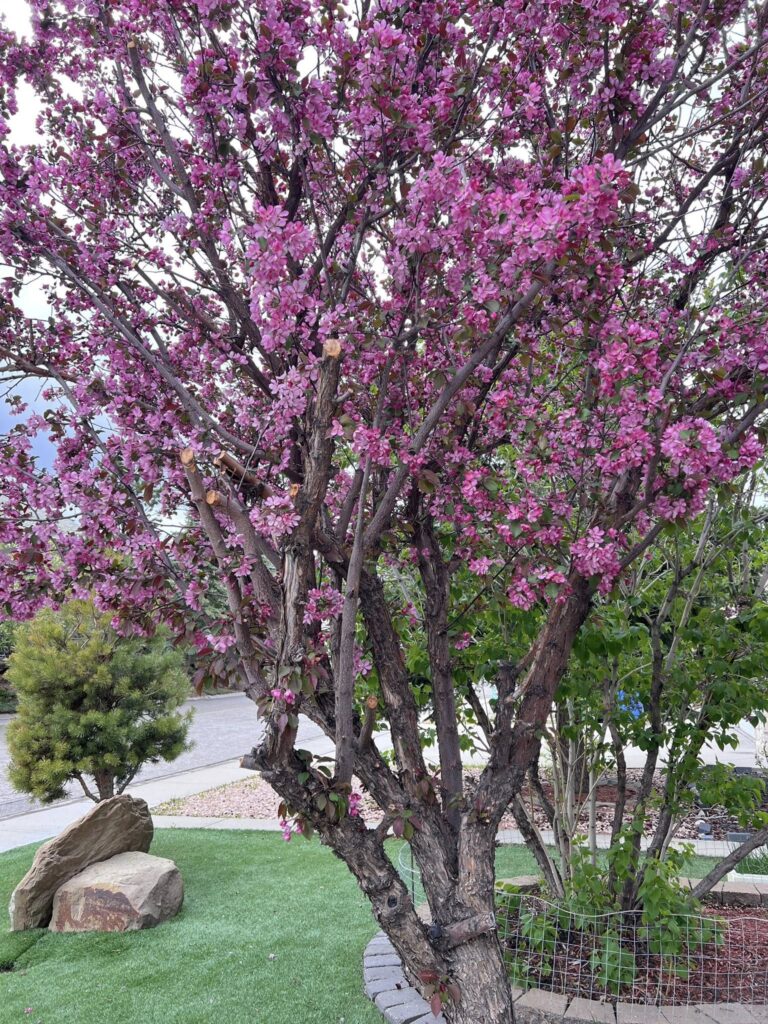
The Most Common Crabapple Tree Problems
The crabapple tree may face the following challenges:
1. Apple Scab — The Number One Threat
Apple scab is the single most widespread disease affecting crabapple trees worldwide. It is caused by the fungus Venturia inaequalis, and it spreads aggressively in wet, cool spring weather.
The first signs are olive-green or brown spots on the leaves. These spots have irregular, feathery edges. As the season progresses, infected leaves turn yellow and fall from the tree — sometimes by midsummer, leaving bare branches that should still be full and green.
The fruit is also affected. Infected crabapples develop dark, corky, scabby patches on their surface. The damage is not just visual; heavily infected trees lose energy year after year and become weak over time.
What causes it to spread? The fungus overwinters in fallen leaves on the ground. In spring, it releases spores that land on new foliage and start the cycle again. This is why cleaning up leaf litter in autumn matters more than most gardeners realize.
What to do:
- Choose scab-resistant varieties whenever possible. Cultivars such as ‘Prairifire’, ‘Sugar Tyme’, and ‘Donald Wyman’ have been developed specifically for resistance.
- Remove and dispose of fallen leaves — do not compost them.
- Apply fungicides in early spring, starting at bud break, if you are growing a susceptible variety.
- Avoid overhead watering, which keeps foliage wet and encourages fungal spread.
2. Fire Blight — A Bacterial Disease That Moves Fast
Fire blight is caused by the bacterium Erwinia amylovora. It is one of the most destructive diseases in the rose family, which includes crabapples, apples, and pears.
The name describes the symptoms well. Infected branches look as though they have been scorched by fire — the tips curl downward into a distinctive shepherd’s crook shape, and the leaves turn brown and cling to the branch rather than falling.
Fire blight spreads during bloom. The bacteria enter through open flowers, carried by insects, rain, and wind. Once inside, they move down the branch into the wood. The bark may develop water-soaked spots that turn orange or dark brown as the infection advances.
In severe cases, fire blight can kill large sections of a tree — or the entire tree — within a single season. I have seen gardeners lose mature crabapples they had grown for twenty years, simply because fire blight was caught too late.
What to do:
- Prune infected branches at least 8–12 inches below the visible damage, cutting into healthy wood.
- Sterilize pruning tools between cuts using a 10% bleach solution or 70% isopropyl alcohol. This is non-negotiable; contaminated tools spread the bacteria to healthy wood.
- Apply copper-based bactericides during bloom, especially in warm, humid weather.
- Avoid heavy nitrogen fertilization, which promotes soft, succulent growth that is more vulnerable to infection.
3. Powdery Mildew — The White Coating You Cannot Ignore
Powdery mildew is visually unmistakable. It forms a white or grayish powdery coating on young leaves, shoots, and flower buds. Unlike many fungal diseases, it actually thrives in dry weather with warm days and cool nights — not just in humid conditions.
While powdery mildew is rarely fatal, it weakens the tree over time. Infected leaves may be distorted or stunted, and repeated infections reduce the tree’s overall vigor.
It is caused by the fungus Podosphaera leucotricha and is most severe on young growth in late spring and early summer.
What to do:
- Improve air circulation by pruning the canopy to reduce crowding.
- Avoid excess nitrogen, which pushes excessive soft growth.
- Apply sulfur-based fungicides or neem oil at the first signs of infection.
- Again, resistant varieties are your best long-term defense.
4. Cedar-Apple Rust — A Disease With Two Hosts
Cedar-apple rust is fascinating — and frustrating. It requires two separate host plants to complete its life cycle: a juniper or eastern red cedar (Juniperus virginiana), and a member of the rose family such as a crabapple.
In spring, bright orange, gelatinous, tentacle-like galls appear on nearby junipers. These release spores that travel on the wind to infect crabapple leaves. The resulting infections appear as bright yellow-orange spots on the upper leaf surface, with tube-like structures on the underside.
Severe infections cause early leaf drop and can affect fruit quality. The disease does not kill trees outright, but it weakens them progressively.
What to do:
- Remove nearby eastern red cedars or junipers if you are in an area where they are abundant and the disease is recurring — though this is not always practical.
- Plant rust-resistant crabapple varieties such as ‘Adams’, ‘Centurion’, or ‘Indian Summer’.
- Apply preventive fungicides in spring before and during the bloom period.
5. Crabapple Canker — Silent and Destructive
Cankers are localized areas of dead, sunken bark on branches or the trunk. Several fungal pathogens can cause cankers on crabapple, including Nectria and Cytospora species.
Cankers often enter through wounds — pruning cuts, insect damage, frost cracks, or mechanical injuries from lawn equipment. Once established, they girdle the branch, cutting off water and nutrients to everything beyond the canker.
You may first notice a branch that looks wilted or dead for no obvious reason. On closer inspection, the bark in one spot looks sunken, discolored, or cracked. The wood beneath may be stained dark brown.
What to do:
- Prune out cankered wood promptly, cutting well below the affected area.
- Keep trees healthy and stress-free — stressed trees are far more susceptible to canker infections.
- Avoid unnecessary wounds. Do not stake trees too tightly, and keep lawn mowers away from the trunk.
- There are no effective fungicide treatments once cankers are established; prevention and removal are the only tools.
6. Aphids and Scale Insects — Small Pests, Big Consequences
Aphids are soft-bodied insects that cluster on new growth and undersides of leaves. They pierce plant tissue and extract sap, excreting a sticky substance called honeydew. This honeydew encourages sooty mold — a black fungal coating that reduces the leaf’s ability to photosynthesize.
Heavy aphid infestations cause leaf curl, distortion, and yellowing.
Scale insects are more discreet. They look like small bumps on bark and stems, and many gardeners overlook them entirely at first. They also feed on sap and, in large numbers, significantly weaken the tree.
What to do:
- Encourage natural predators — ladybugs, lacewings, and parasitic wasps are highly effective at controlling aphids.
- Use a strong jet of water to knock aphids off affected shoots.
- Apply horticultural oil in late winter or early spring to suffocate overwintering scale eggs.
- Insecticidal soap is effective against active aphid infestations with minimal environmental impact.
7. Japanese Beetles — A Summer Assault
Japanese beetles (Popillia japonica) are a serious pest in many parts of North America. The adults are striking insects — metallic green with copper-brown wing covers — but their feeding habits are destructive.
They skeletonize leaves, consuming the soft tissue between the veins and leaving behind a lacey, brown structure. They feed in groups and are highly mobile, moving from tree to tree.
They are most active in midsummer, which can leave a crabapple looking ragged for the rest of the growing season.
What to do:
- Hand-pick beetles in the early morning when they are sluggish and drop them into soapy water.
- Apply neem oil or pyrethrin-based insecticides if populations are large.
- Avoid pheromone traps — research suggests these attract more beetles to the area than they catch.
- Apply beneficial nematodes or milky spore to the soil to target larvae (grubs) in the ground.
8. Nutrient Deficiencies — Often Overlooked
Crabapple trees growing in poor or imbalanced soil may show signs of nutrient deficiency. Iron chlorosis is particularly common in alkaline soils. The leaves turn yellow while the veins remain green — a condition called interveinal chlorosis.
Manganese deficiency looks similar and is also linked to high soil pH.
What to do:
- Test your soil before applying any amendments. Guessing at soil problems often makes them worse.
- Lower soil pH gradually with elemental sulfur if iron chlorosis is confirmed.
- Apply chelated iron as a foliar spray or soil drench for faster correction.
- Ensure adequate soil drainage — waterlogged roots cannot absorb nutrients effectively regardless of what is present in the soil.
9. Frost Damage and Winter Injury
Late spring frosts can damage crabapple blossoms and new growth severely. You may see blackened, wilted flowers that turn into nothing — an entire season’s bloom lost overnight.
Young trees in particular are vulnerable to winter damage. Frost cracks can form in the bark during temperature extremes, and these cracks serve as entry points for fungal and bacterial pathogens.
What to do:
- Select varieties suited to your USDA hardiness zone.
- Wrap young trunks with tree guards in late autumn to reduce temperature fluctuations.
- Avoid fertilizing late in the season, as this encourages tender new growth that is easily damaged by early frosts.
10. Root Rot — When the Damage Is Underground
Root rot is caused by several soil-borne pathogens, most notably Phytophthora species. It thrives in poorly drained, waterlogged soils.
The symptoms often appear above ground before the cause is obvious. Leaves may wilt, yellow, or drop early. The tree may look like it is drought-stressed even after watering. On close inspection, the roots appear dark brown or black, soft, and mushy rather than firm and white.
Root rot is difficult to reverse once established. Prevention is far more effective than treatment.
What to do:
- Plant crabapples in well-drained sites. Never plant in low-lying areas where water pools after rain.
- Avoid overwatering, especially in clay-heavy soils.
- Improve drainage by amending soil with organic matter before planting.
- Fungicides containing metalaxyl may slow the progression in early cases.
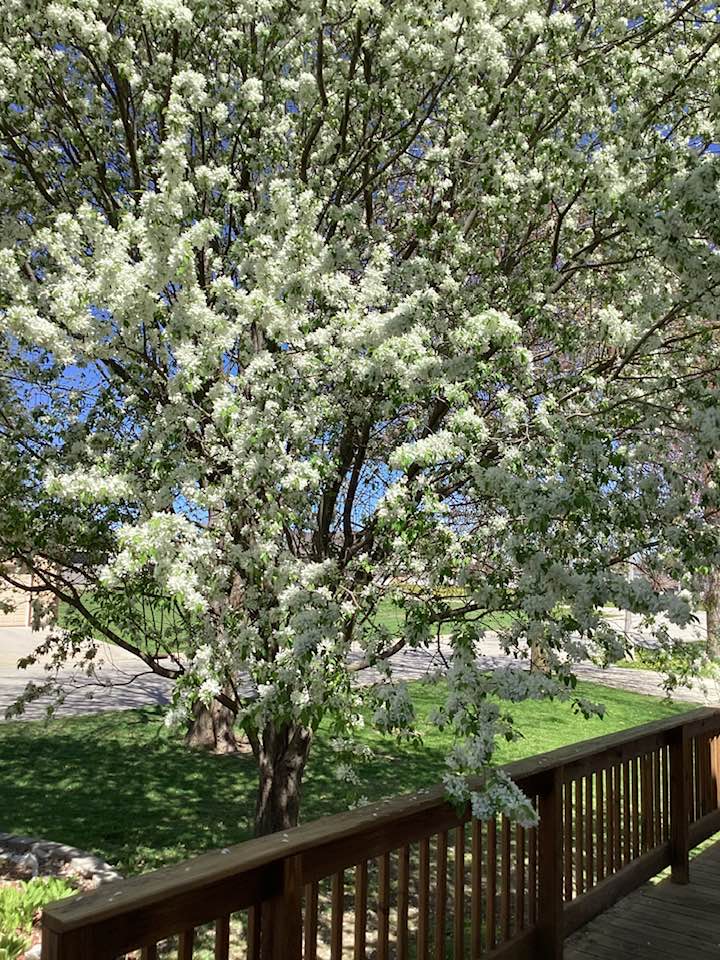
Growing Crabapple Trees Right: The Foundation of a Healthy Tree
The best strategy against nearly every problem listed above is a healthy, well-grown tree. A vigorous crabapple has natural resistance and recovery ability that a stressed tree simply does not. Here is what the tree genuinely needs.
Sunlight
Crabapple trees require full sun — at least six hours of direct sunlight per day. Shade reduces flowering, weakens the tree’s immune response, and creates the humid, low-airflow conditions that fungal diseases love.
Plant your crabapple in the sunniest spot available.
Soil
Crabapples are adaptable but perform best in slightly acidic to neutral soil, with a pH between 6.0 and 7.0. Well-drained loam is ideal. They can tolerate clay soils but struggle in waterlogged conditions.
Good drainage is not optional — it is one of the most critical factors in the long-term health of the tree.
Watering
Young trees need regular watering — approximately once a week during the first two growing seasons. Once established, crabapples are moderately drought-tolerant and rarely need supplemental irrigation except during extended dry spells.
Always water at the base of the tree, not over the foliage. Wet leaves are an invitation to disease.
Fertilization
In most home landscapes, a balanced, slow-release fertilizer applied in early spring is sufficient. Avoid high-nitrogen fertilizers; excessive nitrogen promotes lush, soft growth that is attractive to pests and vulnerable to fire blight.
If the tree is growing well and the foliage looks healthy, it may not need fertilizing at all.
Pruning
Prune crabapples in late winter or early spring, just before new growth begins. Remove dead, damaged, or crossing branches. Open up the canopy to improve air circulation.
Avoid heavy pruning in summer or autumn, when wounds heal more slowly and disease entry is more likely. Always use clean, sharp tools.
Variety Selection
Perhaps the most effective thing you can do for a trouble-free crabapple is choose a disease-resistant variety from the start. Modern cultivars have been bred specifically to resist scab, fire blight, rust, and mildew.
Some of the most reliably resistant varieties include:
- ‘Prairifire’ — excellent resistance to all four major diseases
- ‘Sugar Tyme’ — highly resistant, with white flowers and persistent red fruit
- ‘Donald Wyman’ — strong resistance, widely available
- ‘Centurion’ — upright habit, rose-red flowers, resistant to rust and scab
- ‘Adirondack’ — columnar form, very high disease resistance
If you are starting fresh, take the time to research which varieties perform best in your specific climate and region. Your local cooperative extension service is one of the best resources for this.
Suggested For You:
The Japanese Black Pine Bonsai (Pinus thunbergii): History, Styling, and Growth Requirements
The Japanese White Pine (Pinus parviflora): History, Features and Growth Requirements
10 Common Japanese Blueberry Tree Problems: Identification and Fix
10 Small Flowering Trees for Your Front Yard: Perfect Picks for USA Homes
Understanding The Eastern Redbud Tree: History, Care Details and Common Problems
Final Thoughts
Crabapple trees, at their best, are genuinely rewarding trees to grow. They are not demanding — but they do have preferences, and they do have vulnerabilities. Understanding those vulnerabilities is what separates a thriving crabapple from one that struggles through each season looking defeated.
Most problems can be prevented or managed when caught early. Inspect your tree regularly. Learn to recognize the early signs of scab, fire blight, and the other issues covered here. Keep the growing environment clean and well-aerated.
With the right variety, the right site, and a watchful eye, your crabapple can give you decades of spring color, summer shade, and autumn beauty — with very little drama in between.
References
- Cornell University — Plant Disease Diagnostic Clinic: Apple Scab https://plantclinic.cornell.edu/factsheets/applescab.pdf
- University of Minnesota Extension — Fire Blight of Apple and Pear https://extension.umn.edu/plant-diseases/fire-blight
- Penn State Extension — Cedar-Apple Rust and Related Rust Diseases https://extension.psu.edu/cedar-apple-rust
- University of Illinois Extension — Apple and Crabapple Diseases https://extension.illinois.edu/blogs/tree-time/2020-06-03-apple-scab-crabapple
- Purdue University Cooperative Extension Service — Crabapple Cultivar Evaluation for Disease Resistance https://www.purdue.edu/hla/sites/yardandgarden/crabapples/

Tim M Dave is a gardening expert with a passion for houseplants, particularly cacti and succulents. With a degree in plant biology from the University of California, Berkeley, he has vast experience in gardening. Over the years, he has cultivated a vast collection of desert plants and learned a great deal about how to grow and care for these unique companions.