Tips for Crafting Perfect Compost for Compost Tea
Compost tea is my go-to for a flourishing garden. It’s like a nutrient-packed smoothie for plants, delivering a burst of life to soil and roots. But the real magic lies in the compost you use. Poor compost makes weak tea, while rich compost creates a brew that transforms your garden.
Just to bring you up to speed, compost tea is a liquid fertilizer made by steeping compost in water, often with additives like molasses to boost microbial activity. It’s a game-changer for soil health, plant growth, and pest resistance. But the quality of your tea depends entirely on the compost.
Think of it like brewing coffee—great beans make a rich cup, while stale ones disappoint. My first attempt at compost tea was a flop because I used dense, poorly made compost. Now, I know better: stellar compost is the foundation of stellar tea. Let’s explore how to make it.
The Building Blocks of Great Compost for Compost Tea
To create compost that’s perfect for tea, you need a balanced mix of materials, proper aeration, and a thriving microbial community. Here’s what I’ve learned through years of trial and error.
1. Mastering the Carbon-to-Nitrogen Ratio
The backbone of good compost is the carbon-to-nitrogen (C:N) ratio. I aim for a 30:1 ratio, which keeps microbes happy and decomposition humming. Too much carbon slows things down; too much nitrogen makes your pile a smelly mess.
- Carbon-rich “browns”: Dry leaves, straw, shredded cardboard, or sawdust provide energy for microbes. I collect leaves in the fall and store them in burlap sacks for year-round use.
- Nitrogen-rich “greens”: Vegetable scraps, coffee grounds, fresh grass clippings, or green garden waste fuel microbial growth. My kitchen scraps—think carrot tops and apple cores—are a staple.
I keep it simple: for every bucket of greens, I add two to three buckets of browns. If you’re new to this, the University of Illinois Extension has a detailed guide on C:N ratios, including a handy chart of common materials.
2. Embracing Material Diversity
A diverse compost pile is a healthy one. I mix a variety of organic materials to ensure a broad nutrient profile and robust microbial activity. Here’s what I toss in:
- Kitchen scraps: Vegetable peels, fruit cores, eggshells, and even stale bread (in small amounts) add nutrients.
- Yard waste: Fresh grass clippings, spent flowers, and small prunings bring structure and variety.
- Coffee grounds: A microbial favorite, these are easy to source from my daily coffee ritual or local cafes.
- Manure: Well-aged cow, horse, or rabbit manure is a nutrient powerhouse. I source mine from a nearby farm, ensuring it’s aged at least six months to avoid pathogens.
- Other goodies: I’ve experimented with seaweed (rinsed to remove salt), crushed oyster shells, and even biochar for extra microbial habitat.
Avoid meat, dairy, oily foods, or pet waste—these attract pests and slow decomposition. The EPA’s composting guide is a fantastic resource for safe material choices.
3. Nurturing a Microbial Powerhouse
Compost tea thrives on microbes that deliver nutrients to plants. For microbe-rich compost, I focus on three key factors:
- Aeration: Oxygen is life for aerobic microbes, the MVPs of compost tea. I turn my pile weekly with a pitchfork or use a tumbler for easy mixing. Without aeration, you get anaerobic sludge, which stinks and lacks the good stuff.
- Moisture: The pile should feel like a wrung-out sponge. I check by squeezing a handful—if it drips, it’s too wet; if it crumbles, it’s too dry. In rainy seasons, I cover my pile with a tarp to prevent waterlogging.
- Temperature: A hot pile (130–160°F) kills pathogens and weed seeds while speeding decomposition. I use a compost thermometer to monitor heat, aiming for a peak within the first few weeks.
My first pile was a dense, soggy mess, and the tea it produced was weak. Now, I prioritize light, fluffy compost teeming with microbial life. The Cornell Composting Science page dives into microbial dynamics if you want to nerd out.
4. Keeping It Clean
Compost for tea must be free of chemicals like pesticides, herbicides, or synthetic fertilizers, which can kill microbes or harm plants. I once used grass clippings from a treated lawn, and my tea was a total dud.
Stick to organic materials, and if you’re using manure, ensure it’s well-aged to avoid burning plants or introducing pathogens.
My Step-by-Step Process for Compost Tea-Ready Compost
Here’s how I build a compost pile tailored for tea. It’s straightforward but requires attention to detail.
Step 1: Pick the right setup
I use a rotating tumbler for easy turning, but a simple pile or bin works too. Choose a spot with good drainage and partial shade to avoid overheating.
Step 2: Layer Strategically
Start with a 4–6-inch layer of browns, then add a layer of greens. Keep alternating, tossing in a handful of garden soil or finished compost to jumpstart microbes. I sometimes add a sprinkle of rock dust for extra minerals.
Step 3: Turn and tweak
I turn my pile every 5–7 days to keep it aerated. I check moisture weekly, adding water with a watering can if it’s dry or mixing in dry leaves if it’s too wet. A compost thermometer helps me track temperature—hotter is better early on, but it should cool as it matures.
Step 4: Test for maturity
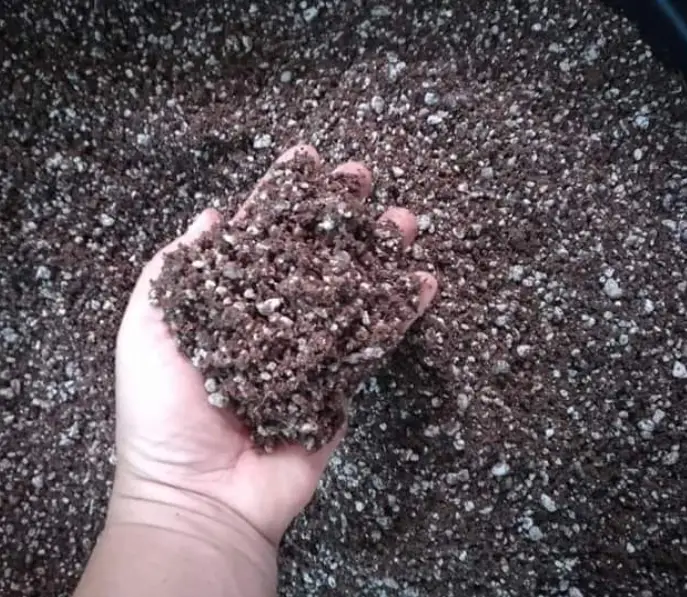
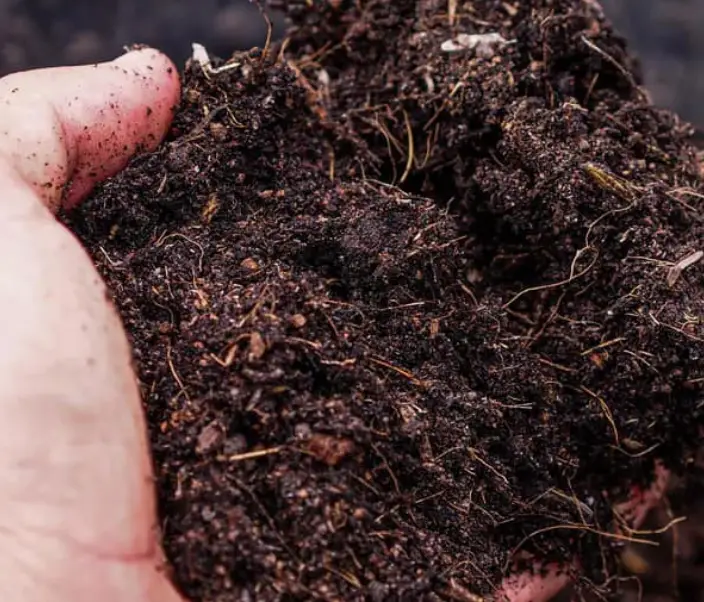
Compost is ready when it’s dark, crumbly, and smells earthy, like a forest floor. This takes 2–6 months, depending on conditions. I test a small handful—if it’s still hot or has visible chunks, it needs more time.
Step 5: Screen for perfection
Before brewing, I sift my compost through a ¼-inch mesh to remove twigs or clumps. This ensures a smooth, effective tea that won’t clog sprayers.
Brewing Compost Tea – Why Compost Quality Matters
The quality of your compost directly impacts your tea’s potency. High-quality compost produces a microbe-rich brew that supercharges plants, while poor compost yields a lackluster liquid. I brew using an aerated method, bubbling air through a mix of compost, water, and a microbial food source like molasses.
The Rodale Institute has a great guide on brewing techniques, from simple buckets to advanced systems.
My Go-To Compost Tea Recipe
Here’s the recipe I’ve perfected over years of brewing:
- 5 gallons of chlorine-free water: I let tap water sit for 24 hours to remove chlorine, or I use rainwater for purity.
- 1–2 cups of mature compost: Screened, microbe-rich, and fully decomposed.
- 1 ounce of unsulfured molasses: Feeds microbes during brewing, boosting their numbers.
- Aerator: An aquarium pump with air stones keeps the mix oxygenated.
- Optional boosters: I sometimes add kelp meal or fish emulsion for extra nutrients, but sparingly to avoid overdoing it.
I brew for 24–36 hours at room temperature, then apply the tea to soil or foliage with a watering can or sprayer. My tomatoes, roses, and kale go wild for it.
Learn more: The benefits of worm casting tea and how to make it
Advanced Tips for Compost and Tea Success
After years of composting, I’ve picked up some tricks that take my compost—and tea—to the next level:
- Biochar boost: I mix in biochar, a charred organic material that acts like a microbial hotel. It holds nutrients and water, making tea more effective. Learn more from the International Biochar Initiative.
- Vermicompost power: Worm castings from my vermicompost bin are a secret weapon. They’re packed with microbes and nutrients, perfect for tea. I started with a small worm bin, and it’s been a game-changer.
- Seasonal adjustments: In winter, I insulate my pile with straw to keep microbes active. In summer, I water it more to prevent drying out.
- Compost tea additives: Beyond molasses, I’ve experimented with humic acid or mycorrhizal fungi to enhance tea’s benefits. The Soil Food Web has great info on these additives.
Common Mistakes and How to Avoid Them
When I started composting, I was clueless. My first pile was a soggy, smelly mess—think rotting cabbage meets gym socks. I didn’t turn it, used too many greens, and ignored moisture. My tea was weak, and my plants barely noticed.
After studying resources like the USDA’s composting page and experimenting, I got the hang of it. Now, my compost is a point of pride. Last summer, my neighbor marveled at my succulents, and I let her in on my secret: compost tea from a well-crafted pile. She’s now a convert!
I admit it: In this journey, I’ve made my share of composting blunders. Here’s what to watch out for:
- Using immature compost: It can harbor pathogens or burn plants. Always wait for full maturity—dark, crumbly, and odor-free.
- Neglecting aeration: Anaerobic compost smells like a swamp and lacks beneficial microbes. Turn your pile regularly.
- Overloading greens: Too many greens create a slimy, smelly pile. Balance with browns to keep it airy.
- Ignoring contaminants: Chemically treated materials or fresh manure can ruin your tea. Stick to organic, aged inputs.
- Poor storage: I once left compost in a sealed plastic bag, and it turned anaerobic. Store in breathable containers like burlap sacks.
FAQs
Here are quick answers to the frequently asked questions about compost for compost tea.
Q: Can I use store-bought compost for compost tea?
A: Yes, but choose organic, high-quality compost labeled for tea brewing. Generic bags can be hit-or-miss, so look for OMRI certification.
Q: How do I know if my compost is ready for tea?
A: It should be dark, crumbly, and smell earthy, not sour or hot. Test a small batch first to ensure it’s fully mature.
Q: Can I use compost from a worm bin?
A: Definitely! Vermicompost is ideal for tea due to its high microbial content. My worm bin castings produce some of my best brews.
Q: How long can I store compost for tea?
A: Store it in a cool, dry place in breathable containers like burlap sacks. I’ve kept mine for six months without issues, as long as it stays aerated.
Q: Does compost tea replace fertilizer?
A: It’s a supplement, not a full replacement. I use it alongside organic fertilizers like fish emulsion for balanced nutrition.
Q: Can I overdo compost tea?
A: Yes, over-application can lead to nutrient overload. I apply tea every 1–2 weeks during the growing season, diluting it if it’s very potent.
Q: What’s the best time to apply compost tea?
A: Early morning or late afternoon works best to avoid leaf burn. I apply to soil for root uptake or foliage for pest resistance.
Final Thoughts
Compost tea has revolutionized my garden. My roses bloom longer, succulents thrive, my veggies yield more, and my soil feels alive. The key is starting with compost that’s bursting with nutrients and microbes.
I’ve learned that crafting perfect compost for compost tea is like mastering a recipe—it takes quality ingredients, attention to detail, and a dash of patience. I’ve spent years fine-tuning my piles, and the payoff is a garden that thrives. From balancing C:N ratios to nurturing microbes, every step counts.
By balancing browns and greens, aerating regularly, and avoiding contaminants, you’ll create compost that makes unbeatable tea. It’s not just about gardening—it’s about nurturing an ecosystem that rewards you with every harvest.
Have tips or questions from your own composting adventures? Share them below—I’d love to hear your stories!
Additional Resources for Composting Success
- EPA Composting Guide: A beginner-friendly overview of safe composting.
- Cornell Composting Science: Deep dive into microbial activity and compost management.
- Rodale Institute on Compost Tea: Expert advice on brewing and application.
- Gardening Know How: Practical tips for setting up a compost system.
- International Biochar Initiative: Learn how biochar enhances compost and tea.
- Soil Food Web: Insights on microbial additives for compost tea.

Tim M Dave is a gardening expert with a passion for houseplants, particularly cacti and succulents. With a degree in plant biology from the University of California, Berkeley, he has vast experience in gardening. Over the years, he has cultivated a vast collection of desert plants and learned a great deal about how to grow and care for these unique companions.