Understanding The Chinese Evergreen Plant: History, Care, and Common Problems
Chinese Evergreen, or Aglaonema, is the houseplant that stole my heart the moment I saw its glossy, vibrant leaves. Its lush foliage and low-maintenance nature make it a favorite for beginners and seasoned plant enthusiasts alike.
Whether you’re sprucing up your home, office, or apartment, this tropical beauty fits right in. In this ultimate guide, I’ll share everything you need to know about growing Chinese Evergreen—its history, characteristics, care tips, and how to troubleshoot common issues.
Brief History of The Chinese Evergreen Plant
When I first brought home my Chinese Evergreen, I was curious about its backstory. Native to the tropical forests of Southeast Asia—think Thailand, Malaysia, and the Philippines—Aglaonema thrives in the shaded understories of rainforests. This explains why it’s so forgiving in low-light indoor spaces.
The plant’s common name, Chinese Evergreen, hints at its cultural roots. In many Asian cultures, it’s one of the flowers that symbolizes good luck, prosperity, and positive energy. I’ve read that in Feng Shui, placing a Chinese Evergreen in the wealth corner of your home can attract abundance.
Whether or not you believe in that, it’s hard to deny the plant’s calming presence.
Historically, Chinese Evergreen was valued for more than its looks. In its native regions, it was sometimes used in traditional medicine, though I wouldn’t recommend trying that at home due to its toxicity.
The plant’s rise to fame in the West began in the 20th century when horticulturists recognized its potential as a houseplant. By the 1980s, hybridizers were busy creating cultivars with dazzling leaf patterns, from silvery greens to vibrant pinks. Today, Aglaonema is a global favorite, gracing homes, offices, and even shopping malls.
Botanical Classification
Let’s get nerdy for a moment. Chinese Evergreen belongs to the Aglaonema genus, part of the Araceae family, which includes relatives like peace lilies and philodendrons. Here’s the breakdown:
- Scientific Name: Aglaonema
- Common Names: Chinese Evergreen, Philippine Evergreen, Poison Dart Plant
- Family: Araceae
- Genus: Over 20 species, with countless cultivars
- Notable Species: Aglaonema commutatum, Aglaonema nitidum, Aglaonema pictum
The Araceae family is known for its spadix flowers—small blooms on a spike surrounded by a leaf-like spathe. While Chinese Evergreen can flower indoors, it’s the foliage that steals the show. Cultivars like ‘Silver Bay,’ ‘Maria,’ and ‘Red Valentine’ offer a spectrum of colors and patterns, making each variety a unique addition to your collection.
Evolution of Cultivars
The diversity of Chinese Evergreen cultivars is mind-blowing. When I visited a local nursery, I was overwhelmed by the choices—each plant seemed more stunning than the last. Breeders have spent decades crossbreeding to enhance leaf variegation, color intensity, and resilience.
For example, ‘Silver Queen’ boasts silvery-green leaves, while ‘Pink Moon’ flaunts pink splashes. This diversity means there’s a Chinese Evergreen for every aesthetic, from minimalist to tropical jungle vibes.
Cultural Impact
Beyond its botanical appeal, Chinese Evergreen has a cultural footprint. In Asia, it’s often gifted during housewarmings or Lunar New Year for its auspicious symbolism. In the West, it’s a favorite in interior design, thanks to its versatility.
I’ve seen it styled in sleek modern apartments and cozy bohemian spaces alike. Its ability to thrive in low light makes it a go-to for offices, where it adds a touch of greenery without demanding much attention.
Characteristics of Chinese Evergreen
When I first laid eyes on my Chinese Evergreen, its glossy, lance-shaped leaves mesmerized me. Here’s a detailed look at its key features, so you know what to expect when you bring one home.
- USDA Hardiness Zone: 10-12 (grown indoors in most climates)
- Color Variation: Leaves range from dark green to silver, pink, red, or variegated patterns, depending on the cultivar.
- Sun Exposure: Low to moderate indirect light; tolerates fluorescent lighting.
- Mature Size: 1-3 feet tall and wide, depending on the variety.
- Growth Rate: Slow to moderate.
- Lifespan: 10+ years with proper care.
- Toxicity: Toxic to pets and humans if ingested due to calcium oxalate crystals, causing mouth irritation or digestive issues.
Leaf Patterns and Colors
The leaves are the star of the show. They grow in a rosette pattern, giving the plant a compact, bushy look. Depending on the cultivar, you might see:
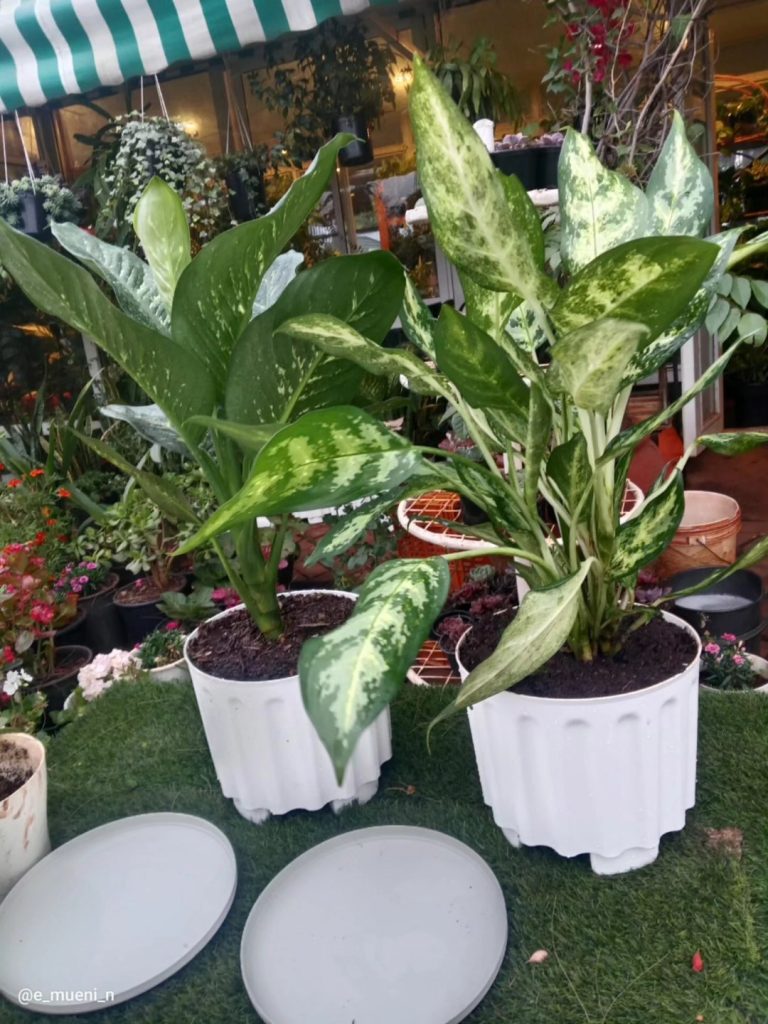
- Dark Green: Classic varieties like ‘Maria’ have deep green leaves with subtle variegation.
- Silver: ‘Silver Bay’ and ‘Silver Queen’ feature silvery-green foliage that reflects light beautifully.
- Pink/Red: ‘Red Valentine’ or ‘Siam Aurora’ boast vibrant pink or red streaks, perfect for adding a pop of color.
- Variegated: ‘Emerald Beauty’ combines green with cream or yellow speckles.
I have a ‘Siam Aurora’ on my desk, and its pinkish-red leaves never fail to brighten my day. The glossy texture adds a touch of elegance, making it a focal point in any room.
Growth and Size
Chinese Evergreens are compact, rarely exceeding 3 feet in height or width. This makes them ideal for small spaces like apartments or office desks. Their slow to moderate growth rate means you won’t need to repot often—mine has been in the same pot for two years and still looks great.
If you want a larger plant, opt for varieties like ‘Silver Bay,’ which can reach 3 feet under ideal conditions.
Flowers and Reproduction
Occasionally, Chinese Evergreen produces small, white spadix flowers surrounded by a green or white spathe. I’ve only seen mine flower once, and it was a subtle but exciting surprise. The flowers aren’t the main attraction, though, and many growers remove them to focus energy on the foliage.
The plant reproduces naturally via seeds or offsets in the wild, but indoors, propagation is typically done through cuttings or division (more on that later).
Toxicity Concerns
A word of caution: Chinese Evergreen is toxic if ingested. The calcium oxalate crystals in its leaves can cause mouth irritation, swelling, or digestive upset in humans and pets. When I got my first Aglaonema, I made sure to place it on a high shelf, away from my curious cat.
If you have pets or kids, keep the plant out of reach and wash your hands after handling it.
Environmental Adaptability
What makes Chinese Evergreen so popular is its adaptability. It thrives in low light, making it perfect for rooms with minimal natural light. It also tolerates a range of temperatures (65-80°F) and can handle average household humidity, though it loves a bit of extra moisture.
This resilience makes it a dream for busy plant parents like me.
How to Care for Chinese Evergreen
Caring for Chinese Evergreen is so easy that even I, a self-proclaimed “plant killer” in my early days, couldn’t mess it up. Below, I’ve broken down the essentials based on my experience and expert advice. Whether you’re a beginner or a pro, these tips will keep your Aglaonema thriving.
1. Light Requirements
Chinese Evergreen loves low to moderate indirect light. I keep mine near a north-facing window, where it gets soft, filtered light all day. It’s also happy under fluorescent lights, which is why you see it in offices and malls. Direct sunlight is a no-go—it can scorch the leaves, leaving unsightly brown spots.
If your plant’s leaves look faded or leggy, it might need more light. Try moving it closer to a window or supplementing with a grow light. I use a small LED grow light during winter, and my plant has never looked better.
Pro Tip: Rotate your plant every few weeks to ensure even growth, as it tends to lean toward the light.
2. Watering
Watering is where most people trip up. I learned this the hard way when my first Chinese Evergreen developed yellow leaves from overwatering. Water when the top inch of soil feels dry, usually every 1-2 weeks.
Use a pot with drainage holes to prevent water from pooling at the bottom, which can lead to root rot. In winter, cut back on watering as the plant’s growth slows. If the leaves droop, check the soil: soggy means overwatering, dry means underwatering. Adjust accordingly.
My Routine: I stick my finger in the soil weekly. If it’s dry an inch down, I give it a thorough drink, letting excess water drain out.
3. Soil needs
A well-draining potting mix is key. I use a mix of peat moss, perlite, and potting soil (1:1:1 ratio) for my Chinese Evergreen. You can also buy a pre-made houseplant mix, but make sure it’s light and airy. Good drainage prevents root rot, which is a common killer of Aglaonema.
If you’re repotting, choose a pot only slightly larger than the current one—Chinese Evergreen likes to be a bit snug.
4. Humidity and Temperature
Coming from tropical rainforests, the Chinese Evergreen loves humidity. Aim for 50-60% humidity, though it can tolerate lower levels. I mist my plant weekly or place it near a humidifier, especially in winter when indoor air gets dry. A pebble tray with water works too—just set the pot on pebbles above the waterline.
Keep temperatures between 65-80°F (18-27°C). Avoid cold drafts, air conditioners, or heating vents, as sudden temperature changes stress the plant. Last winter, I placed my Aglaonema too close to a drafty window, and the leaves started curling. Moving it to a warmer spot fixed it within days.
5. Fertilizing
Feed your Chinese Evergreen every 4-6 weeks during spring and summer with a balanced liquid fertilizer (e.g., 10-10-10). I dilute mine to half-strength to avoid burning the roots. Over-fertilizing can cause brown leaf tips, so less is more.
Skip fertilizing in fall and winter when the plant is dormant. If you notice salt buildup on the soil surface (white crusty stuff), flush the pot with water to rinse it out.
6. Pruning and Maintenance
Pruning keeps your Chinese Evergreen looking tidy. I use clean scissors to trim yellow or damaged leaves at the base. Dust can build up on the glossy leaves, so I wipe them monthly with a damp cloth. This not only keeps the plant looking sharp but also helps it photosynthesize better.
Repot every 2-3 years or when the plant becomes root-bound. When I repotted my ‘Siam Aurora,’ I was amazed at how tightly packed the roots were—it was definitely time for a bigger pot!
7. Propagation
Propagating Chinese Evergreen is so rewarding! I’ve successfully propagated mine using stem cuttings. Here’s how:
- Stem cuttings: Cut a 4-6 inch stem with a few leaves. Place it in water or moist soil. Roots form in 3-4 weeks.
- Division: During repotting, gently separate the plant into smaller clumps with roots attached. Plant each clump in its own pot.
- Tips: Keep cuttings in bright, indirect light and maintain high humidity. I cover mine with a plastic bag to create a mini greenhouse.
I gave a propagated cutting to a friend, and now she’s hooked on Chinese Evergreens too!
8. Potting and Repotting
Choose a pot with drainage holes to prevent waterlogging. I prefer terracotta pots for their breathability, but plastic or ceramic works too. Repot every 2-3 years or when roots start circling the pot’s bottom. When repotting, gently tease apart the roots and use fresh soil. Water lightly after repotting to help the plant settle.
9. Seasonal Care
Chinese Evergreen’s needs change with the seasons. In spring and summer, it grows actively, so water and fertilize regularly. In fall and winter, it slows down, so reduce watering and skip fertilizer. I keep a care calendar to remind myself of these shifts—it’s a lifesaver for staying consistent.
10. Styling and Decor
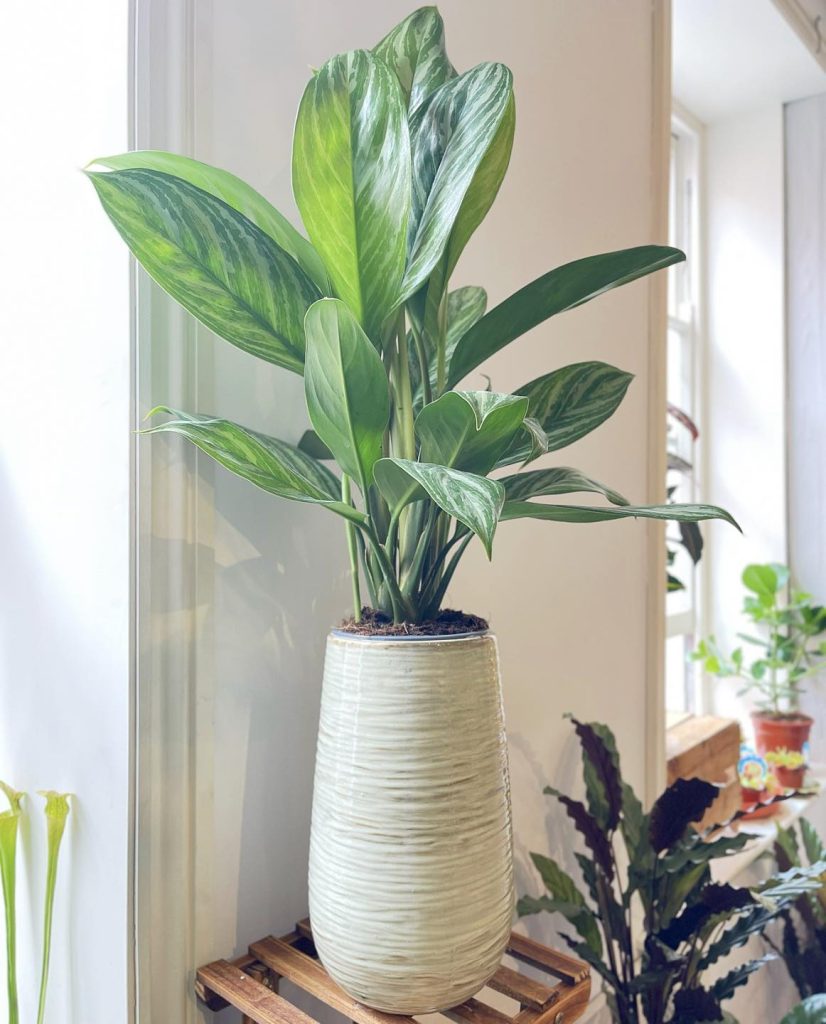
Chinese Evergreen is a decor superstar. Its compact size and vibrant leaves make it versatile for any space. I’ve styled mine on a bookshelf, in a ceramic pot, for a modern look. For a tropical vibe, pair it with other low-light plants like pothos or peace lilies.
Group plants of different heights and textures for a lush display. In offices, place it on a desk or in a corner to add warmth. Use a decorative pot with bold colors to complement variegated varieties like ‘Red Valentine.’ It’s an instant focal point.
Common Problems and Solutions
Even with its easy-going nature, Chinese Evergreen can face challenges. Below are the most common issues I’ve dealt with, along with solutions to keep your plant healthy.
1. Yellowing Leaves
Yellowing leaves are one of the most common issues with Chinese Evergreen. The leaves, typically vibrant green or variegated, turn yellow, often starting at the tips or edges, and may eventually drop. This can affect the plant’s overall appearance and vigor.
Causes
- Overwatering: Too much water leads to soggy soil, suffocating roots and causing yellowing.
- Underwatering: Dry soil starves the plant, leading to nutrient deficiencies and yellow leaves.
- Low light: Insufficient light hinders photosynthesis, causing leaves to lose color.
- Nutrient deficiency: Lack of fertilizer during the growing season can starve the plant.
- Aging: Older leaves naturally yellow and die off as part of the plant’s life cycle.
Solutions
- Check Soil Moisture: Stick your finger an inch into the soil. If it’s soggy, let it dry out before watering again. If dry, water thoroughly, ensuring excess drains out. I once overwatered my ‘Siam Aurora,’ and yellow leaves were the first sign. Cutting back on watering saved it.
- Adjust light: Move the plant to a spot with bright, indirect light. North- or east-facing windows are ideal. If you’re using artificial light, ensure it’s on for 12-14 hours daily.
- Fertilize: Feed with a balanced liquid fertilizer (e.g., 10-10-10) every 4-6 weeks in spring and summer. Dilute to half-strength to avoid over-fertilizing.
- Prune old leaves: If only lower, older leaves are yellowing, trim them with clean scissors to redirect energy to new growth.
- Monitor: Keep a watering log to track your routine. I use a small notebook to note when I water my plants—it’s a game-changer for consistency.
Prevention: Water only when the top inch of soil is dry, ensure proper drainage, and provide adequate light. Regularly check older leaves for natural yellowing to avoid mistaking it for a problem.
2. Brown Leaf Tips
Brown, crispy tips on the leaves give Chinese Evergreen an unsightly appearance. This issue often starts at the leaf edges and can spread if not addressed, affecting the plant’s aesthetic appeal.
Causes
- Low humidity: Dry indoor air, especially in winter, causes leaf tips to dry out.
- Over-fertilizing: Excess fertilizer salts build up in the soil, burning leaf tips.
- Fluoride sensitivity: Chinese Evergreen is sensitive to fluoride in tap water, which can cause browning.
- Inconsistent watering: Fluctuations between over- and underwatering stress the plant.
Solutions
- Increase humidity: Aim for 50-60% humidity. I use a humidifier near my Chinese Evergreen, especially in winter. Alternatively, place the pot on a pebble tray filled with water (ensure the pot doesn’t sit in water). Misting weekly also helps.
- Flush soil: If you suspect fertilizer buildup, water the plant thoroughly to flush out salts. Let excess water drain completely. I do this every few months to keep the soil clean.
- Use distilled water: If your tap water is high in fluoride, switch to distilled or rainwater. I noticed a big difference in my ‘Silver Bay’ after making this switch.
- Stabilize watering: Stick to a consistent watering schedule. Check the soil weekly to avoid extremes.
- Trim brown tips: Use clean scissors to snip off brown tips at an angle, following the leaf’s natural shape for a tidy look.
Prevention: Maintain high humidity, use filtered water, and fertilize sparingly. Monitor your home’s humidity with a hygrometer—I picked one up for cheap online, and it’s been a lifesaver.
3. Pests
Pests like spider mites, mealybugs, and scale can infest Chinese Evergreen, causing stippling, webbing, or sticky residue on leaves. These tiny invaders weaken the plant and can spread to other houseplants if not controlled.
Common Pests
- Spider mites: Tiny, web-spinning pests that cause speckled, yellowing leaves.
- Mealybugs: White, cottony bugs that cluster in leaf axils, sucking sap and leaving sticky honeydew.
- Scale: Small, brown, shell-like insects that attach to stems and leaves, causing yellowing and stunted growth.
Causes
- Low humidity: Dry conditions attract spider mites.
- Poor air circulation: Crowded plants or stale air encourage pest infestations.
- Introduction of new plants: Pests often hitch a ride on new plants brought home.
Solutions
- Inspect regularly: Check leaves (especially undersides) weekly for signs of pests. I caught spider mites early on my ‘Maria’ by spotting tiny webs.
- Wipe leaves: Use a damp cloth with neem oil or insecticidal soap to wipe affected areas. Repeat every 5-7 days until pests are gone.
- Isolate: Move the infested plant away from others to prevent spread. I keep a “quarantine corner” for new or sick plants.
- Shower the plant: Rinse leaves under lukewarm water to dislodge pests. I do this in my bathtub for larger plants.
- Use insecticides: For severe infestations, apply a houseplant-safe insecticide, following label instructions. Neem oil worked wonders for me.
- Increase humidity: Pests hate humid environments, so keep humidity high to deter them.
Prevention: Quarantine new plants for 2-3 weeks before placing them near others. Maintain good air circulation and humidity. Regularly clean leaves to spot pests early.
4. Drooping Leaves
Drooping or wilting leaves make the plant look sad and limp. This can affect the entire plant or specific stems, signaling stress that needs immediate attention.
Causes
- Underwatering: Dry soil deprives roots of water, causing leaves to droop.
- Overwatering/Root rot: Soggy soil leads to root rot, preventing water uptake and causing wilting.
- Temperature stress: Cold drafts or sudden temperature changes shock the plant.
- Shock from repotting: Disturbing roots during repotting can cause temporary drooping.
Solutions
- Check soil: If dry, water thoroughly until water drains out. If soggy, stop watering and let the soil dry. For root rot, repot in fresh, well-draining soil and trim black, mushy roots.
- Adjust temperature: Keep the plant in a stable 65-80°F (18-27°C) environment, away from drafts or vents. I moved my drooping plant away from a chilly window, and it perked up in days.
- Ease transplant shock: If recently repotted, keep the plant in indirect light and water lightly until it adjusts.
- Monitor recovery: Give the plant a week to recover, checking for new growth. My ‘Red Valentine’ drooped after a move, but consistent care brought it back.
Prevention: Water consistently, use pots with drainage holes, and avoid placing the plant near cold drafts or heat sources.
5. Slow Growth
Slow growth is when your Chinese Evergreen produces few new leaves or stems, making it look stagnant. While Aglaonema naturally grows slowly, a complete lack of growth indicates an issue.
Causes:
- Insufficient light: Too little light limits photosynthesis, stunting growth.
- Nutrient deficiency: Lack of fertilizer deprives the plant of essential nutrients.
- Root-bound plant: Cramped roots in a small pot restrict growth.
- Dormancy: Growth naturally slows in fall and winter.
Solutions
- Increase light: Move to a brighter spot with indirect light. I added a grow light for my plant in winter, and new leaves sprouted within weeks.
- Fertilize: Apply a balanced liquid fertilizer every 4-6 weeks in spring and summer. I use a diluted 10-10-10 fertilizer for consistent results.
- Repot: If roots are circling the pot, repot into a container 1-2 inches larger with fresh soil. I repotted my ‘Silver Bay’ last year, and it doubled in size.
- Be patient: If it’s fall or winter, slow growth is normal. Wait for spring to see a growth spurt.
Prevention: Provide adequate light, fertilize during the growing season, and check for root-bound conditions every 2-3 years.
6. Leggy Growth
Leggy growth occurs when stems stretch out, with long gaps between leaves, making the plant look sparse and lanky. This detracts from its compact, bushy appeal.
Causes:
- Insufficient light: Low light causes the plant to stretch toward light sources.
- Lack of rotation: Not rotating the plant leads to uneven growth toward light.
- Aging: Older plants may naturally become leggy over time.
Solutions
- Increase light: Move to a spot with brighter, indirect light. I placed my leggy plant closer to a window, and it filled out nicely.
- Rotate regularly: Turn the plant every 1-2 weeks to ensure even light exposure. I mark one side of the pot to track rotations.
- Prune: Trim leggy stems back to a node to encourage bushier growth. I propagated the cuttings, getting new plants as a bonus!
- Rejuvenate older plants: For aging plants, propagate healthy stems or divide the plant to start fresh.
Prevention: Provide consistent, bright indirect light and rotate the plant regularly to promote even growth.
7. Leaf Spots
Leaf spots appear as small, dark, or discolored patches on leaves, often with a yellow halo. They can spread, causing leaves to drop and weakening the plant.
Causes
- Fungal/Bacterial infections: Wet foliage or poor air circulation fosters pathogens.
- Overwatering: Soggy soil encourages fungal growth.
- Physical damage: Splashing water or rough handling can cause spots.
Solutions
- Remove affected leaves: Use clean scissors to cut off spotted leaves to prevent spread. Dispose of them immediately.
- Improve air circulation: Space plants apart and avoid crowding. I use a small fan to keep air moving in my plant corner.
- Avoid wet leaves: Water at the soil level, not overhead. I learned this after splashing my plant caused spots.
- Apply fungicide: For persistent fungal issues, use a houseplant-safe fungicide, following label instructions.
- Reduce watering: Ensure the soil dries out between waterings to prevent fungal growth.
Prevention: Keep foliage dry, improve air circulation, and maintain proper watering practices.
8. Root Rot
Root rot is a serious condition where roots turn black, mushy, and smelly, often leading to wilting or plant death. It’s a common issue for overzealous waterers like me in my early plant days.
Causes
- Overwatering: Excess water suffocates roots, promoting fungal growth.
- Poor drainage: Pots without drainage holes trap water, causing rot.
- Compacted soil: Dense soil prevents air from reaching roots.
Solutions
- Inspect roots: Gently remove the plant from its pot and check roots. Healthy roots are white and firm; rotten ones are black and soft.
- Trim affected roots: Use sterilized scissors to cut away mushy roots. I saved a plant by being ruthless with this step.
- Repot: Plant in fresh, well-draining soil (e.g., peat, perlite, potting soil mix) in a pot with drainage holes.
- Adjust watering: Water only when the top inch of soil is dry. I now use a moisture meter to avoid guesswork.
- Monitor recovery: Place in indirect light and water sparingly until new growth appears.
Prevention: Use pots with drainage, choose well-draining soil, and water conservatively.
9. Fading Leaf Color
Fading leaf color occurs when vibrant green or variegated leaves lose their intensity, appearing pale or washed out. This is especially noticeable in colorful varieties like ‘Red Valentine.’
Causes:
- Too much light: Direct sunlight bleaches leaves, especially variegated ones.
- Too little light: Insufficient light dulls colors, particularly in pink or red cultivars.
- Nutrient deficiency: Lack of nutrients affects leaf pigmentation.
Solutions
- Adjust light: Move to bright, indirect light. If in direct sun, use a sheer curtain to filter light. My ‘Siam Aurora’ faded in a sunny spot but regained color after moving.
- Supplement nutrients: Fertilize with a balanced liquid fertilizer every 4-6 weeks during the growing season.
- Check cultivar needs: Some varieties, like ‘Pink Moon,’ need brighter light to maintain color. Research your specific cultivar.
Prevention: Provide optimal light for your cultivar and fertilize regularly during spring and summer.
10. Wilting Flowers
If your Chinese Evergreen flowers, the small white spadix blooms may wilt prematurely, turning brown or drooping. While flowers aren’t the main attraction, wilting can indicate underlying issues.
Causes
- Natural cycle: Flowers naturally wilt after blooming.
- Stress: Overwatering, underwatering, or low light can cause flowers to droop.
- Energy drain: Flowers divert energy from foliage, stressing the plant.
Solutions
- Remove flowers: If you prefer vibrant foliage, cut off flowers at the base to redirect energy. I did this with my plant, and the leaves looked healthier.
- Check care routine: Ensure proper watering and light to reduce stress. Wilting flowers often signal the same issues as drooping leaves.
- Monitor plant health: If flowers wilt alongside other symptoms (e.g., yellow leaves), address the root cause (e.g., overwatering).
Prevention: Maintain consistent care to minimize stress. Consider removing flowers early to focus on foliage.
FAQs
Here are the commonly asked questions about the Chinese evergreen plant and their quick answers.
Q: Is Chinese Evergreen safe for pets?
A: No, it’s toxic to pets and humans if ingested. Keep it out of reach of cats, dogs, and kids.
Q: Can Chinese Evergreen grow in low light?
A: Absolutely! It thrives in low to moderate indirect light, perfect for dim rooms or offices.
Q: How often should I water my Chinese Evergreen?
A: Water when the top inch of soil is dry, typically every 1-2 weeks. Adjust based on light and humidity.
Q: Why are my Chinese Evergreen’s leaves turning yellow?
A: Yellow leaves often mean overwatering, underwatering, or low light. Check soil and light conditions to diagnose.
Q: Can I propagate Chinese Evergreen?
A: Yes! Use stem cuttings in water or soil, or divide the plant during repotting. It’s simple and fun.
Q: Does Chinese Evergreen need high humidity?
A: It prefers 50-60% humidity but tolerates average household levels. Mist or use a humidifier for best results.
Q: How long do Chinese Evergreens live?
A: With proper care, they can live 10+ years, making them a long-term companion.
Q: Can Chinese Evergreen flower indoors?
A: Yes, but it’s rare. The small white flowers are subtle, and many remove them to focus on foliage.
Final thoughts
Chinese Evergreen, has a rich history tied to its origins in the tropical forests of Southeast Asia. I first learned about this plant when researching low-light houseplants, and its backstory fascinated me. Native to regions like Thailand, Malaysia, and the Philippines, Aglaonema thrives in the shaded understories of rainforests, which explains its adaptability to indoor environments.
As you have seen from this guide, this plant is relatively easy to grow and care for and it becomes a success when you understand its needs including watering, light, humidity and temperature, fertilizer, pruning and potting.
References
- Royal Horticultural Society. (2025). Aglaonema Care Guide. rhs.org.uk.
- Missouri Botanical Garden. (2025). Aglaonema Plant Profile. missouribotanicalgarden.org.
- University of Florida IFAS Extension. (2024). Chinese Evergreen: A Versatile Houseplant. edis.ifas.ufl.edu.
- ASPCA. (2025). Toxic and Non-Toxic Plants: Chinese Evergreen. aspca.org.
- Penn State Extension. (2024). Houseplant Care: Chinese Evergreen. extension.psu.edu.
- American Horticultural Society. (2023). Encyclopedia of Houseplants. New York: DK Publishing.

Tim M Dave is a gardening expert with a passion for houseplants, particularly cacti and succulents. With a degree in plant biology from the University of California, Berkeley, he has vast experience in gardening. Over the years, he has cultivated a vast collection of desert plants and learned a great deal about how to grow and care for these unique companions.