Understanding Indoor Cactus Winter Care: Tips for Beginners
Winter can be tough on cacti. I learned this the hard way when my lovely prickly pear turned mushy after a cold snap in my Chicago home. If you’re like me and love your spiky friends, you want to keep them thriving through the chilly months.
In the U.S., where winters range from mild to brutal, protecting your cactus takes a bit of know-how. Understandably, desert cacti are adapted to withstand heat and drought. Winter, with its low light and cold temps, throws them off.
In the U.S., where homes often have dry heating systems or drafty windows, cacti face unique challenges. Too much water or too little light can spell disaster. I’ve seen my barrel cactus looking unhappy when I didn’t adjust its care for winter.

Proper protection keeps your cactus healthy and ready to bloom come spring. Here is what you need to do:
1. Understand your cactus’s winter needs
Not all cacti are the same. Some, like the Christmas cactus, thrive indoors with minimal fuss. Others, such as Opuntia, require extra attention. I have a mix of cacti in my living room, and each has its specific needs.
Most cacti enter a dormancy phase in winter, slowing growth and needing less water. Knowing your cactus type helps. For example, desert cacti like Echinopsis need dry conditions, while jungle cacti tolerate more humidity.
Check your cactus species online or on the plant tag. If you’re unsure, assume it’s a desert type—most common in American homes. Dormant cacti want three things: minimal water, cool temps, and enough light. Get these right, and your cactus will thank you.
2. Adjust watering for winter
Overwatering is a cactus killer. I learned this when I drowned my first bunny ears cactus by watering it like a fern. In winter, cacti need even less water because they’re not growing much. For most desert cacti, water once every 3–4 weeks.
Jungle cacti, like my Christmas cactus, can handle watering every 2 weeks if the soil feels dry. I stick my finger an inch into the soil. If it’s dry, I give a small drink. If it’s still moist, I wait.
Use pots with drainage holes—standing water is a death sentence. In my dry Chicago apartment, I also mist my Thanksgiving cactus lightly to mimic humidity without soaking them. For most homes with air heating, a pebble tray with water near your cactus can help.
3. Provide enough light
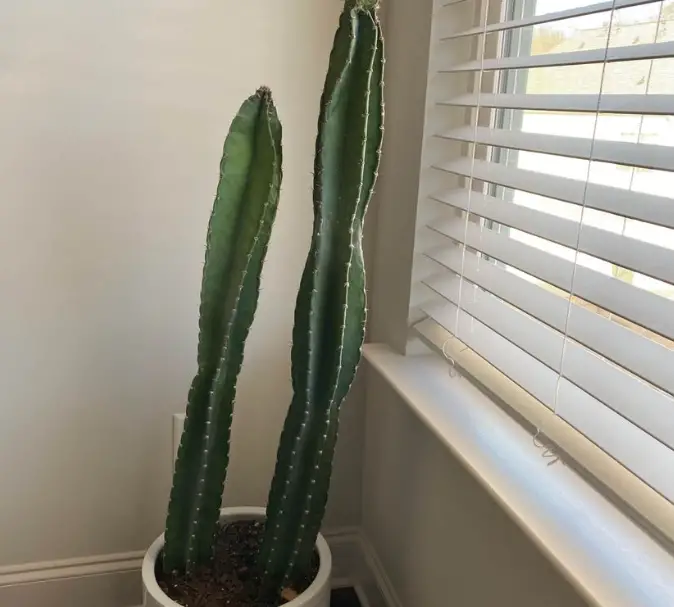
Winter light is weak, especially in northern states like Minnesota or Michigan. Cacti crave sunlight. Insufficient light makes them stretch or fade. My golden barrel cactus started leaning towards one side when I left it in a dim corner last winter.
Now, I place my cacti near south-facing windows, where they get the most sun. This has made them grow strong and compact. Cactus etiolation happens when plants try to reach a source of light. In the process, they become thin and tall.
If your home lacks bright windows, like my old basement apartment did, get a grow light.
LED grow lights are affordable and work wonders. I use a 20-watt full-spectrum bulb, keeping it 6–12 inches above my cacti for 10–12 hours daily.
Rotate your cactus every week for even light exposure. In milder climates like California or Arizona, you might move cacti to a sunny porch, but watch for frost warnings.
4. Protect from cold and frost
American winters vary wildly. In Texas, a mild winter might not faze your cactus. But in places like Wisconsin, freezing temps can sneak indoors near windows. Most cacti tolerate temps down to 40°F, but prolonged cold or frost can damage them.
My friend in Chicago lost a saguaro to a drafty window frame. So, always keep cacti away from drafty windows or doors. I wrap my outdoor cacti in burlap or frost cloth if temps dip below 35°F. Indoors, move them to a spot where temps stay above 50°F.
If you’re in a cold state, check your windows for drafts. I use weatherstripping tape to seal gaps in my old house. For outdoor cacti in milder zones (like USDA zones 9–11), mulch around the base with straw to insulate roots.
5. Manage indoor heating challenges
American homes often blast heat in winter, drying out the air. My cacti suffered until I realized the heater was sucking moisture from their soil too fast.
Low humidity can stress cacti, especially the jungle types. I place a small humidifier near my plants, set to 40–50% humidity. A tray of pebbles with water also works if you don’t have a humidifier.
Avoid placing cacti directly above radiators or vents. The hot, dry air can shrivel them. My prickly pear got crispy edges before I moved it away from a baseboard heater. Keep a thermometer near your cacti to monitor temperature. Aim for 50–70°F for most species.
6. Watch for pests and diseases
Winter can bring sneaky pests like spider mites, which love dry indoor air. I had a spider mite invasion on my hedgehog cactus last February. Check your cacti weekly for tiny webs or yellowing spots.
If you spot pests, wipe leaves with a damp cloth or use neem oil. I mix a teaspoon of neem oil with a quart of water and spray lightly. More importantly, I do regular inspections, which has greatly helped combat most of the common cactus pests.
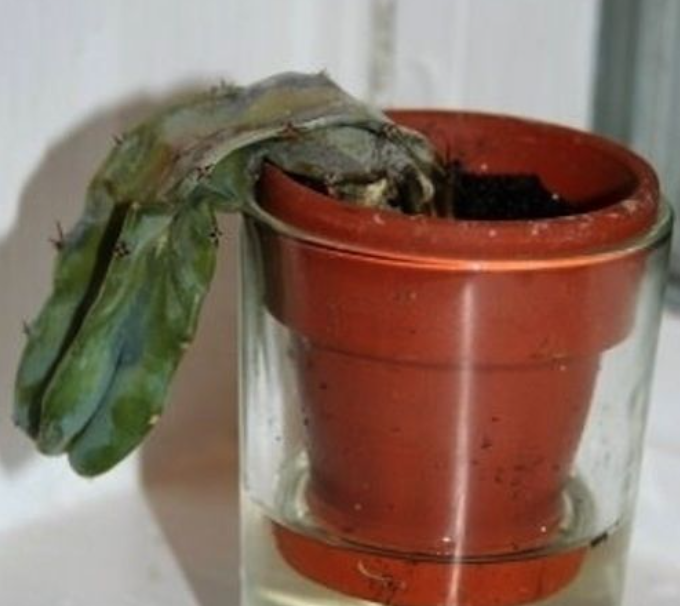
Rot is another winter risk, especially if you overwater. If your cactus feels soft or looks discolored, cut back on water and check the roots. I saved a rotting cactus by trimming mushy roots and repotting in fresh, well-draining soil. Use a cactus-specific mix with sand or perlite for best results.
Repotting and propagation in winter
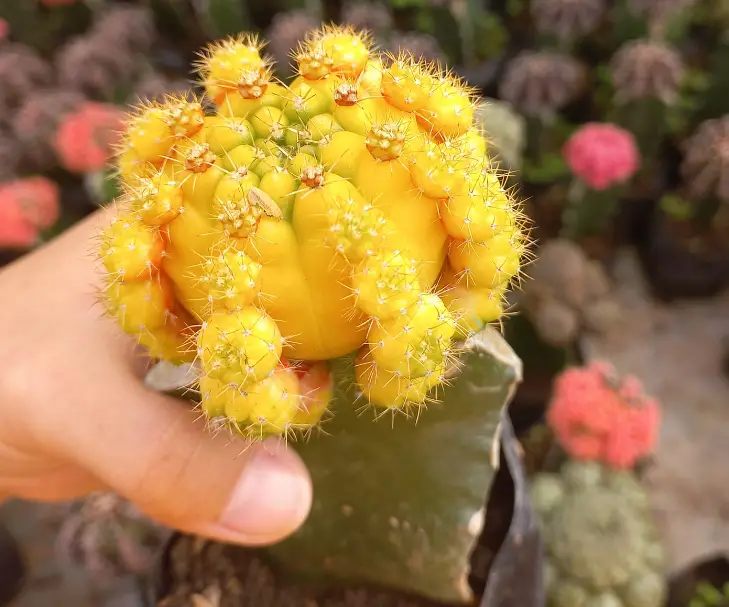
Winter isn’t ideal for repotting, but sometimes it’s necessary. I repotted a moon cactus when I noticed its roots were cramped. If you must repot, do it early in winter before dormancy kicks in fully. Use a pot just 1–2 inches larger than the current one.
A well-draining soil is mandatory. My go-to mix is 50% potting soil, 25% sand, and 25% perlite. You also go for pre-made mixes for cacti and succulents.
Propagation is trickier in winter since growth is slow. I’ve had success with stem cuttings from my Christmas cactus. Just let them callus for a week before planting. Keep cuttings in a warm, bright spot, but don’t expect fast results until spring.
Regional Tips for American Homes
Winter cactus care depends on where you live. In the Southwest (Arizona, New Mexico), outdoor cacti might need only light protection from rare frosts. I visited a friend in Tucson who covers her saguaros with old blankets on cold nights.
In the Northeast or Midwest, indoor care is key. My cacti stay indoors from November to March, soaking up window light.
In humid areas like Florida, tropical cacti thrive, but desert types need careful watering to avoid rot. If you’re in a mild coastal area like California, you might keep cacti on a patio but bring them in during storms.
Check your USDA zone for specific guidance. Most cacti do best in zones 9–11 but can survive indoors anywhere.
My Winter Cactus Care Routine
Here’s what works for me in my Chicago home:
- Watering is every 3–4 weeks, checking soil dryness first.
- South-facing window or grow light for 10 hours daily.
- Keep the temperature above 50°F, away from drafts.
- Pebble tray or humidifier for Christmas cactus.
- Weekly inspection of pests with a magnifying glass.
- Rotate pots every week for even light.
This routine keeps my cacti perky through winter. Adjust based on your home’s conditions and your cactus’s needs.
I’ve also made plenty of mistakes. Don’t water on a fixed schedule. Check the soil instead. Don’t leave cacti in dark corners; they’ll stretch. And don’t ignore drafts or heater vents. Learning from my flops has made me a better cactus parent.
Final Thoughts
Protecting your cactus in winter doesn’t have to be hard. With a little attention to water, light, and temperature, your spiky pals will thrive in any climate. I love watching my cacti come through winter strong, ready to shine in spring.
For more cactus care resources, visit:
- The Cactus and Succulent Society of America
- University of Arizona Cooperative Extension
- Missouri Botanical Garden

Tim M Dave is a gardening expert with a passion for houseplants, particularly cacti and succulents. With a degree in plant biology from the University of California, Berkeley, he has vast experience in gardening. Over the years, he has cultivated a vast collection of desert plants and learned a great deal about how to grow and care for these unique companions.