Explained: Why Are There Brown Spots on My Jade Plant?
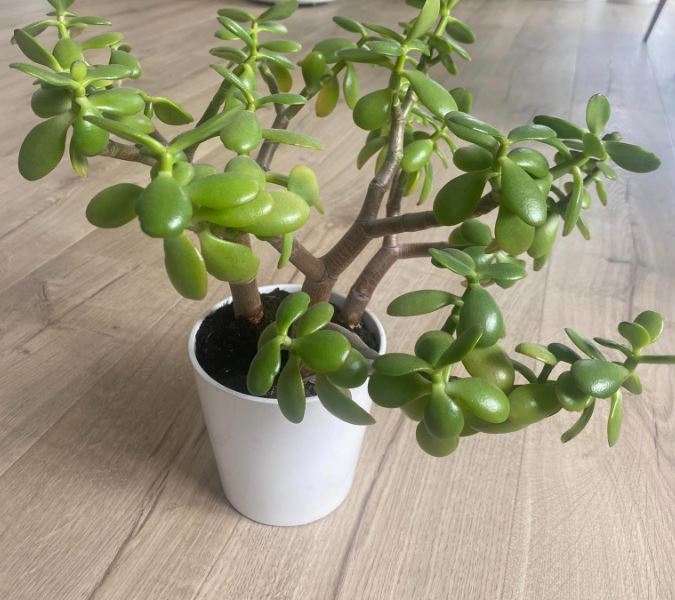
As a proud plant parent, I’ve always loved the plump, glossy leaves of my jade plant. It’s like a little green buddy that brightens up my living room. But one day, I noticed something alarming—brown spots speckling those perfect leaves.
If you’re here, you’ve probably seen the same on your jade plant and are wondering, “What’s going on?” Don’t worry—I’ve been there, and I’m here to help you figure out why your jade plant has brown spots and how to get it thriving again.

What Causes Brown Spots on Jade Plants?
Brown spots on jade plants can pop up for several reasons. From my experience, it’s usually tied to care mistakes or environmental issues. Here are the main culprits:
1. Overwatering – The silent succulent killer
Jade plants are succulents, meaning they store water in their leaves. Overwatering is a common mistake, especially in American homes where we sometimes love our plants a little too much. I learned this the hard way when I drowned my first jade plant with daily watering.
Excess water causes root rot, which shows up as soft, mushy brown spots on leaves. The spots are often soft, dark brown, or black, and the leaves may feel squishy. The base of the plant might also look soggy. Read more on jade plant root rot.
How to fix it
- Stop watering immediately and let the soil dry out completely.
- Check the roots. If they’re mushy or black, trim them with clean scissors and repot in fresh, well-draining succulent soil. I recommend a mix like Miracle-Gro Succulent Potting Mix.
- Water sparingly—once every two weeks or when the soil is bone dry. In winter, cut back even more.
2. Underwatering – When your jade gets thirsty
While jade plants are drought-tolerant, they still need water. I once forgot about my jade for weeks during a busy month. The leaves started wrinkling with dry, crispy brown spots. This happens when the plant pulls water from its leaves to survive.
How to fix it
- Give your jade a thorough drink, letting water run through the drainage holes.
- Check the soil weekly. If it’s dry an inch down, it’s time to water.
- Use a pot with drainage holes to prevent water from sitting at the bottom.
3. Sunburn – Too much of a good thing
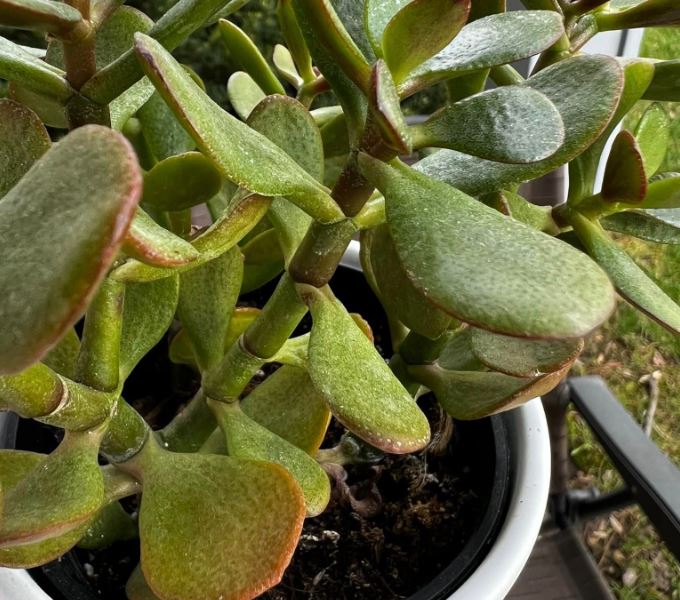
Jade plants love bright light, but too much direct sun can scorch their leaves. This happened to my jade when I moved it to a south-facing window in my home without easing it into the sunlight. The result? Brown, crispy spots on the leaves. Sunburn spots are dry, discolored patches, often on the side facing the sun.
How to fix it
- Move your jade to a spot with bright, indirect light, like an east-facing window.
- Gradually acclimate it to brighter light over a few weeks if you want to move it outdoors.
- If the damage is minor, trim affected leaves with clean scissors.
4. Pests – Tiny trouble makers
Pests like mealybugs, spider mites, or scale can cause brown spots. I once found mealybugs on my jade, leaving cottony patches and brown marks where they fed. These pests are common in homes with dry indoor environments.
To spot mealybugs, look for tiny bugs, webbing, or sticky residue. Brown spots may appear where pests have damaged the leaves.
How to fix it
- Wipe leaves with a cotton ball dipped in rubbing alcohol to remove pests.
- Spray with neem oil (I use Garden Safe Neem Oil) every few days until pests are gone.
- Isolate the plant to prevent pests from spreading to others.
5. Fungal or bacterial infections
Fungal or bacterial issues can cause brown spots, especially if your plant stays too wet. This happened to my jade during a humid summer when I left it in a poorly ventilated spot.
Spots caused by fungal or bacterial infections are often black or dark brown, sometimes with a yellow halo. They may spread quickly.
How to fix it
- Remove affected leaves with sterilized scissors.
- Improve air circulation around the plant.
- Apply a fungicide like Bonide Copper Fungicide.
- Avoid overhead watering and ensure the soil dries out between waterings.
6. Nutrient deficiency
Jade plants don’t need much fertilizer, but a lack of nutrients can cause brown spots. I noticed this when my jade’s leaves started yellowing with brown tips after years without feeding.
The spots may appear alongside yellowing leaves or stunted growth.
How to fix it
- Feed your jade with a diluted, balanced fertilizer (like 10-10-10) once a month during spring and summer.
- Avoid over-fertilizing, as this can burn the roots and worsen the problem.
How to Prevent Brown Spots on Your Jade Plant
Prevention is easier than fixing brown spots. Here’s what I’ve learned to keep my jade plant spot-free:
- Stick to a “soak and dry” method. Water thoroughly, then wait until the soil is completely dry before watering again. In winter, water even less.
- Place your jade in bright, indirect light. In American homes, east or west-facing windows work great. If you’re in a sunny state like California or Arizona, use a sheer curtain to filter harsh sunlight.
- Use well-draining soil. A cactus or succulent mix is ideal. I mix in perlite or sand for extra drainage.
- Check for pests regularly. Inspect your plant weekly, especially under leaves and at stem joints.
- Maintain good airflow. Avoid crowding your jade with other plants to reduce humidity and fungal risks.
- Repot every few years. Refresh the soil every 2-3 years to prevent nutrient depletion and compacted soil.
Step-by-Step Guide to Reviving Your Jade Plant
If your jade plant already has brown spots, don’t panic. Here’s what I do to nurse mine back to health:
- Identify the cause using the descriptions above. Check the soil, light, and leaves for clues.
- Use clean, sharp scissors to cut off brown or mushy leaves. This prevents the issue from spreading.
- If overwatered, let the soil dry out. If underwatered, give it a good drink.
- Treat pests or infections. Use neem oil for pests or fungicide for fungal issues.
- If the roots are damaged, repot in fresh soil and a clean pot with drainage holes.
- Keep an eye on your plant over the next few weeks. New growth is a good sign!
When to Seek Professional Help
If you’ve tried everything and your jade plant still struggles, it might be time to consult an expert. Local nurseries or extension services, like those offered by the USDA Cooperative Extension System, can provide personalized advice.
I once took my jade to a nursery in my town, and they helped me identify a stubborn fungal issue I’d missed.
FAQs
Here are frequently asked questions about brown spots on jade plants
Q: Can I save a jade plant with lots of brown spots?
A: Yes, if you act quickly. Remove affected leaves, address the root cause (like overwatering or pests), and give it proper care. Patience is key—new growth can take weeks.
Q: Are brown spots contagious to other plants?
A: If caused by pests or fungi, yes. Isolate your jade plant until the issue is resolved to protect your other houseplants.
Q: How often should I water my jade plant?
A: It depends on your climate. In dry areas like Nevada, water every 1-2 weeks in summer. In humid regions like Louisiana, water every 2-3 weeks. Always check the soil first.
Q: Can I put my jade plant outside?
A: Yes, but gradually introduce it to outdoor light to avoid sunburn. In colder states like Minnesota, bring it indoors before frost hits (below 50°F).
Q: Why do the brown spots keep coming back?
A: You may not have fully addressed the cause. Double-check your watering, light, and pest control. Persistent issues might mean it’s time to repot or consult a local nursery.
Final Thoughts
Brown spots on your jade plant can feel like a punch to the gut, but they’re usually fixable with a little tender love care. I’ve revived several jade plants over the years by addressing overwatering, pests, or light issues.
By understanding your plant’s needs and tweaking its care, you can keep those glossy green leaves spot-free. For more plant care tips, check out resources like the Missouri Botanical Garden or the Royal Horticultural Society.
Got questions about your jade plant? Drop them below, and let’s keep our succulents happy!

Tim M Dave is a gardening expert with a passion for houseplants, particularly cacti and succulents. With a degree in plant biology from the University of California, Berkeley, he has vast experience in gardening. Over the years, he has cultivated a vast collection of desert plants and learned a great deal about how to grow and care for these unique companions.