Identification of Those Brown Spots on Your Hydrangea Leaves + Their Solutions
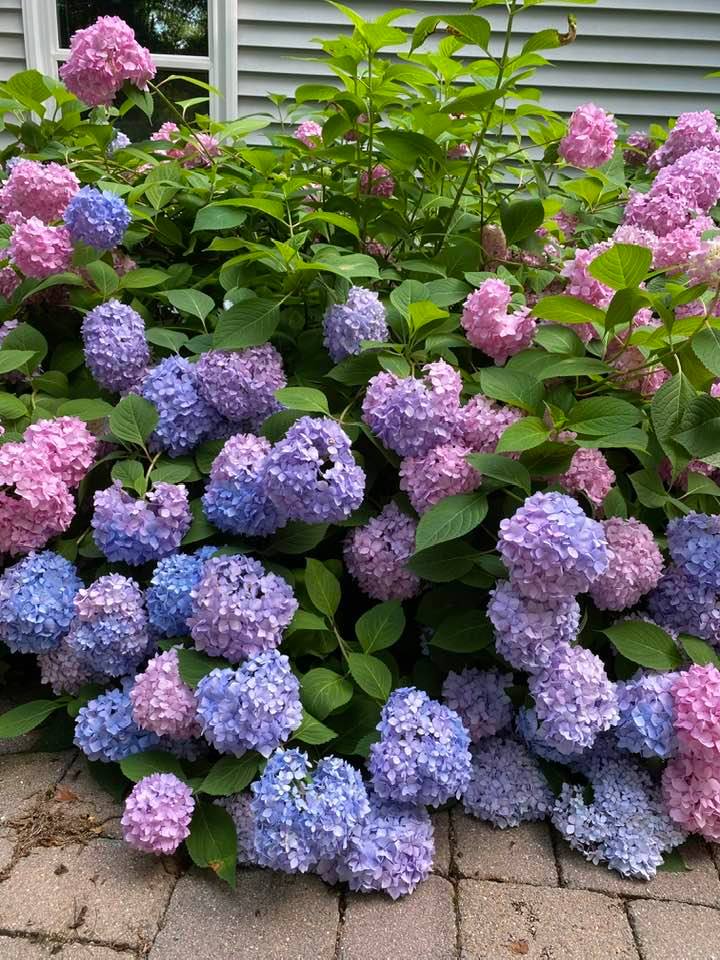
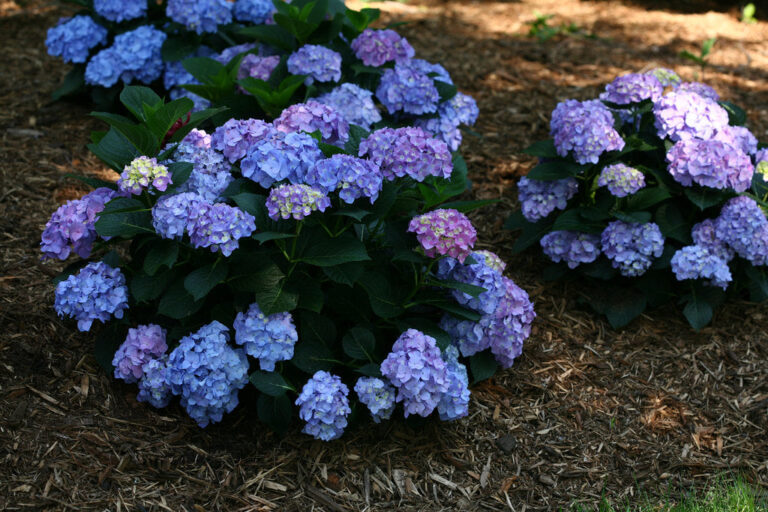
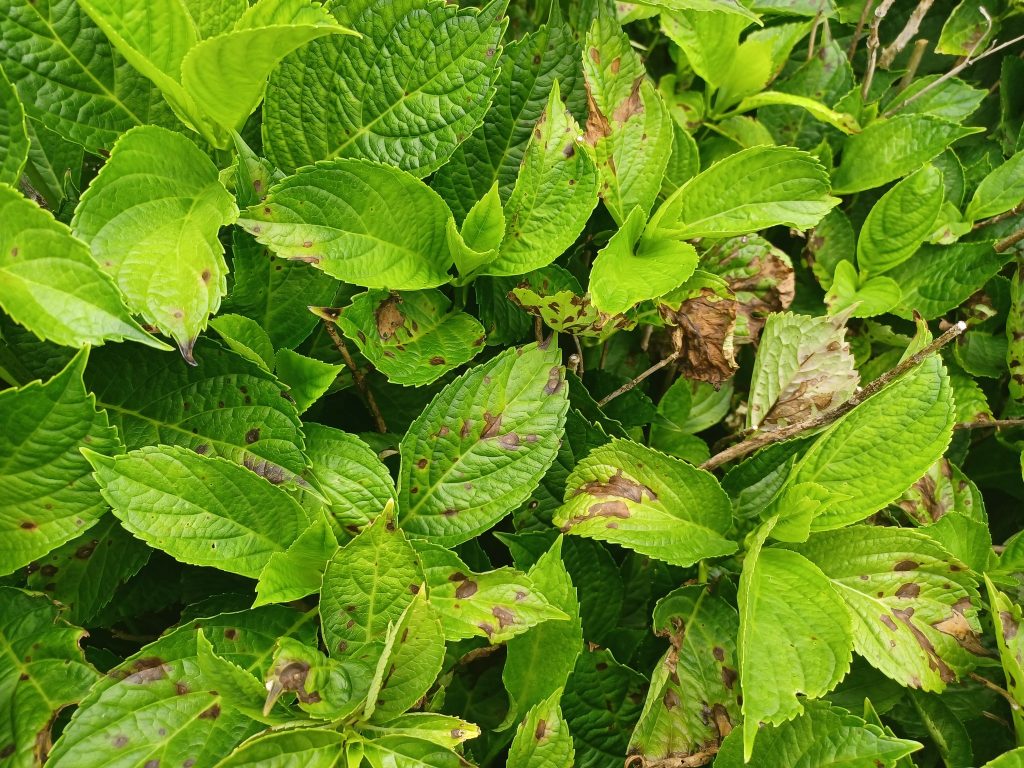
Hydrangeas are the stars of my garden. Their big, bold blooms in shades of pink, blue, and white never fail to impress. But last summer, I noticed something alarming: brown spots speckling the leaves of my beloved hydrangeas. At first, I thought it was just a quirk, maybe a bit of sun scorch. But as the spots spread, I knew I had a problem.
If you’re seeing brown spots on your hydrangea leaves, you’re not alone. This is a common issue for American gardeners, and it can stem from a variety of causes—fungal diseases, pests, environmental stress, or even improper care. Let’s explore more on this problem.
Why Are There Brown Spots on My Hydrangea Leaves?
When I first saw those brown spots on my hydrangeas, I panicked. Were my plants dying? Was it a disease? A pest? The truth is, brown spots can result from several culprits. Here’s a quick rundown of the most common causes:
- Fungal diseases: Fungi like Cercospora and anthracnose love humid conditions and can leave unsightly spots on leaves.
- Pests: Tiny critters like spider mites or aphids can damage leaves, causing brown, discolored patches.
- Environmental stress: Too much sun, improper watering, or nutrient imbalances can stress your hydrangeas, leading to spots.
- Cultural mistakes: Over-fertilizing or planting in the wrong soil pH can also cause issues.
Each of these causes requires a slightly different approach to fix. Let’s break them down one by one to help you pinpoint what’s going on in your garden.
Common Fungal Diseases Causing Brown Spots
Fungal diseases are often the main culprits behind brown spots on hydrangea leaves. They thrive in warm, humid conditions—common in many parts of the U.S., especially during summer. Here are the most common fungal diseases to watch for:
1. Cercospora Leaf Spot
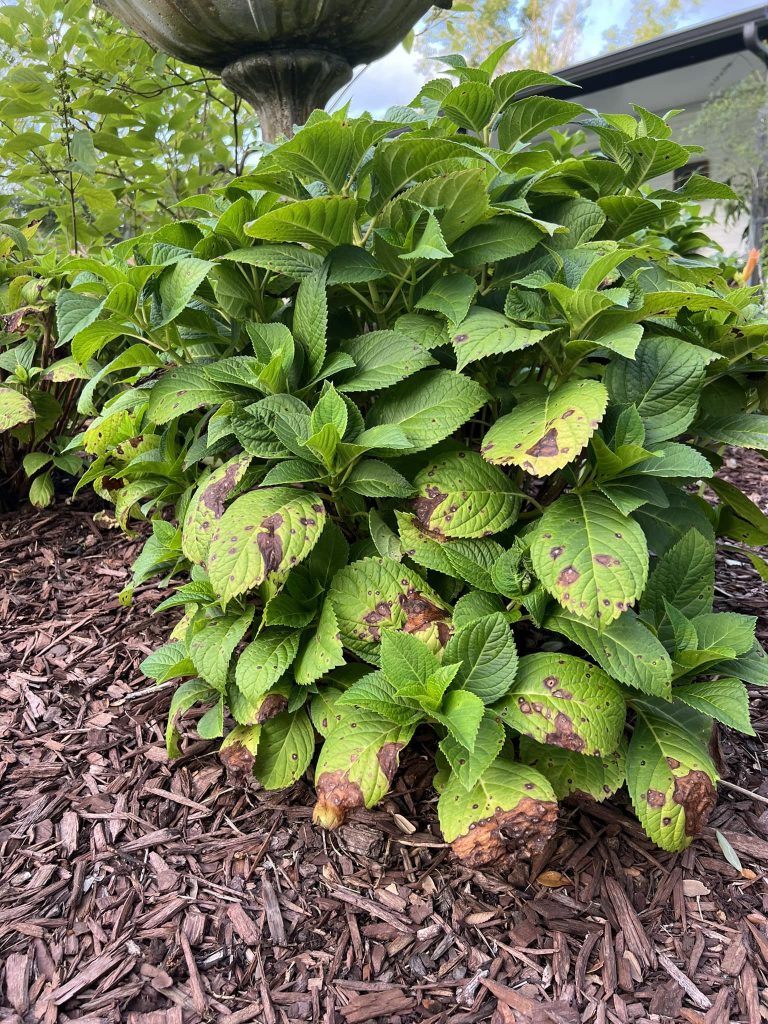
Cercospora leaf spot is caused by the fungus Cercospora hydrangeae. It’s one of the most common reasons for brown spots on hydrangeas. The spots start small, often tan or grayish, with a dark brown or purple border. Over time, they grow and merge, causing larger dead patches.
How I noticed it
In my garden, I first saw tiny tan spots on the lower leaves of my bigleaf hydrangea (Hydrangea macrophylla). By late summer, the spots had spread upward, and some leaves turned completely brown and dropped. It was heartbreaking!
Symptoms
- Small, circular spots (1/8 to 1/4 inch) with tan centers and dark borders.
- Spots often appear on lower leaves first.
- Leaves may yellow and drop prematurely.
- Common in humid, rainy weather.
Treatment
- Remove affected leaves: I carefully clipped off the spotted leaves and disposed of them in a sealed bag to prevent the fungus from spreading.
- Improve air circulation: Prune dense areas of the plant to let air flow through.
- Fungicides: Use a fungicide labeled for Cercospora, like chlorothalonil or mancozeb. Always follow the label instructions.
- Water wisely: Water at the base of the plant, not overhead, to keep leaves dry.
Prevention
- Clean up fallen leaves in autumn to reduce fungal spores.
- Avoid overcrowding plants.
- Apply a preventative fungicide in spring if you’ve had issues before.
2. Anthracnose
Anthracnose, caused by the fungus Colletotrichum gloeosporioides, is another common issue. It’s more severe in warm, wet climates, like the Southeast or Midwest. Unlike Cercospora, anthracnose can affect both leaves and flowers.
My experience
Last year, during a particularly rainy July, my hydrangeas developed large, irregularly shaped brown spots. Some blooms even turned mushy and brown. That’s when I suspected anthracnose.
Symptoms
- Large, irregular brown or black spots on leaves and flowers.
- Spots may have a grayish-white center.
- Affected leaves may curl or drop.
- Blooms can turn brown and rot.
Treatment
- Prune affected areas: Cut away spotted leaves and flowers, sterilizing your pruners between cuts with rubbing alcohol.
- Fungicides: Products containing propiconazole or thiophanate-methyl can help. Apply every 7-14 days during wet weather.
- Improve drainage: Ensure your soil drains well to reduce humidity around the plant.
Prevention:
- Plant resistant varieties, like some oakleaf hydrangeas (Hydrangea quercifolia).
- Avoid overhead watering.
- Space plants to improve air circulation.
3. Powdery Mildew
Powdery mildew, caused by fungi like Erysiphe polygoni, doesn’t always cause brown spots but can lead to them as the disease progresses. It’s more common in shaded, humid areas.
My story
I once planted a hydrangea in a shady corner of my yard, thinking it would love the cool spot. Instead, it developed a white, powdery coating on the leaves, which later turned brown and crispy.
Symptoms
- White or grayish powdery coating on leaves.
- Leaves may turn yellow, then brown, and drop.
- Spots may develop as the disease worsens.
- Common in crowded or shaded areas.
Treatment
- Increase sunlight: Move potted hydrangeas to a sunnier spot or prune nearby plants to let in more light.
- Fungicides: Use neem oil, sulfur, or potassium bicarbonate-based fungicides.
- Prune: Thin out dense growth to improve airflow.
Prevention
- Plant hydrangeas in areas with good morning sun.
- Avoid high-nitrogen fertilizers, which encourage lush, susceptible growth.
- Water early in the day so leaves dry out quickly.
4. Botrytis Blight
Botrytis blight, caused by Botrytis cinerea, is less common but can cause brown spots, especially on flowers and young leaves. It thrives in cool, wet conditions.
My experience
During a damp spring, I noticed my hydrangea blooms turning brown and moldy. The leaves had small, water-soaked spots that turned brown. Botrytis was the culprit.
Symptoms
- Grayish-brown spots on leaves or flowers.
- Spots may look water-soaked at first.
- Fuzzy gray mold may appear in humid conditions.
- Common in cool, wet weather.
Treatment
- Remove affected parts: Cut away infected leaves and blooms, disposing of them properly.
- Fungicides: Use products containing chlorothalonil or iprodione.
- Improve air circulation: Space plants and prune for better airflow.
Prevention
- Avoid wetting foliage when watering.
- Remove dead plant debris regularly.
- Ensure good drainage around plants.
Pests That Cause Brown Spots
Fungal diseases aren’t the only culprits. Pests can also cause brown spots by feeding on hydrangea leaves. Here are the most common offenders:
1. Spider Mites
Spider mites are tiny arachnids that suck sap from leaves, causing stippling and browning. They’re more common in hot, dry conditions, like summer in the Southwest.
My story
During a scorching August, I noticed tiny webs on the undersides of my hydrangea leaves. The leaves had tiny yellow spots that turned brown. A magnifying glass confirmed spider mites.
Symptoms
- Tiny yellow or brown speckles on leaves.
- Fine webbing on leaf undersides.
- Leaves may curl, brown, and drop.
- Worse in hot, dry weather.
Treatment
- Hose them off: Blast the undersides of leaves with a strong jet of water to dislodge mites.
- Insecticidal soap: Spray with insecticidal soap or neem oil, covering leaf undersides.
- Introduce predators: Ladybugs or predatory mites can help control populations.
Prevention
- Keep plants well-watered to reduce stress.
- Mist leaves in dry climates to deter mites.
- Monitor plants regularly for early signs.
2. Aphids
Aphids are small, sap-sucking insects that cluster on new growth. Their feeding can cause leaves to curl and develop brown spots.
My experience
I once found sticky residue on my hydrangea leaves, followed by brown, curled tips. Tiny green bugs were the culprits—aphids!
Symptoms
- Curling or distorted leaves with brown spots.
- Sticky “honeydew” on leaves.
- Black sooty mold may develop.
- Common in spring and early summer.
Treatment
- Wash them away: Use a strong stream of water to knock aphids off.
- Insecticidal soap: Apply soap or neem oil to affected areas.
- Encourage natural predators: Ladybugs and lacewings love aphids.
Prevention
- Avoid over-fertilizing, which encourages soft, aphid-friendly growth.
- Check plants regularly for early infestations.
- Plant companion plants like marigolds to deter aphids.
3. Scale Insects
Scale insects are small, immobile pests that attach to stems and leaves, sucking sap and causing brown spots.
My story
I mistook scale for small bumps on my hydrangea stems. When the leaves started browning, I realized these “bumps” were pests.
Symptoms
- Small, brown, or grayish bumps on stems or leaves.
- Yellowing or browning leaves.
- Sticky honeydew and sooty mold.
- Common in warm climates.
Treatment
- Scrape them off: Use a soft brush or cloth to remove scale.
- Horticultural oil: Apply natural oil like neem in early spring or insecticidal soap during the growing season.
- Systemic insecticides: For severe infestations, consider a systemic product like imidacloprid.
Prevention
- Inspect new plants before bringing them home.
- Prune and dispose of heavily infested branches.
- Keep plants healthy to resist pests.
Environmental and Cultural Factors
Sometimes, brown spots aren’t caused by diseases or pests but by environmental or care issues. These are often easier to fix but require attention to detail.
1. Sunburn and Heat Stress
Hydrangeas love morning sun but can scorch in intense afternoon heat, especially in southern states like Texas or Arizona. Too much sun causes brown, crispy spots.
My experience
I planted a hydrangea in full sun, thinking it would thrive. Instead, the leaves developed large, crispy brown patches by mid-summer.
Symptoms
- Brown, crispy spots or edges on leaves exposed to direct sun.
- Leaves may wilt or curl.
- Worse in hot, dry climates.
Treatment
- Provide shade: Use shade cloth or move potted plants to a shadier spot.
- Mulch: Apply 2-3 inches of organic mulch to keep roots cool.
- Water deeply: Ensure consistent moisture during heatwaves.
Prevention
- Plant hydrangeas in partial shade, with morning sun and afternoon protection.
- Choose heat-tolerant varieties, like panicle hydrangeas (Hydrangea paniculata).
- Monitor weather forecasts and provide extra water during heatwaves.
2. Overwatering or Underwatering
Improper watering can stress hydrangeas, leading to brown spots. Overwatering causes root rot, while underwatering dries out leaves.
My story
I used to water my hydrangeas on a rigid schedule, not checking the soil. One season, the leaves turned brown and mushy—classic overwatering.
Symptoms
- Overwatering: Brown, soft, or mushy spots; yellowing leaves; soggy soil.
- Underwatering: Dry, crispy brown spots; wilting leaves; dry soil. Common in poorly drained or drought-prone areas.
Treatment
- Check soil: Stick your finger 2 inches into the soil. Water only if it’s dry.
- Improve drainage: Add compost or sand to heavy clay soils.
- Water deeply but infrequently: Aim for 1 inch of water per week, adjusting for rainfall.
Prevention
- Use a soaker hose or drip irrigation to water at the base.
- Mulch to retain moisture and prevent swings in soil moisture.
- Test soil drainage before planting.
3. Nutrient Deficiencies
Lack of key nutrients, like nitrogen or iron, can cause brown spots or yellowing leaves. This is common in poor soils or when fertilizers are misapplied.
My experience
My hydrangeas started yellowing with brown edges. A soil test revealed low nitrogen and iron levels.
Symptoms
- Yellowing leaves with brown spots or edges.
- Stunted growth or fewer blooms.
- Common in sandy or depleted soils.
Treatment:
- Soil test: Get a soil test from your local extension service to check nutrient levels.
- Fertilize: Use a balanced, slow-release fertilizer (10-10-10) in spring. For iron deficiency, apply chelated iron.
- Compost: Add organic matter to improve soil fertility.
Prevention
- Fertilize hydrangeas in spring and early summer, avoiding late-season applications.
- Maintain soil pH between 5.5 and 6.5 for optimal nutrient uptake.
- Mulch with compost annually.
4. Soil pH Issues
Hydrangeas are sensitive to soil pH, especially bigleaf varieties. Incorrect pH can lock up nutrients, causing brown spots or poor growth.
My story
I wanted blue hydrangeas, so I added aluminum sulfate to lower the pH. But I overdid it, and the leaves started browning.
Symptoms
- Brown spots with yellowing leaves.
- Poor bloom color or no blooms.
- Common in areas with naturally alkaline or acidic soils.
Treatment
- Test pH: Use a soil pH test kit (available at garden centers).
- Adjust pH: For blue hydrangeas, aim for a pH of 5.2-5.5; for pink, 6.0-6.2. Use sulfur to lower pH or lime to raise it.
- Flush soil: If pH is way off, flush the soil with water to remove excess amendments.
Prevention
- Test soil pH annually.
- Choose hydrangea varieties suited to your soil type.
- Avoid over-amending soil without testing.
How to Diagnose the Problem
Figuring out what’s causing brown spots can feel like detective work. Here’s how I approach it:
- Inspect the leaves: Are the spots small and circular (fungal)? Speckled (mites)? Crispy (sunburn)? Soft and mushy (overwatering)?
- Check the environment: Is the plant in full sun? Is the soil soggy or bone-dry? Has it been rainy or humid?
- Look for pests: Use a magnifying glass to check leaf undersides for mites, aphids, or scale.
- Consider recent care: Did you fertilize recently? Change watering habits? Apply a new product?
- Get a soil test: Local extension services (like those offered by land-grant universities) can test for pH and nutrients.
- Take photos: Snap pictures of the damage and show them to a local nursery or extension agent for advice.
Pro tip: Keep a garden journal. I started one after my hydrangea troubles, and it’s helped me track patterns and spot issues early.
Treatment Options for Brown Spots
Once you’ve identified the cause, it’s time to treat the problem. Here are the best options, from organic to chemical solutions.
Organic Solutions
I prefer organic methods because they’re gentler on my garden’s ecosystem. Here’s what works:
- Neem oil: Effective for fungal diseases and pests like aphids and spider mites. Mix according to the label and spray every 7-10 days.
- Baking soda spray: For powdery mildew, mix 1 tablespoon of baking soda with 1 gallon of water and a drop of dish soap. Spray weekly.
- Compost tea: Boost plant health by spraying or drenching with compost tea to encourage beneficial microbes.
- Hand-picking pests: For scale or aphids, remove them manually or with a strong jet of water.
- Pruning: Remove affected leaves or branches to stop the spread of disease or pests.
Chemical Treatments
Sometimes, organic methods aren’t enough, especially for severe fungal infections. Here’s what I’ve used:
- Fungicides: Chlorothalonil, mancozeb, or propiconazole work for Cercospora and anthracnose. Thiophanate-methyl is good for powdery mildew.
- Insecticides: For pests like scale or aphids, systemic insecticides like imidacloprid can be effective. Always follow label instructions.
- Horticultural oils: Dormant oils smother scale and overwintering pests.
Safety tip: Wear gloves and follow all safety guidelines when using chemicals. Avoid spraying on windy days or near pollinators.
Cultural Practices
Good care can fix and prevent brown spots:
- Water correctly: Water at the base, early in the day, to keep leaves dry.
- Prune properly: Thin out crowded branches in late winter or early spring to improve airflow.
- Mulch: Add 2-3 inches of organic mulch to regulate soil moisture and temperature.
- Fertilize wisely: Use a balanced fertilizer in spring, avoiding high-nitrogen formulas late in the season.
Preventing Brown Spots on Hydrangeas
Prevention is easier than treatment. Here’s how I keep my hydrangeas spot-free:
- Choose resistant varieties: Some hydrangeas, like Hydrangea paniculata or Hydrangea quercifolia, are less prone to fungal diseases.
- Plant smart: Place hydrangeas in partial shade with good drainage and airflow.
- Water wisely: Use drip irrigation or a soaker hose to avoid wetting leaves.
- Clean up: Remove fallen leaves and debris in fall to reduce fungal spores.
- Monitor regularly: Check your plants weekly for early signs of trouble.
- Soil health: Test soil annually and maintain proper pH and nutrient levels.
- Avoid stress: Protect plants from extreme heat, drought, or over-fertilizing.
When to Call a Professional
Most brown spot issues can be handled at home, but sometimes you need expert help. I called a local arborist when my hydrangeas had a severe anthracnose outbreak that wouldn’t quit. Consider a professional if:
- The problem persists after treatment.
- Large portions of the plant are dying.
- You’re unsure of the diagnosis.
- You suspect a soil-borne disease or pest requiring specialized treatment.
Contact your local cooperative extension service (find yours at nifa.usda.gov) or a certified arborist for help.
Frequently Asked Questions (FAQs)
Q: Why are the leaves on my hydrangea turning brown and crispy?
A: Crispy brown leaves are often due to sunburn, underwatering, or heat stress. Check if your plant is in full sun or if the soil is dry. Move it to partial shade and water deeply.
Q: Can brown spots on hydrangea leaves spread to other plants?
A: Yes, fungal diseases like Cercospora or anthracnose can spread to nearby plants, especially in humid conditions. Remove affected leaves and improve air circulation to prevent spread.
Q: Are brown spots a sign my hydrangea is dying?
A: Not necessarily. Brown spots are often treatable if caught early. Identify the cause (fungal, pest, or environmental) and treat accordingly. Healthy plants can recover.
Q: How do I know if it’s a fungal disease or a pest?
A: Fungal spots are usually circular with distinct borders, while pest damage often includes stippling, webbing, or sticky residue. Use a magnifying glass to check for pests.
Q: Can I prevent brown spots without chemicals?
A: Yes! Use organic methods like neem oil, proper watering, and good air circulation. Remove debris and prune regularly to keep plants healthy.
Q: What’s the best time to treat brown spots?
A: Start treatment as soon as you notice spots, ideally in spring or early summer. For fungal issues, apply fungicides during cool, wet weather to prevent spread.
References
- University of Maryland Extension. (2023). Hydrangea Diseases. extension.umd.edu.
- North Carolina State Extension. (2024). Hydrangea Pests and Diseases. content.ces.ncsu.edu.
- Clemson Cooperative Extension. (2022). Hydrangea: Diseases and Pests. hgic.clemson.edu.
- USDA National Institute of Food and Agriculture. (2025). Cooperative Extension System. nifa.usda.gov.
- American Horticultural Society. (2023). Hydrangeas: A Gardener’s Guide. ahs.org.

Tim M Dave is a gardening expert with a passion for houseplants, particularly cacti and succulents. With a degree in plant biology from the University of California, Berkeley, he has vast experience in gardening. Over the years, he has cultivated a vast collection of desert plants and learned a great deal about how to grow and care for these unique companions.