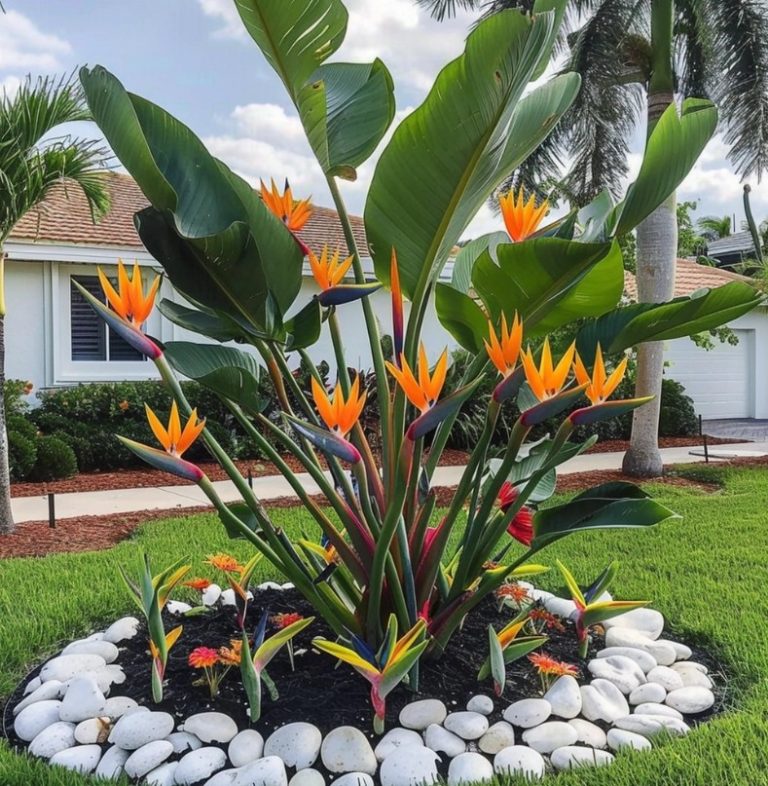
Beginners Guide: How to Grow Bird of Paradise Plant in Your Garden
The first time I saw a Bird of Paradise (Strelitzia reginae) in bloom, I was mesmerized. Its vibrant orange and blue flowers, resembling a tropical bird in flight, brought an instant burst of color to my garden.
Living in Florida, I thought I’d try growing one myself, and let me tell you—it’s been a rewarding journey! Whether you’re in a sunny Southern state or a cooler Northern region, growing Bird of Paradise in American gardens is totally doable with the right know-how.
In this guide, I’ll share everything I’ve learned about cultivating these exotic beauties. From choosing the perfect spot to troubleshooting common issues, this article covers it all. By the end, you’ll have the confidence to grow this flower that looks like a banana plant.
A Little about the Bird of Paradise Plant
The Bird of Paradise, scientifically known as Strelitzia reginae, is a tropical perennial native to South Africa. Its striking flowers, with orange sepals and blue petals, mimic a bird’s head—hence the name.
Another variety, Strelitzia nicolai (White Bird of Paradise), grows taller with white and blue blooms. Both are popular in American gardens, especially in warm climates like USDA Zones 9-11.
These plants are evergreen, meaning they keep their lush green leaves year-round in the right conditions. They’re perfect for adding a tropical vibe to patios, borders, or even as houseplants in colder regions. I’ve grown both types, and their bold foliage never fails to impress.
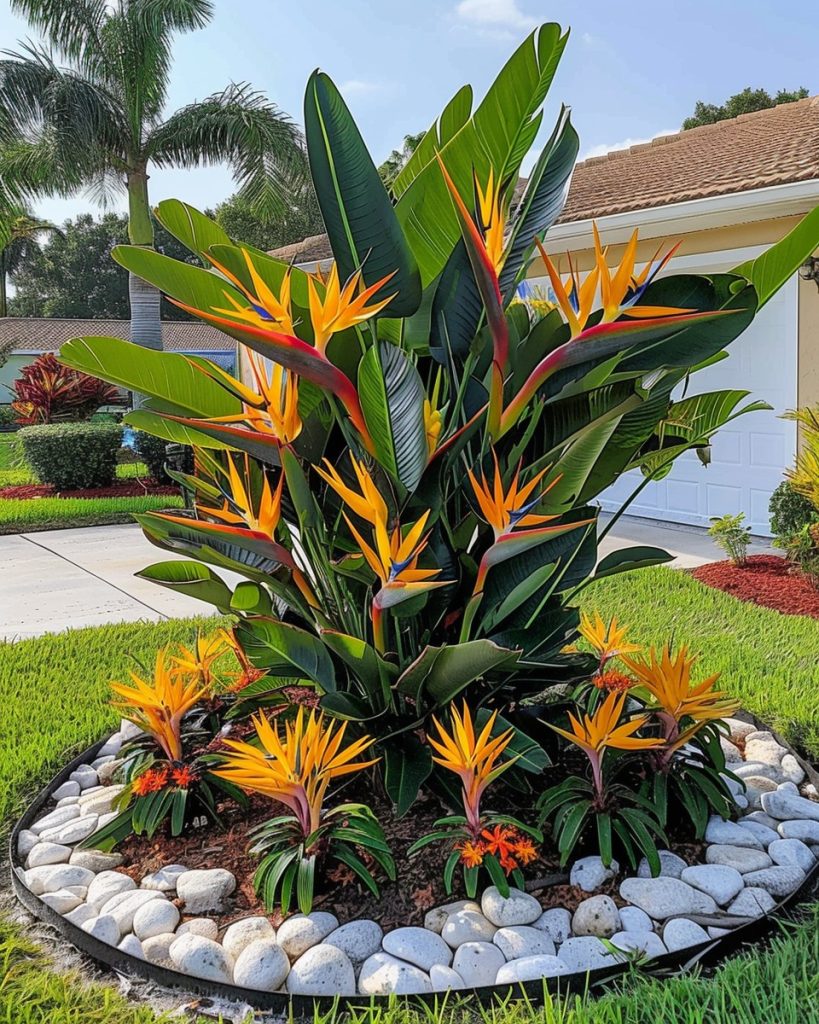
Key Characteristics
- Height: S. reginae reaches 3-5 feet; S. nicolai can grow up to 20 feet.
- Bloom Time: Spring to fall in warm climates, with proper care.
- Hardiness: Thrives in USDA Zones 9-11; can be grown indoors elsewhere.
- Light: Full sun to partial shade.
- Soil: Well-draining, fertile soil.
Why Grow Bird of Paradise in your Garden?
Bird of Paradise plants are a fantastic choice for any gardener. Here’s why I love them:
- Show-stopping blooms: The flowers are unlike anything else in my garden. They’re bold, colorful, and perfect for creating a focal point.
- Low maintenance: Once established, these plants are surprisingly easy to care for.
- Versatility: They thrive outdoors in warm climates or as potted plants in cooler regions.
- Year-round beauty: The evergreen leaves keep your garden looking lush even when not in bloom.
Whether you’re in California, Texas, or New York, there’s a way to make Bird of Paradise work in your garden or home. Let’s explore how to grow them successfully.
Choosing the Right Bird of Paradise for Your Garden
Before you start, decide which type suits your space. Here’s a quick breakdown:
- Strelitzia reginae (Orange Bird of Paradise): Ideal for smaller gardens or containers. It stays compact and produces vibrant orange blooms. I planted one near my patio, and it’s a conversation starter.
- Strelitzia nicolai (White Bird of Paradise): Perfect for large landscapes. It grows tall and has dramatic white flowers. I’ve seen these used as privacy screens in Southern gardens.
- Strelitzia juncea: A rare variety with spiky, reed-like leaves. It’s less common but great for unique aesthetics.
For most American gardeners, S. reginae is the go-to choice due to its size and vibrant blooms. If you’re in a colder climate, consider growing it in a pot to bring indoors during winter.
Where to Grow Bird of Paradise in the U.S.
Bird of Paradise thrives in warm, sunny climates, but with some creativity, you can grow it anywhere in the U.S. Here’s how to choose the right spot based on your region:
Warm Climates (USDA Zones 9-11)
If you live in states like Florida, California, Texas, or Arizona, you’re in luck. These zones mimic the plant’s native South African habitat. I planted mine in a sunny corner of my backyard in Zone 10, and it’s thriving. Choose a spot with:
- Full Sun: At least 6 hours of direct sunlight daily.
- Protection from wind: Strong winds can tear the large leaves.
- Well-draining soil: Avoid areas where water pools after rain.
Cooler Climates (USDA Zones 7-8)
In states like North Carolina or Georgia, you can grow Bird of Paradise outdoors with protection. Use mulch to insulate roots in winter, and consider planting near a south-facing wall for warmth. I know a friend in Zone 7 who wraps their plant in burlap during cold snaps, and it survives beautifully.
Cold Climates (USDA Zones 6 and Below)
If you’re in New York, Michigan, or other colder states, grow Bird of Paradise as a houseplant or in a container. I’ve seen stunning indoor setups in Chicago homes! Bring potted plants indoors before the first frost. Place them near a sunny window or under grow lights.
How to Plant Bird of Paradise
Planting Bird of Paradise is straightforward, but doing it right sets the stage for healthy growth. Here’s how I planted mine, step by step:
Step 1: Choose the Right Time
In warm climates, plant in spring or early summer to give roots time to establish. In cooler regions, start indoors any time of year. I planted mine in April, and it settled in quickly.
Step 2: Prepare the Soil
Bird of Paradise loves rich, well-draining soil. I mix equal parts garden soil, compost, and sand for perfect drainage. Aim for a slightly acidic to neutral pH (6.0-7.0). If your soil is heavy clay, amend it with organic matter or plant in a raised bed.
Step 3: Dig the Hole
Dig a hole twice as wide and as deep as the root ball. For container plants, choose a pot with drainage holes, at least 12-18 inches wide. I used a 15-gallon pot for my S. reginae, and it’s thriving.
Step 4: Plant
Place the plant in the hole or pot, ensuring the crown (where roots meet stems) is level with the soil surface. Backfill with soil, press gently, and water thoroughly. I watered mine deeply after planting to help the roots settle.
Step 5: Mulch
Add a 2-inch layer of organic mulch, like bark or wood chips, around the base. This helps to retain moisture and regulate soil temperature. Keep mulch away from the crown to prevent rot.
Caring for Your Bird of Paradise
Once planted, Bird of Paradise is relatively low-maintenance, but it needs consistent care to thrive. Here’s my tried-and-true care routine:
1. Watering
- Frequency: Water deeply once or twice a week, depending on weather. In hot climates, I water every 5-7 days. In cooler regions, reduce watering in winter.
- Tip: Let the top inch of soil dry out between waterings to avoid root rot. I use a moisture meter to check soil dampness—game-changer!
- Potted Plants: Water when the top 2 inches of soil feel dry. Ensure pots have drainage holes to prevent soggy roots.
2. Fertilizing
- Schedule: Feed every 2-3 months during the growing season (spring to fall). I use a balanced, water-soluble fertilizer (10-10-10) or a bloom-booster formula (15-30-15) to encourage flowers.
- Application: Dilute fertilizer according to package instructions and apply to moist soil. Avoid over-fertilizing, as it can burn the roots.
- Winter care: Skip fertilizing in winter when growth slows.
3. Pruning
- When to Prune: Remove dead or damaged leaves and spent flower stalks in spring or after blooming. I trim mine in early spring to keep it tidy.
- How to Prune: Use clean, sharp shears to cut leaves at the base. For flowers, cut the stalk close to the plant without damaging healthy tissue.
- Tip: Wear gloves—those leaves can be sharp!
4. Sunlight
- Outdoor Plants: Ensure 6+ hours of direct sun. In scorching climates, provide afternoon shade to prevent leaf burn. My Florida plant loves morning sun and dappled afternoon light.
- Indoor Plants: Place near a south-facing window or use a grow light (12-14 hours daily). I supplement my indoor Bird of Paradise with a full-spectrum LED grow light in winter.
5. Temperature and Humidity
- Ideal Temperature: 65-80°F (18-27°C). Protect from frost in cooler zones.
- Humidity: Bird of Paradise loves moderate to high humidity. In dry climates, mist leaves weekly or use a pebble tray for indoor plants. My indoor plant sits on a tray of pebbles with water, and it’s thriving.
Propagating Bird of Paradise
Want more Bird of Paradise plants without spending a dime? Propagation is the way to go. I’ve successfully propagated mine using two methods: division and seeds.
Propagation by Division
This is the easiest and fastest method. Here’s how I do it:
- Wait until your plant is at least 3-5 years old and has multiple clumps.
- In spring, carefully dig up the plant, keeping the root ball intact.
- Use a sharp knife to separate clumps, ensuring each division has roots and at least one fan of leaves.
- Plant divisions in prepared soil or pots, water well, and keep in partial shade for a few weeks.
- Water regularly until established. My divided plants started blooming within 2 years!
Propagation by Seeds
Growing from seeds takes longer (3-5 years to bloom), but it’s rewarding. I tried this for fun, and it worked!
- Collect seeds from mature flower heads or buy from a reputable supplier.
- Soak the seeds in lukewarm water for 24-48 hours to soften the tough coat.
- Sow seeds ½ inch deep in a mix of peat and perlite. Cover with plastic to retain humidity.
- Place in a warm spot (75-85°F) with indirect light. Germination can take 1-3 months.
- Move seedlings to individual pots once they have 2-3 leaves.
Common Problems and How to Fix Them
Even with the best care, Bird of Paradise can face issues. Here are the most common problems I’ve encountered and how to solve them:
1. No Flowers
- Cause: Too young, insufficient light, or nutrient deficiency.
- Fix: Be patient—plants under 3-5 years may not bloom. Ensure 6+ hours of sun and fertilize with a phosphorus-rich formula (e.g., 15-30-15). My plant took 3 years to bloom, but it was worth the wait!
2. Yellowing Leaves
- Cause: Overwatering, poor drainage, or nutrient deficiency.
- Fix: Check soil moisture and improve drainage. I switched to a better-draining pot for my indoor plant, and the yellowing stopped. Apply a balanced fertilizer if needed.
3. Brown Leaf Edges
- Cause: Low humidity, underwatering, or sunburn.
- Fix: Increase humidity with misting or a pebble tray. Water consistently and provide afternoon shade in hot climates.
4. Pests
- Common Pests: Spider mites, aphids, and scale.
- Fix: Spray with neem oil or insecticidal soap. I caught spider mites early on my indoor plant and treated it with neem oil—worked like a charm!
5. Root Rot
- Cause: Overwatering or poor drainage.
- Fix: Reduce watering and ensure well-draining soil. For potted plants, repot with fresh soil and trim any mushy roots.
6. Leaves curling
- Cause: Incorrect watering, lighting issues, nutrient deficiency, pests, and diseases.
- Fix: Water regularly, when the soil dries out. Fertilize during the growing seasons, and inspect and treat pests and diseases. Ensure the plant is getting enough sunlight (6-8 hours).
Growing Bird of Paradise Indoors
If you’re in a cold climate, growing Bird of Paradise indoors is a great option. I’ve kept one in my living room during winter, and it’s a stunning houseplant. Here’s how to succeed:
- Place near a south-facing window or use a grow light. I use a 100W full-spectrum LED for 12 hours daily.
- Choose a pot with drainage holes and use a mix of potting soil, perlite, and compost.
- Water when the top 2 inches of soil are dry. I water my indoor plant every 10-14 days.
- Maintain 50%+ humidity with a humidifier or pebble tray.
- Keep temperature above 60°F. Avoid placing near cold drafts or heating vents.
Tips for Growing Bird of Paradise in Different U.S. Regions
Here’s how to grow Bird of Paradise across various American climates:
1. Southern States (Florida, Texas, California)
- Plant directly in the ground in Zones 9-11.
- Provide full sun and well-draining soil.
- Mulch to retain moisture in hot summers.
2. Southwestern States (Arizona, Nevada)
- Choose a spot with morning sun and afternoon shade to prevent leaf burn.
- Water deeply but infrequently to mimic desert conditions.
- Protect from occasional frost with frost cloth.
3. Southeastern States (Georgia, South Carolina)
- Plant in spring to establish roots before winter.
- Use mulch and burlap to protect from light freezes in Zone 8.
4. Northern States (New York, Illinois)
- Grow in pots and bring indoors before frost.
- Use grow lights to supplement winter sunlight.
- Maintain high humidity indoors.
5. Pacific Northwest (Washington, Oregon)
- Grow in containers or protected areas in Zone 8.
- Provide afternoon shade and shelter from heavy rain.
Design Ideas for Bird of Paradise in Your Garden
Bird of Paradise is a versatile plant for landscaping. Here are some ideas I’ve tried or seen:
- Focal point: Plant a single S. reginae in a sunny border for a bold statement. Mine is the centerpiece of my front yard.
- Tropical oasis: Pair with palms, hibiscus, or cannas for a lush, tropical vibe.
- Container gardening: Use large pots on patios or decks. I have a potted Bird of Paradise by my pool, and it’s stunning.
- Privacy screen: Plant S. nicolai in a row for a tall, natural fence.
- Indoor accent: Place a potted plant in a bright living room corner for year-round beauty.
Seasonal Care Tips
To keep your Bird of Paradise thriving year-round, adjust care by season:
- Spring: Prune dead leaves, fertilize, and start watering more frequently as growth resumes.
- Summer: Water deeply and provide shade in extreme heat. Watch for pests.
- Fall: Reduce watering as temperatures cool. Apply a final fertilizer dose.
- Winter: Protect outdoor plants from frost. For indoor plants, reduce watering and use grow lights.
My Personal Tips for Success
After years of growing Bird of Paradise, here are my top tips:
- Be patient: Blooms take time, especially for young plants or those grown from seed.
- Invest in good soil: Well-draining soil is non-negotiable. I learned this the hard way after losing a plant to root rot!
- Monitor light: Too little light = no flowers. Move potted plants to sunnier spots if needed.
- Clean leaves: Wipe leaves with a damp cloth to remove dust and improve photosynthesis, especially indoors.
- Divide regularly: Every 3-5 years, divide clumps to encourage growth and prevent overcrowding.
FAQs
Q: How long does it take for Bird of Paradise to bloom?
A: Typically 3-5 years from seed or 1-2 years from divisions. Ensure enough sun and nutrients to speed things up.
Q: Can Bird of Paradise grow in shade?
A: It tolerates partial shade but needs at least 6 hours of sun for blooms. My shaded plant grew well but didn’t flower until I moved it to a sunnier spot.
Q: Is Bird of Paradise toxic to pets?
A: Yes, it’s mildly toxic to cats and dogs if ingested. Keep away from curious pets.
Q: How often should I repot a potted Bird of Paradise?
A: Every 2-3 years or when roots are crowded. I repotted mine when it started looking cramped, and it perked up immediately.
Final thoughts
Growing Bird of Paradise has been one of the most rewarding experiences in my gardening journey. Its vibrant blooms and lush foliage bring a slice of the tropics to any garden, whether you’re in sunny Florida or chilly New York.
With the right spot, proper care, and a bit of patience, you’ll have a stunning plant that’s the envy of your neighbors. Ready to start? Grab a Bird of Paradise plant from your local nursery or online, follow this guide, and watch your garden transform.
References
- University of Florida IFAS Extension. (2023). Strelitzia reginae: Bird of Paradise. Link
- Missouri Botanical Garden. (n.d.). Strelitzia reginae.
- Clemson Cooperative Extension. (2021). Bird of Paradise. Link
- North Carolina State Extension. (n.d.). Strelitzia reginae. Link
- American Horticultural Society. (2020). Growing Tropical Plants in Non-Tropical Climates.
- Royal Horticultural Society. (2022). Strelitzia: Bird of Paradise Care Guide.

Tim M Dave is a gardening expert with a passion for houseplants, particularly cacti and succulents. With a degree in plant biology from the University of California, Berkeley, he has vast experience in gardening. Over the years, he has cultivated a vast collection of desert plants and learned a great deal about how to grow and care for these unique companions.