25 Best Shrubs for Hedges: A Complete Landscaping Guide
A well-grown hedge does something a fence or wall simply cannot. It softens boundaries instead of hardening them. It filters noise, blocks wind, and provides shelter for wildlife — all while looking like an intentional and beautiful part of the garden.
Whether you are seeking privacy, defining a property line, or creating a backdrop for a flower border, the right hedge shrub can accomplish all of this and more.
The challenge, of course, is choosing wisely. Not every shrub makes a good hedge. The best candidates are those that tolerate pruning, maintain their structure over time, and suit your local climate and soil conditions.
This guide presents 25 of the best shrubs for hedges, covering formal and informal styles, evergreen and deciduous options, and selections for a wide range of growing zones.
Why Hedges Matter in Landscape Design
Before diving into plant selection, it is worth understanding why hedges hold such a prominent place in landscape design. Unlike walls or fencing, hedges are living structures. They grow, evolve, and interact with the surrounding environment in ways that manufactured barriers cannot replicate.
Hedges serve several important functions. They provide privacy without the visual harshness of solid walls. They act as windbreaks that can reduce wind speed on the leeward side by up to 75 percent, according to research from the University of Minnesota Extension.
They buffer road noise, improve air quality by trapping dust and particulates, and create habitat and food sources for birds, pollinators, and beneficial insects. In cold climates, evergreen hedges offer protection to adjacent garden beds, reducing frost damage to tender plants.
From an aesthetic standpoint, hedges provide structure and definition that makes surrounding plantings look more intentional. A well-clipped formal hedge transforms a modest garden into something that feels designed and purposeful. A loose, flowering hedge brings a romantic, cottage-garden quality that is equally compelling.
Formal vs. Informal Hedges: Understanding the Difference
Before selecting a hedge shrub, it helps to know what kind of hedge you want.
A formal hedge is clipped to a precise shape — usually a rectangle, trapezoid, or other geometric form. It requires regular pruning, typically two to three times per year, and looks most effective in structured, traditional, or contemporary garden designs.
Plants best suited for formal hedges are those with dense branching, small leaves, and a natural tolerance for shearing. Boxwood, yew, and hornbeam are excellent examples.
An informal hedge is allowed to grow in a more natural form with minimal clipping. It may be pruned once a year or simply left to its own devices, with occasional thinning to maintain health.
Informal hedges often include flowering shrubs, berry-producing plants, or natives, and they tend to work better in cottage, naturalistic, or wildlife-friendly gardens. Lilac, viburnum, and hawthorn are strong choices for this style.
Both styles have their place. The 25 shrubs that follow cover both categories, so you can choose based on your vision, your maintenance capacity, and the character of your outdoor space.
25 Best Shrubs for Hedges
1. Boxwood (Buxus sempervirens)
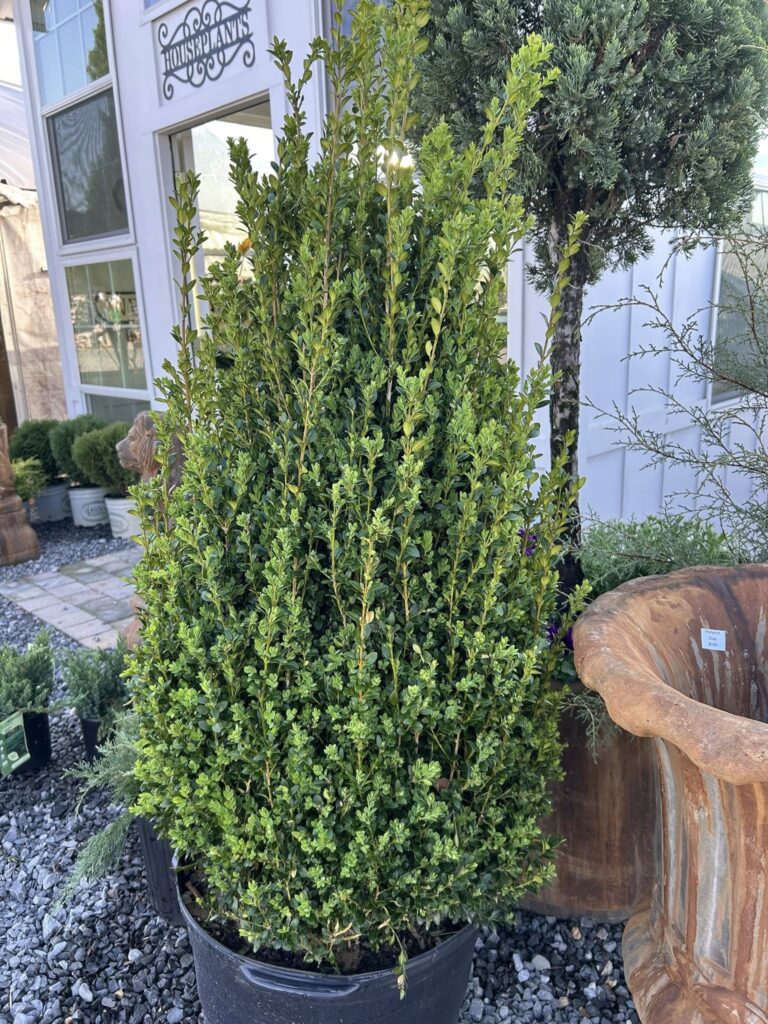
Boxwood is perhaps the most iconic hedge shrub in the world. Its dense, small-leafed, evergreen growth holds a clipped shape with remarkable precision, making it the first choice for formal hedges, parterres, and topiary.
It grows slowly, which is both an advantage (less frequent pruning) and a limitation (patience is required). Boxwood tolerates partial shade and a range of soils, provided drainage is adequate. Modern disease-resistant cultivars address the blight issues that have troubled older varieties.
Hardiness: USDA Zones 5–9 | Height: 2–15 feet | Type: Evergreen | Style: Formal
2. Yew (Taxus baccata / Taxus x media)
Yew is one of the finest hedge plants in temperate climates. Its dark, needle-like foliage remains rich and green year-round, and it responds superbly to heavy pruning — even hard renovation cuts on old, overgrown specimens. This makes it one of the few evergreens that can be successfully rejuvenated after years of neglect.
Yew thrives in sun or shade, which gives it a versatility that few other hedge plants can match. Note that all parts of the plant (except the fleshy aril surrounding the seed) are toxic to humans and animals.
Hardiness: USDA Zones 4–7 | Height: 6–20 feet | Type: Evergreen | Style: Formal or informal
3. Hornbeam (Carpinus betulus)
Hornbeam is the deciduous alternative to yew and beech for formal hedging, and in many respects it is equally outstanding. It clips cleanly into tight, geometric forms and, importantly, retains its dead leaves throughout winter — a habit known as marcescence — which provides year-round privacy and a warm, bronze seasonal display.
Hornbeam is tolerant of wet soils, which gives it an advantage over beech in heavier ground conditions. It is a native European species with excellent wildlife value.
Hardiness: USDA Zones 4–8 | Height: 6–20 feet | Type: Deciduous (marcescent) | Style: Formal
4. European Beech (Fagus sylvatica)
Beech makes one of the most beautiful and commanding hedges possible. Like hornbeam, it retains its russet-brown dead leaves through winter, providing year-round privacy despite being technically deciduous. Its smooth, silver-gray bark and pleated leaf texture give it a refined, almost aristocratic quality.
Purple-leafed cultivars like Fagus sylvatica ‘Purpurea’ add dramatic color contrast in mixed planting schemes. Beech prefers well-drained, slightly alkaline to neutral soil and performs best in cooler climates.
Hardiness: USDA Zones 4–7 | Height: 8–25 feet | Type: Deciduous (marcescent) | Style: Formal
5. Privet (Ligustrum spp.)
Privet is one of the fastest-growing and most widely planted hedge shrubs in the world. Its rapid establishment, tolerance of pollution, and adaptability to a wide range of soils make it especially popular in urban gardens and along busy roadsides.
Common privet (Ligustrum vulgare) and oval-leafed privet (Ligustrum ovalifolium) are the most frequently used species. Semi-evergreen in mild climates and fully evergreen in warm ones, privet requires frequent clipping — often three to four times per year at peak growth — to maintain a tidy appearance.
Hardiness: USDA Zones 4–9 | Height: 6–15 feet | Type: Semi-evergreen to evergreen | Style: Formal or informal
6. Leyland Cypress (× Cuprocyparis leylandii)
Leyland cypress is one of the fastest-growing evergreen hedge plants available, capable of putting on several feet of growth per year under ideal conditions. This speed makes it appealing for gardeners who want rapid privacy screening.
However, it requires consistent management — without regular clipping, it quickly grows out of control and becomes difficult to manage. It performs best in full sun with well-drained soil.
Despite its well-documented tendency to cause neighbour disputes when left unmanaged, a properly maintained Leyland cypress hedge is dense, wind-resistant, and effective.
Hardiness: USDA Zones 6–10 | Height: 40–60 feet (unclipped) | Type: Evergreen | Style: Formal
7. Holly (Ilex aquifolium / Ilex x meserveae)
Holly is an outstanding evergreen hedge shrub that offers multiple virtues: year-round foliage, sharp spines that create a formidable security barrier, and bright red berries in winter that are invaluable for birds.
English holly (Ilex aquifolium) is one of the most classic choices, while blue holly (Ilex x meserveae) offers better cold hardiness and is widely used in North American gardens. Both respond well to clipping and maintain a dense, attractive form over time.
Remember that berries require at least one male plant among female plants.
Hardiness: USDA Zones 5–9 (varies by species) | Height: 8–25 feet | Type: Evergreen | Style: Formal or informal
8. Laurel (Prunus laurocerasus)
Cherry laurel is a fast-growing, bold-leafed evergreen hedge plant that is widely used in European gardens and increasingly popular in North America. Its large, glossy, dark green leaves give hedges a lush, tropical appearance, and it grows quickly enough to establish a substantial screen within a few years.
It is tolerant of shade, dry conditions, and compacted soils — a combination that few other hedge shrubs can manage. It responds best to hand-pruning (rather than mechanical shearing) to avoid browning of cut leaves.
Hardiness: USDA Zones 6–9 | Height: 10–20 feet | Type: Evergreen | Style: Informal to semi-formal
9. Arborvitae (Thuja occidentalis)
Arborvitae is one of the most popular hedge shrubs in North America, particularly for privacy screening. Its upright, pyramidal form and dense, feathery evergreen foliage make it naturally suited to hedge use with minimal clipping.
Cultivars like ‘Emerald Green’ are especially prized for their naturally columnar shape, compact growth, and good winter color retention. Arborvitae prefers full sun and moist, well-drained soil.
One significant concern is its susceptibility to deer browsing, which can be severe in suburban areas with high deer populations.
Hardiness: USDA Zones 2–8 | Height: 10–20 feet (varies by cultivar) | Type: Evergreen | Style: Informal to semi-formal
10. Photinia (Photinia x fraseri)
Red tip photinia is named for its vivid red new growth, which flushes brilliantly in spring and again with each pruning. As the foliage matures, it transitions to a glossy, dark green that provides a handsome year-round backdrop.
It is one of the most widely planted hedge shrubs in the American South and in mild maritime climates, where its evergreen character and striking seasonal color are highly valued. It thrives in full sun with well-drained soil and is relatively drought-tolerant once established.
Hardiness: USDA Zones 7–9 | Height: 10–15 feet | Type: Evergreen | Style: Formal or informal
11. Viburnum (Viburnum spp.)
Viburnums are remarkably versatile hedge plants that offer seasonal interest across multiple dimensions. Depending on the species, they produce fragrant spring flowers, colorful summer berries, and excellent autumn foliage.
Viburnum tinus (laurustinus) is a popular evergreen species for formal hedging in mild climates. Viburnum opulus (European cranberrybush) and Viburnum lantana (wayfaring tree) are outstanding deciduous choices for informal, wildlife-friendly hedges.
Viburnums are generally easy to grow, tolerating a range of soils and exposures.
Hardiness: USDA Zones 2–9 (varies by species) | Height: 4–15 feet | Type: Evergreen or deciduous | Style: Formal or informal
12. Hawthorn (Crataegus monogyna)
Hawthorn is one of the great traditional hedge plants of the British countryside and a standout choice for wildlife-friendly informal hedges anywhere in the temperate world. Its dense, thorny branches form an impenetrable barrier that no person or large animal is likely to push through.
In spring, it produces fragrant white flowers that are loved by pollinators, and in autumn its hedges glow with red berries (haws) that are a critical food source for birds. Hawthorn is inexpensive, fast to establish, and extremely tough.
Hardiness: USDA Zones 5–9 | Height: 8–15 feet | Type: Deciduous | Style: Informal
13. Forsythia (Forsythia x intermedia)
Forsythia makes a cheerful and vigorous informal hedge that earns its place through one truly remarkable quality: it turns completely golden-yellow with flower in early spring, often before any other shrub is even thinking about waking up.
That display is brief but genuinely thrilling, especially after a long winter. For the rest of the growing season, forsythia provides a tidy, green backdrop. It is fast-growing, tolerant of most soils, and extremely cold-hardy. It is best used as a loose, informal hedge rather than a formally clipped one.
Hardiness: USDA Zones 5–9 | Height: 6–10 feet | Type: Deciduous | Style: Informal
14. Spirea (Spiraea spp.)
Spirea is a reliable and low-maintenance choice for low to medium informal hedges. Depending on the species, it offers spring or summer flowers in white, pink, or red, along with attractive foliage in gold, green, or burgundy tones.
Spiraea vanhouttei (bridal wreath spirea) creates a graceful, arching informal screen with an abundance of white spring flowers. Spiraea japonica cultivars are more compact and suitable for low border hedges.
Spirea is tough, adaptable, and requires very little beyond an annual pruning to stay attractive.
Hardiness: USDA Zones 3–9 | Height: 2–8 feet | Type: Deciduous | Style: Informal
15. Rose (Rosaspp.)
Roses may not be the first plant that comes to mind for hedging, but several species are outstanding for this purpose. The rugosa rose (Rosa rugosa) is perhaps the best: it is dense, thorny, exceptionally fragrant, and produces large red hips in autumn that feed birds and make excellent jams.
Species roses and old-fashioned shrub roses also perform well as informal hedges. Rosa ‘Felicia’, Rosa ‘Buff Beauty’, and similar repeat-flowering shrub roses create beautiful boundary hedges that bloom generously from summer into autumn.
Hardiness: USDA Zones 2–9 (varies by species) | Height: 4–6 feet | Type: Deciduous | Style: Informal
16. Escallonia (Escallonia spp.)
Escallonia is an evergreen shrub that thrives in mild, maritime climates and is particularly popular in coastal gardens. Its glossy leaves and small, tubular flowers in shades of pink, red, and white appear over a long season from summer into autumn.
It tolerates wind and salt spray exceptionally well, making it one of the few hedge shrubs genuinely suited to exposed seaside positions. Several cultivars — including ‘Crimson Spire’ and ‘Apple Blossom’ — are widely available and maintain a tidy, compact habit with minimal clipping.
Hardiness: USDA Zones 8–10 | Height: 6–10 feet | Type: Evergreen | Style: Informal to semi-formal
17. Portuguese Laurel (Prunus lusitanica)
Portuguese laurel is a refined alternative to cherry laurel with smaller, more attractive leaves and a tidier natural habit. It is slower-growing than cherry laurel, which means it requires less frequent clipping but takes longer to establish a full hedge.
Its dark, glossy foliage provides a handsome, year-round backdrop, and its white flower racemes in early summer are sweetly fragrant. It is also more cold-hardy than cherry laurel and tolerates both alkaline soils and partial shade, making it adaptable across a wide range of garden conditions.
Hardiness: USDA Zones 7–9 | Height: 10–20 feet | Type: Evergreen | Style: Formal or informal
18. Western Red Cedar (Thuja plicata)
Western red cedar is a large, fast-growing evergreen conifer that is an outstanding choice for tall privacy hedges and windbreaks. Its flattened, aromatic, bright green sprays of foliage maintain their color well in winter — better than many other conifers in cold, exposed positions.
It responds well to clipping and, unlike Leyland cypress, remains manageable at moderate heights with consistent maintenance. ‘Atrovirens’ is the most commonly grown hedging cultivar and is noted for its particularly vigorous growth and excellent foliage quality.
Hardiness: USDA Zones 5–8 | Height: 50–70 feet (unclipped) | Type: Evergreen | Style: Formal
19. Bamboo (Fargesiaspp.)
Bamboo is an unconventional but highly effective hedging plant for specific situations. Unlike the invasive running bamboos that have earned a notorious reputation in many gardens, clump-forming bamboos in the Fargesia genus remain contained and well-behaved.
They create dense, elegant, screening hedges that move beautifully in the wind and provide a distinctive, contemporary aesthetic. They are extremely fast to establish and are among the few screening plants that thrive in deep shade. They work particularly well in urban and courtyard gardens.
Hardiness: USDA Zones 5–9 (varies by species) | Height: 8–15 feet | Type: Evergreen | Style: Informal
20. Osmanthus (Osmanthus spp.)
Osmanthus is a slow-growing, dense evergreen shrub with holly-like leaves and tiny but intensely fragrant white flowers that appear in autumn or winter. Its fragrance is extraordinary — a sweet, apricot-like scent that perfumes the surrounding garden even in cold weather.
Because it grows slowly and tolerates pruning well, it makes an excellent formal hedge that requires less frequent clipping than faster-growing alternatives. Osmanthus x burkwoodii and Osmanthus heterophyllus are the most widely grown hedging species.
Hardiness: USDA Zones 7–9 | Height: 6–10 feet | Type: Evergreen | Style: Formal
21. Pyracantha (Pyracantha spp.)
Pyracantha, or firethorn, is one of the most multi-purpose hedge shrubs available. Its viciously thorny branches create an impenetrable security barrier, its white spring flowers attract pollinators, and its heavy clusters of orange, red, or yellow berries in autumn and winter provide an outstanding wildlife food source.
It can be grown as a free-standing informal hedge, clipped into a formal shape, or trained against a wall or fence. Its tolerance of poor soils, pollution, and neglect makes it a particularly forgiving choice for difficult sites.
Hardiness: USDA Zones 6–9 | Height: 6–15 feet | Type: Evergreen | Style: Formal or informal
22. Berberis (Berberis spp.)
Berberis (barberry) includes both evergreen and deciduous species that are well-suited to hedging. The evergreen Berberis darwinii and Berberis x stenophylla are popular in mild climates for their deep yellow spring flowers and dense, spiny growth.
Deciduous species such as Berberis thunbergii offer colorful foliage in purple, gold, or variegated tones, along with excellent autumn color. The sharp spines of most barberry species make them outstanding security hedges. They tolerate poor soils and exposed conditions with minimal fuss.
Hardiness: USDA Zones 4–8 (varies by species) | Height: 4–10 feet | Type: Evergreen or deciduous | Style: Informal
23. Griselinia (Griselinia littoralis)
Griselinia is a cheerful, fast-growing evergreen with bright, apple-green leaves that give it a fresh, almost tropical appearance. It is exceptionally wind-tolerant and handles coastal exposure and salt spray with ease, making it a top choice for seaside hedging.
In mild maritime climates, it grows quickly and requires only one or two clips per year to maintain a tidy form. It is not reliably hardy in severe continental climates, but for gardens in USDA Zones 8 and warmer, it is one of the most attractive and low-maintenance hedging options available.
Hardiness: USDA Zones 8–10 | Height: 10–25 feet | Type: Evergreen | Style: Informal to semi-formal
24. Lilac (Syringa vulgaris)
Lilac makes a wonderful informal hedge in colder climates where its requirement for a pronounced winter chill is naturally met. Its spring flower display — heavily fragrant, in shades of purple, pink, or white — is among the most celebrated of any flowering shrub.
As a hedge, lilac creates a loose, airy screen that is delightful in bloom and attractive through summer with its bold, heart-shaped leaves. It tolerates a range of soils, including alkaline conditions, and is extremely cold-hardy. It does best with full sun exposure to produce the most abundant flowers.
Hardiness: USDA Zones 3–7 | Height: 8–15 feet | Type: Deciduous | Style: Informal
25. Inkberry (Ilex glabra)
Inkberry is a native North American holly that is an excellent choice for informal hedges in moist or wet sites where other shrubs struggle. Its glossy, dark green leaves are held year-round, and its small, black berries in autumn provide a valuable food source for birds.
Unlike many hollies, inkberry does not have spiny leaves, making it a more garden-friendly option in areas frequented by children. It tolerates shade, wet soils, and clay, and it spreads slowly by suckers, which helps fill in a hedge naturally over time without aggressive invasiveness.
Hardiness: USDA Zones 4–9 | Height: 5–8 feet | Type: Evergreen | Style: Informal
How to Choose the Right Hedge Shrub
Selecting the right hedge shrub depends on more than aesthetics. Consider the following factors carefully before making your choice.
Purpose. Define what you need the hedge to do. Is privacy the primary goal? Do you need a windbreak, a security barrier, a backdrop for flower borders, or a wildlife habitat? Different purposes call for different plants. A security hedge should include thorny species like holly, pyracantha, or hawthorn. A wildlife hedge benefits from berry-producing plants like viburnum, hawthorn, and rose.
Formality. Decide whether you want a formal, clipped hedge or a more natural, informal one. Formal hedges require plants with small leaves, dense branching, and tolerance for regular shearing. Informal hedges give you more latitude in plant selection and require significantly less maintenance.
Hardiness and climate. Always select shrubs rated for your hardiness zone. In cold climates, avoid borderline-hardy species like photinia or griselinia. In warm climates, seek out heat-tolerant evergreens like escallonia or osmanthus.
Growth rate. Fast-growing hedges like Leyland cypress and privet establish quickly but demand frequent maintenance. Slower-growing options like yew and boxwood take longer to fill in but are easier to manage once established. Match the growth rate to your maintenance capacity and your timeline for results.
Soil and light conditions. Most hedge shrubs prefer well-drained soil and full to partial sun. However, hornbeam tolerates wet soil, yew thrives in shade, and inkberry handles both. Always match the plant to your site rather than forcing the site to meet the plant.
Planting a Hedge: Key Principles
Proper planting makes an enormous difference in how quickly a hedge establishes and how well it performs long-term.
For most hedge shrubs, planting in autumn or early spring gives roots time to establish before the stress of summer heat or winter cold. Prepare the soil thoroughly along the entire hedge line, incorporating organic matter to improve drainage and fertility. Plant spacing depends on species and desired effect — boxwood at 1 to 2 feet apart, yew at 2 to 3 feet, and larger informal shrubs at 3 to 5 feet.
Water consistently during the first growing season. Even drought-tolerant shrubs are vulnerable while their root systems are still developing. Mulching along the hedge line helps retain moisture, regulate soil temperature, and suppress competing weeds.
Begin light formative pruning in the first year or two to encourage bushy, dense growth from the base. Waiting until a hedge reaches full height before pruning often results in a bare, leggy lower section — a common mistake that is difficult to correct once it has occurred.
Maintaining Your Hedge
Maintenance requirements vary significantly between species, but a few principles apply broadly. Formal evergreen hedges like boxwood and yew typically need clipping two to three times per year. Informal hedges may need only one pruning annually, ideally after flowering or fruiting has finished.
Always use sharp, clean tools to make precise cuts that heal quickly without tearing the tissue. For large-leafed species like cherry laurel and photinia, hand-pruners or loppers give a cleaner result than mechanical hedge trimmers, which can leave cut edges that turn brown and disfigure the plant.
Feeding hedges with a balanced fertilizer in early spring supports vigorous growth and helps maintain dense, healthy foliage. An annual mulch refresh along the base reduces competition from weeds and protects surface roots during temperature extremes.
Suggested For You:
15 Drought Tolerant Shrubs: The Best Choices for Dry Gardens and Water-Wise Landscapes
15 Shrubs for Clay Soil: The Best Choices for Wet Ground
15 Deer Resistant Shrubs: The Best Choices for Gardens Under Pressure
15 Shrubs That Bloom All Summer: A Complete Guide for Gardeners
10 Shrubs with Red Berries: A Complete Guide for Gardeners Worldwide
20 Evergreen Shrubs for Borders: Structure, Colour, and Year-Round Presence
Final Thoughts
A hedge is one of the most enduring and rewarding features you can add to a garden or landscape. Unlike hard landscaping elements, it improves with age — growing fuller, denser, and more characterful with every passing year. Choose the right shrub for your needs, plant it well, and give it consistent early care, and it will repay your investment many times over in privacy, beauty, and ecological value.
There is also something quietly satisfying about a well-maintained hedge. It speaks of care, continuity, and an investment in a place — something that both gardeners and non-gardeners tend to appreciate in equal measure.
References
- University of Minnesota Extension – Shrubs and Hedges in the Landscape https://extension.umn.edu/landscapes/shrubs-and-hedges
- Penn State Extension – Selecting and Planting Shrubs https://extension.psu.edu/selecting-landscape-plants-shrubs
- North Carolina State University Extension – Hedge Plant Selection https://content.ces.ncsu.edu/extension-gardener-handbook/11-woody-ornamentals
- University of Illinois Extension – Using Shrubs and Hedges in Home Landscapes https://extension.illinois.edu/blogs/garden-scoop/2020-05-07-shrubs-and-hedges-home-landscape
- USDA Plant Hardiness Zone Map – Official Reference for Plant Cold Tolerance https://planthardiness.ars.usda.gov

Tim M Dave is a gardening expert with a passion for houseplants, particularly cacti and succulents. With a degree in plant biology from the University of California, Berkeley, he has vast experience in gardening. Over the years, he has cultivated a vast collection of desert plants and learned a great deal about how to grow and care for these unique companions.