8 Common Autumn Blaze Maple Tree Problems: Identification and How to Fix
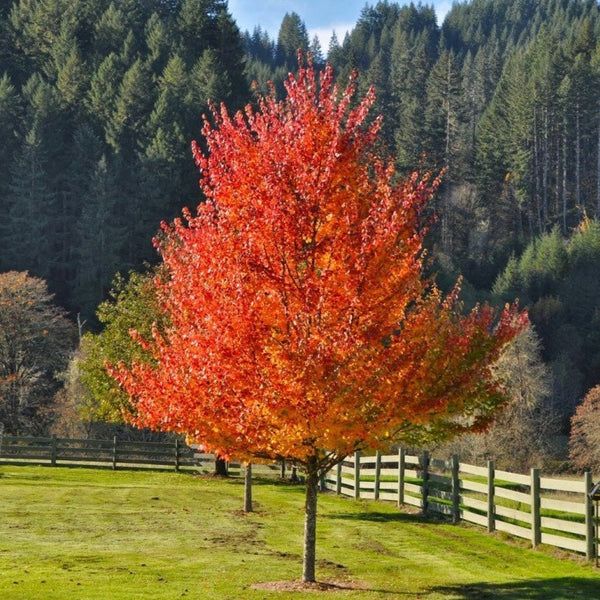
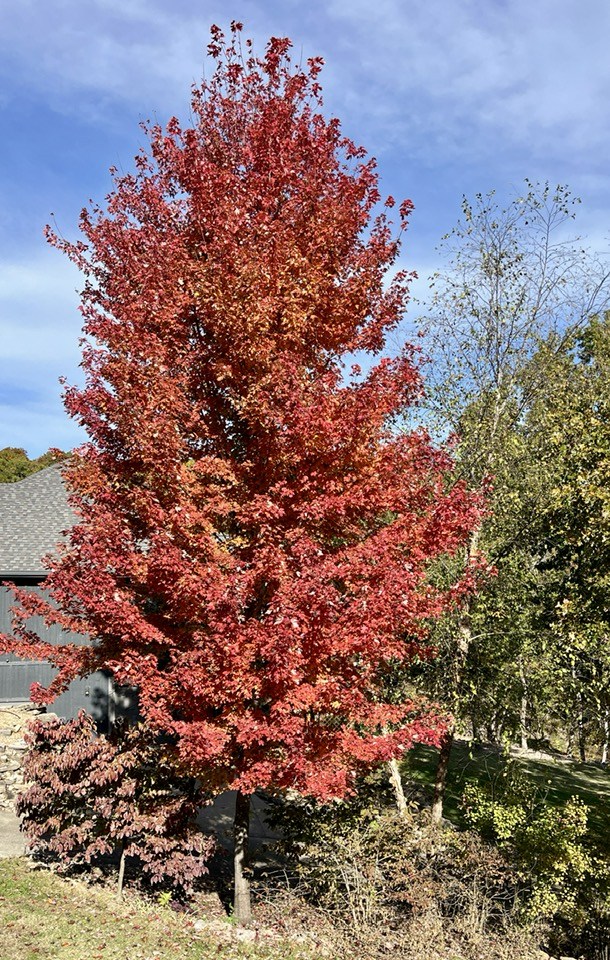
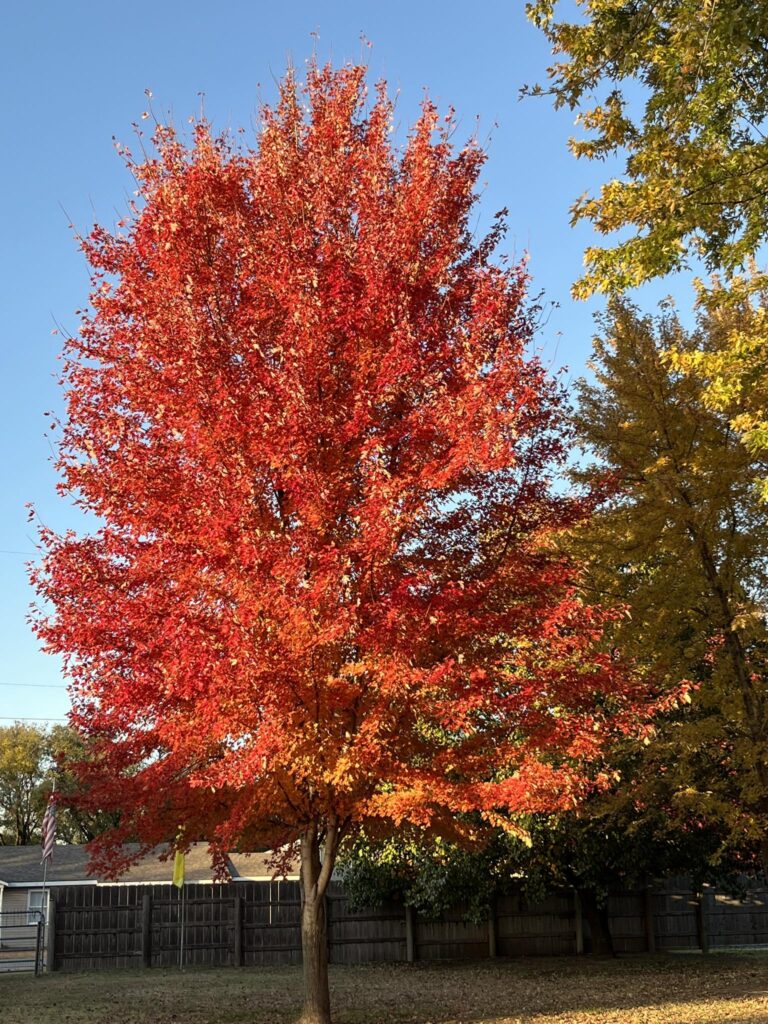
The Autumn Blaze maple (Acer × freemanii ‘Jeffersred’) is one of the most popular ornamental trees planted across North America. Its fast growth, stunning fall color, and adaptability to various climates have made it a favorite for homeowners and landscapers alike.
I understand the appeal — few trees can match the fiery orange-red display it puts on every autumn.
But here is the honest truth: Autumn Blaze maple trees come with a set of real, well-documented problems that are often overlooked at the time of planting. If you own one or plan to plant one, knowing these issues in advance can save you time, money, and significant heartache.
This guide covers the most common Autumn Blaze maple tree problems in detail, followed by the ideal growing conditions that give the tree its best chance at a long and healthy life.
What Is the Autumn Blaze Maple?
Before diving into the problems, a brief background is helpful. The Autumn Blaze maple is a hybrid between the silver maple (Acer saccharinum) and the red maple (Acer rubrum). It was patented in 1980 and has since become one of the most widely sold shade trees in the United States.
It grows rapidly — often 3 to 5 feet per year — and can reach 40 to 55 feet in height at maturity. That fast growth, however, is one of the very reasons many of its problems exist.
Common Autumn Blaze Maple Tree Problems
1. Weak Wood and Branch Failure
This is perhaps the most serious structural problem with Autumn Blaze maples. The tree’s fast growth rate produces wood that is relatively weak compared to slower-growing species. The rapid cell development leaves the wood less dense, making branches more prone to cracking and breaking.
This becomes especially dangerous during storms, heavy snowfall, or ice events. Major limbs can split and fall without much warning, posing a genuine safety risk to people, structures, and vehicles below.
The issue is worsened by the tree’s tendency to develop co-dominant stems — two or more main trunks growing upward at roughly the same angle. When these stems compete, they form a narrow V-shaped crotch. Over time, included bark (bark that grows inward between the stems) develops at that junction, creating a structurally weak point that is highly vulnerable to failure.
What you can do:
Early and consistent pruning while the tree is young helps establish a single dominant leader. Removing co-dominant stems before they become large significantly reduces long-term risk. Consult a certified arborist if you notice significant stem competition in a mature tree.
2. Root System Problems
Autumn Blaze maples develop an aggressive, wide-spreading root system. While this helps the tree establish quickly, it creates several problems over time.
The roots are notorious for surface heaving. They grow close to the ground surface and can lift sidewalks, driveways, patios, and even foundations. Many homeowners discover this issue years after planting, when the damage is already done and expensive to repair.
The roots also compete strongly with nearby plants, grass, and garden beds for water and nutrients. Lawns planted beneath or around an Autumn Blaze maple often struggle to survive, especially as the tree matures and the canopy densifies.
Additionally, root girdling is a documented problem. This occurs when a root wraps around the base of the trunk and gradually chokes off the flow of water and nutrients. Trees affected by girdling roots often show decline in the upper canopy — thin foliage, dead branches, and poor overall vigor — before the cause is correctly identified.
What you can do:
Plant the tree at least 10 to 15 feet away from sidewalks, driveways, and foundations. Inspect the root flare regularly for signs of girdling. Avoid planting grass immediately around the base of the tree.
3. Chlorosis (Yellowing Leaves)
Chlorosis is one of the most visually alarming problems Autumn Blaze maple owners encounter. It presents as yellowing of the leaf tissue while the veins remain green — a pattern known as interveinal chlorosis.
The most common cause is iron or manganese deficiency, usually triggered not by a lack of these minerals in the soil, but by a soil pH that is too high. Autumn Blaze maples prefer slightly acidic to neutral soil. When soil pH rises above 7.0, the tree cannot absorb iron effectively even if it is present in adequate amounts.
This is a widespread issue in regions with naturally alkaline or clay-heavy soils, including parts of the Midwest, Great Plains, and western United States.
Left untreated, chlorosis weakens the tree significantly. Affected leaves may turn pale yellow or even white, and severe cases can lead to leaf scorch, early leaf drop, and dieback of branches over several seasons.
What you can do:
Test your soil pH before planting. If pH is elevated, acidify the soil gradually using sulfur amendments. Chelated iron or manganese supplements can provide short-term relief, but addressing the root cause — the pH — is essential for lasting improvement.
4. Bark Cracking and Sun Scald
Sun scald is a cold-weather injury that affects many maples, and Autumn Blaze is particularly susceptible. It occurs when winter sun heats the bark on the south or southwest side of the trunk during the day, causing cells to become active. When temperatures drop sharply at night, those cells freeze and die.
The result is a vertical crack or area of sunken, discolored bark — often on the lower trunk. This damage creates an entry point for fungal pathogens and bacteria, increasing the risk of decay and disease over time.
Young trees are most vulnerable because their bark is thin and has not yet developed the protective qualities of mature bark. Newly planted Autumn Blaze maples are at particular risk in their first two to three winters.
What you can do:
Wrap young tree trunks with white or light-colored tree wrap in late autumn and remove it in spring. The reflective surface prevents extreme temperature swings. Avoid planting in locations where afternoon winter sun is intense and no shelter exists.
5. Verticillium Wilt
Verticillium wilt is a serious soilborne fungal disease caused by Verticillium dahliae or Verticillium albo-atrum. Maples as a genus are highly susceptible to this disease, and Autumn Blaze is no exception.
The fungus lives in the soil and infects the tree through its roots. Once inside, it colonizes the vascular system — the internal channels that carry water and nutrients — and blocks the flow. The outward symptoms include:
- Sudden wilting of leaves on one or more branches
- Yellowing or browning of leaves, often on one side of the tree
- Streaking of the wood beneath the bark (visible when a branch is cut)
- Progressive dieback that spreads over one or more seasons
There is no cure for verticillium wilt. Once a tree is infected, management focuses on slowing the disease’s progression rather than eliminating it. Infected trees may survive for years in a reduced state, or they may decline rapidly.
What you can do:
Avoid planting Autumn Blaze maples in soil known to harbor verticillium (often soil where tomatoes, strawberries, or other susceptible plants have been grown). Maintain general tree health through proper watering and fertilization, as stress accelerates decline.
Remove and dispose of severely infected trees; do not compost the material.
6. Anthracnose and Leaf Spot Diseases
Several fungal diseases cause spotting, browning, and premature defoliation of Autumn Blaze maple leaves. Anthracnose, caused by Discula species, is among the most common.
Anthracnose tends to appear during cool, wet springs. Symptoms include brown or tan irregular spots on the leaves, often following the leaf veins, and premature leaf drop. While rarely fatal in healthy trees, repeated early defoliation weakens the tree over multiple seasons.
Other leaf spot diseases, including those caused by Rhytisma (tar spot), create black or dark brown spots on the upper leaf surface in midsummer. These are primarily cosmetic concerns, though heavy infections contribute to reduced photosynthesis and overall stress.
What you can do:
Rake and dispose of fallen leaves in autumn to reduce the fungal spore load for the following year. Improve air circulation through selective pruning. Fungicide applications in early spring may help in severe or recurring cases, but they are generally not necessary for otherwise healthy trees.
7. Aphid and Scale Infestations
Autumn Blaze maples attract several sap-feeding insects. Aphids are among the most frequently encountered, forming large colonies on the undersides of leaves. They produce a sticky substance called honeydew, which coats surfaces below the tree and supports the growth of sooty mold — a black fungal coating that further reduces the plant’s ability to photosynthesize.
Scale insects, including cottony maple scale (Pulvinaria innumerabilis), can also be a serious problem. Heavy infestations weaken branches and, in combination with other stressors, can contribute to significant decline.
What you can do:
Encourage natural predators like ladybugs and lacewings by avoiding broad-spectrum pesticide use. Horticultural oil or insecticidal soap applications can manage aphid populations effectively.
Scale insects may require more targeted treatment, including dormant oil sprays or systemic insecticides in severe cases.
8. Root Compaction Sensitivity
Despite their vigorous growth, Autumn Blaze maples are sensitive to soil compaction. Compacted soil reduces the availability of oxygen to roots, impairs water infiltration, and limits root expansion. Trees planted in high-traffic areas — near roads, parking lots, or heavily used lawns — often show signs of stress related to compaction over time.
This is a particular problem in urban and suburban settings, which is ironic given how frequently Autumn Blaze is planted as a street or yard tree. Stressed trees from compaction become more vulnerable to secondary infections and pest problems.
What you can do:
Use mulch rings extending at least 3 to 4 feet from the base of the trunk to protect the root zone from compaction and foot traffic. Avoid driving or heavy machinery over the root zone during and after planting.
The Right Growing Conditions for Autumn Blaze Maple
Understanding the problems becomes more useful when you also understand what this tree actually needs to thrive. When grown in appropriate conditions, many of the above problems can be minimized or avoided altogether.
Sunlight Requirements
Autumn Blaze maple trees perform best in full sun. They require a minimum of six hours of direct sunlight daily. Partial shade is tolerated but tends to reduce the intensity of fall color and can slow growth. Avoid planting in heavily shaded spots — not only for the tree’s health but to reduce the risk of fungal disease, which thrives in low-light, humid environments.
Soil Preferences
The tree prefers well-drained, moist, slightly acidic to neutral soil, with a pH range of 6.0 to 7.0. It adapts to a range of soil types — including sandy loam, clay-loam, and silty soils — but consistently wet or waterlogged conditions should be avoided as they promote root rot and increase disease susceptibility.
If you are planting in high-pH or alkaline soil, take the time to amend and acidify before planting. Correcting soil pH after a tree is established is far more difficult and less effective.
Watering Needs
Young Autumn Blaze maples need regular, deep watering during the first two to three years after planting. This encourages deep root development rather than shallow root growth near the surface.
Once established, the tree shows reasonable drought tolerance, though extended dry periods — especially in summer — can stress the tree and trigger leaf scorch. Water deeply but infrequently rather than shallowly and often. Aim for soil moisture to penetrate 12 to 18 inches into the ground.
Mulching helps retain moisture between watering sessions and moderates soil temperature fluctuations.
Fertilization
Autumn Blaze maples generally do not require heavy fertilization. Over-fertilizing with nitrogen accelerates growth even further, which can worsen the wood weakness problem and make the tree more attractive to aphids.
A balanced, slow-release fertilizer applied in early spring every one to two years is usually sufficient for trees showing signs of nutrient deficiency or slow growth. Always conduct a soil test before fertilizing to avoid adding nutrients that are already adequate.
Hardiness and Climate
The Autumn Blaze maple is hardy in USDA Hardiness Zones 3 through 8, making it suitable for a broad geographic range from southern Canada through much of the continental United States. It tolerates cold winters well, though newly planted trees may need protection in Zone 3 for the first one or two winters.
It also shows reasonable tolerance to urban heat and air pollution, which partly explains its widespread use in city plantings — though, as noted, urban compaction can become a problem.
Pruning Practices
Proper pruning is essential and should begin when the tree is young. The goal in the early years is to establish a strong, single central leader and remove co-dominant stems before they grow large.
The best time to prune maples is in late summer or early autumn, after the growing season. Pruning in late winter or early spring causes “bleeding” — the release of large amounts of sap from cuts — which, while not truly harmful, is unsightly and unnecessary.
Never remove more than 25% of the tree’s canopy in a single season. Heavy pruning stresses the tree and stimulates rapid, weakly attached regrowth known as water sprouts.
Suggested For You:
7 Common Japanese Maple Bark Problems and How to Fix
The Japanese Black Pine Bonsai (Pinus thunbergii): History, Styling, and Growth Requirements
The Japanese White Pine (Pinus parviflora): History, Features and Growth Requirements
10 Common Japanese Blueberry Tree Problems: Identification and Fix
10 Small Flowering Trees for Your Front Yard: Perfect Picks for USA Homes
Final Thoughts
The Autumn Blaze maple is genuinely a beautiful tree. Its fall display is hard to match, and its growth rate suits homeowners who want shade quickly. But it demands respect and attention. It is not a plant-it-and-forget-it tree, and treating it as one is where most problems begin.
The good news is that many of its issues are preventable with proper site selection, thoughtful planting, and consistent early care. If you already have one in your yard showing signs of stress, early diagnosis and intervention can make a meaningful difference in outcomes.
When in doubt, consult a certified arborist — especially for structural concerns or disease questions. A professional assessment early on is almost always less expensive than addressing damage after the fact.
References
- University of Minnesota Extension — Verticillium Wilt of Trees and Shrubs https://extension.umn.edu/plant-diseases/verticillium-wilt
- Purdue University Cooperative Extension Service — Iron Chlorosis of Trees and Shrubs https://www.extension.purdue.edu/extmedia/HO/HO-4-W.pdf
- Penn State Extension — Anthracnose Diseases of Shade Trees https://extension.psu.edu/anthracnose-diseases-of-shade-trees
- Iowa State University Extension and Outreach — Autumn Blaze Maple: A Popular but Problematic Tree https://hortnews.extension.iastate.edu/autumn-blaze-maple
- University of Florida IFAS Extension — Pruning Shade Trees: Structural Pruning to Reduce Storm Damage https://edis.ifas.ufl.edu/publication/EP325

Tim M Dave is a gardening expert with a passion for houseplants, particularly cacti and succulents. With a degree in plant biology from the University of California, Berkeley, he has vast experience in gardening. Over the years, he has cultivated a vast collection of desert plants and learned a great deal about how to grow and care for these unique companions.