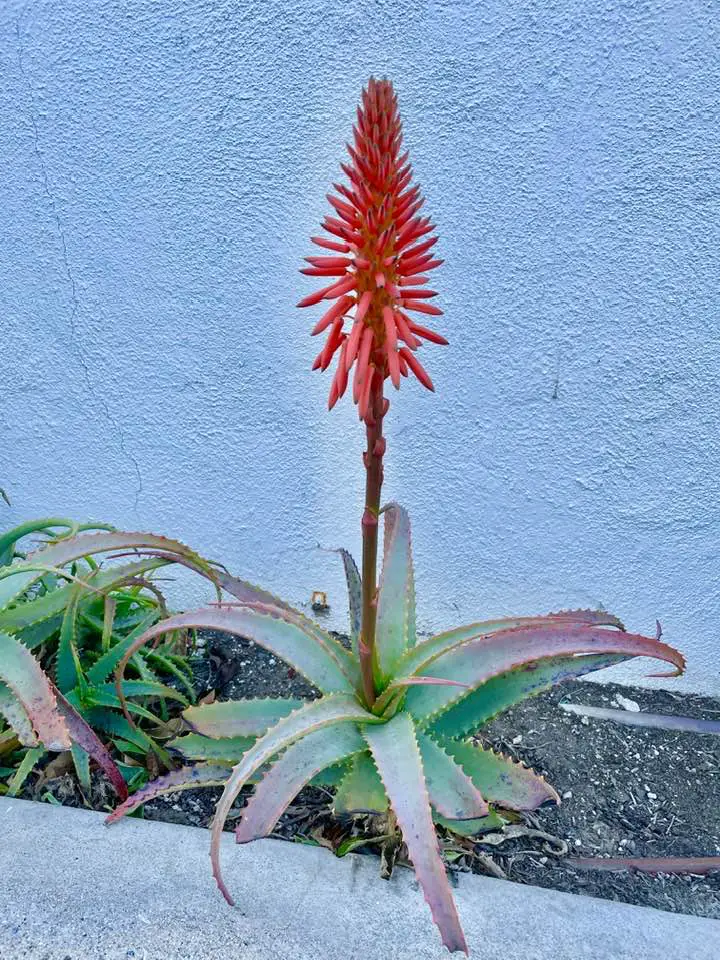
Signs Your Aloe Plant is Underwatered and How to Revive It
Aloe plants, especially Aloe vera, are a favorite in U.S. households. They’re easy to care for, purify the air, and their gel is a natural remedy for burns and skin irritations. According to the Missouri Botanical Garden, Aloe vera thrives in warm, dry climates.
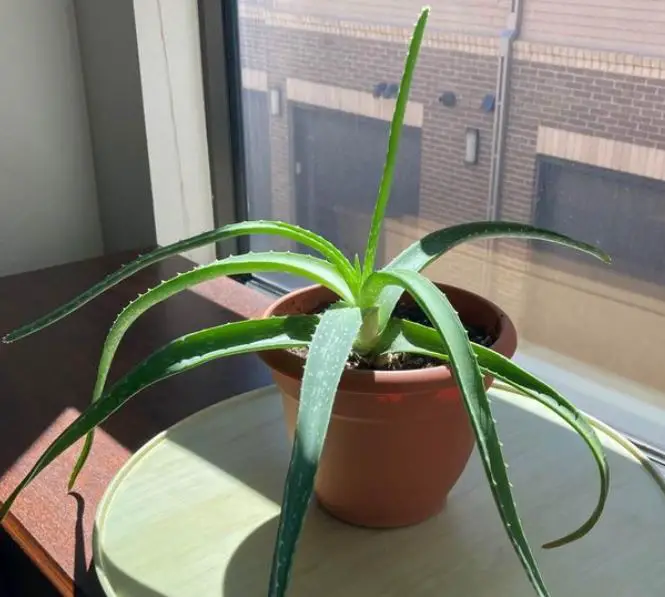
I keep my aloe on a sunny windowsill in my Chicago apartment. It’s survived freezing winters and my occasional neglect. But last summer, I noticed its leaves turning thin and curling inward. That’s when I realized I’d underwatered it. That’s when I knew that I needed to save my plant.
If your aloe is looking droopy, yellow, or shrivelled, you might be dealing with an underwatered aloe plant. Don’t worry! With a little care, you can nurse it back to health.
In this guide, I’ll walk you through how to spot an underwatered aloe, revive it, and keep it thriving.
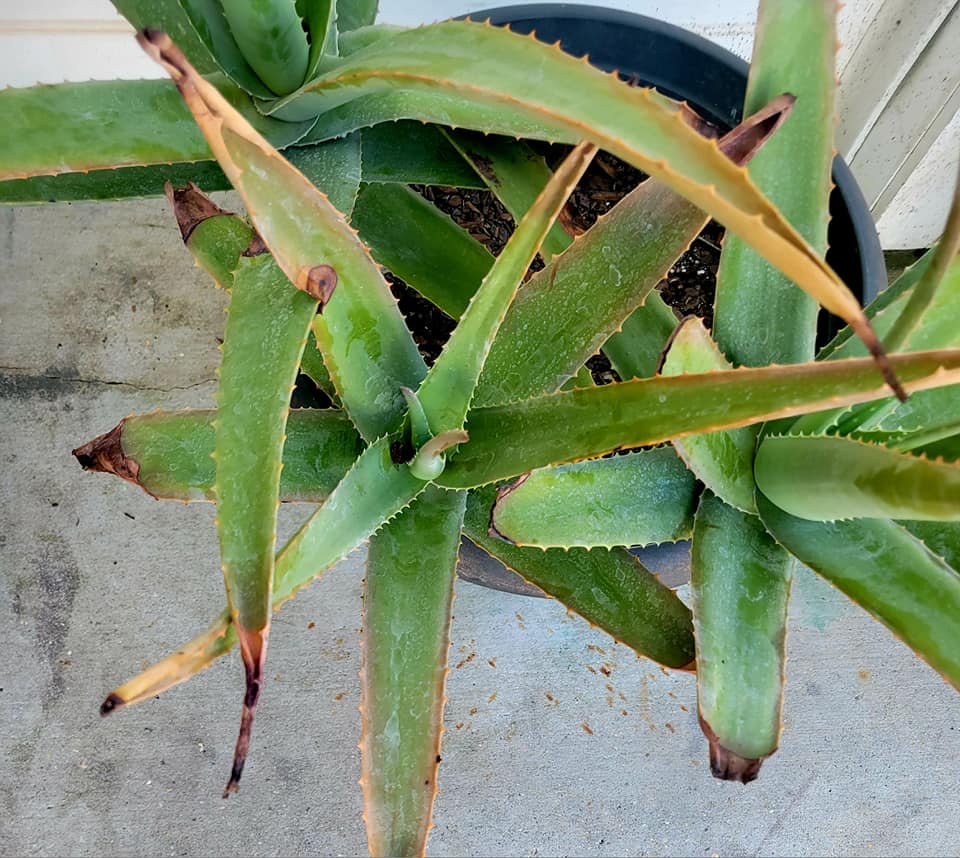
Signs Your Aloe Plant Is Underwatered
Underwatering is one of the most common mistakes plant owners make. Unlike overwatering, which can cause root rot, underwatering starves the plant of moisture. Here’s how to tell if your aloe is thirsty:
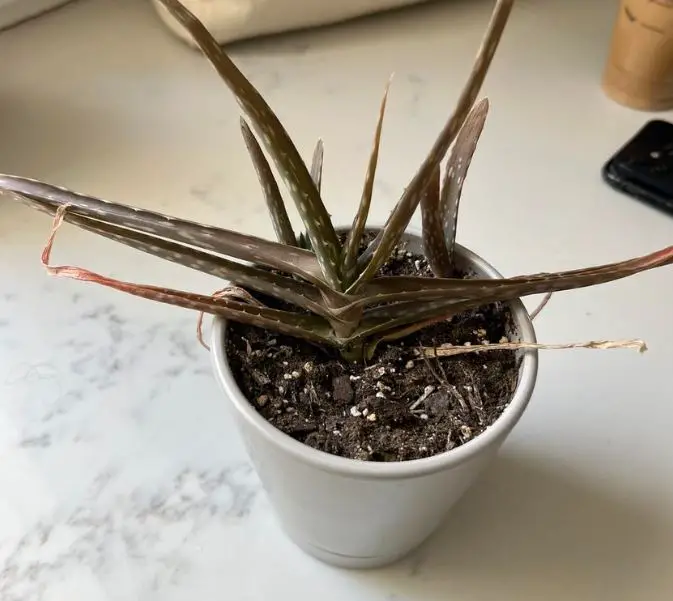
- Shriveled or thin leaves: Healthy aloe leaves are plump and firm. If they look wrinkled or feel soft, your plant needs water.
- Curling leaves: Leaves curling inward are a cry for hydration.
- Dry, brown tips: Browning at the leaf tips often signals dehydration.
- Slow growth: If your aloe hasn’t grown in months, it might not be getting enough water.
- Dry soil: Stick your finger an inch into the soil. If it’s bone-dry, your aloe is parched.
It is easy to mistake the signs of an overwatered aloe plant with those of underwatering. I noticed my aloe’s leaves were starting to look like prunes—not a good look! That’s when I knew it was time to act.
Let’s talk about how to fix it.
How to Revive an Underwatered Aloe Plant
Reviving an underwatered aloe is easier than you might think. Follow these steps to bring your plant back to life:
1. Water thoroughly but carefully
Give your aloe a good drink, but don’t drown it. Use a watering can with a narrow spout to pour water evenly around the base until it drains out the bottom of the pot. Aloes need infrequent but deep watering.
Let the soil dry out completely before watering again—usually every 2-3 weeks. I once made the mistake of giving my aloe a quick splash and thinking it was enough. Nope! A thorough soak made all the difference.
2. Check the pot and drainage
Aloes hate sitting in water. Make sure your pot has drainage holes. If it doesn’t, repot your aloe into a container with proper drainage. Terracotta pots are great because they wick away excess moisture. Use a cactus or succulent potting mix for optimal drainage.
When I repotted my aloe, I found its roots were cramped in a plastic pot with no holes. Switching to a terracotta pot was a game-changer.
3. Adjust your watering schedule
In most homes in the U.S., indoor conditions vary. Homes in humid Florida might need less frequent watering than dry Colorado homes. A good rule of thumb: water every 2-3 weeks in spring and summer, and once a month in fall and winter.
If you’re unsure, check the soil. If it’s dry an inch down, it’s time to water. I set a calendar reminder to check my aloe’s soil every two weeks. It saved me from forgetting!
4. Provide adequate light
Aloes love bright, indirect light. Place your plant near a south- or west-facing window. If you live in a region with intense summer sun, like Texas or Nevada, use a sheer curtain to diffuse the light.
Too little light can stress an already underwatered aloe, slowing its recovery. My aloe perked up when I moved it to a sunnier spot in my living room. It’s like it was saying, “Thank you!”
5. Monitor temperature and humidity
Aloes prefer temperatures between 60-80°F, common in most American homes. Avoid placing them near drafty windows or heating vents. Low humidity is fine—aloes are desert plants—but if your home is very dry, consider a pebble tray with water to boost humidity slightly.
I learned this the hard way when my aloe sat too close to a radiator. The leaves dried out faster than I could blink.
6. Trim damaged leaves
If some leaves are too far gone (think crispy and brown), trim them with clean scissors. This helps the plant focus energy on healthy growth. Make sure to cut at the base of the leaf to avoid stressing the plant.
I trimmed a few dead leaves off my aloe, and it looked healthier almost instantly. Plus, I felt like a plant doctor!
Preventing Underwatering in the Future
Once your aloe is back on track, keep it happy with these tips:
- Stick to a schedule. Consider watering every 2-3 weeks, but adjust according to your home’s climate. Homes in humid areas like Louisiana may need less frequent watering than those in dry states like Utah.
- Use well-draining soil. A cactus or succulent mix is ideal. You can find it at most garden centers or online at places like The Home Depot.
- Always test the soil before watering. A moisture meter can help if you’re unsure.
- Rotate your aloe every few weeks to ensure even light exposure. This prevents lopsided growth.
- Fertilize sparingly during the growth season. Use a diluted cactus fertilizer once in spring and once in summer. Overfertilizing can harm aloes, so less is more.
I now check my aloe’s soil religiously and rotate it when I water. It’s thriving, and I’m a proud plant parent!
Common Mistakes American Aloe Owners Make
In most households, where busy schedules and varying climates can make plant care tricky, aloes are forgiving. I’ve found joy in watching my aloe recover from its underwatered slump. It’s now lush and green, and I use its gel for minor cuts and burns.
I admit it: Living in the U.S., we face unique challenges with houseplants. Here are mistakes I’ve made (and seen others make) with aloes:
- Assuming aloes need no water. These plants are succulents, not cacti. They still need occasional watering.
- Using regular potting soil. This type of soil retains too much water. Always use a cactus or succulent mix.
- Ignoring seasonal changes. Winter in states like Minnesota means less watering due to lower light and cooler temps.
- Overcompensating after underwatering. Too much water can cause root rot. I once poured a gallon of water on my aloe, thinking it would “catch up.” Big mistake—I almost killed my plant.
Learning from these mistakes has made me a better aloe caretaker. Trust me, your plant will thank you for avoiding them!
FAQs
Here are the frequently asked questions about underwatered aloe plants:
Q: How often should I water my aloe in an American home?
A: Water every 2-3 weeks in spring and summer, and once a month in fall and winter. Check the soil first—if it’s dry an inch down, it’s time to water. Adjust based on your home’s climate.
Q: Can an underwatered aloe recover fully?
A: Yes, most aloes bounce back with proper care. Water thoroughly, ensure good drainage, and give it bright, indirect light. Be patient—it may take a few weeks to see improvement.
Q: Why are my aloe leaves turning yellow?
A: Yellow leaves can indicate underwatering or overwatering. Check the soil. If it’s dry, water your aloe. If it’s soggy, you may have overwatered, and root rot could be the issue.
Q: Can I use tap water for my aloe?
A: Tap water is usually fine, but if your water is high in chlorine or minerals (common in some U.S. cities), let it sit for 24 hours before watering. Filtered or rainwater is even better.
Q: Should I mist my aloe plant?
A: No, aloes don’t need misting. They prefer low humidity and can develop fungal issues if misted. Focus on proper watering and drainage instead.
Q: How do I know if my aloe is getting enough light?
A: If the leaves are green and plump, it’s happy. Pale or stretched leaves mean it needs more light. Move it to a brighter spot, like a south-facing window.
Final Thoughts
An underwatered aloe plant is a cry for help, but it’s not a death sentence. With a little TLC—proper watering, good drainage, and the right light—you can revive your aloe and make it a star in your home. I’ve learned to listen to my aloe’s needs, and now it’s thriving in my Chicago apartment.
You can do the same, no matter where you live in the U.S. So grab that watering can, check your soil, and give your aloe the love it deserves. Have questions? Drop them below, and let’s keep those aloes green!
For more aloe care tips, check out resources like the University of Florida IFAS Extension

Tim M Dave is a gardening expert with a passion for houseplants, particularly cacti and succulents. With a degree in plant biology from the University of California, Berkeley, he has vast experience in gardening. Over the years, he has cultivated a vast collection of desert plants and learned a great deal about how to grow and care for these unique companions.