ZZ Plant Root Rot: Signs and How to Save Your Plant
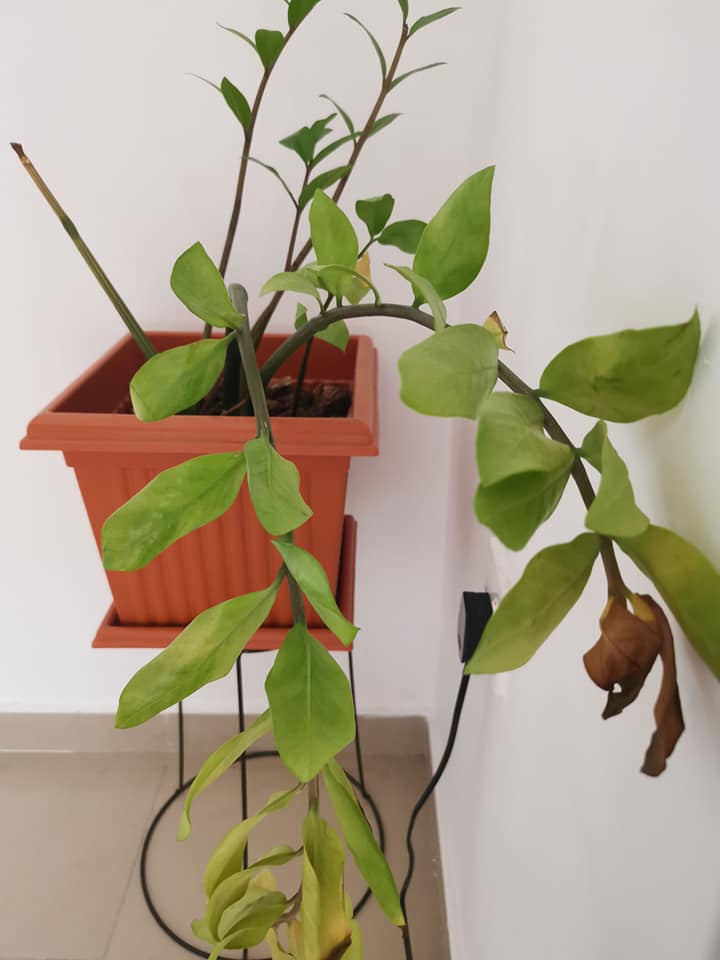
I’ll never forget the day I noticed my ZZ plant, my pride and joy, looking droopy and sad. Its glossy, dark green leaves, usually so perky, were turning yellow and soft at the base. My heart sank. Was my low-maintenance, bulletproof plant dying?
After some digging (literally and figuratively), I discovered the culprit: root rot. If you’re staring at your ZZ plant, wondering why it’s not thriving, you’re not alone. Root rot is a common issue for ZZ plants in homes, but don’t worry—I’ve got you covered.
In this guide, I’ll walk you through the causes, fixes, and prevention tips to revive your ZZ plant and keep it flourishing. But before we dive into root rot, let’s talk about why the ZZ plant (Zamioculcas zamiifolia) is such a rockstar.
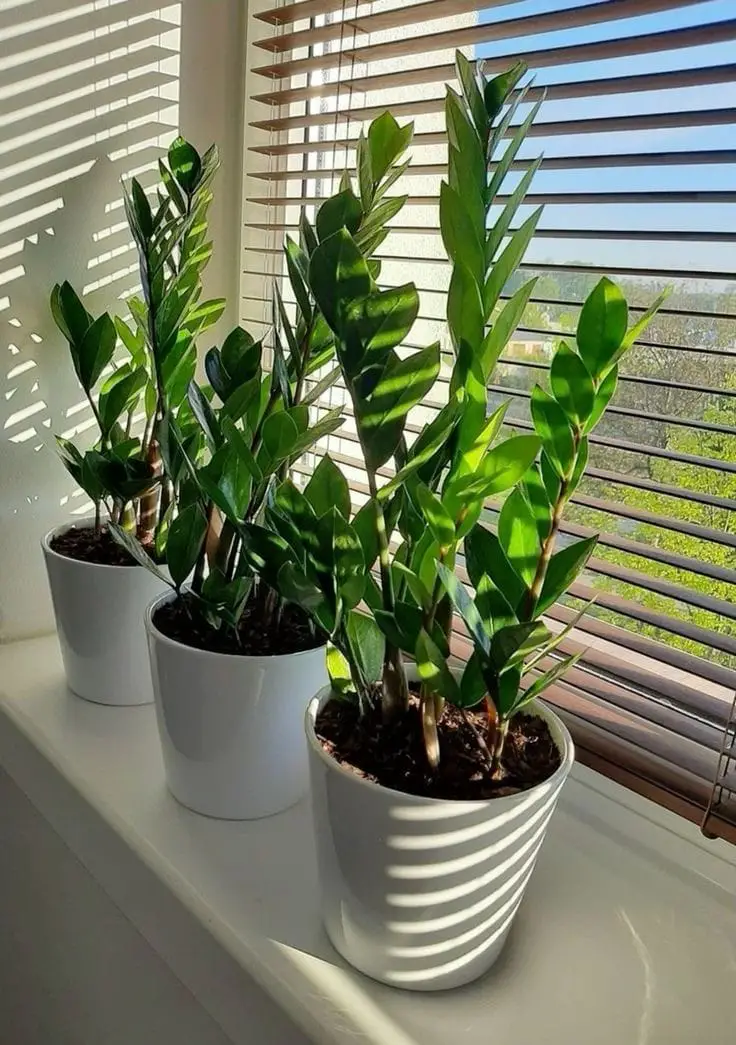
Native to East Africa, this plant is known for its glossy, upright leaves and tough-as-nails attitude. It thrives in low light, needs minimal water, and can handle neglect like a champ. It’s no wonder ZZ plants are a go-to for American households, from humid Miami apartments to dry Denver homes.
But even this hardy plant can fall victim to root rot if we’re not careful.
What Is Root Rot, and Why Does It Happen?
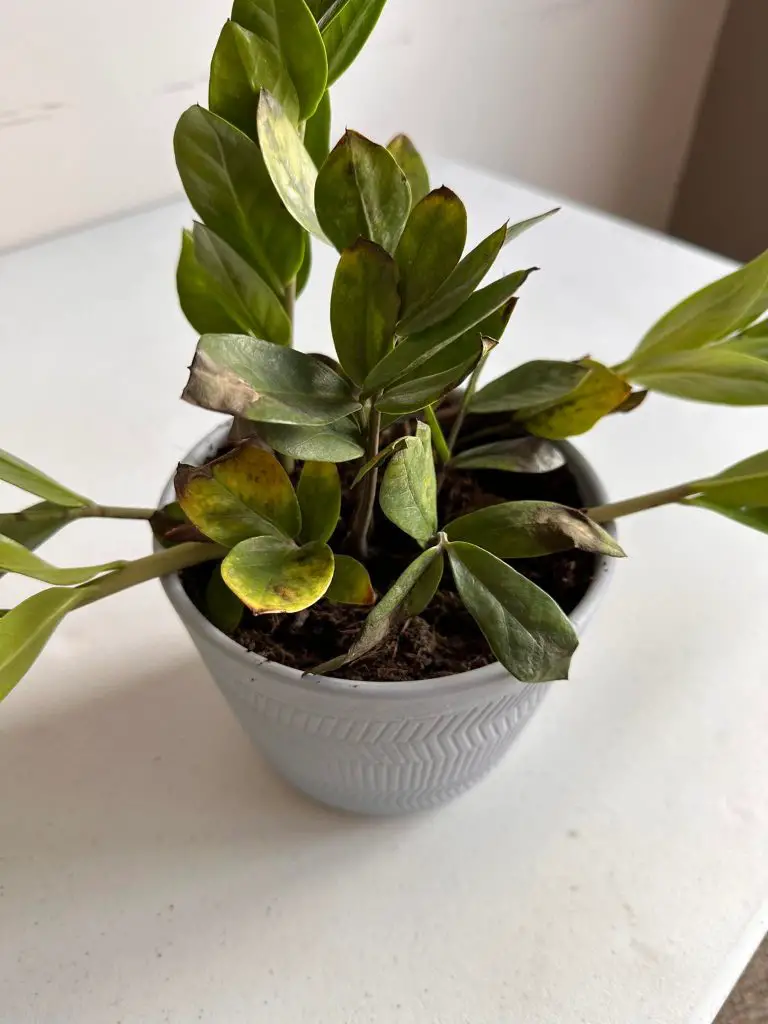
Root rot is like the silent killer of houseplants. It’s caused by fungi (like Phytophthora or Rhizoctonia) that thrive in overly wet soil, attacking the roots and turning them mushy.
I learned this the hard way when I overwatered my ZZ plant, thinking it needed more love than it did.
ZZ plants store water in their thick rhizomes (underground stems). This means they’re built for drought, not soggy conditions. Here are the main reasons root rot strikes:
1. Overwatering -The biggest culprit
I’ll admit it—I used to water my Zanzibar Gem on a schedule, not realizing it was sitting in wet soil. Overwatering suffocates the roots, inviting fungi to feast. In American homes, where we often crank up the AC or heat, soil can stay damp longer than expected.
Signs of overwatering:
- Yellowing or wilting leaves.
- Soft, mushy stems at the base.
- A funky, musty smell from the soil.
2. Poor drainage – Trapping water
My first ZZ plant was in a decorative pot with no drainage holes. Big mistake! Water pooled at the bottom, creating a perfect breeding ground for root rot. Many houseplant gardeners use pots without drainage for aesthetics, but this can spell disaster for ZZ plants.
Signs of poor drainage:
- Water sits in the pot after watering.
- Soil feels soggy days later.
3. Wrong soil Mix – Holding too much moisture
ZZ plants need well-draining soil, but I started with regular potting soil that held too much water. In regions like the Pacific Northwest, where humidity is high, heavy soil can worsen the problem.
Signs of wrong soil:
- Soil stays wet for weeks.
- Roots look black or slimy when inspected.
4. Low light and high humidity – A bad combo
ZZ plants tolerate low light, but too little light combined with high humidity (common in places like Florida) slows soil drying, encouraging rot. My ZZ plant was in a dim corner, and the soil never dried out properly.
Signs of environmental issues:
- Slow growth with yellowing leaves.
- Moldy or soggy soil surface.
How to Spot Root Rot in Your ZZ Plant
When my ZZ plant started looking off, I didn’t immediately suspect root rot. The leaves were yellowing, and some stems felt soft, but I thought it was just thirsty. Wrong! Here’s what to look for:
- Yellowing or wilting leaves: Healthy ZZ leaves are glossy and upright. Yellow, droopy leaves are a red flag.
- Mushy stems or rhizomes: Gently tug a stem. If it feels soft or comes off easily, root rot may be at play.
- Foul odor: A rotten smell from the soil is a dead giveaway.
- Black or slimy roots: If you unearth the plant, healthy roots are white and firm. Black, mushy, or stringy roots scream rot.
How to Fix ZZ Plant Root Rot – My Step-by-Step Rescue Plan
When I realized my ZZ plant had root rot, I sprang into action. Here’s the exact process I followed to save it:
Step 1: Remove the plant and inspect the roots
I gently pulled my ZZ plant from its pot and shook off the soil. The roots were a mix of healthy white ones and black, mushy ones. Using clean scissors (sterilized with rubbing alcohol), I cut away the rotten roots, leaving only firm, white ones.
If the rhizomes are soft or discolored, trim those too, but be careful—ZZ plants rely on rhizomes for water storage.
Pro Tip: Work in a well-ventilated area, as the soil can smell bad. Wear gloves if you’re sensitive to sap, which can irritate skin.
Step 2: Clean and disinfect
I rinsed the remaining healthy roots under lukewarm water to remove any lingering fungi. Then, I soaked the roots in a diluted hydrogen peroxide solution (1 part 3% hydrogen peroxide to 3 parts water) for 10 minutes to kill off any remaining pathogens.
This step is crucial in homes, where indoor conditions can harbor fungi.
Step 3: Repot in fresh, well-draining soil
I tossed the old soil and chose a new mix—half cactus potting soil and half perlite. This ensures fast drainage, perfect for ZZ plants. I also picked a pot with drainage holes to prevent future water buildup. I love terracotta or ceramic pots because they allow moisture to wick away.
Step 4: Water sparingly
After repotting, I gave the plant a light watering—just enough to settle the soil. ZZ plants need time to recover, so I waited until the top inch of soil was dry before watering again. In my dry Colorado home, this meant watering every 2-3 weeks in summer and monthly in winter.
Step 5: Optimize light and environment
I moved my ZZ plant to a spot with bright, indirect light, near an east-facing window. If you’re in a low-light home, a grow can help. I also ensured good airflow to prevent humidity buildup, especially important in humid climates like the Southeast.
Step 6: Monitor recovery
Recovery isn’t instant. My ZZ plant took a few weeks to show new growth, but the remaining leaves stayed green and firm. Be patient, and don’t overwater during this time.
Preventing Root Rot in Your ZZ Plant
When root rot hit my ZZ plant, I felt like I’d failed my toughest houseplant. I’d been watering it weekly, thinking I was being a good plant parent. Wrong! After researching and talking to a local nursery, I carefully trimmed the rotten roots, repotted in a cactus mix, and moved it to a brighter spot.
The first few weeks were nerve-wracking, but when I saw a new shoot pop up, I did a happy dance. My ZZ plant is now thriving, and I’ve learned to let the soil dry out completely between waterings.
After my root rot scare, I vowed never to let it happen again. Here’s how I keep my ZZ plant healthy:
- Check the soil before watering. I use a moisture meter l to avoid guesswork. Water only when the top 1-2 inches are dry.
- Use the right pot and soil. Always choose a pot with drainage holes and a well-draining mix. I mix perlite or sand with cactus soil for extra drainage.
- In humid areas like Louisiana, water less frequently and ensure good airflow. In dry regions like Arizona, watch for brown leaf tips, which signal low humidity.
- Dust on leaves can block photosynthesis. I wipe my ZZ’s leaves with a damp cloth monthly.
- Avoid over-fertilizing. ZZ plants need minimal fertilizer. I use a diluted, balanced fertilizer once or twice a year in spring.
- Low humidity can dry out leaves. I place a pebble tray with water under my pot to boost humidity slightly.
- High humidity can keep soil wet longer. Use a fan or dehumidifier near your plant, and water sparingly.
- ZZ plants are compact and thrive in low light, making them ideal for small spaces. Just ensure proper drainage.
- Keep your ZZ plant away from drafty windows or heaters. Temperatures below 50°F can stress the plant.
FAQs
Here are quick answers to the frequently asked questions about ZZ plant root rot:
Q: Can a ZZ plant recover from root rot?
A: Yes, if caught early. Trim rotten roots, repot in fresh soil, and adjust care. Recovery takes weeks, but ZZ plants are resilient.
Q: How often should I water my ZZ plant?
A: Water when the top 1-2 inches of soil are dry—typically every 2-4 weeks. This may depend on your home’s conditions.
Q: Why does my ZZ plant smell bad?
A: A foul odor usually means root rot. Inspect the roots, trim any mushy ones, and repot in fresh, well-draining soil.
Q: Are ZZ plants toxic to pets?
A: Yes, ZZ plants are toxic to cats and dogs if ingested.. Keep them out of reach. ASPCA Plant Safety Guide
Q: Can I propagate a ZZ plant with root rot?
A: If some stems and rhizomes are healthy, you can propagate by dividing the rhizomes or taking leaf cuttings. Ensure all rot is removed first.
Suggested For You:
Explained: Why Are My ZZ Plant Leaves Curling?
Explained: Why Are My ZZ Plant Leaves Turning Yellow?
Is Your Zanzibar Gem Thirsty? How to Revive an Underwatered ZZ Plant
Beginners Guide: How to Save Your Overwatered ZZ Plant
8 Common ZZ Plant Problems (And Their Troubleshooting Tips)
Final Thoughts
Root rot might feel like a death sentence for your ZZ plant, but it’s not. With quick action—trimming bad roots, repotting, and adjusting care—you can bring your plant back to its glossy, carefree self. I’ve been there, panicking over yellow leaves, but my ZZ plant’s recovery taught me that even the toughest plants need the right care.
Helpful Resources for ZZ Plant Care
- The Old Farmer’s Almanac: ZZ Plant Care – Beginner-friendly care tips.
- Epic Gardening: ZZ Plant Troubleshooting – In-depth guide to common issues.
- Missouri Botanical Garden: Zamioculcas zamiifolia – Scientific insights on ZZ plant care.
- The Spruce: How to Treat Root Rot – General root rot advice for houseplants.

Tim M Dave is a gardening expert with a passion for houseplants, particularly cacti and succulents. With a degree in plant biology from the University of California, Berkeley, he has vast experience in gardening. Over the years, he has cultivated a vast collection of desert plants and learned a great deal about how to grow and care for these unique companions.