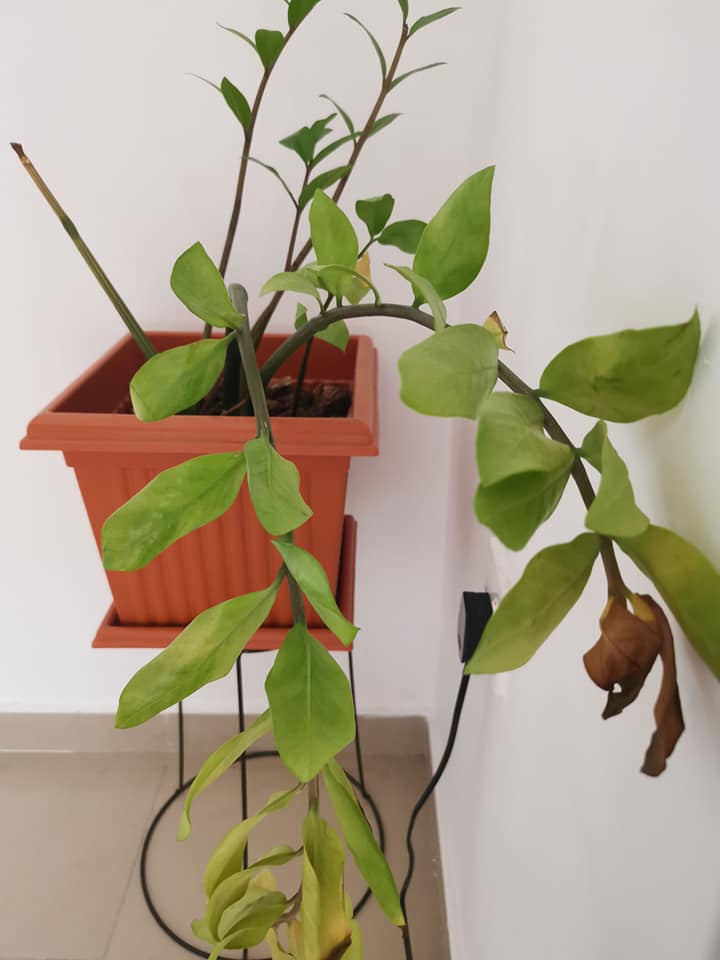
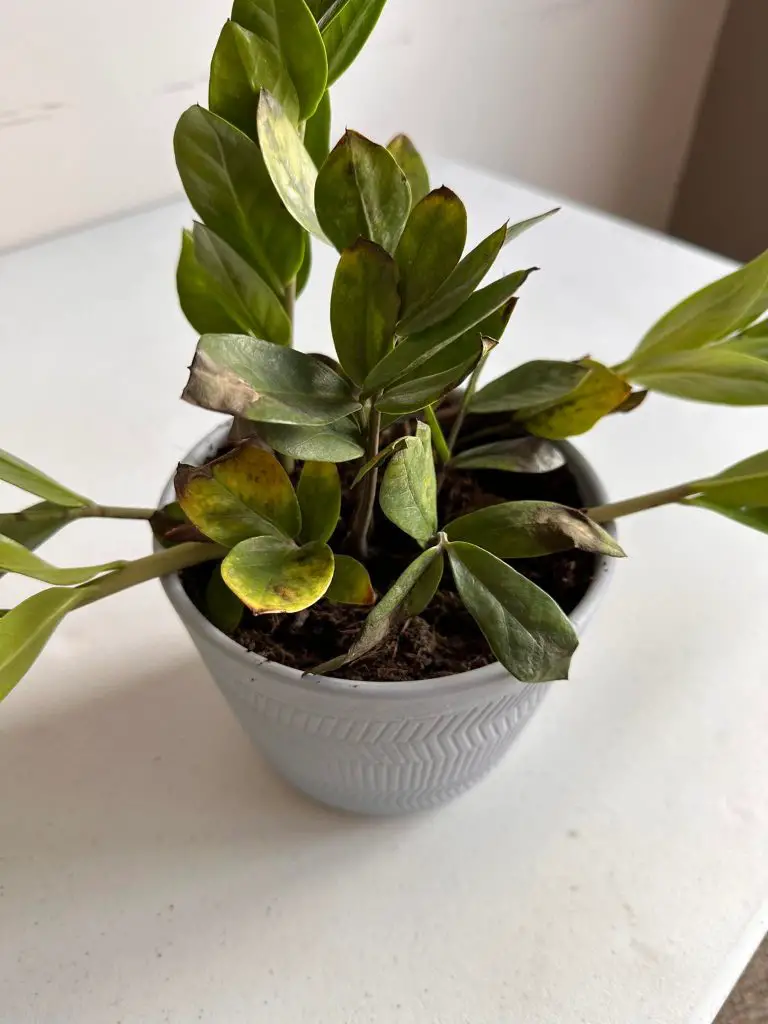
Explained: Why Are My ZZ Plant Leaves Turning Yellow?
ZZ plants (Zamioculcas zamiifolia), commonly known as the Zanzibar Gem or eternity plants, are the superheroes of houseplants. They’re tough, low-maintenance, and can thrive in almost any corner of your home. But when those glossy, dark green leaves start turning yellow, it feels like a punch to the gut.
I’ve been there, staring at my ZZ plant, wondering what I did wrong. If you’re in the same boat, don’t worry. This guide will walk you through why your ZZ plant leaves are turning yellow, how to fix it, and how to keep your plant thriving.
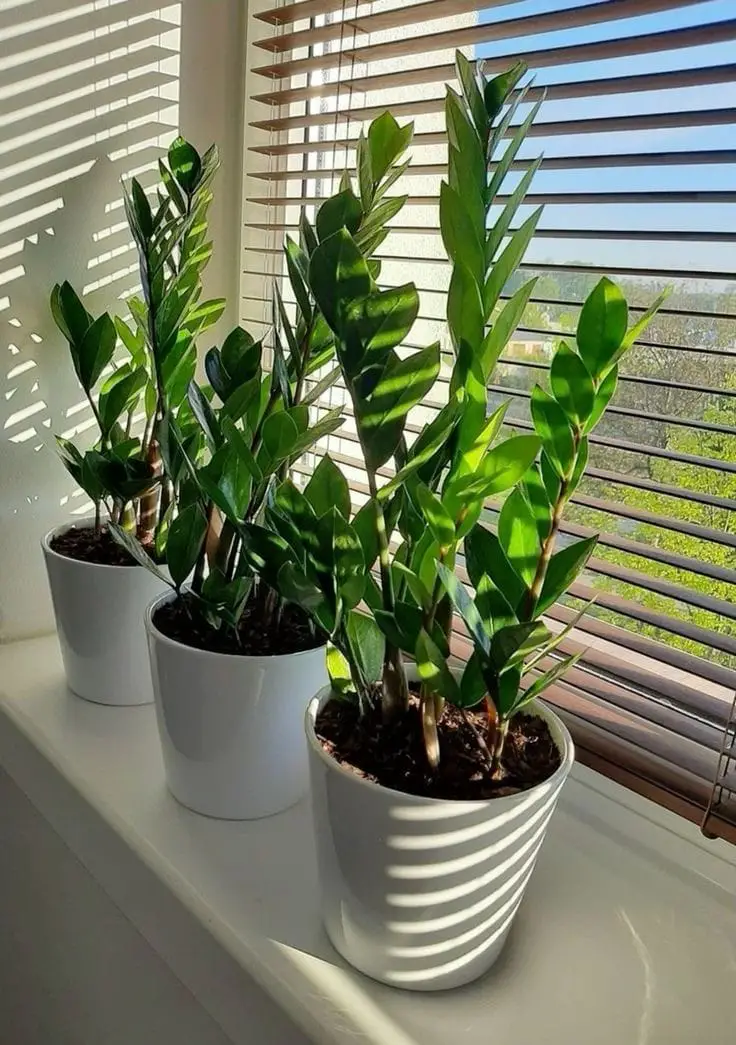
Before we dive into the yellowing leaves, let’s talk about why ZZ plants are so popular. Native to East Africa, particularly Kenya, Zanzibar and Tanzania, these plants are known for their glossy, oval-shaped, deep green leaves that grow in upright, arching stems.
Typically reaching 2–3 feet tall and wide indoors, it’s compact enough for tabletops or floor displays. ZZ plants thrive in low to bright indirect light and need infrequent watering, thanks to water-storing rhizomes.
They rarely flower indoors, but in ideal conditions, they may produce small, creamy-white blooms hidden at the base. Known for durability, they tolerate neglect, dry air, minimal watering, and low light. ZZ plants are toxic if ingested, per the ASPCA.

Why Are My ZZ Plant Leaves Turning Yellow?
Yellow leaves on a ZZ plant can signal several issues. Here are the most common culprits, along with fixes to get your plant back to its glossy glory.
Overwatering – The #1 mistake
Overwatering is the leading cause of yellowing ZZ plant leaves. These plants store water in their thick rhizomes (underground stems), so they don’t need frequent drinks. Too much water leads to root rot, which starves the leaves of nutrients, turning them yellow.
Signs of overwatering:
- Yellow, mushy leaves
- Soft, soggy soil
- A funky smell from the pot
How to fix it:
- Check the soil. If it’s wet, stop watering immediately.
- Let the soil dry out completely before watering again. ZZ plants can go weeks without water.
- If root rot is suspected, gently remove the plant from its pot. Trim away any black, mushy roots with sterile scissors and repot in fresh, well-draining soil. I use a mix of potting soil and perlite for extra drainage.
- Water sparingly—once every 2–3 weeks in most American homes, depending on humidity.
Pro Tip: Stick your finger an inch into the soil. If it’s dry, water. If it’s moist, wait. For a deeper dive into proper watering, check out the University of Florida’s guide on houseplant care.
Underwatering – Yes, It Happens
While ZZ plants are drought-tolerant, they’re not invincible. I once forgot to water mine for over a month during a hectic work season, and the lower leaves started yellowing. Underwatering causes the plant to pull moisture from older leaves, leaving them yellow and crispy.
Signs of underwatering:
- Dry, shriveled leaves
- Soil pulling away from the pot’s edges
- Slow growth
How to fix it:
- Give your plant a thorough drink, letting water run through the drainage holes.
- Don’t let it sit in standing water—empty the saucer after 30 minutes.
- Establish a watering schedule. In most homes in the U.S., watering every 2–4 weeks is enough, depending on light and season.
Too much light – Sunburned ZZ Plants
ZZ plants love low to medium light, making them ideal for dim corners. But if you’ve placed yours in direct sunlight—say, a south-facing window in a sunny state like Texas—it might get stressed. Too much light burns the leaves, causing yellowing or browning.
Signs of too much light:
- Yellow or bleached leaves, especially on the side facing the light
- Crispy leaf tips
How to Fix It:
- Move your plant to a spot with indirect light. A north or east-facing window is perfect.
- If you only have bright windows, use a sheer curtain to filter the light.
- Trim severely damaged leaves to encourage new growth.
For more on light requirements, the Missouri Botanical Garden has a great ZZ plant profile.
Low Light – Not enough energy
ZZ plants can survive in low light, but “survive” doesn’t mean “thrive.” If your plant is in a dark basement or a windowless office, it may not get enough light to produce energy, leading to yellow leaves.
Remember, light is responsible for the production of chlorophyll, the green pigment in plant foliage.
Signs of low light:
- Pale, yellowing leaves
- Slow or no growth
- Leggy stems
How to Fix It:
- Move your plant to a brighter spot with indirect light.
- Consider a grow light if natural light is limited. I use a small LED grow light for my ZZ during Chicago winters, and it’s a game-changer.
Nutrient deficiency – Hungry plants
ZZ plants aren’t heavy feeders, but they still need nutrients. If your plant hasn’t been repotted or fertilized in years, it might be running low on essentials like nitrogen, phosphorus, and potassium, which can cause yellowing.
Signs of nutrient deficiency:
- Uniform yellowing across older leaves
- Stunted growth
How to Fix It:
- Fertilize sparingly—once every 3–6 months during spring and summer. I use a diluted liquid houseplant fertilizer (like 10-10-10) at half strength.
- Repot every 2–3 years with fresh soil to replenish nutrients. The Royal Horticultural Society offers great repotting tips.
Pests – Sneaky culprits
Pests like spider mites, mealybugs, or scale can stress your ZZ plant, causing yellow leaves. These sneaky creatures suck juices from the plant leaving it with not enough nutrients. They also cause unsightly damages. I once found tiny webs on my plant and panicked, but a quick fix saved it.
Signs of pests:
- Yellowing leaves with tiny spots or webbing
- Sticky residue on leaves
- Visible bugs
How to Fix It:
- Wipe leaves with a damp cloth to remove pests manually.
- Spray with neem oil or insecticidal soap. I mix a teaspoon of neem oil with a quart of water and mist weekly until pests are gone.
- Isolate the affected plant to prevent spreading to other houseplants.
Natural aging – Nothing to worry about
Sometimes, yellow leaves are just part of life. Older leaves naturally yellow and drop as the plant grows new ones. If only a few lower leaves are yellow and the rest look healthy, this is likely the cause.
How to Fix It:
- Gently remove yellow leaves with clean scissors.
- Keep up with regular care, and your plant will keep pushing out new growth.
How to Prevent Yellow Leaves in the Future
When I first got my ZZ plant, I thought it was indestructible. I plopped it in a corner, watered it whenever I remembered, and expected it to thrive. Then, one day, I noticed yellow leaves. I was crushed, thinking I’d failed as a plant parent.
After some research, I realized I was overwatering and keeping it in a spot with too little light. I moved it to a brighter corner, adjusted my watering, and now it’s the star of my living room. If I can save my ZZ, you can too.
Now, after I’ve fixed the issue, here’s my routine for a happy ZZ plant in my home:
- Water only when the soil is dry. In winter, I water even less—maybe once a month.
- Place your ZZ in bright, indirect light. Avoid direct sun or pitch-black corners.
- Dust can block light. I wipe my ZZ’s leaves with a damp cloth every few months.
- Feed lightly in spring and summer. Skip fertilizer in fall and winter.
- Inspect your plant monthly for unwanted guests (pests).
- Every 2–3 years, give your ZZ fresh soil and a slightly larger pot if it’s root-bound.
Should You Cut Off Yellow ZZ Plant Leaves?
Short answer: Yes, you should cut off yellow ZZ plant leaves—but only if they’re fully yellow, browning, or mushy. Here’s why:
- Yellow leaves don’t look great. Removing them keeps your plant looking fresh.
- Yellow leaves can’t photosynthesize effectively. Cutting them redirects energy to healthy growth.
- Damaged leaves can attract pests or harbor disease, especially if they’re mushy from overwatering.
However, don’t rush to snip if only a few leaves are slightly yellow. Address the underlying issue first, or you might stress the plant further. I learned this the hard way when I chopped off half my ZZ plant’s leaves without fixing the overwatering problem—oops!
FAQs
Here are quick answers to the frequently asked questions about ZZ plant leaves turning yellow:
Q: How often should I water my ZZ plant?
A: Water every 2–4 weeks when the soil is dry. In winter, you might water once a month. Always check the soil first.
Q: Can yellow leaves turn green again?
A: Unfortunately, no. Once a leaf turns yellow, it won’t recover. Trim it off and focus on healthy new growth.
Q: Is my ZZ plant dying if it has yellow leaves?
A: Not necessarily! A few yellow leaves are normal. Address the cause (like overwatering or light issues), and your plant can bounce back.
Q: Can I propagate a ZZ plant with yellow leaves?
A: It’s best to use healthy green leaves or stems for propagation. Yellow leaves are stressed and less likely to root successfully.
Q: Are ZZ plants toxic?
A: Yes, ZZ plants are toxic if ingested, so keep them away from pets and kids. The ASPCA lists them as toxic to cats and dogs.
ZZ Plant Care Tips for Plant Lovers in the U.S.
Climate in the U.S. varies wildly—humid Florida condos, dry Colorado cabins, or drafty New England apartments. Here’s how to care for your ZZ plant based on your environment:
- In humid climates, common in states like Florida, Louisiana, reduce watering frequency, as high humidity keeps soil moist longer. Ensure good airflow to prevent mold.
- In dry climates, common in Arizona, Nevada, mist occasionally or place a humidifier nearby to combat dry air, especially in winter.
- In cold climates, common in Minnesota and Maine, keep your ZZ away from drafty windows or heaters. Indoor temperatures between 65–75°F are ideal.
- Urban Apartments, common in cities like NYC, Chicago, supplement natural light with a grow light.
Where to Buy Healthy ZZ Plants
If your ZZ plant is beyond saving or you want to add another to your collection, here are some trusted places to buy:
- The Sill: Great for stylish pots and healthy plants.
- Bloomscape: Ships directly to your door with care instructions.
- Local nurseries or garden centers like Home Depot or Lowe’s.
Suggested For You:
Explained: Why Are My ZZ Plant Leaves Curling?
7 Expert Tips to Revive Your Droopy ZZ Plant
Is Your Zanzibar Gem Thirsty? How to Revive an Underwatered ZZ Plant
Is Your ZZ Plant Suffering from Root Rot? Signs and How to Save Your Plant
Beginners Guide: How to Save Your Overwatered ZZ Plant
Final Thoughts
Yellow leaves on your ZZ plant aren’t the end of the world. With a little detective work and some TLC, you can nurse your plant back to health. Whether it’s overwatering, light issues, or a nutrient deficiency, the fixes are simple and doable, even for beginners.
I’ve learned that ZZ plants are forgiving, and with the right care, they’ll reward you with lush, green foliage for years. So, grab your watering can (but don’t overdo it), find the perfect spot in your home, and let your ZZ shine.
If you have more questions or want to share your ZZ plant journey, drop a comment below.

Tim M Dave is a gardening expert with a passion for houseplants, particularly cacti and succulents. With a degree in plant biology from the University of California, Berkeley, he has vast experience in gardening. Over the years, he has cultivated a vast collection of desert plants and learned a great deal about how to grow and care for these unique companions.