8 Major Yoshino Cherry Tree Problems and How to Fix Them
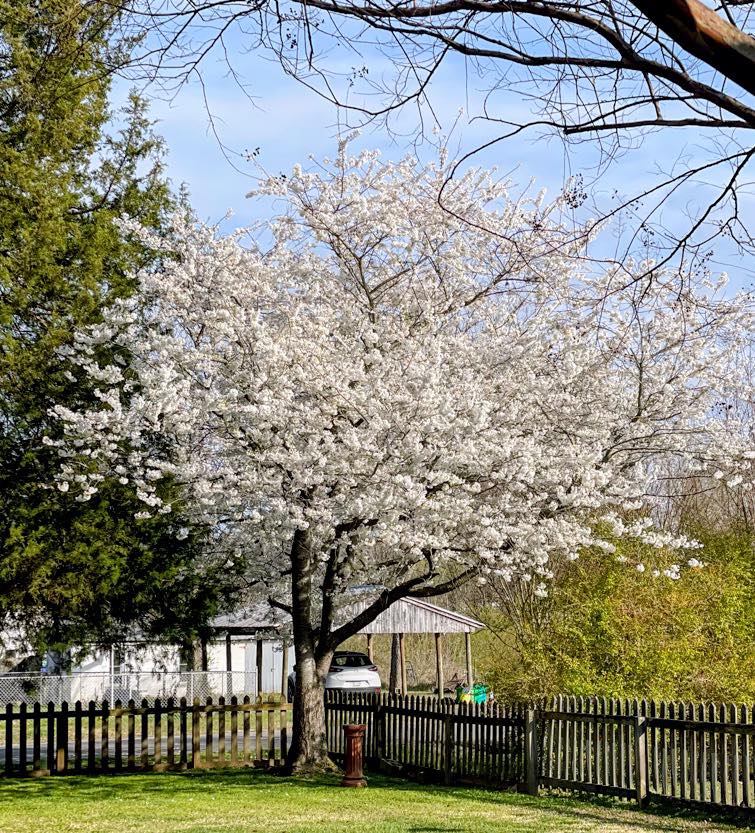
Few trees announce the arrival of spring quite like the Yoshino cherry (Prunus × yedoensis). Its clouds of pale pink and white blossoms have made it one of the most planted ornamental trees in the world.
Washington D.C.’s famous cherry blossom festival is, after all, built almost entirely on this single cultivar. Yet for all its beauty, the Yoshino is not a trouble-free tree. Many homeowners and landscapers discover — often too late — that this tree demands more careful management than its graceful appearance suggests.
If your Yoshino is losing leaves too early, producing fewer blossoms, showing bark damage, or simply looking unwell, you are not alone. This guide walks through every major Yoshino cherry tree problem, explains the causes clearly, and offers practical steps to address each one.
Understanding the Yoshino Cherry Tree First
Before diving into problems, it helps to understand what this tree is and what it expects from its environment.
The Yoshino cherry is a hybrid, believed to be a cross between Prunus speciosa (Oshima cherry) and Prunus subhirtella (Higan cherry). It was first cultivated in Japan in the late 1800s.
The tree typically grows 20 to 40 feet tall, has a broad, spreading canopy, and produces its blossoms in early spring — often before the leaves emerge. This makes the flowering display especially dramatic.
The Yoshino thrives in USDA hardiness zones 5 through 8. It prefers full sun, well-drained slightly acidic soil, and moderate moisture. When any of these conditions are significantly off, problems follow quickly.
1. Root and Soil Problems
Compacted or Poorly Drained Soil
This is one of the most common and underappreciated problems for Yoshino cherry trees, especially those planted in urban settings or clay-heavy soils. Yoshinos are highly sensitive to waterlogged roots. When the soil stays wet for extended periods, the roots cannot access oxygen, and they begin to rot.
Signs to watch for: yellowing leaves in summer, early leaf drop, sparse canopy, and a general look of slow decline. The tree may look fine for a season or two before the damage becomes obvious.
Poor drainage is often a structural problem. If your tree sits in a low-lying area or a spot where water pools after rain, no amount of fertilizer or pruning will solve the issue. The soil itself must be addressed — either by improving drainage with amendments, raising the planting area, or in serious cases, relocating young trees.
Compacted soil is equally damaging. Foot traffic, heavy machinery, or years of neglect can compress the soil around the root zone, preventing both drainage and aeration. Aerating the soil and applying a 3- to 4-inch layer of organic mulch — kept away from the trunk — can help significantly.
Planting Depth Problems
A Yoshino planted too deeply is a struggling Yoshino. The root flare — the area where the trunk widens at the base — must be visible above the soil surface. When the trunk is buried too deep, the bark stays moist, invites decay, and the tree cannot properly exchange gases. This is a slow killer that many gardeners never identify as the source of the problem.
If you suspect the tree was planted too deeply, carefully remove excess soil from around the base until the root flare is exposed.
2. Fungal Diseases
Fungal issues are among the most serious and widespread Yoshino cherry tree problems. Several species of fungi target this tree, and each presents differently.
Brown Rot (Monilinia spp.)
Brown rot is a fungal disease that primarily affects the blossoms and young fruit. It spreads rapidly during wet, humid spring weather — exactly the conditions that coincide with Yoshino flowering. Infected blossoms turn brown and may cling to the tree even after dying. The fungus can then move into twigs, causing twig blight.
Management: Remove and dispose of infected plant material promptly. Avoid overhead irrigation. Fungicide applications containing myclobutanil or captan can help when applied preventively during early bloom. Good air circulation through proper pruning also reduces the risk.
Cherry Leaf Spot (Blumeriella jaapii)
This fungal disease causes small, circular purple or red spots on the upper leaf surface. As the disease progresses, the spots may fall out, leaving a “shot hole” appearance. Severely infected leaves turn yellow and drop prematurely — sometimes as early as midsummer.
Repeated early defoliation weakens the tree over successive years. A Yoshino that loses its leaves in July or August cannot carry out sufficient photosynthesis to store energy for the following spring’s bloom. Over time, this leads to stunted growth and a noticeably weaker flowering display.
Fungicide programs beginning at petal fall and repeated every 7 to 14 days during wet weather are the standard recommendation. However, cultural practices — removing fallen leaves promptly and ensuring good air circulation — are equally important.
Powdery Mildew
Powdery mildew appears as a white or gray dusty coating on the leaves, usually in late summer or early autumn. Unlike most fungal diseases, it does not require wet conditions to spread; it actually thrives in warm days followed by cool nights, with moderate humidity.
While powdery mildew is rarely fatal to a mature Yoshino, it weakens the tree over time and is unsightly. Young trees are more vulnerable. Fungicides containing sulfur or potassium bicarbonate can control it, though thorough coverage of all leaf surfaces is essential.
Cytospora Canker (Leucostoma spp.)
Cytospora canker is a fungal disease that attacks the woody tissue of the tree. It enters through wounds — pruning cuts, insect damage, frost cracks, or mechanical injury. Once established, it causes sunken, discolored areas (cankers) on the bark that ooze a sticky amber or gum-like sap.
The gum-like sap, known as gummosis, is a stress response and not always a sign of canker specifically — but when accompanied by dead wood above the canker site, it is a strong indicator of this disease.
Infected branches die back from the canker downward. If the canker girdles the main trunk, the entire tree may be lost.
Management involves removing infected wood well below the visible canker margin, sterilizing pruning tools between cuts, and minimizing stress on the tree. There is no curative fungicide for established canker infections. Prevention — through proper watering, avoiding unnecessary wounds, and maintaining tree vigor — is the best strategy.
3. Bacterial Diseases
Bacterial Canker (Pseudomonas syringae)
Bacterial canker is a significant concern for Yoshino cherry trees, particularly in cooler, wetter climates. The bacterium enters through natural openings or wounds and causes elongated, water-soaked lesions on bark that later turn dark and sunken. The surrounding wood dies, and affected branches show dieback from the canker site outward.
Spring is when symptoms often become most visible, as the tree pushes new growth and the contrast between dead and living wood becomes clear.
Bacterial canker is favored by cold, wet spring weather and is worsened by nutrient imbalances — particularly excessive nitrogen, which promotes soft, vulnerable tissue.
Management includes pruning out infected wood during dry weather, applying copper-based bactericides during late dormancy and early leaf fall, and avoiding fertilization practices that produce excessive soft growth.
4. Insect Pests
Eastern Tent Caterpillar (Malacosoma americanum)
The Eastern tent caterpillar is one of the most recognizable pests on cherry trees. In early spring, the caterpillars hatch from egg masses and build silky white tents in the forks of branches. They emerge from these tents to feed on foliage during the day and return at night.
Severe infestations can strip a tree of nearly all its leaves, forcing it to put out a second flush of foliage at considerable energy cost. While a healthy tree can usually survive one or two defoliation events, repeated infestations weaken the tree and make it more susceptible to disease and environmental stress.
Small tents can be removed by hand or pruned out. Biological insecticides containing Bacillus thuringiensis (Bt) are effective on young caterpillars and are considered environmentally safe. Chemical insecticides should be used only if infestations are severe and Bt has not been effective.
Peach Tree Borer (Synanthedon exitiosa)
Despite its name, the peach tree borer attacks all Prunus species, including Yoshino cherry. The larvae bore into the lower trunk and crown root area, feeding on the cambium layer just beneath the bark. This damage disrupts the flow of water and nutrients and can be fatal to young trees.
Signs include the presence of a sticky, gummy sap at the base of the tree mixed with frass (sawdust-like material). The adult is a clearwing moth that resembles a wasp.
Management options include preventive applications of insecticides to the lower trunk in late spring and early summer, or the application of beneficial nematodes to the soil around the base of the tree. Digging out individual larvae is possible in early stages.
Scale Insects
Several species of scale insects can infest Yoshino cherry trees. These small, immobile insects attach to bark and branches, sucking sap and excreting honeydew — a sticky substance that promotes the growth of sooty mold. Heavy infestations cause branch dieback, reduced vigor, and a generally unhealthy appearance.
Dormant oil sprays applied before bud break in early spring are highly effective at killing overwintering scale. Systemic insecticides are an option for severe infestations.
Cherry Aphids (Myzus cerasi)
Black cherry aphids can cause significant leaf curling and distortion on young Yoshino shoots in spring. They colonize tender new growth, sucking plant sap and excreting honeydew. While aphids rarely cause serious long-term harm to a mature tree, they are unsightly and can stunt new growth.
Natural predators — including ladybugs and parasitic wasps — often bring aphid populations under control without intervention. If populations are very high, a strong spray of water or insecticidal soap is usually sufficient.
5. Environmental and Physical Stress Problems
Drought Stress
Yoshino cherry trees have moderate water needs but are not drought-tolerant once water stress becomes significant. During dry summers, a tree under drought stress will show wilting, leaf scorch (brown edges and tips), and premature leaf drop.
Young trees in their first three years are especially vulnerable. Regular deep watering — allowing water to penetrate 12 to 18 inches into the soil — is essential during dry periods. Mulching the root zone helps retain soil moisture and moderate soil temperature.
Frost Damage
The Yoshino’s early bloom is one of its greatest charms — and one of its greatest vulnerabilities. Because it flowers so early in spring, a late frost can destroy the entire blossom display and damage young flower buds.
In some years, frost damage may be misidentified as disease. The symptoms are distinctive: blossoms turn brown and shrivel rapidly, often within 24 to 48 hours of a frost event. Young leaves may also show blackened, limp tissue.
There is little that can be done to protect a mature tree from frost. Anti-transpirant sprays provide minimal protection. Planting in a location that is slightly sheltered from frost pockets — such as a south-facing slope — can reduce the risk in frost-prone areas.
Salt Damage
Yoshino cherry trees are sensitive to salt. Road salt applied to adjacent streets and sidewalks in winter can accumulate in the soil and cause sodium toxicity. Symptoms include marginal leaf scorch, branch dieback, and overall decline.
If your tree is near a road or walkway that receives heavy salting, consider using alternative de-icers and flushing the soil with deep watering in early spring to push accumulated salts below the root zone.
Sunscald and Frost Cracks
Sunscald occurs when winter sun heats the bark on the south or southwest side of the trunk during the day, only for temperatures to drop sharply at night. This rapid temperature change can kill the cambium layer under the bark, causing elongated dead areas. These wounds then become entry points for canker-causing pathogens.
Young trees with thin bark are most vulnerable. Wrapping the trunk with tree wrap or light-colored trunk guards during the first several winters can prevent sunscald.
6. Nutrient Deficiencies and Fertilization Problems
Iron Chlorosis
Iron chlorosis causes leaves to turn yellow while the veins remain green — a condition known as interveinal chlorosis. It is most common in high-pH (alkaline) soils where iron is present but is in a form the tree cannot absorb.
Yoshino cherry trees prefer slightly acidic soil with a pH between 6.0 and 6.5. When pH rises significantly above 7.0, iron uptake is impaired. Treatment involves acidifying the soil with elemental sulfur or iron sulfate, or applying chelated iron as a foliar spray or soil drench.
Over-Fertilization
Interestingly, too much fertilizer — particularly nitrogen — can be as harmful as too little. Excessive nitrogen promotes rapid, soft vegetative growth that is more susceptible to disease, pests, and frost damage. It can also discourage flowering and accelerate the need for pruning.
Yoshino cherry trees generally do not need heavy fertilization. A light application of balanced slow-release fertilizer in early spring is usually adequate for trees in average soil. Soil testing every few years is the best guide.
7. Pruning-Related Problems
Pruning errors are a surprisingly common source of Yoshino cherry tree decline. All Prunus species are highly sensitive to improper pruning, and Yoshino is no exception.
The most important rule: prune during dry weather in late summer or early autumn. Pruning in late winter or early spring — when the tree is actively growing and wounds are slow to seal — dramatically increases the risk of bacterial canker and cytospora canker infection.
Large pruning cuts on cherry trees may never fully seal, leaving the tree permanently exposed to pathogens. For this reason, preventive pruning of crossing, rubbing, or weak branches should be done while they are still small. Removing a 1-inch-diameter branch is far safer than removing a 4-inch-diameter one.
Flush cuts (cutting too close to the trunk and removing the branch collar) and stub cuts (leaving too much wood beyond the branch collar) both interfere with the tree’s natural wound-sealing process. Cuts should be made just outside the visible branch collar.
8. Decline and Shortened Lifespan
Perhaps the most frustrating characteristic of the Yoshino cherry is its relatively short lifespan compared to many landscape trees. Under average conditions, a Yoshino cherry lives 15 to 30 years — a fraction of the lifespan of oaks, maples, or many other shade trees.
This is not a problem that can be entirely prevented, but it can be significantly influenced. Trees grown in optimal conditions, with good soil, proper watering, appropriate pruning, and proactive pest and disease management, routinely outlive trees that are stressed or neglected.
Understanding that the Yoshino is a short-lived tree helps set realistic expectations and encourages the kind of proactive care that extends its life and maintains its beauty for as long as possible.
Quick Diagnostic Reference
| Symptom | Most Likely Cause |
| Gummy sap on bark | Cytospora canker, borer, bacterial canker |
| White tents in branch forks | Eastern tent caterpillar |
| Yellow leaves with green veins | Iron chlorosis |
| Brown, shriveled blossoms in spring | Late frost damage or brown rot |
| Purple spots on leaves; early drop | Cherry leaf spot |
| Sunken dark areas on bark | Bacterial or fungal canker |
| White dusty coating on leaves | Powdery mildew |
| Sticky residue and black coating on leaves | Aphids or scale (sooty mold) |
| Sawdust/sap at tree base | Peach tree borer |
General Care Tips to Prevent Problems
Prevention is always more effective than treatment with Yoshino cherry trees. A few consistent practices go a long way.
- Water deeply but infrequently — allow the soil to dry somewhat between waterings
- Mulch the root zone with 3 to 4 inches of organic mulch, keeping it away from the trunk
- Prune only during dry weather, preferably late summer
- Remove fallen leaves promptly in autumn to reduce overwintering fungal spores
- Inspect the tree regularly — catching problems early dramatically improves outcomes
- Avoid wounding the bark through lawn mower or string trimmer contact
- Test your soil every few years and amend as needed
Suggested For You:
15 Low-Maintenance Maple Tree Varieties for Small Yards (Names and Pictures)
15 Stunning Trees with Blue Flowers: A Complete Guide
15 Common Types of Jacaranda Trees: A Comprehensive Guide
15 Fast Growing Shade Trees for Garden: A Complete Guide
8 Common Little Gem Magnolia: Problems, Causes, and Solutions
Final Thoughts
The Yoshino cherry is a genuinely spectacular tree. Its annual bloom is one of the most celebrated natural events in many parts of the world. But it is not a tree that thrives on neglect. Soil problems, fungal and bacterial diseases, insect pests, environmental stress, and pruning errors all take a real toll on its health and longevity.
The good news is that most of these problems are either preventable with good cultural practices or manageable when caught early. A Yoshino cherry that is well-sited, well-maintained, and carefully monitored can deliver decades of stunning spring displays.
Knowing the problems — and knowing what to look for — is the first step toward keeping this beautiful tree at its best.
References
- University of Maryland Extension — Cherry Diseases https://extension.umd.edu/resource/cherry-diseases
- Penn State Extension — Pest Management for Ornamental Cherry Treeshttps://extension.psu.edu/insect-pest-management-in-ornamental-cherry-trees
- University of California Agriculture and Natural Resources — Pests in Gardens and Landscapes: Peach and Nectarine (Prunus spp.) https://ipm.ucanr.edu/PMG/GARDEN/PLANTS/peach.html
- Cornell University Cooperative Extension — Fire Blight and Other Diseases of Ornamental Trees https://www.canr.msu.edu/ipm/agriculture/fruit/cherry/diseases
- Virginia Cooperative Extension — Cherry Leaf Scorch and Leaf Spot https://www.pubs.ext.vt.edu/content/dam/pubs-ext-vt-edu/450/450-723/450-723_pdf.pdf

Tim M Dave is a gardening expert with a passion for houseplants, particularly cacti and succulents. With a degree in plant biology from the University of California, Berkeley, he has vast experience in gardening. Over the years, he has cultivated a vast collection of desert plants and learned a great deal about how to grow and care for these unique companions.