Understanding The Yoshino Cherry: History, Care Details and Common Problems
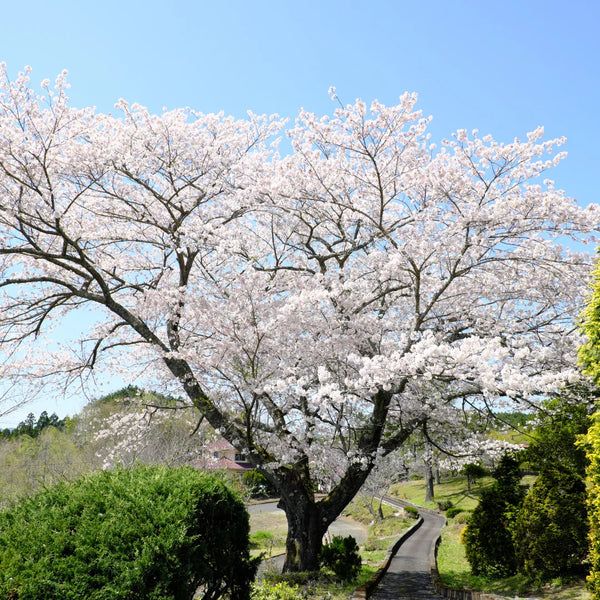
The Yoshino Cherry(Prunus × yedoensis), often called the Japanese Flowering Cherry or Somei-yoshino, is a hybrid deciduous tree celebrated for its springtime spectacle. With its breathtaking clouds of pale pink blossoms, is a showstopper in any garden.
I planted one in my backyard a few years ago, and every spring, it transforms my space into a serene, Japanese-inspired retreat. If you’re dreaming of adding this iconic tree to your landscape, this guide will walk you through every step of growing and caring for it.
Brief History of the Yoshino Cherry
The Yoshino Cherry isn’t just a tree; it’s a symbol of renewal and enchanting beauty. Its story starts in Japan during the Edo period, from 1603 to 1867. Back then, cherry blossoms, or “sakura,” were already a big deal in Japanese culture. People gathered for hanami – that’s the tradition of picnicking under blooming trees to celebrate spring.
The Yoshino variety, a hybrid, emerged around the late 1800s in Tokyo’s Somei village. It was created by crossing two native cherries: the Oshima cherry (Prunus speciosa) and the Edo higan (Prunus pendula f. ascendens). This mix gave birth to a tree with abundant, delicate flowers that stole hearts everywhere.
From around 1912, the Yoshino Cherry became a bridge between nations. Japan gifted 3,000 cherry trees to the United States, mostly Yoshinos, to symbolize friendship. They were planted around Washington D.C.’s Tidal Basin. I visited there once, and let me tell you, walking among those trees during the National Cherry Blossom Festival was breathtaking.
The first trees arrived in poor condition due to a harsh voyage, so more were sent in 1915. Today, over 3,800 cherry trees line the area, with Yoshinos making up about 70% of them. Their pale pink blooms create that famous “cloud” effect.
But Yoshino’s journey didn’t stop in D.C. It spread worldwide, from parks in Europe to backyards in North America. In 2019, scientists even decoded its DNA, confirming its hybrid roots and showing it originated from a cross over 100 years ago.
The oldest known Yoshino in Japan dates back to 1878 in Kaiseizan Park. Isn’t it amazing how a simple tree can carry so much history? For me, planting one feels like connecting to that legacy – a reminder that beauty is temporary, just like the blossoms that last only two to three weeks.
Classification
Let’s get nerdy for a second. Botanically, the Yoshino Cherry is classified as Prunus × yedoensis. It’s a hybrid in the genus Prunus, which includes plums, peaches, and almonds. The “×” denotes its hybrid status – not a pure species but a cross between Prunus speciosa (the father plant) and Prunus pendula f. ascendens (the mother).
In some older texts, it’s listed as Prunus serrulata ‘Yedoensis,’ but modern classification sticks with Prunus × yedoensis. It belongs to the family Rosaceae, the rose family – think of all those pretty flowering trees and shrubs.
Within Prunus, it’s in the subgenus Cerasus, home to “true cherries.” There are no edible fruits here; it’s all about the ornamental side. Cultivars like ‘Somei-yoshino’ (the classic one) and ‘Akebono’ (with pinker blooms) add variety.
In Japan, it’s called Somei-yoshino, named after its cultivation spot and the Yoshino mountain in Nara Prefecture, famous for wild cherry groves. From a horticultural standpoint, it’s a deciduous small tree, meaning it loses its leaves in winter.
It’s often grafted for better disease resistance and uniform growth. I once bought a grafted Yoshino, and it rooted so much faster than a seedling. Classification helps us understand why it’s so adaptable – that hybrid vigor makes it tough against some stresses, but still vulnerable to others.
Key Features of the Yoshino Cherry
Now, let’s talk features. I’ll break it down simply, with a quick overview table for easy reference. These traits are what make the Yoshino a garden superstar.
Scientific Name and Common Names
The scientific name is Prunus × yedoensis. Common names include Yoshino Cherry, Tokyo Cherry, Potomac Cherry, Japanese Flowering Cherry, and Somei-yoshino in Japan. I love calling it “sakura” – it just rolls off the tongue and evokes those poetic images.
USDA Zone
The Yoshino cherry is hardy in USDA Zones 5 to 8. That covers much of the U.S., from chilly New England winters to milder Southern springs. In Zone 5, it handles down to -20°F, but protect young trees with mulch. My tree in Zone 6b thrives, but I wrap it in burlap during harsh frosts.
Color Variation
Blossoms start as light pink buds and fade to white or pale pink when open. Leaves are glossy dark green in summer, turning yellow, orange, or bronze in fall. Bark is smooth gray with prominent lenticels for winter interest. Variations like ‘Akebono’ have deeper pink flowers that hold color longer.
Sun Exposure
Full sun is best – at least 6 hours daily for maximum blooms. It tolerates partial shade but flowers less. I planted mine in a sunny spot, and the difference in bloom density is night and day compared to shadier areas.
Mature Size
This beauty grows 20-30 feet tall and wide, with a vase-shaped canopy of arching branches. Some cultivators reach 40 feet in ideal conditions. It’s perfect for small yards – not too big, but provides ample shade.
Growth Rate
Fast-growing at 1-2 feet per year initially, slowing after maturity. From sapling to full size takes 10-15 years. Mine shot up 18 inches the first year, thanks to good soil.
Lifespan
Typically 15-30 years, but with care, up to 80-100 years. The D.C. trees are over 100 now! Factors like soil and pests affect this. I’ve seen healthy ones last decades in parks.
Toxicity
Mildly toxic. Leaves, stems, and seeds contain cyanogenic compounds that can release cyanide if ingested in large amounts. Harmful to pets like cats, dogs, and horses – keep them away from fallen leaves or fruits. Birds love the tiny black drupes, though. Always supervise kids and pets around it.
Here’s a handy table summarizing these features:
| Feature | Details |
| Scientific Name | Prunus × yedoensis |
| Common Names | Yoshino Cherry, Tokyo Cherry, Potomac Cherry, Japanese Flowering Cherry |
| USDA Zone | 5-8 |
| Color Variation | Pink buds fading to white/pale pink flowers; green leaves turning yellow/orange in fall; gray bark |
| Sun Exposure | Full sun (6+ hours); tolerates partial shade |
| Mature Size | 20-30 ft tall and wide (up to 40 ft) |
| Growth Rate | Fast (1-2 ft/year initially) |
| Lifespan | 15-30 years typical; up to 80-100 with care |
| Toxicity | Mild; cyanogenic compounds in leaves/seeds – toxic to pets/humans in large quantities |
These features make the Yoshino versatile for landscapes. Imagine the shade under its canopy on a hot summer day!

Characteristics of the Yoshino Cherry
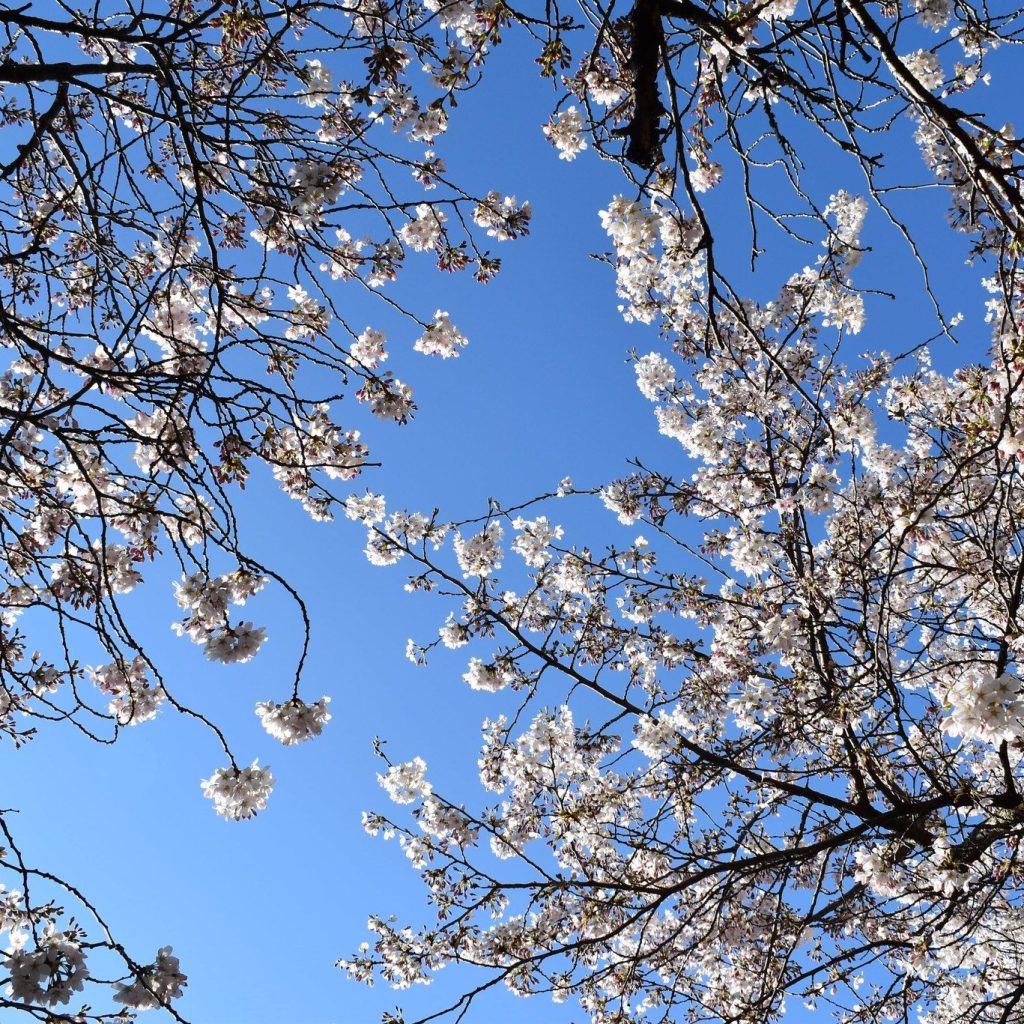
What really sets the Yoshino Cherry apart? Its characteristics shine year-round. In early spring, before leaves emerge, the bare branches explode with single, almond-scented flowers. Each bloom is about 1 inch wide, clustered generously.
The canopy looks like a pinkish-white cloud – that’s why it’s famous. Petals fall after 2-3 weeks, creating a “snow” effect on the ground. I sweep mine up, but it’s worth the mess for the show.
Leaves follow: 2-4 inches long, lance-shaped, with serrated edges and a glossy sheen.
They’re dark green, providing dense summer shade. In fall, they turn warm hues – yellows, oranges, even reds in cooler climates. Winter reveals the bark: smooth, grayish-brown with horizontal lenticels that look like tiny pores. It’s subtle but elegant.
The tree’s form is graceful – upright trunk branching into a broad, rounded canopy. Fruits are small, black drupes that attract birds but aren’t edible for us. No thorns, which is a plus! It’s heat and humidity-tolerant, making it great for urban areas.
Wildlife loves it: butterflies lay eggs on leaves, birds eat fruits, and bees buzz around blooms.
One thing I adore is its fragrance – subtle almond scent wafts on breezy days. Compared to other cherries like Kwanzan (double pink flowers), Yoshino is more delicate and single-flowered.
It’s deciduous, so no evergreen mess, but raking fall leaves is part of the fun. Overall, its characteristics make it low-fuss yet high-impact. Planting one changed my garden’s vibe completely.
Growing and Caring for the Yoshino Cherry Tree
Caring for a Yoshino Cherry is straightforward with the right steps.
1. Choosing the Perfect Spot
The first step to a healthy Yoshino Cherry is picking the right location. This tree thrives in full sun, soaking up at least 6 hours of direct sunlight daily to produce its signature cloud of blooms. I planted mine in a south-facing spot, and the flower display is dazzling every spring. Partial shade is tolerable, but expect fewer blossoms.
Soil matters too—aim for well-drained, loamy, slightly acidic soil with a pH of 6.0–7.0. If your soil is heavy clay or sandy, mix in compost to improve texture. Space the tree 20–30 feet from others to allow for its mature spread and ensure good air circulation, which helps prevent diseases.
Before digging, clear a 3-foot radius of weeds and check for underground utilities. I learned this lesson after nearly hitting a water line—oops!
Summary
- Sunlight: Needs 6+ hours of direct sun daily for maximum blooms. Partial shade reduces flowers.
- Soil: Prefers loamy, slightly acidic soil (pH 6.0–7.0). Test with a kit and add compost if soil is clay or sandy.
- Space: Allow 20–30 feet for mature spread. Good air circulation prevents diseases.
- Prep: Clear a 3-foot radius of weeds. Dig a hole twice the root ball’s width but no deeper. Mix in organic matter like compost.
- Tip: Check for underground utilities. I nearly hit a water line once!
2. Planting Your Tree
Planting your Yoshino Cherry correctly sets the stage for strong growth. The best times are early spring, after the last frost, or early fall, at least 6–8 weeks before the first frost, to let roots settle. For bare-root trees, soak the roots in water for 4–6 hours before planting; container-grown trees just need a quick watering.
Dig a hole twice as wide as the root ball but no deeper, ensuring the root flare (where roots meet trunk) sits at ground level. Planting too deeply can suffocate roots. Backfill with a mix of native soil and compost, firm gently to eliminate air pockets, and water thoroughly with 1–2 gallons.
Add 2–3 inches of organic mulch like wood chips around the base, keeping it 2 inches from the trunk to avoid rot. In windy areas, stake the tree with soft ties for the first year. My Yoshino leaned after a storm, but staking saved it.
3. Watering Wisely
Watering is critical, especially for young Yoshinos, to establish deep roots. For the first 1–2 years, water deeply with about 1 inch of water once or twice weekly, using a soaker hose or drip irrigation to target the root zone. Check soil 2 inches down—if it’s dry, water; if moist, wait.
Mature trees are more drought-tolerant but need watering every 10–14 days during dry spells. Water slowly to penetrate 6–8 inches deep, avoiding overhead sprinklers that can promote fungal diseases.
Mulch helps retain moisture, cutting my watering time significantly. Overwatering is a common mistake; soggy soil leads to yellow leaves or root rot. I learned to check soil moisture before watering, and it’s kept my tree happy.
Summary
- Young Trees: Water 1 inch, 1–2 times weekly for 1–2 years. Use a soaker hose for roots.
- Mature Trees: Water every 10–14 days in dry spells. Check soil 2 inches down; water if dry.
- Method: Water slowly to 6–8 inches deep. Avoid overhead watering to prevent fungi.
- Mulch: Retains moisture, cutting watering needs. Mulching halved my efforts!
- Caution: Overwatering causes yellow leaves. Skip if the soil is soggy.
4. Fertilizing for Growth
Fertilizing your Yoshino Cherry supports healthy growth and vibrant blooms without overdoing it. Apply a balanced fertilizer, like 10-10-10 granular or organic compost, in early spring before buds open. Use about 1 pound per inch of trunk diameter, measured 4 feet above ground, and spread it in a ring 1–2 feet from the trunk.
Water thoroughly after applying to help nutrients soak in, and avoid direct trunk contact to prevent burn. Fertilize once a year—more can lead to excessive leafy growth and fewer flowers. When I switched to a slow-release fertilizer in my tree’s second year, the bloom count doubled, proving less is more with feeding.
Summary
- When: Apply in early spring before buds open.
- Type: Use balanced 10-10-10 granular or organic compost.
- Amount: 1 pound per inch of trunk diameter, spread 1–2 feet from trunk.
- How: Water after applying to soak nutrients in. Avoid trunk contact.
- Frequency: Once a year. Over-fertilizing causes leafy growth, fewer blooms.
- Experience: Slow-release fertilizer doubled my blooms in year two!
5. Pruning for Shape and Health
Pruning keeps your Yoshino Cherry shapely and healthy, but timing is key. Prune in late spring or early summer, after blooming, to preserve next year’s flower buds. Winter pruning risks cutting off buds, reducing blooms.
Be sure to use sharp, sanitized bypass pruners. Cleaning with a 10% bleach solution between cuts to prevent disease spread. Focus on removing dead, diseased, or crossing branches, and thin crowded areas to improve airflow, which reduces fungal risks.
Also, cut suckers (shoots from the base) and water sprouts (vertical shoots) to maintain form. For young trees, shape into a vase-like structure by cutting central leaders to outward-facing buds. Avoid removing more than 20% of the canopy to prevent stress.
6. Mulching for Protection
Mulching is a simple way to boost your Yoshino’s health. Organic mulch, like wood chips or shredded bark, conserves moisture, regulates soil temperature, and suppresses weeds. Apply a 2–3-inch layer in a 3-foot radius around the tree, keeping it 2–3 inches from the trunk to prevent rot or pest nesting.
Refresh the mulch annually in spring or fall, removing any compacted old mulch. Avoid inorganic mulches like stones, which trap heat and stress roots. Mulching made a huge difference for my tree during a scorching summer, keeping the soil cool and moist.
Summary
- Type: Organic mulch (wood chips, bark) is best. Avoid stones; they trap heat.
- Depth: 2–3 inches in a 3-foot radius.
- Placement: Keep 2–3 inches from the trunk to avoid rot.
- When: Refresh yearly in spring or fall.
- Benefit: Mulch kept my tree’s soil cool during a hot summer.
7. Winter Care
Yoshino Cherries are hardy in Zones 5–8, but young trees need extra winter protection, especially in colder areas. Wrap trunks with burlap or tree guards to shield against frost cracks and deer browsing—I do this every November in Zone 6b.
Add an extra 1–2 inches of mulch around the root zone (not touching the trunk) to insulate roots. In windy areas, use temporary fencing or plant in a sheltered spot to reduce drying. Anti-desiccant sprays, applied to foliage in late fall, help prevent winter drying.
Mature trees are tougher but still benefit from bark checks after heavy snow. These steps have kept my Yoshino safe through harsh winters.
Summary
- Young Trees: Wrap trunks with burlap to prevent frost cracks or deer damage.
- Mulch: Add 1–2 inches extra around roots (not touching trunk).
- Windbreaks: Use fencing or plant in sheltered spots.
- Anti-desiccant: Spray foliage in fall to reduce drying in windy areas.
Common Problems and Solutions
Yoshino Cherries face challenges from pests, diseases, and environmental stress. Below are common problems and how to fix them.
1. Pest Problems
Pests can sap your Yoshino’s strength, but they’re manageable with vigilance. Aphids, tiny sap-sucking insects, cluster on new growth in spring, causing curled leaves, sticky honeydew, and black sooty mold.
Spider mites, active in hot, dry conditions, create speckled, yellowing leaves and fine webbing, leading to leaf drop if unchecked. Eastern tent caterpillars build silky tents in branch crotches, munching leaves and causing defoliation.
Borers, beetle larvae, tunnel into stressed trees’ trunks, leaving holes and sawdust-like frass. Scale insects appear as waxy bumps on branches, sapping nutrients and producing honeydew.
Solutions
- Blast with a strong water jet to dislodge aphids, spider mites, and scale insects.
- Spray neem oil (2 tbsp per gallon of water) weekly until gone.
- Release ladybugs, natural predators (1,500 cleared my tree fast!).
- Keep soil moist to increase humidity and avoid high-nitrogen fertilizers, which attract aphids.
- Prune and dispose of severely affected areas.
- Remove tents formed by caterpillars with a stick (wear gloves) and destroy them. Hand-pick small infestations.
- For borers, probe holes with fine wire to kill larvae and remove severely infested branches.
- Use systemic insecticides for severe cases (consult a professional).
2. Disease Issues
Fungal and bacterial diseases can strike, especially in wet or poorly drained conditions. Cherry leaf spot, caused by the fungus Blumeriella jaapii, shows as purple-brown spots on leaves, which turn yellow and develop holes, leading to early leaf drop.
Black knot, from Apiosporina morbosa, forms hard, black galls on branches, disrupting growth. Powdery mildew is also another issue caused by Podosphaera clandestina. It coats leaves in white powder, distorting growth in humid shade.
Bacterial canker, from Pseudomonas syringae, creates oozing lesions and dieback, entering through wounds. Verticillium wilt, a soilborne fungus (Verticillium dahliae), causes one-sided yellowing and brown streaks in wood, often fatal.
Solutions
- Rake and destroy fallen leaves to stop the spread of fungal infections
- Apply the respective fungicide in early spring as directed on the label.
- Prune to improve air circulation around the plants.
- Remove severely infected trees and replace them with resistant species.
- Water appropriately, and improve solid drainage to prevent fungal growth.
3. Environmental Stress
Improper care or site conditions can mimic pest or disease issues. Overwatering leads to root rot, with yellow, drooping leaves and mushy, foul-smelling roots, often due to poor drainage. Underwatering causes crispy, curling leaves and stunted growth, especially in young trees during hot weather.
Frost damage, from late spring frosts or winter cold snaps, blackens buds and cracks young bark. Deer browsing chews bark and lower leaves, common in rural areas. My neighbor’s tree suffered root rot from overwatering, but better drainage saved it.
Solutions
- Improve drainage with raised beds or soil amendments.
- Remove rotted roots if replanting.
- Water deeply (1–2 inches) every 7–10 days in dry spells.
- Apply mulch to retain moisture.
- Cover young trees with frost cloth during cold snaps to prevent frost damage. Wrap trunks in burlap for winter.
- Prune damaged areas after frost danger passes.
- Install 6-foot fencing or netting to keep deer off. You can also use tree guards on trunks. My motion-activated sprinkler keeps deer away!
FAQs
- Best planting time? Early spring or fall, avoiding extreme weather.
- Sun needs? Full sun (6+ hours); partial shade reduces blooms.
- Is it toxic? Yes, leaves/seeds are mildly toxic to pets/humans.
- Watering frequency? 1–2 times weekly for young trees; less for mature.
- Common pests? Aphids, mites, and caterpillars; treat with neem or predators.
- Disease prevention? Ensure drainage, airflow, and debris cleanup.
- Container growing? Dwarf varieties in large pots with drainage.
- Bloom time? March–April, lasting 2–3 weeks.
- Fertilizer? Balanced 10-10-10 in spring, once yearly.
- Lifespan? 15–30 years, up to 100 with care.
Suggested For You:
15 Stunning Trees with Red Leaves Year-Round
10 Beautiful Trees with Yellow Leaves in Fall
15 Beautiful Trees With White Bark: Perfect Picks for Garden and Landscape Settings
15 Small Trees with Non-Invasive Roots: Perfect for Compact Yards and Landscaping
Understanding The Crape Myrtle (Lagerstroemia indica): History, Care and Cultivation
Final thoughts
Last spring, my Yoshino bloomed on my birthday – petals everywhere like confetti. It inspired a backyard hanami party with friends. We picnicked under it, sipping tea, feeling that Japanese serenity. It’s not just pretty; it’s therapeutic.
In landscapes, use it as a specimen tree in lawns or near patios for shade. Plant in groups for a grove effect, mimicking D.C. Pair with azaleas for spring color or hostas for underplanting. In Zen gardens, it adds elegance. For streets, its root system is non-invasive.
I integrated mine into a pollinator border – bees love the flowers, birds the fruits. It’s bird and butterfly-friendly, boosting biodiversity. Even in small spaces, a dwarf cultivar works. The joy of watching it grow? Priceless. If you’re hesitating, just plant one – you’ll thank me later!
References
- North Carolina Extension Gardener Plant Toolbox. “Prunus x yedoensis.” https://plants.ces.ncsu.edu/plants/prunus-x-yedoensis/
- PlantingTree. “Yoshino Flowering Cherry | How To Care And More.” January 16, 2023. https://www.plantingtree.com/blogs/gardening/yoshino-flowering-cherry
- American Gardener. “Yoshino Cherry Tree: History, Lifespan, Growth Rate, Problems & Care Guide.” April 22, 2024. https://americangardener.net/yoshino-cherry-tree/
- University of Maryland Extension. “Ornamental Cherry Trees: Identify and Manage Problems.” https://extension.umd.edu/resource/ornamental-cherry-trees-identify-and-manage-problems
- Missouri Botanical Garden. “Prunus x yedoensis.” https://www.missouribotanicalgarden.org/PlantFinder/PlantFinderDetails.aspx?taxonid=286429

Tim M Dave is a gardening expert with a passion for houseplants, particularly cacti and succulents. With a degree in plant biology from the University of California, Berkeley, he has vast experience in gardening. Over the years, he has cultivated a vast collection of desert plants and learned a great deal about how to grow and care for these unique companions.