7 Fixes for Yellowing Hydrangea Leaves
Yellowing leaves is a common issue in hydrangeas. It often results from chlorosis, where the plant can’t produce enough chlorophyll. This can stem from waterlogged roots, nutrient deficiencies, or improper pH, locking up essential minerals.
When I moved to Virginia, I was determined to grow hydrangeas like my grandmother’s in North Carolina. Her blue blooms were legendary, and I wanted that magic in my yard. But my first hydrangea turned yellow faster than I could say “bloom.”
I overwatered, ignored the soil pH, and placed it in too much sun. After researching and experimenting, I learned to balance water, nutrients, and light. Now, my hydrangeas are the envy of my neighborhood, and I’m sharing my hard-earned tips to help you avoid my mistakes.
Why Are My Hydrangea Leaves Turning Yellow?
Hydrangeas are sensitive to environmental stress. Yellowing leaves can mean the end to their big, colorful blooms and lush green leaves. Understanding the causes of this issue is key, and with a little know-how, you can fix it. Generally, chlorosis signal that your hydrangea is stressed.

The causes vary, but here are the most common culprits:
1. Overwatering
Hydrangeas love moisture, but too much water drowns their roots. Soggy soil leads to root rot, which prevents nutrient uptake, causing yellow leaves. I made this mistake early on, watering my hydrangea daily in humid summers.
2. Underwatering
Conversely, too little water stresses the plant, especially in hot, dry climates like Texas or Arizona. Dehydrated hydrangeas develop yellow, wilting leaves.
3. Nutrient Deficiency
Hydrangeas need nutrients like nitrogen, iron, and magnesium. A deficiency—often from poor soil or lack of fertilizer—can turn leaves yellow. My hydrangea suffered from iron deficiency after I neglected fertilizing for a year.
4. Improper Soil pH
Hydrangeas are pH-sensitive, especially bigleaf varieties. Soil that’s too alkaline (above 7.0) can lock up nutrients like iron, leading to yellow leaves with green veins. This is common in regions with naturally alkaline soil, like the Midwest.
5. Too Much or Too Little Sun
Most hydrangeas prefer partial shade. Too much direct sun in sunny states like Florida can scorch leaves. On the other hand, too little light in shaded areas like Seattle can weaken the plant, causing yellowing.
6. Pests or Diseases
Pests like aphids or spider mites, and diseases like powdery mildew or root rot, can stress hydrangeas, leading to yellow leaves. I once found aphids hiding under my hydrangea’s leaves, sucking the life out of it.
7. Transplant Shock
If you’ve recently planted or moved your hydrangea, it may yellow as it adjusts. This happened to my panicle hydrangea after I relocated it to a sunnier spot.
8. Seasonal Changes
In the fall, some hydrangeas naturally turn yellow as they prepare for dormancy, especially in colder climates like Minnesota or Maine. This is normal, but premature yellowing isn’t.
Diagnosing the Problem
Before you treat your hydrangea, pinpoint the cause. Here’s how to troubleshoot:
- Check soil moisture: Stick your finger 2 inches into the soil. If it’s soggy, overwatering is likely. If it’s bone-dry, you’re underwatering.
- Test soil pH: Use a home pH test kit (available at garden centers). Hydrangeas prefer slightly acidic soil (5.5-6.5 for bigleaf, 5.0-7.5 for others).
- Inspect leaves: Yellow leaves with green veins suggest nutrient deficiency. Spots or webbing point to pests or disease.
- Evaluate light: Is your hydrangea in full sun or deep shade? Adjust its location if needed.
- Consider timing: If leaves turn yellow in early spring or mid-summer, it’s not seasonal. Act quickly.

How to Fix Yellowing Hydrangea Leaves
Once you know the cause, take action. Here’s a step-by-step guide based on my experience and expert advice.
1. Adjust Watering
- For overwatering: Stop watering immediately. Let the soil dry out. If the plant is in a pot, ensure it has drainage holes. For in-ground hydrangeas, improve drainage by adding compost or sand. I saved my overwatered hydrangea by redirecting a downspout that was flooding its roots.
- For underwatering: Water deeply but infrequently, about 1 inch per week. In hot climates, mulch around the base to retain moisture. I use 2 inches of pine bark mulch to keep my hydrangeas happy.
2. Address Nutrient Deficiency
- Nitrogen: Apply a balanced, slow-release fertilizer (10-10-10) in spring. I fertilize my hydrangeas twice a year—early spring and early summer.
- Iron: If leaves show green veins, apply chelated iron or a fertilizer with iron. I used a liquid iron supplement, and my hydrangea’s leaves greened up in weeks.
- Magnesium: Epsom salt (1 tablespoon per gallon of water) can help. Apply it to the soil monthly during the growing season.
3. Correct Soil pH
If your soil is too alkaline, add sulfur or aluminum sulfate to lower the pH. For acidic soil, add lime to raise it. Test pH every few months. I learned this after my bigleaf hydrangea struggled in my alkaline soil.
4. Optimize Light
Move potted hydrangeas to a spot with morning sun and afternoon shade. For in-ground plants, prune nearby trees to increase light or provide shade cloth in intense sun. My panicle hydrangea thrives with 4-6 hours of sun in my backyard.
5. Treat Pests and Diseases
- Aphids/Spider mites: Spray leaves with neem oil or insecticidal soap. I check my hydrangeas weekly for pests, especially in humid summers.
- Fungal issues: Remove affected leaves and apply a fungicide as directed on the label. Improve air circulation by pruning crowded branches.
- Root rot: Dig up the plant, trim mushy roots, and replant in well-draining soil. This saved my neighbor’s hydrangea last year.
6. Ease Transplant Shock
Water newly planted hydrangeas regularly and mulch to stabilize soil temperature. Avoid fertilizing for the first month.
7. Monitor Seasonal Changes
If yellowing occurs in the fall, it’s likely normal. Prune dead leaves in late winter to encourage spring growth. In colder climates, protect hydrangeas with burlap or mulch to prevent winter stress.
Preventing Yellowing Leaves in the Future
Prevention is easier than cure. Here’s how to keep your hydrangeas healthy:
1. Water Wisely
Water deeply once or twice a week, depending on your climate. In humid areas like Louisiana, check soil moisture to avoid overwatering. In dry regions like Nevada, water more frequently, but ensure good drainage. Generally, check the soil moisture to avoid underwatering or overwatering.
2. Fertilize Regularly
Use a balanced fertilizer in spring and summer. Avoid overfertilizing, which can burn roots and cause yellowing. I stick to a schedule to avoid forgetting. Use a well-balanced slow slow-release NPK fertilizer as directed to avoid overfeeding or burning the roots.
3. Maintain Proper pH
Test soil pH annually. Adjust with sulfur or lime as needed. This is crucial for bigleaf hydrangeas, which are picky about soil chemistry. To know the composition of your soil, take a sample to a nearby local gardening center or a university extension.
4. Choose the Right Location
Plant hydrangeas in partial shade, especially in hot climates. In cooler regions like the Northeast, they can handle more sun. My Virginia hydrangea loves its spot under a dogwood tree. For indoor display, provide bright, indirect light by moving the plant near a bright window.
5. Mulch and Prune
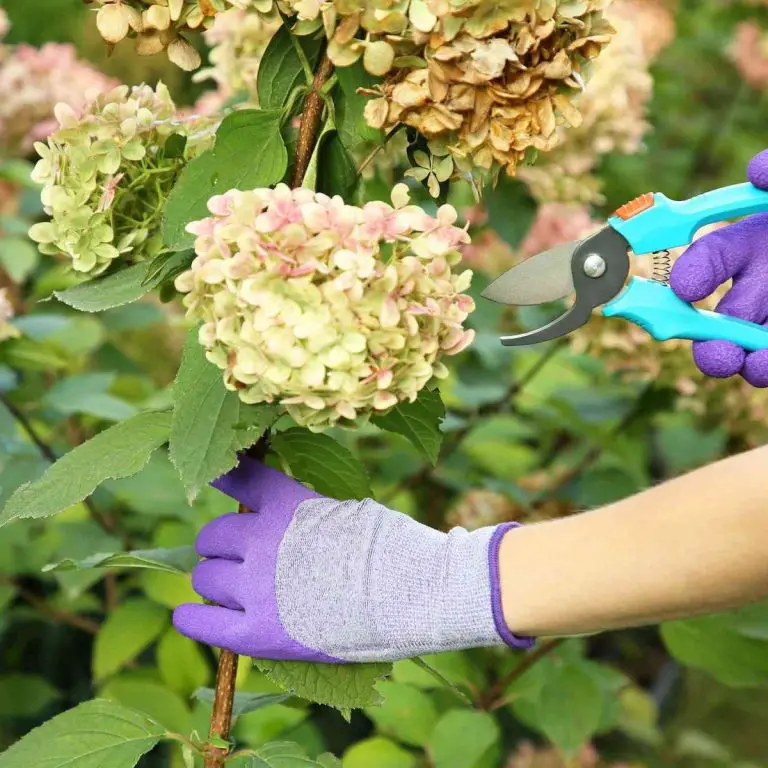
Mulch retains moisture and regulates soil temperature. Prune dead or crowded branches in late winter to improve air circulation. I prune my hydrangeas in February for the best results. This gives an early head start for spring.
6. Monitor for Pests
Check leaves regularly for pests or disease. Early detection prevents major damage. A magnifying glass helps spot tiny critters like spider mites. If detected, treat pests with neem or insecticidal soap.
Hydrangea Care Tips for American Homes
Hydrangeas fit every American home, from urban balconies with potted varieties to sprawling suburban gardens. They’re perfect for busy gardeners who want low-maintenance beauty. In my neighborhood, hydrangeas line front porches, symbolizing warmth and welcome.
Here are care tips based on your geolocation:
- Northeast (e.g., Maine, New York): Protect hydrangeas from harsh winters with burlap wraps. Choose cold-hardy varieties like Hydrangea paniculata.
- Southeast (e.g., Georgia, Florida): Provide afternoon shade and mulch to combat heat and humidity. Watch for fungal diseases.
- Midwest (e.g., Illinois, Ohio): Test soil pH, as alkaline soils are common. Use sulfur to keep pH in check.
- Southwest (e.g., Arizona, New Mexico): Water regularly and use shade cloth to protect from intense sun.
- Pacific Northwest (e.g., Washington, Oregon): Take advantage of mild climates but ensure good drainage to prevent root rot.
Common Mistakes to Avoid
- Overwatering: Check the soil before watering. Soggy soil is a hydrangea killer.
- Ignoring pH: Test and adjust soil pH for vibrant leaves and blooms.
- Wrong location: Too much sun or shade stresses hydrangeas. Find the sweet spot.
- Overfertilizing: More isn’t better. Stick to recommended doses.
- Neglecting pests: Aphids and spider mites sneak up fast. Inspect regularly.
FAQs
Why are my hydrangea leaves yellow with green veins?
This is likely iron deficiency (chlorosis). Test soil pH and apply chelated iron if the pH is too high (above 6.5).
Can overwatered hydrangeas recover?
Yes! Stop watering, improve drainage, and trim damaged roots if needed. Repot or amend the soil for in-ground plants.
How often should I water my hydrangea?
Water 1-2 times per week, ensuring 1 inch of water. Check soil moisture to avoid over- or underwatering.
What’s the best fertilizer for hydrangeas?
Use a balanced, slow-release fertilizer (10-10-10) in spring and summer. Add chelated iron for yellowing leaves.
Can too much sun cause yellow leaves?
Yes, especially for bigleaf hydrangeas. Provide afternoon shade in hot climates to prevent scorching.
How do I know if my hydrangea has root rot?
Soggy soil, yellow leaves, and a foul odor are signs. Dig up the plant and check for mushy, brown roots.
Do hydrangeas naturally turn yellow in fall?
Some varieties turn yellow as part of dormancy, especially in colder climates. If it’s mid-season, investigate other causes.
Suggested For You:
8 Reasons Your Hydrangeas Did Not Bloom This Season + What to Do Next
7 Steps to Save Your Overwatered Hydrangea
Saving Your Hydrangeas: Preventing and Treating Root Rot
Understanding Hydrangea Wilting: 5 Steps to Save the Plant
Brown Spots on Hydrangea Leaves: Identification and Remedy
Conclusion
In the U.S., hydrangeas symbolize gratitude, grace, and abundance. They’re popular in weddings, garden parties, and Mother’s Day gifts. In my family, hydrangeas are a tradition—my mom always clips blooms for our summer table, a nod to our Southern roots.
Yellowing hydrangea leaves can be a wake-up call, but they’re not the end of your plant’s story. By diagnosing the cause—whether it’s overwatering, nutrient deficiency, or improper light—and taking action, you can restore your hydrangea’s vibrant green. My journey from yellow leaves to thriving blooms taught me patience and the importance of listening to my plants.
References
- The Spruce. “Why Are My Hydrangea Leaves Turning Yellow?” https://www.thespruce.com/hydrangea-leaves-turning-yellow-5095673
- University of Illinois Extension. “Hydrangea Care.” https://extension.illinois.edu/hortanswers/plantdetail.cfm?PlantID=626&PlantTypeID=2
- Royal Horticultural Society. “Hydrangeas: Problems.” https://www.rhs.org.uk/plants/hydrangea/problems
- Missouri Botanical Garden. “Hydrangea macrophylla.” http://www.missouribotanicalgarden.org/PlantFinder/PlantFinderDetails.aspx?kempercode=c257
- Better Homes & Gardens. “How to Fix Yellowing Plants.” https://www.bhg.com/gardening/houseplants/care/fixing-yellowing-plants/

Tim M Dave is a gardening expert with a passion for houseplants, particularly cacti and succulents. With a degree in plant biology from the University of California, Berkeley, he has vast experience in gardening. Over the years, he has cultivated a vast collection of desert plants and learned a great deal about how to grow and care for these unique companions.