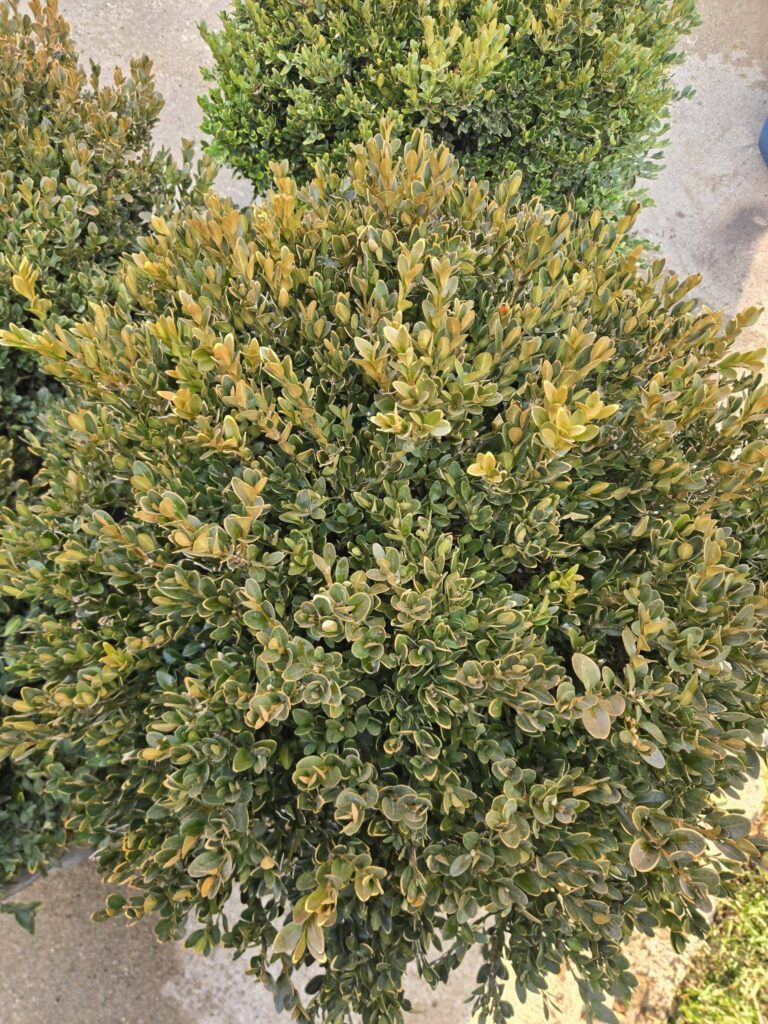
Understanding Wintergreen Boxwood: Size, Growth Rate, Problems, and Full Cultivation Details
Wintergreen Boxwood is a compact, mounding broadleaf evergreen shrub known for its dense, fine-textured foliage and exceptional cold hardiness.
It belongs to the Korean Boxwood group (Buxus sinica var. insularis), which is widely regarded as the most cold-hardy class of boxwoods available.
The ‘Wintergreen’ cultivar was specifically selected for its ability to retain its green foliage colour through winter — a feature that distinguishes it from many other boxwood varieties that tend to turn bronze or yellowish-green in cold months.
That winter colour retention is, honestly, one of its most appealing qualities. There is something genuinely satisfying about looking out at your garden in January and seeing the same clean, rich green that was there in July.
This guide covers everything you need to know about Wintergreen Boxwood — from its key characteristics and growing requirements to pruning techniques, common problems, and landscape uses.
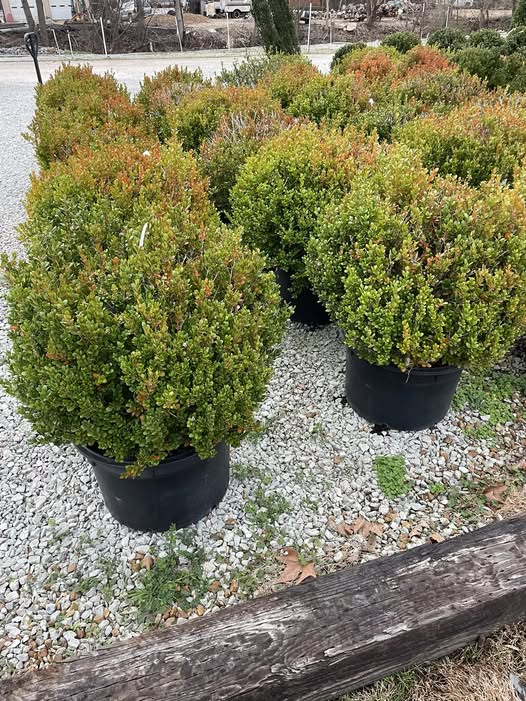
Wintergreen Boxwood at a Glance
| Common Name | Wintergreen Boxwood |
| Scientific Name | Buxus sinica var. insularis ‘Wintergreen’ |
| Plant Family | Buxaceae |
| Plant Type | Broadleaf evergreen shrub |
| Origin | Korea (species origin); cultivar developed in North America |
| Mature Height | 3–4 ft (0.9–1.2 m) |
| Mature Spread | 4–5 ft (1.2–1.5 m) |
| Growth Rate | Moderate — approx. 3–6 inches per year |
| USDA Hardiness Zones | 4 to 9 |
| Sunlight | Full sun to partial shade |
| Soil Preference | Well-drained, slightly alkaline to neutral (pH 6.5–7.5) |
| Watering Needs | Moderate; drought-tolerant once established |
| Foliage Colour | Bright green in growing season; retains colour in winter |
| Flower | Insignificant yellowish-green; spring |
| Toxicity | Toxic to humans and animals if ingested |
| Deer Resistance | Yes |
| Maintenance Level | Low to moderate |
| Common Uses | Hedges, borders, topiary, foundation planting, containers |
Key Characteristics of Wintergreen Boxwood
Foliage
The leaves are small, oval, and glossy, typically measuring about half an inch to one inch in length. They emerge a bright lime green in spring and deepen to a rich, dark green as the season progresses.
In winter — particularly in zones 4 and 5 — some slight bronzing may occur in the harshest conditions. But compared to other boxwoods, Wintergreen holds its colour significantly better. This is the trait that earned it its name and its loyal following.
Size and Form
At maturity, Wintergreen Boxwood typically reaches 3 to 4 feet tall and 4 to 5 feet wide. Its natural form is a low, rounded mound — dense and compact without aggressive shearing.
This makes it one of the better-behaved boxwood cultivars. It fills its space gracefully without constantly outgrowing its bounds.
Growth Rate
The growth rate is moderate, averaging around 3 to 6 inches per year. This is actually an advantage for formal applications — fast-growing shrubs require more frequent trimming to maintain clean lines.
With Wintergreen Boxwood, one or two light trims per year is usually sufficient to keep it looking neat.
Flowers
The flowers are small, yellowish-green, and not ornamentally significant. They appear in early to mid-spring and have a faint, slightly sweet scent. Most gardeners barely notice them — this shrub is grown for its foliage, not its flowers.
Growing Conditions for Wintergreen Boxwood
Sunlight
Wintergreen Boxwood is adaptable to a range of light conditions. It performs best in full sun to partial shade — roughly 4 to 6 or more hours of direct sunlight per day.
In hotter climates (zones 7 to 9), afternoon shade is actually beneficial. Intense afternoon sun in summer can scorch the foliage and stress the plant. A site that receives morning sun and light afternoon shade is often ideal in warmer regions.
In cooler zones, full sun is generally fine and encourages the densest, most compact growth.
Soil
Well-drained soil is non-negotiable for boxwoods. Wintergreen Boxwood will not tolerate waterlogged roots. Consistently wet soil leads to root rot — one of the most common causes of boxwood decline.
The ideal soil is slightly alkaline to neutral, with a pH between 6.5 and 7.5. Most native soils in North America fall within this range or can be easily adjusted.
If your soil is heavy clay, amend it with compost or grit before planting to improve drainage. Raised planting beds are another practical solution for poorly draining sites.
Watering
Once established — typically after the first one to two growing seasons — Wintergreen Boxwood is moderately drought tolerant. However, during establishment, consistent moisture is important.
Water deeply once or twice a week during the first growing season, rather than shallow, frequent watering. This encourages deep root development, which supports the plant’s long-term drought resilience.
In established plantings, water during extended dry spells, particularly in summer. Signs of water stress include dull, slightly yellowish foliage and reduced new growth.
Avoid overhead watering where possible. Water at the base of the plant to reduce the risk of foliar disease, particularly boxwood blight.
Temperature and Hardiness
This is where Wintergreen Boxwood genuinely earns its reputation. It is one of the most cold-hardy boxwood cultivars available, rated for USDA zones 4 to 9.
Zone 4 means it can survive winter lows of -20 to -30°F (-29 to -34°C). That is exceptional performance for a broadleaf evergreen. Most English Boxwood cultivars struggle below zone 6.
In zones 4 and 5, applying a winter mulch around the base helps protect roots from freeze-thaw cycles. In exposed, windy locations, a burlap wind screen can prevent winter desiccation of the foliage.
How to Plant Wintergreen Boxwood
When to Plant
The best times to plant are spring and early autumn. Spring planting gives the shrub a full growing season to establish before winter. Autumn planting — at least 6 weeks before the first expected frost — allows root establishment before the ground freezes.
Avoid planting in the heat of midsummer unless you are prepared to water frequently.
Planting Steps
1. Choose the right site. Full sun to partial shade, with well-drained soil. Avoid low-lying areas that collect standing water.
2. Dig the planting hole. Make it two to three times as wide as the root ball but no deeper. Planting too deep is one of the most common mistakes — the top of the root ball should be level with or slightly above the surrounding soil.
3. Remove the plant from its container and gently loosen circling roots.
4. Place the shrub in the hole and backfill with the original soil. Tamp down gently to eliminate air pockets.
5. Water thoroughly immediately after planting.
6. Apply mulch. A 2 to 3 inch layer of organic mulch — such as shredded bark or wood chips — around the base retains moisture, moderates soil temperature, and suppresses weeds. Keep mulch at least 2 to 3 inches away from the stem to prevent rot.
Spacing
For a continuous hedge, space plants 2 to 3 feet apart on centre. For individual specimens or borders, allow the full spread of 4 to 5 feet between plants.
Pruning and Shaping Wintergreen Boxwood
When to Prune
The best time to prune Wintergreen Boxwood is late spring, after new growth has fully emerged and hardened off. A light trim in late summer (no later than early September in most zones) is also acceptable.
Avoid pruning in late autumn. New growth stimulated by autumn pruning will not harden before winter, leaving it vulnerable to frost damage.
How to Prune
For a natural, informal mounding form, minimal pruning is needed. Simply remove any wayward branches or dead wood once or twice a year.
For formal hedges and topiary, use sharp, clean hedge shears or hand pruners. Cut in smooth, even passes, removing no more than one-third of the new growth at a time.
Always clean your pruning tools between plants — particularly when boxwood blight is present in your region. A simple wipe with a diluted bleach solution (1 part bleach to 9 parts water) is effective.
Renovation Pruning
If an established Wintergreen Boxwood becomes overgrown or misshapen, renovation pruning can rejuvenate it. Cut back hard in early spring, leaving just the main structural framework.
The shrub will re-sprout from old wood — a trait not all evergreens share. However, heavy renovation pruning is best done in stages over two to three years to avoid stressing the plant.
Fertilising Wintergreen Boxwood
Wintergreen Boxwood is not a heavy feeder, but regular light fertilisation supports healthy growth and rich foliage colour.
Apply a slow-release, balanced fertiliser (such as 10-10-10) in early spring, just as new growth begins. This provides steady nutrition through the main growing season.
A second, lighter application in early summer can be beneficial for plants in poor soils or those showing signs of nutrient deficiency — pale foliage, slow growth, or small leaves.
Avoid fertilising after midsummer. Late-season feeding promotes soft new growth that is susceptible to winter damage.
If your soil pH is too low (acidic), apply ground limestone to raise it into the preferred 6.5 to 7.5 range. A simple soil test — available through most cooperative extension offices — will tell you exactly what your soil needs.
Common Problems and How to Manage Them
Boxwood Blight (Calonectria pseudonaviculata)
Boxwood blight is the most serious disease threat facing boxwood shrubs in North America and Europe. It causes brown leaf spots, defoliation, and dark streaks on stems. Severe infections can kill a plant rapidly.
Prevention is the best strategy:
- Avoid overhead irrigation
- Improve air circulation through regular pruning
- Clean tools between plants
- Do not plant in areas with a history of blight
- Choose resistant cultivars where available
The Wintergreen Boxwood shows moderate resistance compared to English Boxwood, but it is not immune. Consult your local extension office if you suspect blight — treatment options include fungicide applications, but plant removal is sometimes necessary.
Boxwood Leafminer (Monarthropalpus flavus)
The boxwood leafminer is a small fly whose larvae mine inside boxwood leaves, causing blistering and discolouration. Infested leaves may appear blistered, yellow, or brown and drop prematurely.
Systemic insecticides applied in spring — when adult flies are active — are the most effective control. Imidacloprid is commonly used. Natural predators, including parasitic wasps, help control populations in healthy garden ecosystems.
Boxwood Psyllid
The boxwood psyllid causes cupped or distorted young leaves in spring. It is not usually fatal but affects the shrub’s appearance.
Prune out affected growth in spring and apply a horticultural oil spray in early spring to smother overwintering eggs.
Root Rot (Phytophthora spp.)
Root rot is almost always caused by overly wet soil or poor drainage. Affected plants show yellowing leaves, wilting, and eventual collapse despite adequate watering.
There is no effective chemical cure once root rot is advanced. Prevention through proper site selection and drainage management is essential. Remove and dispose of severely affected plants — do not compost them.
Winter Bronzing
In zones 4 and 5, some degree of winter bronzing — a yellowing or orange-bronze discolouration — can occur on exposed foliage. This is a physiological response to cold and desiccating winds, not a disease.
The colour typically returns to green in spring as temperatures rise. To minimise bronzing, plant in a sheltered location, apply winter mulch, and use a burlap windscreen on exposed plants in harsh climates.
Landscape Uses for Wintergreen Boxwood
Formal Hedges
This is the classic use for boxwood — and Wintergreen delivers beautifully. Its dense, fine-textured foliage holds crisp edges well, making it ideal for formal clipped hedges in classic and contemporary garden designs.
A well-maintained Wintergreen hedge adds structure, formality, and year-round presence to any garden.
Borders and Foundation Planting
The compact, mounding habit makes Wintergreen Boxwood an excellent foundation shrub. It softens hard architectural lines without overwhelming them, and its year-round green colour provides a reliable anchor in mixed borders.
Topiary
Wintergreen’s dense growth and fine texture make it well suited to topiary work — balls, cones, spirals, and simple geometric shapes. It responds well to clipping and holds defined shapes without excessive maintenance.
Mass Planting
Planted in groups, Wintergreen Boxwood creates a bold, unified ground-covering mass. This is particularly effective on slopes, along pathways, or as a formal underplanting beneath ornamental trees.
Container Growing
Wintergreen Boxwood grows well in large containers, making it suitable for patios, entranceways, and rooftop gardens. Container-grown specimens require more frequent watering and feeding but are otherwise managed in the same way.
Use a well-draining potting mix and ensure containers have adequate drainage holes. In zones 4 and 5, move containers to a sheltered location or unheated garage over winter to protect roots from hard freezing.
Wintergreen Boxwood vs. Other Popular Boxwood Varieties
| Feature | Wintergreen Boxwood | Green Velvet Boxwood | English Boxwood (B. sempervirens) |
| Cold Hardiness | Zone 4 | Zone 4 | Zone 6 |
| Winter Colour Retention | Excellent | Good | Fair (often bronzes) |
| Mature Size | 3–4 ft × 4–5 ft | 3–4 ft × 3–4 ft | 3–8 ft × 3–8 ft |
| Growth Rate | Moderate | Moderate | Slow to moderate |
| Drought Tolerance | Moderate | Moderate | Moderate |
| Blight Resistance | Moderate | Moderate | Low |
| Best Use | Hedges, borders | Low hedges, borders | Formal hedges, topiary |
Wintergreen stands out primarily for its superior cold hardiness and better winter colour retention compared to English Boxwood — making it the preferred choice in northern and mid-Atlantic gardens.
Frequently Asked Questions
How fast does Wintergreen Boxwood grow? Expect 3 to 6 inches of new growth per year under good conditions. Growth is faster in full sun with adequate moisture and fertility.
How big does Wintergreen Boxwood get? Mature plants typically reach 3 to 4 feet tall and 4 to 5 feet wide. This makes it one of the medium-compact boxwood cultivars.
Is Wintergreen Boxwood deer resistant? Yes. Deer generally avoid boxwood due to its toxic foliage and unpleasant scent. It is considered one of the more deer-resistant landscape shrubs.
Can Wintergreen Boxwood grow in full shade? It tolerates partial shade well but struggles in deep, full shade. In heavy shade, growth becomes sparse and foliage loses its rich colour. At least 4 hours of direct sunlight daily is recommended for best performance.
Is Wintergreen Boxwood toxic? Yes. All parts of boxwood are toxic if ingested by humans and animals. Keep children and pets away from the foliage, and wear gloves when handling the plant.
Final Thoughts
The Wintergreen Boxwood is, in many ways, the kind of shrub every garden benefits from having. It is reliable, adaptable, and quietly beautiful.
It does not demand constant attention, it does not outgrow its space aggressively, and it earns its keep every month of the year — including the grey months of winter when most other shrubs have given up on looking presentable.
Its cold hardiness, winter colour retention, and low maintenance needs make it one of the smartest choices for gardeners in zones 4 through 9.
If you are looking for a foundation shrub, a formal hedge, a topiary specimen, or simply something green and dependable to anchor your planting scheme — Wintergreen Boxwood deserves a place at the top of your list.
References
- NC State Extension – Buxus sinica var. insularis ‘Wintergreen’ Plant Profile https://plants.ces.ncsu.edu/plants/buxus-sinica-var-insularis/
- Clemson Cooperative Extension – Boxwoods https://hgic.clemson.edu/factsheet/boxwoods/
- Penn State Extension – Boxwood Blight https://extension.psu.edu/boxwood-blight
- University of Maryland Extension – Boxwood Problems https://extension.umd.edu/resource/boxwood-problems
- Virginia Cooperative Extension – Boxwood in the Landscape https://www.pubs.ext.vt.edu/430/430-460/430-460.html

Tim M Dave is a gardening expert with a passion for houseplants, particularly cacti and succulents. With a degree in plant biology from the University of California, Berkeley, he has vast experience in gardening. Over the years, he has cultivated a vast collection of desert plants and learned a great deal about how to grow and care for these unique companions.