Understanding Winter Dormancy in Cacti: Things to Do
Cacti are tough plants, built for harsh desert environments. In winter, many cacti enter a dormancy phase, a kind of “rest mode” where growth slows or stops. This helps them survive cold temperatures and limited water.
I first noticed this with my barrel cactus last winter. It stopped plumping up, and I panicked, thinking it was dying! Turns out, it was just taking a well-deserved nap. Dormancy is triggered by shorter days, cooler temperatures, and reduced water availability.
In homes located in cold climates, heaters and artificial lights can disrupt this natural cycle. According to the University of Arizona’s Cooperative Extension, cacti like those in the Opuntia or Echinocactus genera thrive when we replicate their natural winter environment.
Why Winter Dormancy Matters for Your Cacti
Cacti don’t just survive dormancy—they need it. Without this rest, they can become stressed, leading to weak growth or even root rot. I learned this the hard way when I kept watering my Christmas cactus like it was summer. It wasn’t happy.
Dormancy allows cacti to:
- Conserve energy: They store nutrients for spring blooming.
- Prevent overgrowth: Resting keeps their shape compact and healthy.
- Build resilience: A proper dormancy strengthens them against pests and diseases.
Although I have already talked about indoor cactus winter care tips, it’s important to provide special maintenance tailored towards the dormancy period.
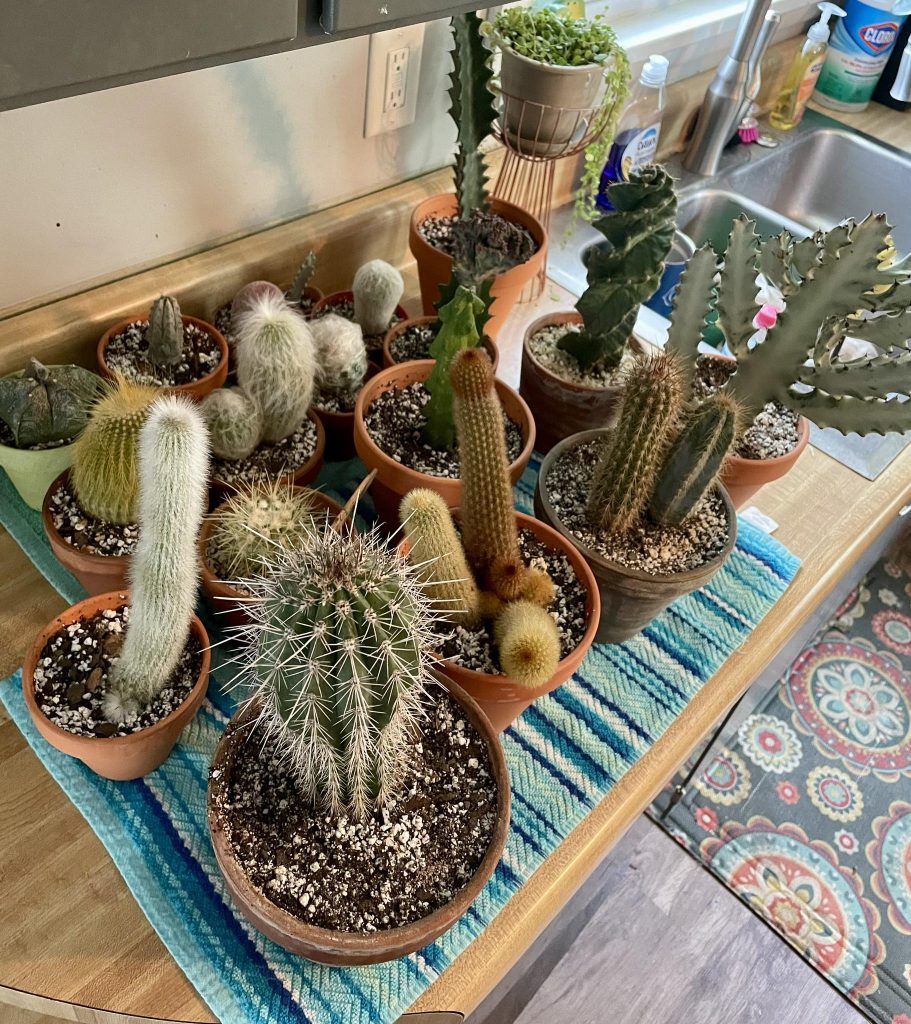
How to Care for Cacti During Winter Dormancy
Here’s how I keep my cacti happy during winter. These tips are simple, practical, and based on years of trial and error.
1. Adjust watering (Less is more)
Cacti need minimal water in winter. Overwatering is the number one killer of indoor cacti, especially during dormancy. I water my cacti every 4–6 weeks in winter, ensuring the soil is bone-dry before adding more. For example, my Mammillaria gets a tiny sip, just enough to keep it from shriveling.
Pro tip: If you live in a humid area like Florida, reduce watering even more to prevent mold. Use a moisture meter to check soil dryness.
The Missouri Botanical Garden recommends watering only when the top inch of soil feels dry, especially for species like Ferocactus.
2. Provide cool temperatures
Cacti love cooler winter temps, ideally between 45–55°F (7–13°C). I move my cacti to a cooler spot in my home. Consider places like an unheated sunroom and not near a drafty window.
In warmer states like Texas or Arizona, where indoor heating keeps homes toasty, consider placing cacti in a garage or porch at night.
Pro Tip: Avoid placing cacti near radiators or heat vents, as this can disrupt dormancy. I use a small fan to improve air circulation around my cacti, mimicking desert breezes.
3. Maximize light exposure
Even in dormancy, cacti crave bright light. In my Chicago apartment, where winter days are short and gloomy, I place my cacti on a south-facing windowsill. If natural light is scarce, I supplement with a grow light. Rotate your cacti every couple of weeks to ensure even light exposure.
Note: Desert cacti like Saguaro need more light than jungle cacti like Schlumbergera.
4. Hold off on fertilizer
During dormancy, cacti don’t need extra nutrients. I made the mistake of fertilizing my Echinopsis in January once, and it started pushing out weak, leggy growth. Save the fertilizer for spring when growth resumes.
Tip: When you fertilize, use a diluted, low-nitrogen formula (like 5-10-10) sparingly.
5. Watch for pests and rot
Winter is prime time for pests like spider mites, especially in dry, heated homes. I check my cacti weekly for tiny webs or discoloration. If I spot trouble, I dab the affected area with rubbing alcohol using a cotton swab.
The Royal Horticultural Society has great advice on identifying and treating cactus pests. To prevent rot, ensure pots have drainage holes to prevent root rot. This is a common winter issue, and many plants die because of it.
Dormancy Cactus Care for Your U.S. Region
America’s diverse climates mean dormancy care varies by region. Here’s how to adapt based on where you live:
In the Northeast states like New York and Massachusetts, short days and cold winters naturally signal dormancy. Keep cacti in a cool, bright spot and water sparingly. I have a friend in Boston who wraps her outdoor cacti in burlap for extra protection.
South regions like Florida, Texas, mild winters in the southern regions like Florida and Texas can trick cacti into staying active. Reduce watering drastically and keep them in a cooler indoor area to enforce dormancy.
In the Midwest states like Illinois and Ohio, indoor heating can dry out cacti. Mist lightly if you notice shriveling, but don’t overdo it.
In desert regions like California and Arizona, located in the West, your outdoor cacti may need light frost protection. Indoors, maintain cool nights and bright days.
For region-specific advice, check out the Cactus and Succulent Society of America.
My Favorite Cacti for Winter Dormancy
Not all cacti handle dormancy the same way. Here are my top picks based on their ease of care and dormancy behavior:
- Barrel Cactus (Ferocactus): These round beauties are low-maintenance and thrive with minimal water. Mine sits happily in a chilly corner all winter.
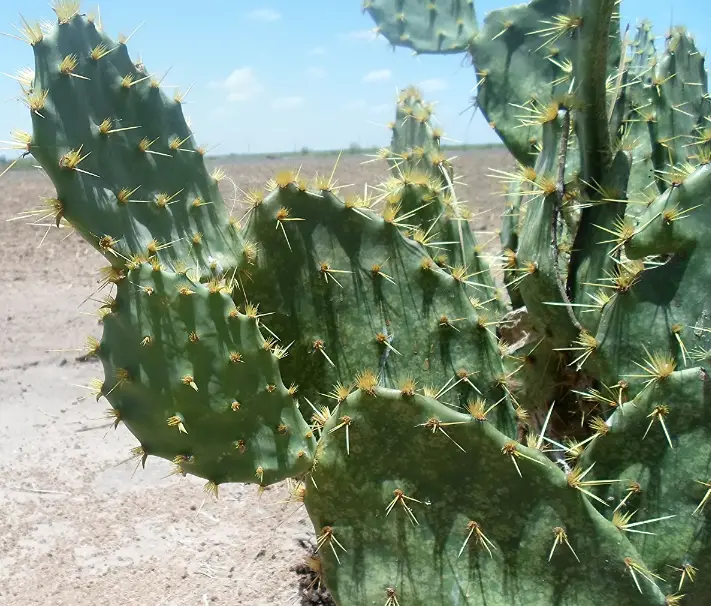
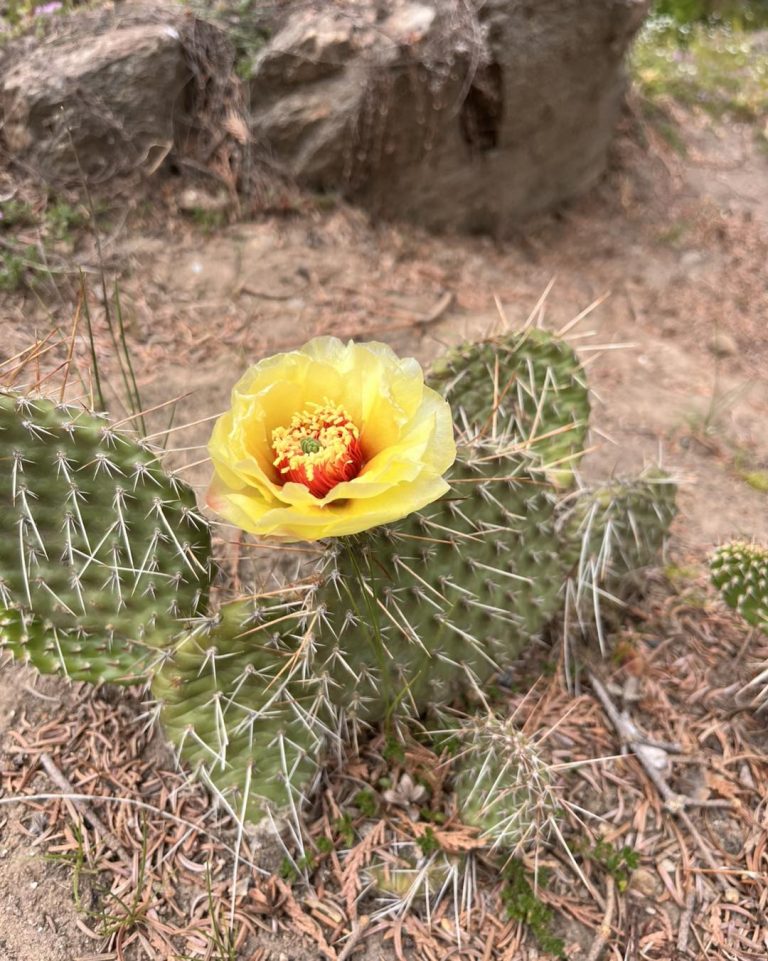
- Prickly Pear (Opuntia): Hardy and forgiving, they’re perfect for beginners. I keep mine near a window for light.
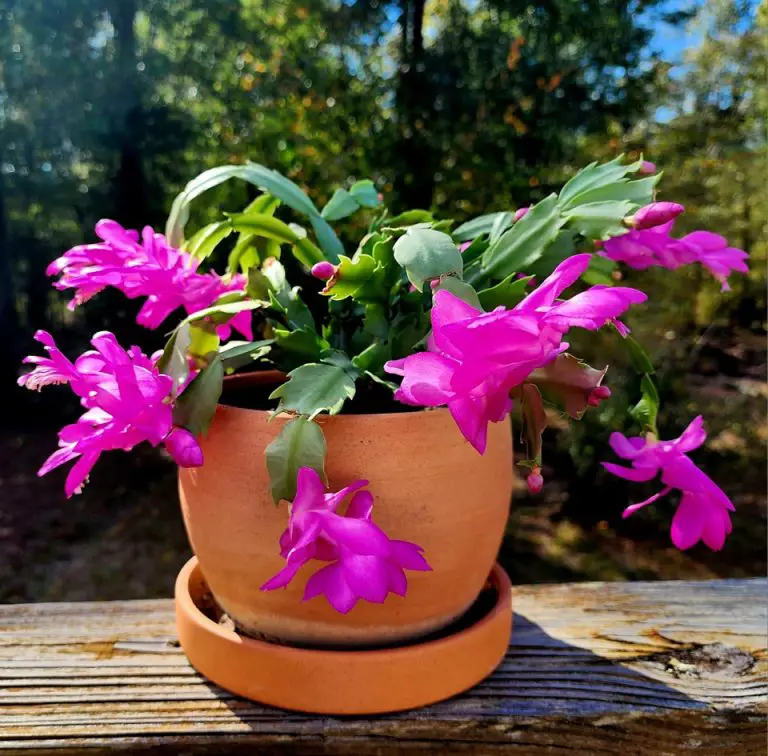
- Christmas Cactus (Schlumbergera): A jungle cactus that blooms in winter but still needs reduced water to rest post-bloom.
- Hedgehog Cactus (Echinocereus): Compact and colorful, they’re ideal for small spaces and handle dormancy well.
Common Mistakes to Avoid
I’ve made plenty of cactus care blunders, so let me save you some heartache. Here are pitfalls to avoid during winter dormancy:
Overwatering
It’s tempting to water when you see slight shriveling, but resist! Shriveling is normal during dormancy. Excess moisture sits in the soil, leading to root rot, a common killer. I once overwatered my barrel cactus in January, thinking it looked thirsty, and it developed mushy roots.
Dormant cacti can’t process the extra water, making them prone to fungal infections. To avoid this, water only every 4–6 weeks, ensuring the soil is completely dry. Check out the Missouri Botanical Garden for more on proper cactus watering.
Ignoring light needs
Cacti still need brightness, even when resting. Don’t stick them in a dark corner. Ignoring light needs during dormancy can weaken cacti. Insufficient light causes etiolation, where cacti stretch or pale, becoming weak and prone to disease.
I once stuck my Echinopsis in a dim corner, and it lost its vibrant color. Ensure cacti get 4–6 hours of bright, indirect light daily, using a grow light if needed. The Royal Horticultural Society emphasizes light for cactus vitality.
Sudden temperature swings
Sudden temperature swings during dormancy can disrupt cacti’s rest. For example, moving a cactus from a warm room to a freezing porch can shock it. Rapid shifts from warm to cold can cause wilting, discoloration, or tissue damage.
I once moved my Opuntia from a cozy room to a freezing porch, and it developed brown spots. Cacti prefer stable, cool temps (45–55°F) in winter. Transition them gradually to avoid stress. The University of Arizona Cooperative Extension recommends consistent conditions for healthy dormancy.
FAQs About Cactus Winter Dormancy
Q: How do I know if my cactus is dormant?
A: Look for slowed growth, no new spines, or a slightly shriveled appearance. It’s normal! My Mammillaria looks a bit deflated in winter but perks up in spring.
Q: Can I repot my cactus in winter?
A: Avoid repotting during dormancy, as it can stress the plant. Wait until spring, as advised by the University of California Agriculture and Natural Resources.
Q: What if my cactus starts blooming in winter?
A: Some cacti, like Christmas cacti, bloom during dormancy. Keep watering minimally and enjoy the show!
Q: Do all cacti go dormant?
A: Most desert cacti do, but jungle cacti like the Christmas cactus may stay active.
Q: My cactus looks yellow. Is it dying?
A: Yellowing could mean too much water or not enough light. Check your care routine and adjust. I saved a yellowing Opuntia by moving it to a brighter spot.
Final thoughts
Caring for cacti during winter dormancy is like giving them a cozy hibernation. By mimicking their natural desert conditions—less water, cooler temps, and plenty of light—you’ll set them up for a stunning spring. I’ve grown to love this quiet season, watching my cacti rest while I plan their next display.

Tim M Dave is a gardening expert with a passion for houseplants, particularly cacti and succulents. With a degree in plant biology from the University of California, Berkeley, he has vast experience in gardening. Over the years, he has cultivated a vast collection of desert plants and learned a great deal about how to grow and care for these unique companions.