15 Stunning Viburnum Varieties: Identification Features and Care Details
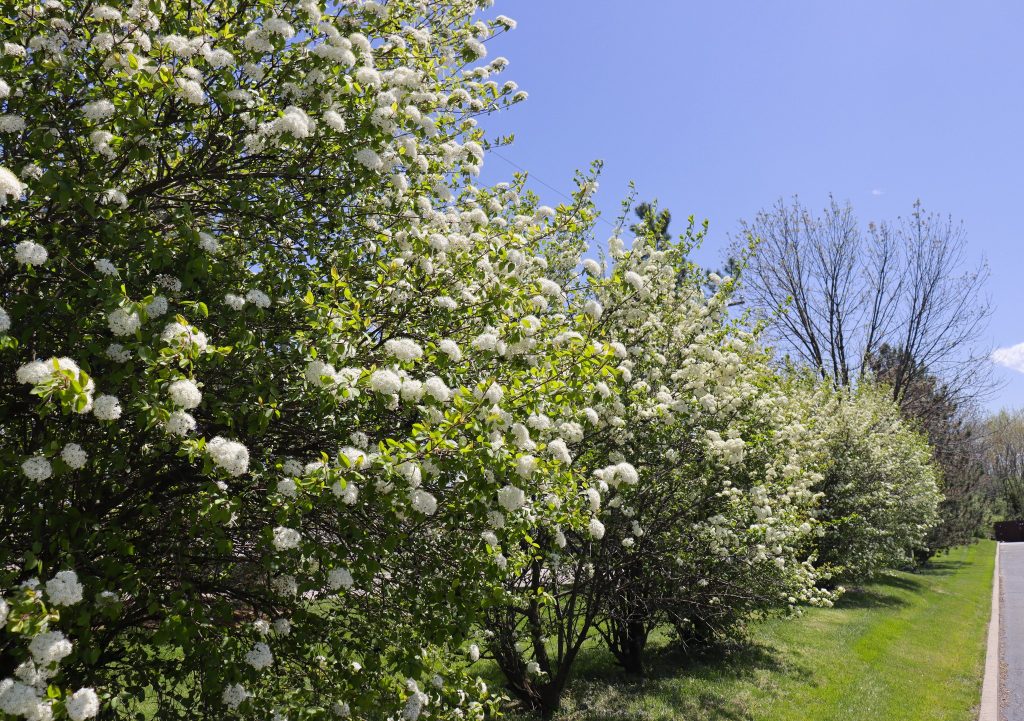
Viburnum shrubs are a favorite in American gardens, blending beauty, versatility, and resilience. With over 150 species, these shrubs offer vibrant spring flowers, colorful berries, and striking fall foliage, thriving across diverse U.S. climates (USDA Hardiness Zones 2–10).
Perfect for hedges, focal points, or wildlife gardens, viburnums adapt to various soils and require minimal care, making them ideal for busy homeowners. Plant in spring or fall, mulch to retain moisture, and prune after flowering to maintain shape.
This guide highlights 15 top viburnum varieties. These shrubs enhance biodiversity, attracting pollinators and birds.
Brief History of Viburnum
Viburnums have deep roots in both ecology and culture. Originating across temperate regions of the Northern Hemisphere, these shrubs have been cultivated since ancient times. Native American tribes, including the Iroquois, used Viburnum dentatum (arrowwood) for arrow shafts, while Viburnum prunifolium (blackhaw) berries were a food source.
In Europe, Viburnum opulus (guelder rose) symbolized love and fertility in traditional cultures, often woven into bridal wreaths. By the 18th century, viburnums graced colonial American gardens, with Viburnum tinus introduced for its evergreen appeal.
Horticulturalists like André Michaux brought Asian species, such as Viburnum plicatum, to the U.S. in the 1800s, sparking hybrid development. Today, viburnums are prized for their ornamental and ecological value, supporting pollinators and birds while adapting to modern climate challenges.
Classification of Viburnum
Viburnums belong to the Adoxaceae family, previously classified under Caprifoliaceae due to their honeysuckle-like traits. The genus Viburnum comprises over 150 species, divided into deciduous, evergreen, and semi-evergreen types. Key sections include:
- Mollodontotinus: Includes V. dentatum and V. lantana, with toothed leaves and flat flower clusters.
- Lentago: Features V. lentago (nannyberry), with glossy leaves and edible berries.
- Tinus: Evergreen species like V. tinus, suited for milder climates.
- Opulus: Includes V. opulus and V. trilobum, known for lobed leaves and red berries.
Hybrids, such as Viburnum × burkwoodii, blend traits for enhanced fragrance or hardiness. Native U.S. species, like V. nudum and V. rufidulum, dominate ecological restoration projects. This diversity allows viburnums to thrive from Alaska’s Zone 2 to Florida’s Zone 10.
Characteristics of Viburnum
Viburnums are celebrated for their multi-season appeal, offering a blend of aesthetic and functional traits. Below are their key characteristics, with specific features detailed later.
General Appearance
Viburnums range from compact mounds to small trees, with heights of 3–20 feet. Their leaves vary from glossy and elliptic to lobed or wrinkled, often turning vibrant in fall. Flowers, typically white or pink, form flat-topped cymes or globular clusters, blooming in spring or summer.
Many produce berries—red, blue, or black—that persist into winter, attracting birds. Evergreen types provide year-round structure, while deciduous ones offer seasonal drama.
Growth and Adaptability
These shrubs grow at moderate to fast rates, reaching maturity in 3–5 years. They adapt to various soils, from clay to sand, preferring a pH of 5.5–7.0. Most tolerate urban conditions, pollution, and occasional drought, making them ideal for diverse American landscapes.
Ecological Role
Viburnums support biodiversity. Their nectar-rich flowers draw bees and butterflies, while berries feed over 40 bird species, including cardinals and cedar waxwings. Native species enhance local ecosystems, stabilizing soil and providing wildlife corridors.
Types of Viburnum Shrubs
With over 150 species, viburnums offer something for every U.S. region. Here is a list of the most stunning varieties:
1. Arrowwood Viburnum (Viburnum dentatum)
- Scientific Name: Viburnum dentatum
- USDA Zone: 2–8
- Color Variation: Creamy white lacecap flowers; glossy green leaves turning yellow to red-purple in fall; blue-black berries
- Sun Exposure: Full sun to partial shade
- Mature Size: 6–15 ft tall, 6–12 ft wide
- Lifespan: 30–50 years
- Toxicity: Low; berries are mildly toxic to humans, safe for birds
Arrowwood viburnum, a North American native, is a hardy, deciduous shrub ideal for screens or hedges. Its spring flowers attract bees, while bluish berries feed birds like robins. The glossy leaves turn vibrant in fall, adding seasonal drama.
Adaptable to wet or dry soils, it suits urban yards, curbing pollution. Plant in groups for erosion control or pair with asters for a natural look. Minimal pruning keeps it tidy, making it a low-maintenance choice for busy gardeners.
2. Koreanspice Viburnum (Viburnum carlesii)
- Scientific Name: Viburnum carlesii
- USDA Zone: 4–7
- Color Variation: Pink buds to fragrant white flowers; dark green leaves with burgundy fall color; red to black berries
- Sun Exposure: Full sun to partial shade
- Mature Size: 4–8 ft tall and wide
- Lifespan: 20–40 years
- Toxicity: Low; berries mildly irritating if eaten in excess
Koreanspice viburnum, from Korea, is loved for its clove-scented spring blooms. This compact, deciduous shrub fits small yards or near patios, where its fragrance shines. Pink buds open to white flower clusters, drawing pollinators.
The leaves turn wine-red in fall, pairing well with perennials like sedum. It prefers loamy soil and moderate water. Prune lightly after flowering. Perfect for Midwest and Northeast gardens, it adds sensory charm with minimal effort.
3. Doublefile Viburnum (Viburnum plicatum f. tomentosum ‘Mariesii’)
- Scientific Name: Viburnum plicatum f. tomentosum ‘Mariesii’
- USDA Zone: 5–8
- Color Variation: White lacecap flowers; green pleated leaves turning burgundy in fall; red to black berries
- Sun Exposure: Full sun to partial shade
- Mature Size: 8–10 ft tall, 10–12 ft wide
- Lifespan: 30–50 years
- Toxicity: Low; berries mildly toxic to humans
Doublefile viburnum’s tiered branches create a stunning, layered look, perfect for American estates. Its spring flowers form double rows of white lacecaps, followed by red berries that turn black, attracting birds.
The textured leaves shift to scarlet in fall. It thrives in fertile, moist soil but dislikes drought. Use as a specimen or to stabilize slopes. Prune post-bloom to maintain shape. This Japanese native also adds elegance to temperate yards.
4. Blackhaw Viburnum (Viburnum prunifolium)
- Scientific Name: Viburnum prunifolium
- USDA Zone: 3–9
- Color Variation: Creamy white flowers; dark green leaves turning pinkish-red in fall; blue-black berries
- Sun Exposure: Full sun to full shade
- Mature Size: 12–15 ft tall, 6–12 ft wide
- Lifespan: 50+ years
- Toxicity: Low; ripe berries edible for humans
Blackhaw viburnum, a Southeastern native, grows as a shrub or small tree. Its spring flowers yield edible blue-black berries, loved by birds and humans alike. The glossy leaves turn vibrant in fall. Highly adaptable, it tolerates poor soils, urban stress, and deer.
Use as a windbreak or in mixed borders. Minimal pruning enhances its form. Its long lifespan makes it a legacy plant for American yards from Maine to Texas.
5. American Cranberrybush (Viburnum trilobum)
- Scientific Name: Viburnum trilobum
- USDA Zone: 2–7
- Color Variation: White lacecap flowers; maple-like leaves with red fall color; bright red berries
- Sun Exposure: Full sun to partial shade
- Mature Size: 8–12 ft tall and wide
- Lifespan: 30–50 years
- Toxicity: Low; edible tart berries
American cranberrybush, native to northern U.S., offers maple-like leaves and white spring blooms. Its bright red berries, edible in sauces, persist into winter, feeding birds. The foliage turns scarlet in fall, rivaling maples. It thrives in moist, acidic soils, perfect for rain gardens.
Use in wildlife gardens or as a focal point. Extremely cold-hardy, it suits Zone 2 areas like Minnesota, providing ecological and visual appeal.
6. Leatherleaf Viburnum (Viburnum rhytidophyllum)
- Scientific Name: Viburnum rhytidophyllum
- USDA Zone: 5–8
- Color Variation: Yellow-white flowers; dark green evergreen leaves; red to black berries
- Sun Exposure: Full sun to partial shade
- Mature Size: 10–15 ft tall, 10–12 ft wide
- Lifespan: 20–40 years
- Toxicity: Low; berries mildly toxic, foliage may irritate skin
Leatherleaf viburnum, an evergreen from China, provides year-round structure. Its wrinkled leaves and fragrant spring flowers make it a standout. Red berries turn black, attracting birds. It tolerates shade and heavy soils, ideal for urban yards in the Southeast or Pacific Northwest.
Use for hedges or slope stabilization. Prune in spring. Handle foliage with gloves to avoid irritation. It’s a durable choice for winter interest.
7. Nannyberry (Viburnum lentago)
- Scientific Name: Viburnum lentago
- USDA Zone: 2–8
- Color Variation: White flowers; glossy green leaves turning yellow-purple in fall; violet-black berries
- Sun Exposure: Full sun to partial shade
- Mature Size: 14–18 ft tall, 6–10 ft wide
- Lifespan: 40–60 years
- Toxicity: Low; ripe berries edible
Nannyberry, a Great Lakes native, forms tall shrubs or small trees. Its white summer blooms attract butterflies, while sweet black berries feed birds and humans. The leaves turn vibrant in fall. It tolerates wet or dry soils, suiting Midwest restoration projects.
Use as a specimen or naturalized hedge. Minimal pruning maintains its form. Its long lifespan ensures lasting beauty in American landscapes.
8. Possumhaw Viburnum (Viburnum nudum)
- Scientific Name: Viburnum nudum
- USDA Zone: 5–9
- Color Variation: Creamy white flowers; green leaves with pinkish fall tones; pink to blue-black berries
- Sun Exposure: Full sun to partial shade
- Mature Size: 6–12 ft tall and wide
- Lifespan: 30–50 years
- Toxicity: Low; berries edible when cooked
Possumhaw viburnum, native from Maine to Florida, features waxy berries shifting from pink to blue. Its white June flowers and glossy leaves turn peachy in fall. Adaptable to wet or coastal soils, it’s perfect for Southeastern rain gardens. Use as a low hedge or foundation plant. The ‘Winterthur’ cultivar boosts berry display. Prune post-bloom for density, ensuring a vibrant addition to yards.
9. Wayfaring Tree (Viburnum lantana)
- Scientific Name: Viburnum lantana
- USDA Zone: 4–8
- Color Variation: Creamy white flowers; gray-green leaves turning purple in fall; orange-red to black berries
- Sun Exposure: Full sun to partial shade
- Mature Size: 10–15 ft tall and wide
- Lifespan: 30–50 years
- Toxicity: Low; berries toxic to humans
The wayfaring tree, a European native, forms broad shrubs with fuzzy leaves. Its white spring blooms attract bees, followed by red-to-black berries for birds. The foliage turns purple in fall. Drought-tolerant, it suits Midwest slopes or urban yards. Use for screening or driveways. The ‘Mohawk’ cultivar enhances fall color. Prune to control spread, creating a hardy, heritage-style plant.
10. Laurustinus (Viburnum tinus)
- Scientific Name: Viburnum tinus
- USDA Zone: 7–10
- Color Variation: Pink buds to white flowers; dark green leaves; blue-black berries
- Sun Exposure: Full sun to partial shade
- Mature Size: 6–12 ft tall and wide
- Lifespan: 20–40 years
- Toxicity: Low; berries mildly toxic
Laurustinus, a Mediterranean evergreen, blooms from fall to spring, ideal for mild U.S. climates like California. Its pink buds open to white flowers, followed by blue berries. The leathery leaves suit coastal yards or containers. Shear for formal hedges or let it cascade over walls. The ‘Eve Price’ cultivar adds vibrant buds. Minimal pruning ensures tidy growth in Mediterranean-style gardens.
11. David Viburnum (Viburnum davidii)
- Scientific Name: Viburnum davidii
- USDA Zone: 7–9
- Color Variation: White to pink flowers; dark green leaves; turquoise to black berries
- Sun Exposure: Partial to full shade
- Mature Size: 3–5 ft tall and wide
- Lifespan: 20–30 years
- Toxicity: Low; berries mildly toxic
David viburnum, a compact Chinese evergreen, thrives in shade. Its glossy leaves and white spring blooms create a groundcover effect, with turquoise berries adding winter color. Ideal for Northwest or Southern understories, it pairs with ferns. The ‘The Bride’ cultivar ensures fruit with pollinators. Prune lightly. This low shrub adds texture to shaded American gardens.
12. Burkwood Viburnum (Viburnum × burkwoodii)
- Scientific Name: Viburnum × burkwoodii
- USDA Zone: 4–8
- Color Variation: Pink buds to fragrant white flowers; dark green leaves turning maroon in fall; red to black berries
- Sun Exposure: Full sun to partial shade
- Mature Size: 6–10 ft tall and wide
- Lifespan: 25–45 years
- Toxicity: Low; berries mildly irritating
Burkwood viburnum, a hybrid, offers clove-scented spring blooms. Semi-evergreen in mild zones, its glossy leaves turn maroon in fall. Red berries blacken for birds. Heat-tolerant, it suits urban Northeast yards as a hedge or specimen. The ‘Chenaultii’ cultivar spreads wider. Prune after flowering. Its fragrance and vigor make it a charming addition to mixed borders.
13. Snowball Bush (Viburnum opulus ‘Roseum’)
- Scientific Name: Viburnum opulus ‘Roseum’
- USDA Zone: 3–8
- Color Variation: White snowball flowers; green leaves turning yellow-red in fall; no fruit
- Sun Exposure: Full sun to partial shade
- Mature Size: 10–12 ft tall and wide
- Lifespan: 30–50 years
- Toxicity: Low; leaves mildly irritating
The snowball bush, a sterile European cultivar, boasts large white flower globes in spring. Its maple-like leaves turn vibrant in fall. Fruitless, it’s ideal for tidy cottage gardens in the Northeast. It prefers moist soil and pairs with tulips. Prune to rejuvenate. This dramatic shrub adds old-world charm without berry mess.
14. Rusty Blackhaw (Viburnum rufidulum)
- Scientific Name: Viburnum rufidulum
- USDA Zone: 5–9
- Color Variation: White flowers; red-brown to green leaves turning red in fall; black berries
- Sun Exposure: Full sun to partial shade
- Mature Size: 10–15 ft tall, 8–10 ft wide
- Lifespan: 40–60 years
- Toxicity: Low; ripe berries edible
Rusty blackhaw, a Southern native, features rusty new leaves and white spring blooms. Its black berries are edible, and fall foliage glows scarlet. Drought-tolerant, it suits Texas or Georgia yards as a tree or screen. Minimal care ensures long-lasting beauty in Southern landscapes.
15. Chindo Viburnum (Viburnum awabuki ‘Chindo’)
- Scientific Name: Viburnum awabuki ‘Chindo’
- USDA Zone: 7–9
- Color Variation: White flowers; glossy dark green evergreen leaves; red to black berries
- Sun Exposure: Full sun to partial shade
- Mature Size: 10–20 ft tall, 8–15 ft wide
- Lifespan: 20–40 years
- Toxicity: Low; berries mildly toxic
Chindo viburnum, a Japanese evergreen cultivar, is prized for its lustrous, leathery leaves that remain vibrant year-round. Its white spring flowers yield red berries, turning black for birds. Fast-growing, it forms dense hedges or screens in Southern and coastal yards.
Tolerant of heat and salt, it thrives in Zones 7–9. Prune lightly to shape. Chindo’s bold foliage and structure elevate modern American landscapes.
Growing and Care Guide for Viburnum
Caring for viburnums is straightforward, but proper practices ensure optimal growth. Below, I share tips from my experience and research.
Planting
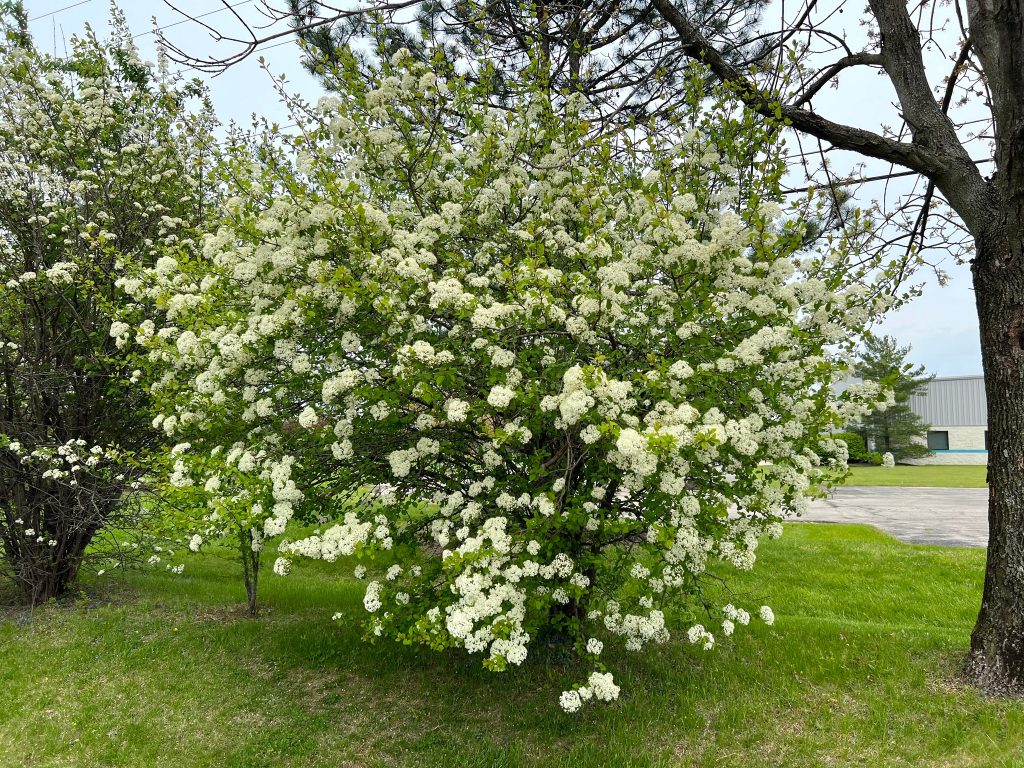
Choose a site with well-drained soil and appropriate light. I planted my V. carlesii in partial shade, which boosted its blooms. Dig a hole twice the root ball’s width, enrich with compost, and plant in spring or fall. Space according to mature size (e.g., 8–10 ft for V. plicatum). Water deeply after planting.
Watering
Water weekly during the first year, ensuring 1–2 inches of moisture. Established viburnums tolerate occasional drought, but consistent watering enhances flowering. My V. nudum thrived with mulch to retain moisture in Virginia’s clay soil.
Soil and Fertilizer
Viburnums prefer loamy, slightly acidic soil (pH 5.5–7.0). Test soil pH, especially for natives like V. trilobum. Apply a balanced fertilizer (10-10-10) in spring, avoiding high nitrogen to prevent weak growth. I fertilize once annually, which keeps my shrubs lush.
Pruning
Prune after flowering to maintain shape and encourage blooms, as most viburnums flower on old wood. For example, I trim my V. plicatum lightly in June to avoid cutting next year’s buds. Remove dead or crossing branches to improve air circulation.
Mulching
Apply 2–3 inches of organic mulch (e.g., wood chips) to conserve moisture and suppress weeds. I mulched my V. tinus to protect its roots during mild winters, ensuring year-round greenery.
Winter Care
In cold zones (2–4), protect young plants with burlap in harsh winters. Evergreen species like V. rhytidophyllum may drop leaves in Zone 5 but recover. My V. trilobum in Zone 6 needed no extra care, thriving through snow.
Common Problems and Solutions
Viburnums are resilient, but challenges arise. Here’s how to address common issues, based on my observations and expert advice.
Pests
- Viburnum Leaf Beetle: Prevalent in the Northeast, these beetles defoliate V. opulus and V. dentatum. I used neem oil on my arrowwood, spraying in early spring to target larvae. Resistant varieties like V. carlesii are safer bets.
- Aphids: These sap-suckers cause leaf curl. A strong water spray or insecticidal soap controls them effectively.
- Scale Insects: Look for waxy bumps on stems. Horticultural oil in late winter works well.
Diseases
- Powdery Mildew: White patches appear in humid conditions, especially on V. lantana. Ensure good air circulation and apply fungicides if needed. I spaced my shrubs to prevent this.
- Leaf Spot: Fungal spots mar leaves in wet climates. Remove affected foliage and avoid overhead watering.
- Root Rot: Overwatering causes this in poorly drained soils. Plant in raised beds if drainage is an issue, as I did with V. nudum.
Environmental Stress
- Drought: Young viburnums wilt without water. Mulch and irrigate during dry spells.
- Sun Scorch: Evergreen types like V. tinus may brown in intense sun. Plant in partial shade in hot regions like the Southwest.
Regular monitoring and early intervention keep viburnums healthy, as I’ve learned from trial and error in my garden.
Designing with Viburnums in American Gardens
Viburnums shine in diverse roles: nannyberry for height, arrowwood for density, and David for groundcover. Use natives like blackhaw to support wildlife or Chindo for evergreen privacy. In the Northeast, pair Koreanspice with daffodils; in the South, mix possumhaw with ferns.
Maintain with weekly watering for new plants, spring fertilizer, and post-bloom pruning. Scout for pests like viburnum leaf beetles in the North, using neem oil as needed. Here are regional tips for different American climates
- Northeast (Zones 3–6): Choose arrowwood or cranberrybush for cold hardiness.
- Midwest (Zones 4–7): Nannyberry suits wet or dry soils.
- Southeast (Zones 7–9): Possumhaw and Chindo thrive in humidity.
- Southwest (Zones 6–9): Wayfaring tree handles drought.
- West Coast (Zones 7–10): Laurustinus and leatherleaf excel in mild climates.
Conclusion
Viburnums bring timeless beauty to gardens, from fragrant blooms to wildlife-friendly berries. These 15 varieties offer options for every region, enhancing yards with low-maintenance elegance. Whether you seek Chindo’s evergreen sheen or snowball’s floral drama, viburnums deliver lasting value. Choose based on your climate and style to create a vibrant, sustainable landscape.

Tim M Dave is a gardening expert with a passion for houseplants, particularly cacti and succulents. With a degree in plant biology from the University of California, Berkeley, he has vast experience in gardening. Over the years, he has cultivated a vast collection of desert plants and learned a great deal about how to grow and care for these unique companions.