15 Easy Vegetables to Plant in Early Spring: Get a Head Start on the Growing Season
There is a particular kind of restlessness that sets in around late February. The days are getting longer, seed catalogues have been read cover to cover, and the garden — still bare and quiet — is full of possibility. For vegetable gardeners, early spring is not a time to wait. It is a time to act.
The common assumption is that vegetable gardening only begins after the last frost has passed. That is simply not true. A significant number of vegetables actually prefer cool conditions — they germinate better, grow faster, and taste sweeter in the cold months of early spring than they ever would in the heat of midsummer.
Cool-season vegetables tolerate frost to varying degrees. Some, like kale and spinach, can survive temperatures well below freezing. Others, like lettuce and peas, prefer the cold but need protecting from hard frosts. Understanding the difference is what separates a productive early-spring garden from a failed one.
This guide covers the 15 best and easiest vegetables to plant in early spring, with growing advice, spacing, harvest times, and practical tips for each one.
What Makes a Vegetable “Early Spring Friendly”?
Before we get into the list, it helps to understand what qualifies a vegetable for early spring planting.
Cool-season crops are those that grow best when soil temperatures are between 7°C and 18°C (45°F–65°F). They typically bolt — that is, run to seed prematurely — when temperatures rise in late spring or summer, so getting them in early is not just possible, it is actually ideal.
Most cool-season vegetables fall into two broad groups:
- Hardy crops that tolerate frost and can be planted outdoors from late winter onwards, even in cold climates
- Half-hardy crops that prefer cool conditions but need protection from hard frosts — these are best started under cover and transplanted once temperatures stabilise
A simple soil thermometer, available inexpensively from any garden centre, takes the guesswork out of timing. Once soil temperature reaches 7°C (45°F), most cool-season seeds will germinate reliably.
The 15 Best Vegetables for Early Spring Planting
1. Peas (Pisum sativum)

Peas and early spring are almost inseparable. They are one of the oldest cultivated vegetables in the world, and for good reason — they are genuinely easy to grow, enormously productive, and taste infinitely better when eaten fresh from the garden than anything available in a supermarket.
Peas are frost-hardy once established and can be sown outdoors as soon as the soil is workable, typically from late February or March in most temperate regions.
Varieties to consider: ‘Kelvedon Wonder’ and ‘Early Onward’ are reliable, compact varieties ideal for exposed positions. ‘Alderman’ is a taller, high-yielding variety that needs support.
Growing conditions: Sow 4–5 cm deep, 7–10 cm apart, in double rows with 20–25 cm between rows. Provide a trellis, netting, or twiggy sticks for support. Peas prefer cool, moist, well-drained soil with a pH of 6.0–7.0. Avoid waterlogged ground, which encourages root rot.
Days to harvest: 60–70 days from sowing.
Tips: Soak seeds overnight before sowing to encourage faster germination. Mouse guards may be needed early in the season, as mice are strongly attracted to pea seeds.
2. Spinach (Spinacia oleracea)
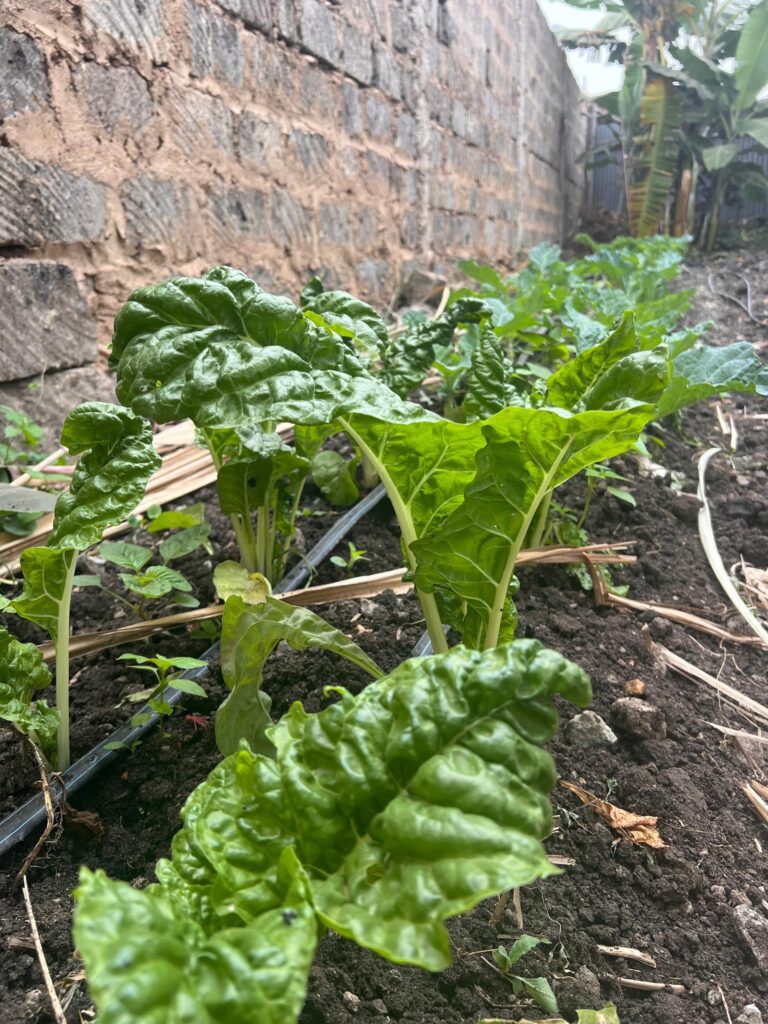
Spinach is one of the most cold-tolerant leafy vegetables available. It germinates in soil temperatures as low as 4°C (40°F) and will actively grow through light frosts, making it one of the very first crops you can sow outdoors in late winter.
Growing conditions: Sow seed 2–3 cm deep, thinning to 15 cm apart. Full sun to light shade; spinach tolerates partial shade better than most vegetables, which makes it useful under taller crops later in the season. Moist, fertile, slightly alkaline soil (pH 6.5–7.0) gives the best results.
Days to harvest: 40–50 days for baby leaves; 55–65 days for full leaves.
Tips: Sow in succession every two to three weeks from late February to May to avoid a glut. Spinach bolts rapidly in warm, dry conditions — if your summers are hot, switch to perpetual spinach or chard as the season progresses.
3. Lettuce (Lactuca sativa)
Lettuce is the quintessential cut-and-come-again crop: easy to grow, fast to mature, and endlessly versatile in the kitchen. It thrives in cool temperatures and can be started under cover as early as January or direct-sown outside from March onwards.
Growing conditions: Sow thinly, 0.5–1 cm deep. Thin or transplant to 20–30 cm apart, depending on variety. Lettuce grows well in partial shade, which helps prevent bolting in warmer spells. It prefers moisture-retentive, fertile soil with consistent watering — irregular moisture causes bitter leaves.
Days to harvest: 30–60 days depending on variety (loose-leaf types are fastest).
Tips: For the longest harvest season, sow little and often rather than all at once. Loose-leaf varieties like ‘Lollo Rossa’, ‘Oak Leaf’, and ‘Salad Bowl’ can be harvested a few outer leaves at a time, giving weeks of productivity from a single sowing.
4. Kale (Brassica oleracea var. sabellica)
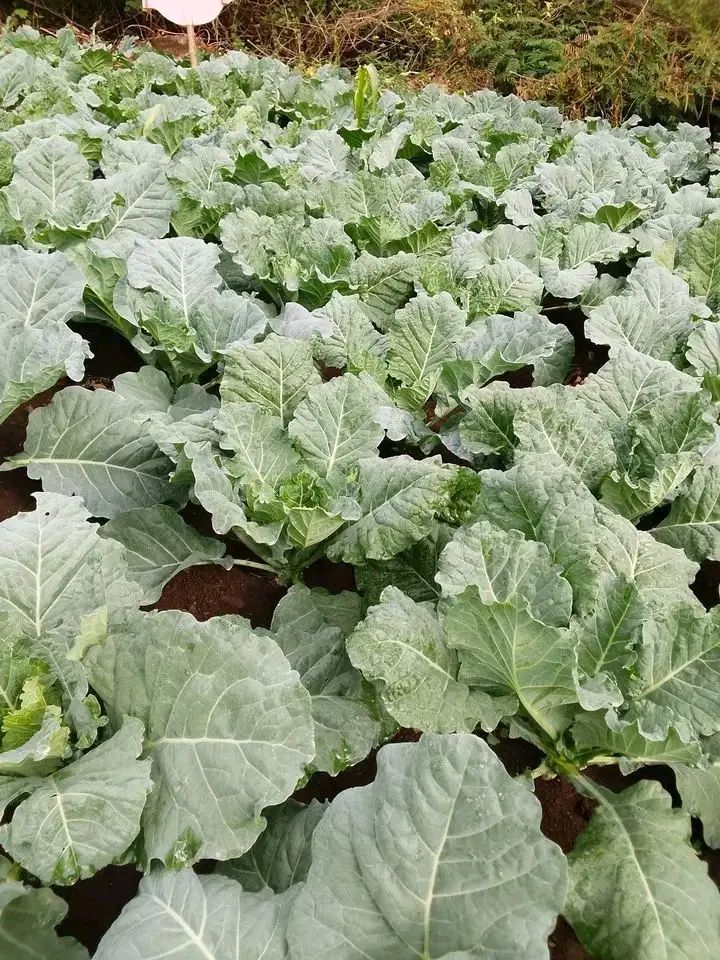
Kale is, in many ways, the toughest vegetable on this list. It withstands heavy frost, snow, and prolonged cold with remarkable resilience — many gardeners find that kale left in the ground over winter tastes sweeter after a frost, as the plant converts starches to sugars in response to cold.
Growing conditions: Sow seed 1–2 cm deep under cover in early spring, or direct-sow outdoors from March. Transplant to 45–60 cm apart — kale needs generous spacing to develop well. It thrives in fertile, firm, well-drained soil with a pH of 6.5–7.0. Like all brassicas, it benefits from a firm planting site; loose, nitrogen-rich soil produces sappy growth that is vulnerable to pests.
Days to harvest: 55–75 days from transplanting.
Tips: Harvest the lower leaves first, working upward — this extends the productive life of the plant considerably. Protect young plants from cabbage white butterflies with fine mesh netting from the moment of transplanting.
5. Radishes (Raphanus sativus)
Radishes are the fastest vegetable you can grow from seed to plate. A summer radish sown in early spring can be ready to harvest in as little as three to four weeks — which makes them enormously satisfying for impatient gardeners and children alike.
Growing conditions: Sow seed 1–2 cm deep, thinning to 5–7 cm apart. Radishes require little space, grow in almost any soil, and need full sun to light shade. Consistent moisture is essential — irregular watering causes radishes to become woody and hot.
Days to harvest: 21–30 days (summer varieties); 60+ days (winter varieties).
Tips: Radishes are ideal as a “catch crop” — sown in gaps between slower-growing vegetables. Avoid sowing too thickly, as overcrowded radishes produce foliage at the expense of roots. Successive sowings every two weeks will maintain a continuous supply throughout spring.
6. Broad Beans (Vicia faba)
Broad beans are one of the few legumes that genuinely thrive in cold conditions. They can be sown outdoors in autumn for winter overwintering or in late winter and early spring for a slightly later but reliable harvest. Their tall, structural growth is attractive in the vegetable garden, and their flowers have a beautiful, sweet fragrance.
Growing conditions: Sow seeds 5 cm deep, 20–22 cm apart, in double rows 20 cm apart. Broad beans prefer cool, well-drained, fertile soil with a pH of 6.0–7.0. They are nitrogen-fixing, which improves soil structure for subsequent crops.
Days to harvest: 80–100 days from spring sowing.
Tips: Pinch out the soft growing tips once the first pods begin to set. This reduces the risk of blackfly aphid infestations, which tend to colonise the tender new growth at the top of the plant. The pinched tips are also edible — lightly steamed, they taste like young spinach.
7. Onions and Shallots (Allium cepa)
Onions and shallots can be started from seed in late winter, or more easily from small bulbs called “sets,” which are pushed into the soil from mid-March onwards. Sets are particularly beginner-friendly — they are quick to establish, easy to handle, and far less susceptible to onion fly than seed-grown plants.
Growing conditions: Plant sets with the tip just visible above the soil surface, 10 cm apart in rows 25–30 cm apart. Full sun is essential — onions will not perform well in shaded positions. Well-drained, fertile soil with a pH of 6.0–7.0 gives the best results. Avoid planting in freshly manured ground, which can cause bulb rot.
Days to harvest: 100–120 days from sets; 150+ days from seed.
Tips: Birds can be a nuisance with sets, pulling them out of the ground shortly after planting. Covering with fine mesh or fleece for the first two weeks usually solves this. Harvest when the foliage begins to yellow and fall over naturally.
8. Garlic (Allium sativum)
Strictly speaking, garlic is best planted in autumn, but it can also be planted successfully in late winter or early spring — particularly in milder regions where the ground remains workable. Spring-planted garlic produces slightly smaller bulbs than its autumn-planted counterpart but is still well worth growing.
Growing conditions: Separate the bulb into individual cloves and plant each clove 3–4 cm deep, pointed end upward, 15 cm apart in rows 30 cm apart. Full sun, well-drained soil, and a pH of 6.5–7.0. Garlic does not compete well with weeds — keep the bed clear throughout the growing season.
Days to harvest: 90 days (spring planting) to 240 days (autumn planting).
Tips: Choose bulbs from a reputable supplier or garden centre — supermarket garlic is often treated to prevent sprouting and may not produce well. Hardneck varieties such as ‘Chesnok Red’ and ‘Purple Wight’ tend to produce superior flavour compared to softneck types.
9. Carrots (Daucus carota)
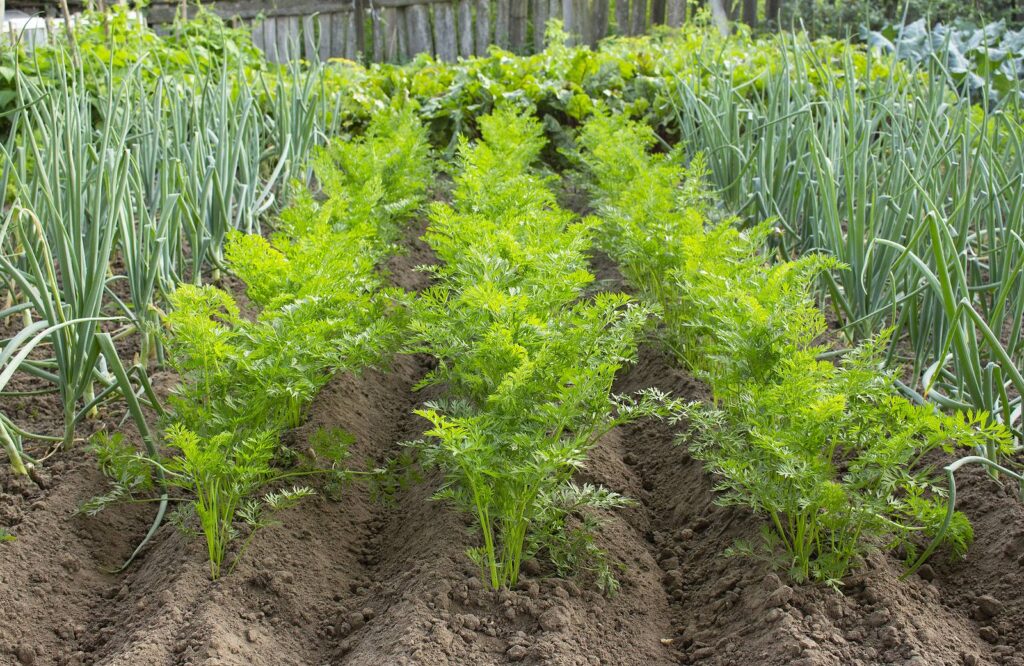
Carrots require a little more patience than some of the crops on this list, but they are genuinely easy to grow once you understand their basic requirements. The most common mistake with carrots is sowing in cold, unimproved soil. Wait until soil temperature reaches at least 7°C (45°F) and ensure the ground is loose, stone-free, and deep enough for roots to develop without forking.
Growing conditions: Sow seed thinly, 1 cm deep, in rows 15–20 cm apart. Thin to 7–10 cm apart once seedlings are large enough to handle. Carrots need light, sandy or well-worked soil with no recent manure additions — fresh manure causes forked, misshapen roots. Full sun preferred.
Days to harvest: 70–80 days (early varieties); 100+ days (maincrop).
Tips: Cover with fine mesh immediately after sowing to exclude carrot fly — a persistent pest that detects the scent of crushed carrot foliage from a considerable distance. Early varieties like ‘Nantes 2’ and ‘Amsterdam Forcing’ are faster and more forgiving than maincrops.
10. Swiss Chard and Perpetual Spinach (Beta vulgaris)
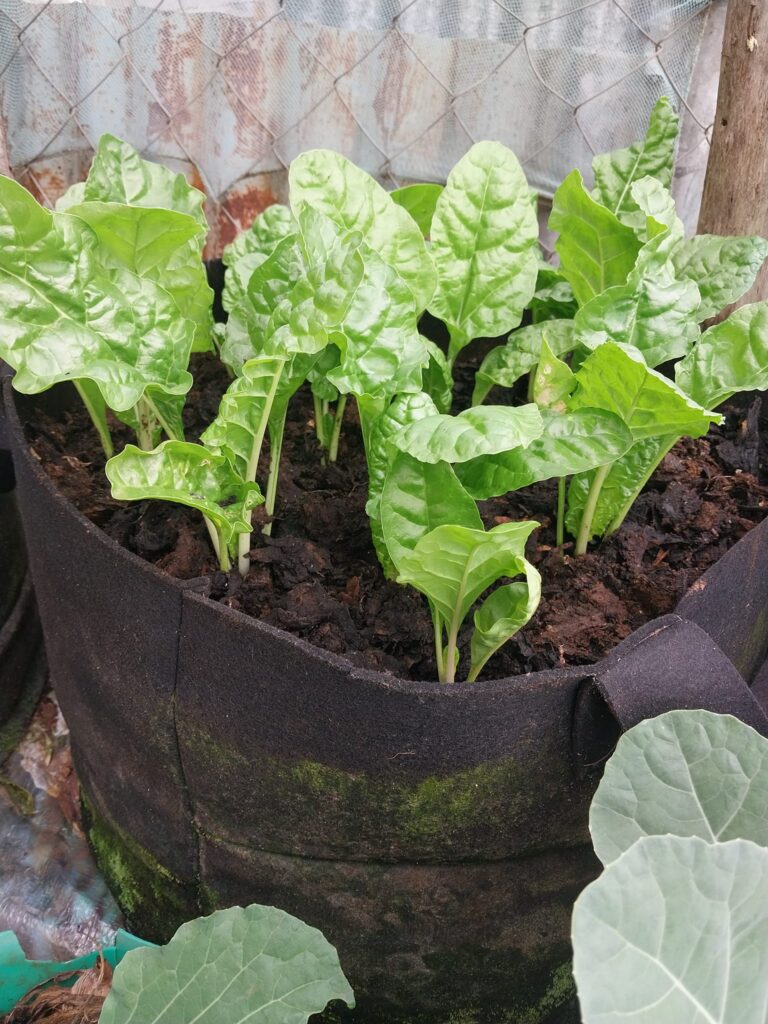
Swiss chard and perpetual spinach are among the hardest-working vegetables in the garden. They grow in almost any soil, tolerate partial shade, and can be harvested repeatedly over many months — far longer than true spinach, which bolts quickly in warm weather.
Growing conditions: Sow 2–3 cm deep, thinning to 30 cm apart. Both crops are tolerant of a wide range of soils, though they prefer fertile, moisture-retentive conditions. Hardy to moderate frosts; cover with fleece for added protection in exposed positions.
Days to harvest: 50–60 days from sowing.
Tips: Harvest outer leaves regularly and remove any yellowing foliage to keep the plant producing fresh growth. Swiss chard is also highly decorative — particularly varieties with red, yellow, or orange stems — making it equally at home in an ornamental border.
11. Turnips (Brassica rapa)
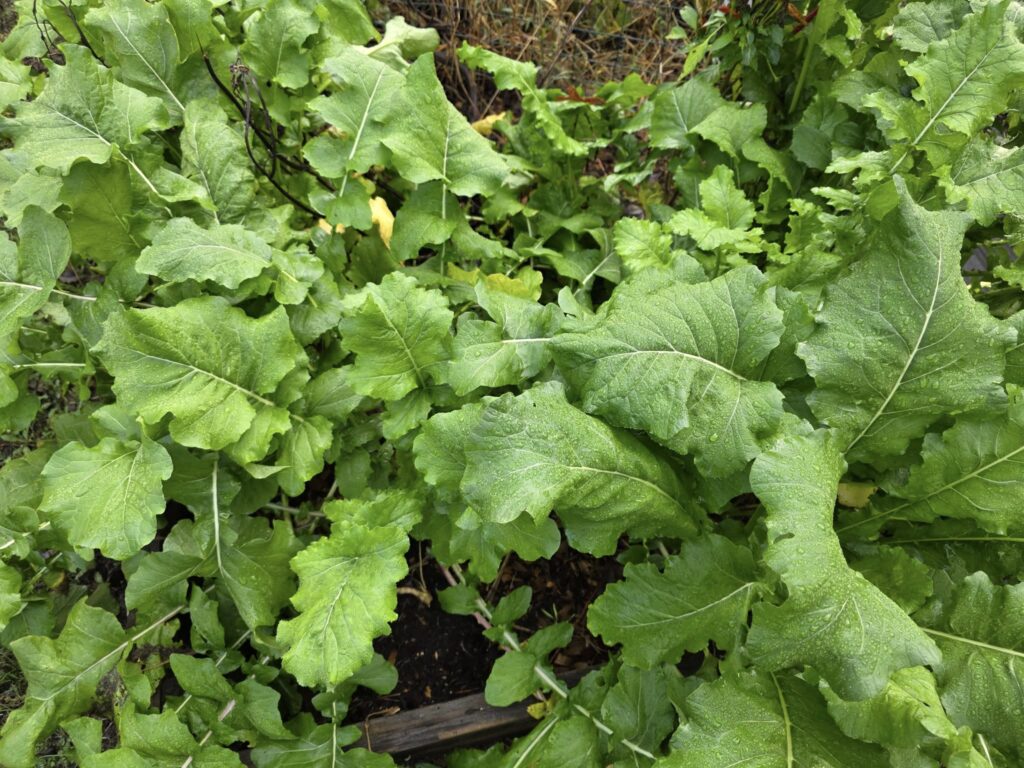
Turnips are underrated and too often overlooked. An early spring sowing produces young, tender turnips with a sweetness and delicacy quite unlike the large, overgrown roots that give them their dull reputation. Small turnips harvested at the size of a golf ball are genuinely delicious — entirely different from the coarse, bitter vegetable most people imagine.
Growing conditions: Sow 1–2 cm deep, thinning to 15 cm apart. Full sun, well-drained soil, pH 6.0–7.5. Like all brassicas, turnips benefit from a firm seedbed and protection from cabbage root fly with fine mesh.
Days to harvest: 40–60 days for early varieties.
Tips: Do not let early turnips grow too large — harvest promptly once they reach the size of a tennis ball or smaller, as older roots become woody and bitter. The young tops are also edible and can be eaten like greens.
12. Spring Onions (Allium cepa var. aggregatum)
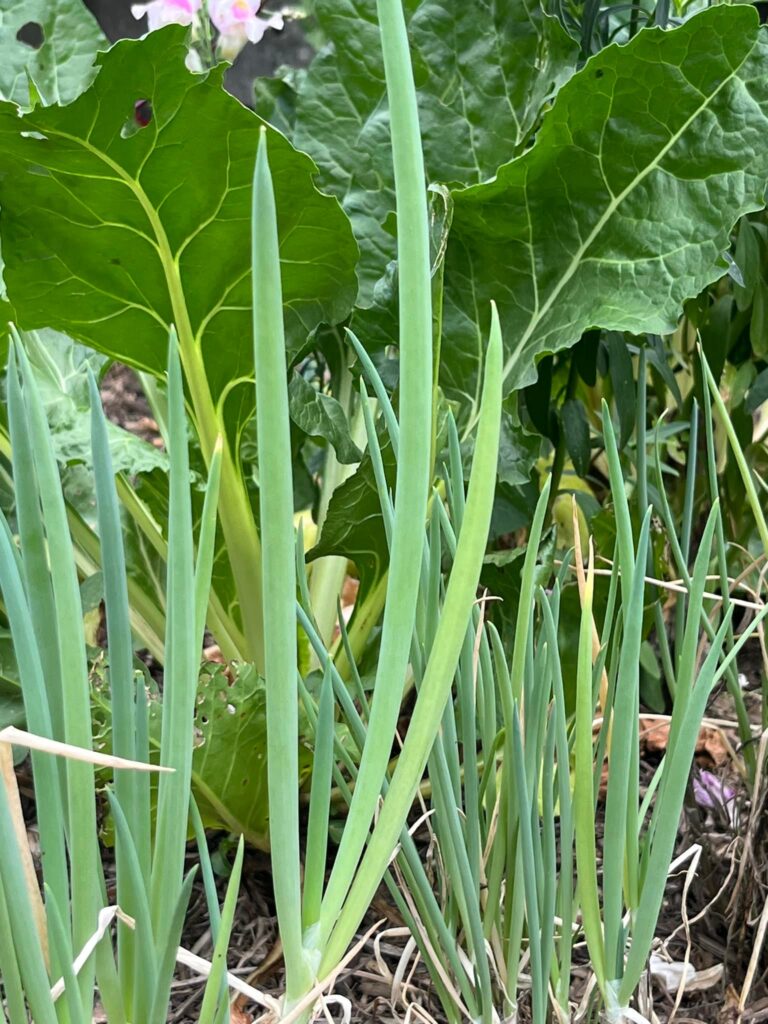
Spring onions are among the most space-efficient crops you can grow. They require almost no room, mature quickly, and provide a continuous supply of mild, versatile flavour from sowing to harvest in well under two months.
Growing conditions: Sow thinly, 1 cm deep, in short rows or blocks. No thinning required if sown at a low density. Spring onions tolerate partial shade and grow in most well-drained soils. Successive sowings every three to four weeks provide a continuous harvest from spring through summer.
Days to harvest: 50–60 days.
Tips: Varieties like ‘White Lisbon’ are a standard choice for early spring sowing. For the longest harvest period, pull every other plant young and allow the remainder to grow on. Spring onions are excellent in containers — sow a pot or two on the kitchen windowsill for the earliest possible harvest.
13. Asian Greens (Pak Choi, Mustard Greens, Mizuna)
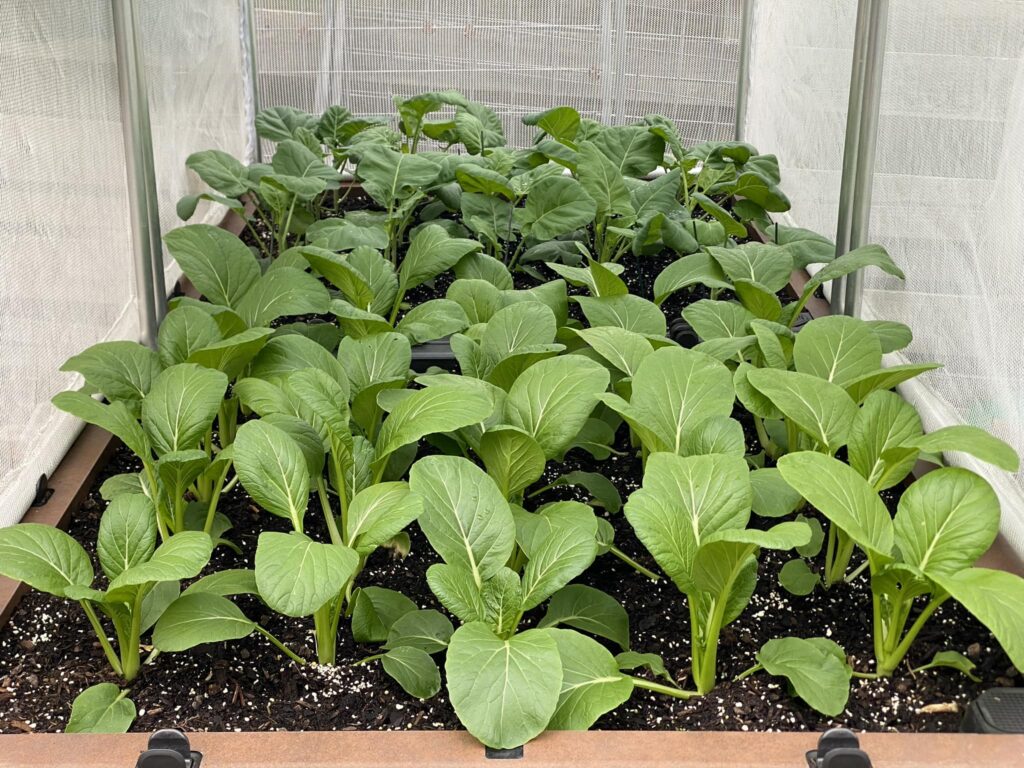
Asian greens are cool-season crops par excellence. Fast-growing, nutritious, and diverse in flavour — from mild and tender pak choi to peppery mustard greens — they fill a valuable role in the early spring garden and bolt far less readily than Western salad crops in marginal cold conditions.
Growing conditions: Sow 1 cm deep, thinning to 15–20 cm for pak choi and 10 cm for cut-and-come-again varieties like mizuna and mustard. Partial shade is tolerated and can reduce the risk of bolting in warmer spells. Most Asian greens prefer moist, fertile soil with consistent watering.
Days to harvest: 30–45 days (loose-leaf harvest); 50–60 days (full heads).
Tips: Mizuna and mustard greens are ideal for cut-and-come-again harvesting — cut the leaves 3–4 cm above the soil level and the plants will re-grow rapidly. Cover with fine mesh to exclude flea beetles, which riddle the leaves with small holes and can devastate young plants quickly.
14. Beetroot (Beta vulgaris)

Beetroot is more cold-tolerant than its reputation suggests. While it does prefer slightly warmer conditions than some of the hardiest crops on this list, it can be sown under cover in modules from late February and transplanted outdoors in April, giving it a significant head start on the season.
Growing conditions: Sow seed 2–3 cm deep; beetroot seed is actually a corky cluster of multiple seeds, so thin to one seedling per cluster once established. Space to 10 cm apart in rows 30 cm apart. Prefers well-drained, fertile soil with a pH of 6.5–7.5. Avoid very acidic soils, which cause poor root colour and development.
Days to harvest: 50–70 days for early varieties.
Tips: Harvest when roots reach the size of a golf ball to a tennis ball for the best flavour. Larger beetroot can become woody and lose sweetness. Baby beetroot, harvested very young, is particularly good roasted or eaten raw in salads. Don’t discard the tops — young beetroot leaves are nutritious and pleasant in salads or as wilted greens.
15. Kohlrabi (Brassica oleracea var. gongylodes)
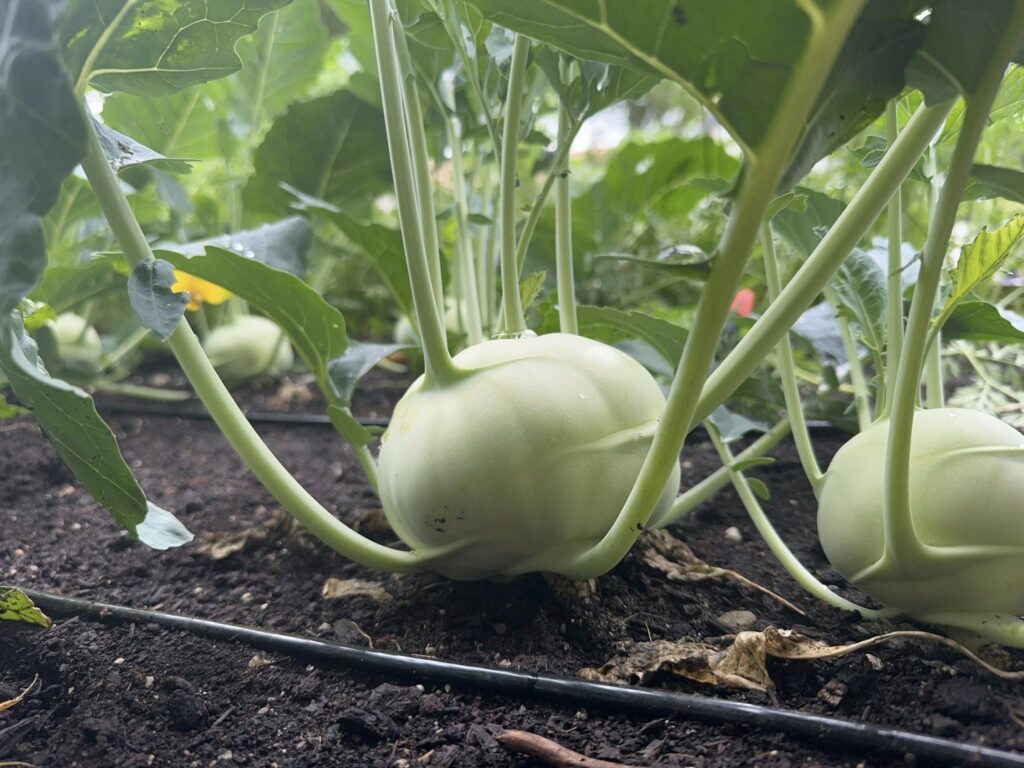
Kohlrabi is a curious-looking vegetable — a swollen stem that sits above the ground like a small, alien globe — but it is one of the most versatile and reliable early spring crops you can grow. It matures remarkably quickly, tolerates cold well, and is far less susceptible to the pests and diseases that trouble other brassicas.
Growing conditions: Sow 1–2 cm deep, thinning or transplanting to 20–25 cm apart. Full sun, well-drained, fertile soil. Unlike most other brassicas, kohlrabi copes reasonably well in dry conditions once established.
Days to harvest: 45–60 days from sowing.
Tips: Harvest kohlrabi when the swollen stem is 5–7 cm in diameter — beyond this size, it becomes fibrous and loses its characteristic crisp texture. Both purple and white varieties are equally good; the purple varieties tend to be slightly hardier.
Key Principles for Early Spring Vegetable Success
Growing the right crops is only part of the equation. A few fundamental practices make the difference between a productive spring garden and a disappointing one.
Use Cloches and Fleece to Extend the Season
Horticultural fleece and plastic cloches are invaluable in early spring. Covering the soil with fleece two to three weeks before sowing warms the ground significantly, giving seeds a better germination environment. Cloches can protect young plants from late frosts and cold winds after germination.
Even a few degrees of extra warmth in the soil and air around seedlings can accelerate growth meaningfully and push harvests forward by two to three weeks.
Prepare the Soil Early
If possible, prepare your vegetable beds in late autumn or winter. Soil that has been dug, amended with compost, and left to settle over winter is in far better condition for spring planting than ground worked in a rush as sowing time approaches.
Early spring soil preparation should focus on light raking to a fine tilth, removing large clods, and making the surface level and friable. Avoid working soil when it is very wet — this destroys structure and causes compaction.
Sow in Succession
The single most effective way to extend your harvest and avoid a glut is to sow in succession. Rather than sowing an entire packet of lettuce or radish at once, sow a short row every two to three weeks. This staggers the harvest over several months and keeps the supply coming steadily.
Harden Off Indoor-Started Plants
If you have started seedlings indoors or in a heated greenhouse, they must be gradually acclimatised to outdoor conditions before transplanting — a process known as hardening off. Move trays outside into a sheltered spot for increasing periods over seven to ten days before leaving them out overnight. Failure to harden off properly is one of the leading causes of transplant failure in early spring.
Suggested For You:
15 Easy Vegetables to Plant and Harvest This Summer: Best Varieties That Grow Fast in Heat
Tomato Hornworms: Facts, Identification and How to Control Them in Your Garden
How Much Epsom Salt on Tomatoes (Magnesium Sulfate Per Gallon of Water)
Tips for Growing Romanesco Cauliflower in Pots
Summary: Quick Reference Guide
| Vegetable | Sow Outdoors From | Days to Harvest | Frost Hardy? |
| Peas | Late February | 60–70 days | Yes |
| Spinach | Late February | 40–65 days | Yes |
| Lettuce | March | 30–60 days | Half-hardy |
| Kale | March (under cover: Jan) | 55–75 days | Yes |
| Radishes | March | 21–30 days | Yes |
| Broad Beans | Late February | 80–100 days | Yes |
| Onion Sets | Mid-March | 100–120 days | Yes |
| Garlic | Late February | 90 days | Yes |
| Carrots | March–April | 70–100 days | Half-hardy |
| Swiss Chard | March | 50–60 days | Yes |
| Turnips | March | 40–60 days | Yes |
| Spring Onions | March | 50–60 days | Yes |
| Asian Greens | March | 30–60 days | Half-hardy |
| Beetroot | Late March (under cover: Feb) | 50–70 days | Half-hardy |
| Kohlrabi | March | 45–60 days | Yes |
Early spring is not a time to sit on your hands. The gardeners who get the most from their growing season are usually the ones who start a little earlier, take a small risk on the weather, and have something edible in the ground while everyone else is still waiting for warmth. These 15 vegetables give you every reason — and every tool — to be one of them.
References
- University of California Agriculture and Natural Resources — Cool-Season Vegetables for the Home Garden https://ucanr.edu/sites/scmg/files/30917.pdf
- Penn State Extension — Vegetable Gardening: A Beginner’s Guide to Cool-Season Crops https://extension.psu.edu/vegetable-gardening
- University of Minnesota Extension — Planting a Home Vegetable Garden https://extension.umn.edu/yard-and-garden/home-vegetable-garden
- Cornell University Cooperative Extension — Growing Vegetables: Cool Season Crops for Early Spring https://gardening.cals.cornell.edu/lessons/vegetables/
- Oregon State University Extension Service — Growing Your Own: A Practical Guide to Spring Vegetable Production https://catalog.extension.oregonstate.edu/ec871

Tim M Dave is a gardening expert with a passion for houseplants, particularly cacti and succulents. With a degree in plant biology from the University of California, Berkeley, he has vast experience in gardening. Over the years, he has cultivated a vast collection of desert plants and learned a great deal about how to grow and care for these unique companions.